
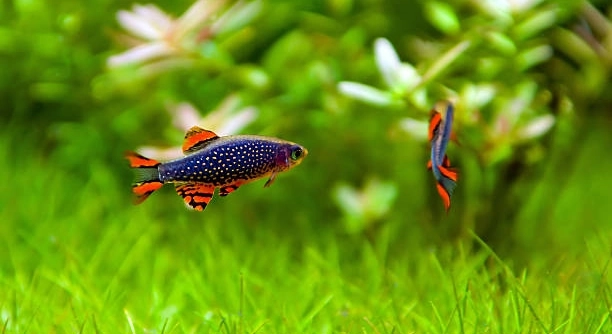
Watching Danio fry grow can be fascinating, especially when they suddenly change size seemingly overnight. Their early development is full of small surprises that show how delicate and dynamic their growth process truly is.
Danio fry experience several distinct types of growth spurts, including linear, rapid, stunted, compensatory, seasonal, nutritional, and social growth. Each type follows predictable patterns influenced by genetics, feeding, water quality, and environmental interactions, impacting overall fry health and development.
Recognizing these growth patterns helps ensure fry reach their full potential and thrive in a healthy, well-maintained aquatic environment.
Linear Growth Spurts
Linear growth spurts in Danio fry are steady and consistent, often occurring over several days or weeks. During this period, fry gain size and weight in a predictable manner, making it easier to monitor their development. These growth spurts are usually influenced by a balanced diet, stable water parameters, and proper tank conditions. Observing fry during linear growth shows smooth increases in length and girth without sudden jumps. Many breeders rely on this type of growth to estimate feeding schedules and tank adjustments. Regular measurements help ensure fry are developing as expected. Linear growth also allows for early detection of potential issues, such as stunted growth or uneven size differences among fry. Consistent feeding with high-quality flakes or live food supports these gradual increases. Water changes and maintaining appropriate temperature levels reinforce steady growth. Overall, linear growth is the most predictable and manageable pattern for Danio fry.
Linear growth is the easiest type to monitor and maintain with proper feeding and stable tank conditions.
Keeping a close eye on tank conditions and feeding schedules ensures linear growth continues without interruption. Maintaining water temperature, pH balance, and cleanliness helps fry absorb nutrients efficiently. Observing behavior and size increases daily allows small adjustments to food type or quantity. Gradual growth reduces stress, promoting stronger fry with better survival rates.
Rapid Growth Spurts
Rapid growth spurts appear suddenly, often causing noticeable size differences within days.
These growth periods are usually triggered by an abundance of high-quality food, warmer water temperatures, or improved water quality. During rapid growth, fry can increase length quickly, sometimes outpacing their tankmates. While impressive, this type of growth requires careful monitoring, as it can lead to uneven development or competition for resources among fry. Ensuring enough space and food prevents weaker fry from being overshadowed. These spurts are short-lived and may be followed by slower growth periods, as fry adjust to new sizes. Managing rapid growth involves gradual adjustments in feeding, monitoring tank density, and maintaining stable water parameters to avoid stress. Observing fry closely during this period helps identify any health concerns early. Supporting rapid growth with protein-rich food, such as baby brine shrimp or finely crushed flakes, encourages healthy development. Proper oxygenation and frequent water changes reduce the risk of sudden growth-related issues. By preparing for these changes, the tank environment supports both fast-growing and slower-growing fry.
Stunted Growth
Stunted growth occurs when Danio fry fail to gain size as expected. Poor nutrition, overcrowding, or unstable water conditions often cause this. Fry may appear smaller or weaker than their tankmates, making careful observation essential to address the problem early.
Fry experiencing stunted growth require adjustments in diet and tank conditions. Increasing food quality, ensuring adequate space, and stabilizing water parameters can improve growth rates. Stressful environments, such as sudden temperature changes or strong currents, may also slow development. Monitoring fry daily helps identify which factors are affecting their size. Stunted growth is reversible in many cases if changes are applied promptly.
Regularly checking water quality and feeding schedules is key to preventing long-term stunted growth. Implementing gradual improvements allows fry to catch up to their expected size. Overcrowded tanks should be adjusted, and weaker fry may need separate care to thrive. Consistency in care helps normalize growth patterns while reducing stress-related setbacks.
Compensatory Growth
Compensatory growth occurs when fry grow rapidly after a period of slowed development. This can happen after temporary stress, mild nutrient restriction, or minor environmental disruptions. Fry often “catch up” in size to match their peers, balancing overall development.
Supporting compensatory growth requires careful feeding and stable water conditions. Gradually increasing food quantity and ensuring proper nutrition encourages fry to regain lost size. Monitoring water quality and temperature ensures the environment remains favorable for accelerated development. Overfeeding can cause digestive issues, so adjustments should be measured. Observing behavior and growth daily helps identify progress and potential concerns, ensuring fry recover effectively from previous setbacks.
Compensatory growth highlights the resilience of Danio fry. Providing consistent care and minimizing stress allows fry to recover quickly from growth delays, achieving healthier overall development. Proper tank management, balanced nutrition, and stable environmental conditions maximize recovery potential, allowing fry to reach expected size efficiently and safely.
Seasonal Growth
Seasonal growth in Danio fry often aligns with changes in temperature, light, or natural cycles. Fry may grow faster during warmer months or when daylight increases, then slow down during cooler periods. Monitoring these cycles helps predict changes in development and adjust care accordingly.
Adjusting feeding and tank conditions during seasonal shifts supports healthy growth. Slightly increasing food during active growth periods and maintaining stable water quality ensures fry continue developing efficiently.
Nutritional Growth
Nutritional growth depends directly on the quality and variety of food provided. High-protein diets, live or frozen foods, and balanced flakes contribute to steady and healthy size increases. Inadequate nutrition can slow development and cause size disparities among fry.
Social Growth
Social growth occurs when interactions among fry influence development. Fry in groups may experience faster or slower growth depending on hierarchy, competition, and access to food. Observing group behavior helps maintain balanced development for all individuals.
FAQ
What causes growth spurts in Danio fry?
Growth spurts in Danio fry are influenced by several factors, including genetics, diet, water quality, and environmental conditions. Adequate nutrition and clean, stable water help fry develop steadily. Stress, overcrowding, or sudden changes in temperature can either slow growth or trigger compensatory spurts later.
How can I identify the type of growth spurt my fry are experiencing?
Observing size changes, feeding behavior, and activity levels helps determine growth type. Linear growth is steady and predictable, rapid growth appears suddenly, while stunted growth shows little to no size increase. Nutritional or compensatory growth may follow periods of restricted food or mild stress.
Is rapid growth dangerous for Danio fry?
Rapid growth itself is not harmful if supported with proper nutrition and clean water. However, it can lead to size differences among tankmates, increased competition, and potential stress. Ensuring adequate food and space helps fry develop healthily during these fast growth phases.
Can stunted growth be reversed?
Yes, stunted growth is often reversible. Improving water quality, increasing nutrition, and reducing overcrowding can allow fry to catch up. Separating weaker or smaller fry temporarily can also ensure they receive enough food to regain healthy development.
How does diet impact fry growth?
A high-protein, varied diet supports steady and strong growth. Live or frozen foods like brine shrimp or daphnia are excellent for early development. Flake or powdered foods provide consistent nutrition. Poor-quality or insufficient food slows growth and may result in weaker fry.
Do water conditions affect growth spurts?
Absolutely. Stable temperature, pH, and ammonia-free water are critical. Fluctuating water conditions or poor filtration can stress fry, slowing growth or causing stunted development. Regular water changes and monitoring help maintain an environment conducive to healthy growth.
How often should I measure fry growth?
Frequent observation is better than precise measurements daily. Measuring weekly or every few days helps track patterns without stressing the fry. Consistent monitoring identifies irregular growth, allowing early interventions when necessary.
What role does social interaction play in growth?
Fry raised in groups experience social growth effects. Dominant fry may grow faster due to better access to food, while weaker fry may lag behind. Ensuring sufficient space and food distribution helps maintain balanced growth and reduces size disparities.
Are seasonal changes significant for fry growth?
Yes, seasonal factors like temperature and daylight can trigger natural growth fluctuations. Warmer water and longer daylight often increase activity and feeding, promoting growth. Cooler periods may slow metabolism and size gain. Maintaining stable tank conditions helps minimize extreme seasonal effects.
How long do growth spurts typically last?
The duration varies by type. Linear growth continues steadily over weeks, rapid growth may last days, and compensatory growth occurs following short delays. Monitoring patterns helps plan feeding and tank maintenance to support continued healthy development.
Can overcrowding affect growth spurts?
Overcrowding increases competition for food, limits space, and raises stress, which can slow growth or cause uneven development. Providing sufficient tank size and separating fry if necessary ensures each individual has the resources needed for proper growth.
What signs indicate unhealthy growth?
Uneven size differences, lethargy, poor appetite, or physical deformities may indicate unhealthy growth. Early detection allows for changes in diet, tank conditions, or medical intervention, ensuring fry recover and continue developing properly.
How important is consistency in care?
Consistency is key for predictable growth patterns. Regular feeding schedules, stable water parameters, and attentive observation help fry grow steadily. Inconsistent care may lead to stunted, compensatory, or irregular growth, stressing fry and reducing survival rates.
Can I combine different growth strategies?
Yes, providing optimal diet, stable water, and proper social conditions together supports multiple growth types. Combining good nutrition, low stress, and consistent observation allows fry to develop at their full potential, minimizing growth problems and improving long-term health.
Final Thoughts
Monitoring the growth of Danio fry requires attention to detail and consistency. Each type of growth spurt—from linear and rapid to stunted and compensatory—reflects how fry respond to their environment, nutrition, and social interactions. Understanding these patterns allows for better care, ensuring that all fry have the opportunity to develop healthily. By observing size changes, feeding behavior, and overall activity, it becomes easier to distinguish normal development from potential growth issues. Maintaining stable water parameters, providing high-quality food, and ensuring adequate space are fundamental practices that support every type of growth. Overcrowding or sudden environmental changes can stress fry, causing uneven growth or stunted development, so proactive monitoring is crucial. Paying attention to these small but significant details can prevent long-term problems and improve the overall health of your Danio fry. Consistency in care provides a foundation for predictable growth patterns, making it easier to support fry through different stages of development.
Nutrition plays a central role in the growth of Danio fry. High-protein foods, live or frozen options such as baby brine shrimp, and quality flake or powdered foods ensure that fry receive essential nutrients for steady growth. Nutritional deficiencies often manifest as stunted or slow growth, while a well-balanced diet can trigger compensatory or rapid growth periods. Feeding schedules should be consistent, but also adaptable to the fry’s developmental stage, ensuring they receive the right quantity and type of food without overfeeding. Overfeeding can stress fry and pollute the tank, leading to poor water quality, which in turn slows growth. Observing how fry respond to different foods allows adjustments that promote optimal development. Supporting fry nutrition in combination with proper water conditions and careful social management creates an environment where growth spurts occur naturally and safely. A focus on both diet and environment ensures that fry grow evenly and reach their full potential.
Environmental conditions are equally important in supporting healthy growth. Temperature, water quality, and tank size all influence the rate and consistency of growth spurts. Seasonal factors can also play a role, as fry may grow more actively during warmer periods or when light exposure increases. Providing a stable, clean, and adequately sized tank minimizes stress and encourages balanced development among all fry. Social interactions should be monitored to prevent dominant individuals from monopolizing food or space, which can hinder the growth of weaker fry. By combining careful observation, consistent feeding, and stable tank conditions, it is possible to guide Danio fry through their growth stages effectively. Understanding these factors not only helps prevent problems but also enhances the overall survival and well-being of the fry. Attentive care creates a predictable environment where each fry has the opportunity to thrive, making the process of raising healthy Danio fry more manageable and rewarding.

Hello,
If you enjoy the content that we create, please consider saying a "Thank You!" by leaving a tip.
Every little bit helps us continue crafting quality advice that supports the health, happiness, and well-being of pets around the world, for pets of all shapes, sizes, and species.
We really appreciate the kindness and support that you show us!