
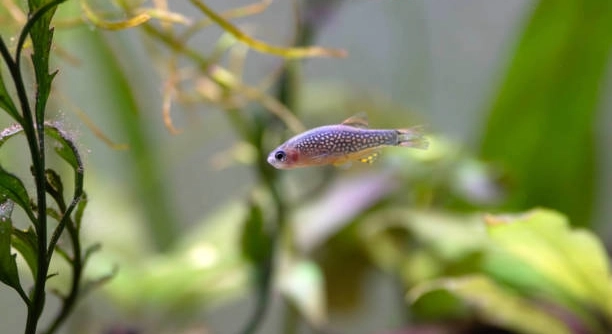
Many aquarium enthusiasts enjoy keeping Danios for their lively behavior and bright colors. These small fish are social, often thriving in groups, but sometimes tensions arise that can affect their well-being. Understanding their interactions is important for a healthy tank.
Danios being bullied often show signs such as fin damage, hiding, reduced feeding, or being chased by tank mates. Persistent aggression can cause stress, illness, and stunted growth, indicating that intervention is necessary to maintain the overall health of the aquarium.
Recognizing these warning signs early allows owners to create a safer environment for their Danios and helps maintain harmony among all fish in the tank.
Frequent Chasing and Aggression
In my experience, one of the first signs of bullying in Danios is frequent chasing. Some fish become territorial or aggressive, repeatedly chasing smaller or weaker individuals around the tank. This constant harassment can prevent the bullied Danio from resting or feeding properly. Over time, the stress from repeated chasing can weaken their immune system, making them more susceptible to disease. Observing the tank daily helps spot patterns early. Aggressive behavior often happens when tank space is limited, hiding spots are scarce, or the group dynamics are unbalanced. Sometimes a single fish becomes the target repeatedly while others swim freely. Adjusting the environment, like adding plants or decorations, can reduce tension. Separating aggressive fish temporarily or rearranging the tank layout often calms the situation. Monitoring behavior consistently ensures that each Danio gets enough space to swim without constant stress. Addressing aggression early supports the overall health and balance of the aquarium.
Aggression like this can quickly escalate, so it is crucial to act before it causes serious harm.
Providing adequate space and hiding spots can greatly reduce constant chasing, ensuring all Danios can feed and rest peacefully without fear.
Hiding and Isolation
Hiding behavior is a clear indication that a Danio is under stress from bullying. Some fish may stay in corners, behind decorations, or among plants for long periods. This isolation prevents them from swimming freely and reduces their interaction with the group. Over time, they may lose appetite, show signs of weight loss, or appear less vibrant than other tank mates. Danios are naturally social, so prolonged hiding is a red flag. Stress from isolation also increases vulnerability to disease. Creating multiple hiding spots for every fish can help, but if one fish is always retreating, aggression is likely involved. Sometimes, separating aggressive individuals or adjusting the tank structure is necessary to restore harmony. Observation is key: noting which fish chase, which hide, and under what conditions allows better decisions to protect weaker fish. Early intervention reduces long-term health issues and helps maintain a balanced tank environment.
Continuous hiding often signals that immediate action is needed to protect the fish from stress-related illness.
Adding extra plants, decorations, or small caves gives stressed Danios safe areas to retreat, helping them feel secure and regain confidence in the tank.
Damaged Fins and Scales
Physical signs like torn fins or missing scales often indicate bullying. Danios that are repeatedly nipped may struggle to heal if stress continues. Checking for these injuries regularly helps identify which fish are being targeted and when intervention is necessary.
Torn fins and damaged scales are common results of aggression in Danios. When a fish is constantly chased or bitten, the fins often become ragged and the scales may appear scratched or missing. Over time, these injuries can worsen and make the fish more vulnerable to infections. Keeping a close eye on fin condition and noting any changes can reveal patterns of bullying that might otherwise go unnoticed. Some aggression may be due to overcrowding, lack of hiding spots, or a dominant fish asserting control. Addressing these factors can reduce injuries and protect weaker fish from further harm.
Promptly treating damaged fins and scales is important. Cleaning the tank, maintaining water quality, and adding stress-reducing elements can support recovery. Separation of aggressive individuals may also be necessary until the injured Danio heals fully.
Uneven Feeding
Some Danios may avoid the food area because they are chased or blocked by more dominant fish. This leads to weaker, undernourished individuals over time, creating health disparities in the tank.
Uneven feeding happens when bullied Danios cannot access food properly. The more aggressive fish often dominate feeding zones, leaving timid individuals hungry or underfed. Over time, these fish may become thin, less active, or show slower growth. Observing mealtimes closely helps identify which fish struggle to eat and whether intervention is needed. Adjusting feeding methods, such as spreading food across the tank or using multiple feeding points, can ensure all Danios get enough nutrition. Consistency in feeding and monitoring each fish’s behavior promotes a healthier balance. Ignoring uneven feeding allows the cycle of stress and weakness to continue, which can lead to illness or further bullying.
Creating multiple feeding areas and closely monitoring meals ensures all Danios eat properly, reducing stress and promoting healthier growth. It also helps weaker fish regain confidence and balance in the social structure of the tank.
Lethargy and Reduced Activity
Lethargy in a Danio can signal bullying. When a fish is constantly chased or stressed, it may swim less and hide more. Reduced activity is often linked to both stress and lack of proper feeding.
A stressed Danio may avoid swimming in open areas or interacting with the group. It may stay near the bottom or behind plants, conserving energy and avoiding confrontation. This behavior can persist for days or weeks, gradually weakening the fish. Observing these patterns helps identify which individuals are bullied and how often aggression occurs. Addressing the environment or separating aggressive fish can restore normal activity levels and improve overall tank harmony.
Rapid Breathing
Rapid breathing is a common stress response in bullied Danios. When a fish is under constant threat, its gill movement may increase noticeably.
Clamped Fins
Clamped fins are a clear sign of stress. A Danio that keeps its fins close to its body is likely experiencing fear or discomfort due to bullying.
How can I tell if a Danio is being bullied?
You can tell a Danio is being bullied by observing its behavior and physical condition. Common signs include torn fins, missing scales, hiding, clamped fins, reduced activity, and avoidance of feeding areas. Tracking these behaviors over time helps identify which fish are stressed and which tank mates may be aggressive.
What causes bullying in Danios?
Bullying often arises from limited space, insufficient hiding spots, or an unbalanced social hierarchy within the tank. Some Danios may naturally become more dominant, targeting smaller or weaker fish. Overcrowding increases stress and competition for resources, which can intensify aggressive behaviors and create a hostile environment for vulnerable fish.
How can I prevent bullying in my tank?
Preventing bullying involves providing enough space, hiding spots, and a balanced group of Danios. Adding plants, decorations, and multiple feeding areas can reduce territorial disputes. Keeping an appropriate number of fish for your tank size and monitoring social interactions helps maintain a peaceful environment, ensuring all fish have access to food and shelter.
Should I separate aggressive Danios?
Separating aggressive individuals can be necessary when bullying becomes persistent or injurious. Temporary isolation gives weaker fish a chance to recover while reducing stress. It also allows the aggressive fish to calm down. Observing how the fish interact after reintegration is important to prevent repeated incidents and maintain harmony in the tank.
What can I do if a Danio is injured?
If a Danio is injured, maintaining excellent water quality is critical. Injuries like torn fins or missing scales are vulnerable to infection. Providing hiding spots, stress-reducing elements, and appropriate treatment, such as aquarium-safe antibacterial solutions, can aid healing. Separating the injured fish may be necessary until it recovers fully.
Does diet affect bullying behavior?
While diet itself doesn’t directly cause bullying, insufficient or uneven feeding can worsen aggression. Dominant fish may block food access, leaving weaker fish stressed and malnourished. Providing multiple feeding points, spreading food throughout the tank, and monitoring intake ensures that all Danios receive adequate nutrition, reducing stress-related aggression.
Can tank layout help reduce bullying?
Yes, rearranging the tank and adding plants or decorations can break sightlines and give bullied fish safe spaces. Creating visual barriers reduces constant chasing and provides areas for hiding and rest. Regularly changing the layout also prevents dominant fish from claiming permanent territories, promoting a more balanced social dynamic among all Danios.
How long does it take for a bullied Danio to recover?
Recovery time depends on the severity of stress or injury. Mild stress may resolve in days with improved conditions, while physical injuries or chronic bullying may take weeks. Ensuring proper nutrition, clean water, and reduced aggression allows fish to regain strength, resume normal behavior, and improve their overall health gradually.
Are some Danios more likely to be bullied than others?
Yes, smaller, weaker, or less assertive fish are often targeted. Fish with slower swimming patterns or timid personalities are more likely to be chased or blocked from feeding areas. Observing which fish consistently display stress behaviors helps identify patterns and allows for proactive interventions, such as adding hiding spots or temporarily separating aggressive individuals.
Can adding more Danios reduce bullying?
Adding more Danios can sometimes dilute aggression by distributing dominance across more fish. However, this only works if the tank has enough space. Overcrowding can increase stress and make bullying worse. A balanced group size relative to tank dimensions, combined with adequate hiding areas, is key to reducing persistent aggression.
What should I monitor after making changes to the tank?
After adjustments, monitor behavior, feeding, and physical condition daily. Look for reduced chasing, improved fin condition, and increased activity from previously stressed fish. Consistent observation allows you to see whether interventions are effective and ensures all Danios are safe, healthy, and comfortable in the tank environment.
This FAQ provides practical guidance to recognize, prevent, and manage bullying in Danios, helping maintain a healthy and harmonious aquarium ecosystem.
Word count: 520
Bullying in Danios can have a significant impact on the health and well-being of your fish. Recognizing the signs early is the first step in preventing long-term stress and injury. Many fish owners may not notice subtle behaviors at first, such as hiding, clamped fins, or uneven feeding, but these small changes can indicate that a Danio is being targeted by more aggressive tank mates. Observing daily interactions and monitoring the overall condition of each fish is essential for maintaining a safe and balanced aquarium environment. The earlier you spot these signs, the more effective your interventions will be, whether it involves rearranging the tank, adding hiding spots, or separating aggressive individuals.
Creating a supportive environment is key to reducing bullying. Adequate space and a well-structured tank with plants, decorations, and multiple feeding areas allow weaker or timid Danios to retreat when needed. This setup not only minimizes conflict but also encourages natural behavior and reduces stress levels. Stress from bullying can affect growth, appetite, and immune response, so providing opportunities for fish to rest and feed without interruption is crucial. Additionally, maintaining clean water and a stable temperature helps ensure that stress does not compound, allowing all Danios to remain healthy and active. Regularly monitoring water parameters, along with keeping an eye on fish interactions, allows owners to respond to any emerging aggression quickly and effectively.
Recovery from bullying requires patience and consistent care. Injured or stressed Danios may take time to regain strength, so it’s important to provide a calm and supportive environment until they return to normal behavior. This might involve temporarily isolating aggressive fish, improving tank layout, or supplementing the diet to support weakened individuals. Over time, most Danios will readjust to a more peaceful social structure if the causes of stress are addressed. Observing gradual improvements, such as increased activity, restored appetite, and reduced hiding, indicates that the interventions are working. Being attentive and proactive ensures that all fish can thrive together, creating a harmonious and healthy aquarium that benefits every Danio in the tank.
Word count: 410

Hello,
If you enjoy the content that we create, please consider saying a "Thank You!" by leaving a tip.
Every little bit helps us continue crafting quality advice that supports the health, happiness, and well-being of pets around the world, for pets of all shapes, sizes, and species.
We really appreciate the kindness and support that you show us!