
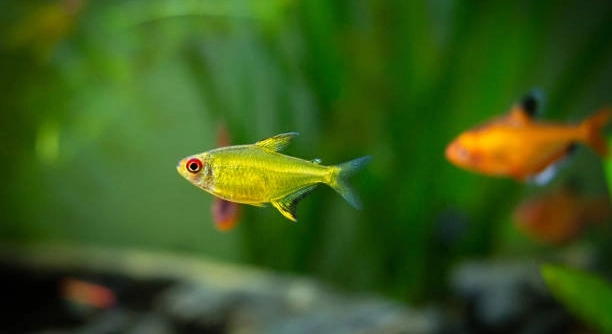
Lemon tetras are small, vibrant fish that bring life to any aquarium. Observing their behavior can reveal a lot about their wellbeing. Recognizing signs of comfort helps ensure these delicate fish remain healthy and active.
Comfortable lemon tetras display steady swimming patterns, vibrant coloration, and relaxed fin movement. They interact calmly with tank mates, explore their environment confidently, and maintain consistent feeding behavior. Monitoring these visual cues provides reliable insight into their overall health and comfort.
Noticing these subtle behaviors will help you create a supportive and thriving environment for your lemon tetras. Proper care ensures they remain active and visually striking.
Steady Swimming Patterns
Lemon tetras that feel comfortable in their environment tend to swim in smooth, steady patterns throughout the tank. They rarely dart or freeze suddenly, and their movement appears purposeful rather than erratic. Watching them glide through the water reveals their level of confidence and security. Calm, continuous swimming indicates that water parameters are suitable and that the fish are not stressed by sudden changes, overcrowding, or incompatible tank mates. Observing their movement daily helps spot early signs of discomfort before any health issues arise. In addition to swimming calmly, comfortable tetras often swim in groups, displaying coordinated behavior. This schooling pattern is a natural instinct and a sign of wellbeing, showing that they feel safe. Tank decorations, hiding spots, and adequate swimming space all contribute to this relaxed behavior. Ensuring consistent lighting and minimizing sudden disturbances will further encourage steady swimming and overall comfort in your lemon tetras.
Steady swimming is a clear indicator that your lemon tetras are adjusting well to their environment and feel secure.
Maintaining consistent water temperature and pH levels, along with clean water, encourages natural movement. Observing their paths and interactions with other fish provides insight into their comfort. Overcrowding or sudden disturbances can disrupt swimming patterns, signaling stress. Providing hiding spots and open swimming areas helps them feel secure and encourages normal behavior.
Vibrant Coloration
Healthy lemon tetras display bright, vibrant colors that indicate comfort and proper nutrition.
Strong coloration reflects balanced diet, stable water conditions, and low stress levels. Pale or faded colors may indicate illness, stress, or poor water quality.
Feeding high-quality flakes or frozen foods rich in nutrients enhances their natural colors. Maintaining consistent lighting and stable water parameters also supports vivid coloration. Fish that are comfortable tend to show more intense yellows and subtle iridescent shades. Observing color changes over time can reveal shifts in health or mood. Providing a stress-free environment, with appropriate tank mates and minimal disruptions, helps maintain these vibrant hues. Regular water changes and proper filtration prevent buildup of harmful substances that can dull their appearance. Comfortable lemon tetras display color evenly across their bodies, without blotches or fading at the fins. Healthy fish may even intensify their colors during feeding or interaction, showing that they are active and thriving in their habitat.
Relaxed Fin Movement
Relaxed fins indicate that lemon tetras are comfortable. Fins that are fully spread and gently moving show they are calm and healthy, whereas clamped or rigid fins suggest stress or illness.
Gently fanning fins while swimming or hovering demonstrates a state of relaxation. When tetras feel secure, their dorsal and tail fins remain upright and move fluidly with their body. Any signs of fin damage, curling, or constant clamping can indicate water issues, poor diet, or aggression from tank mates. Observing their fin behavior during feeding or group swimming offers insight into overall wellbeing. Ensuring stable water temperature and compatible companions reduces stress and encourages natural fin movement.
Comfortable tetras also display smooth, symmetrical fin motion even when interacting with other fish or exploring the tank. Their fins respond naturally to currents or subtle water flow. Over time, consistent relaxed fin movement confirms a safe and balanced environment, signaling that the fish are thriving and well-adjusted.
Calm Social Interaction
Lemon tetras that feel secure interact calmly with tank mates. Aggressive chasing or hiding is minimal, and schooling is coordinated and peaceful.
Peaceful interaction shows that fish feel safe in their environment. Comfortable tetras swim together without conflict, often forming cohesive groups that move fluidly. This behavior reflects low stress levels and proper social structure in the tank.
Monitoring social behavior is key to understanding their comfort. Tetras that are relaxed maintain proximity to each other while exploring, feeding, or resting. Disruptions, such as sudden changes in water conditions or overcrowding, can cause erratic movements or isolation. Providing adequate space, hiding spots, and compatible companions supports natural social patterns. Fish that engage harmoniously with their group show confidence and stability. Observing their daily interactions helps identify subtle stress indicators before they become serious. Maintaining clean water and steady conditions ensures that tetras can thrive socially and physically.
Confident Exploration
Lemon tetras that feel secure explore the tank actively. They investigate decorations, plants, and open spaces without hesitation, showing curiosity and comfort.
Exploration is steady and deliberate, not frantic. Comfortable tetras return to familiar areas while still checking new spots, demonstrating a balanced sense of safety and confidence.
Consistent Feeding Behavior
Comfortable lemon tetras eat consistently and eagerly during feeding times. They approach food quickly, showing no signs of hesitation or stress. Their appetite remains steady, reflecting proper nutrition, stable water conditions, and overall wellbeing. Fish that are stressed or unwell may ignore food or compete aggressively, whereas calm tetras feed in a measured, coordinated manner. Monitoring their feeding patterns helps detect subtle changes in health or mood, and maintaining a balanced diet supports both vitality and color.
Interaction With Environment
Lemon tetras that are comfortable interact naturally with their surroundings. They weave between plants, explore hiding spots, and swim through open spaces without fear or hesitation.
What should I feed my lemon tetras to maintain their comfort and color?
Lemon tetras thrive on a varied diet that includes high-quality flake foods, micro pellets, and occasional frozen or live foods like daphnia, brine shrimp, and bloodworms. Balanced nutrition ensures their coloration remains vibrant and their energy levels stay high. Feeding small amounts two to three times daily prevents overfeeding and helps maintain water quality. Observing how eagerly they eat can also indicate their comfort level. Fish that feel secure tend to feed confidently alongside tank mates without hesitation or aggression. Rotating food types promotes overall health and reduces the risk of nutritional deficiencies.
How can I tell if my lemon tetras are stressed?
Signs of stress include clamped fins, faded coloration, erratic swimming, hiding constantly, or loss of appetite. Stressed fish may also isolate themselves from the group, swim near the surface excessively, or exhibit rapid gill movement. Stress can result from poor water quality, incorrect temperature, sudden changes in the environment, aggressive tank mates, or overcrowding. Keeping a consistent water schedule, maintaining compatible companions, and providing sufficient hiding spaces reduces stress. Observing their daily behavior carefully allows early detection and intervention before serious health issues develop. Calm, active schooling usually signals low stress and comfort.
How often should I check water conditions for lemon tetras?
Water parameters should be monitored at least once a week for pH, ammonia, nitrite, nitrate, and temperature. Lemon tetras prefer a slightly acidic to neutral pH, stable temperatures around 72–78°F (22–26°C), and minimal fluctuations. Consistent water quality ensures their comfort, supports steady swimming, and maintains vibrant coloration. Performing regular partial water changes of 20–25% weekly helps remove waste and replenish minerals. Observing fish behavior alongside water tests gives a complete picture of comfort and health. Sudden water changes should be avoided, as tetras are sensitive to rapid shifts, which can trigger stress responses.
What tank setup supports lemon tetra comfort?
A well-planted tank with open swimming areas and hiding spots promotes natural behavior. Smooth substrate, gentle water flow, and stable lighting reduce stress. Lemon tetras enjoy schools of at least six individuals, as group swimming encourages confidence and reduces fear. Providing decorations, floating plants, and shaded areas mimics their natural environment and offers shelter. Avoid overcrowding and aggressive species to maintain harmony. Observing fish interact with the tank and each other helps determine if the environment meets their needs. Regular maintenance, gentle filtration, and careful placement of objects ensure safety and consistent comfort.
Can lemon tetras live with other fish comfortably?
Yes, lemon tetras are peaceful and do well with other small, non-aggressive species. Ideal companions include rasboras, guppies, and other small tetras. Avoid larger or aggressive fish that may intimidate or harm them. Comfortable tetras swim openly, maintain steady schooling patterns, and feed confidently in community tanks. Proper tank size, hiding spots, and plant coverage reduce territorial disputes. Observing interactions regularly ensures all species coexist safely. Fish that feel secure display relaxed fins, vibrant color, and consistent feeding behavior, even in a mixed-species tank.
How do I recognize early signs of illness in lemon tetras?
Early indicators include faded color, clamped fins, sluggish movement, reduced appetite, and unusual swimming patterns. Visible spots, fin damage, or swelling may also appear. Monitoring these subtle changes daily allows prompt intervention. Maintaining stable water conditions, a nutritious diet, and minimal stress supports their immune system. Treating issues early prevents serious illness and ensures comfort. Fish that remain active, feed consistently, and swim confidently are typically healthy. Regular observation, combined with proper tank care, helps detect problems before they escalate, keeping your lemon tetras thriving.
Is it normal for lemon tetras to hide occasionally?
Yes, occasional hiding is natural, especially during sudden movements or disturbances. Comfortable tetras use hiding spots for rest and security. Persistent hiding, however, may indicate stress, poor water conditions, or illness. Observing their frequency of hiding helps gauge overall comfort and wellbeing. Providing multiple shelters encourages natural behavior and reduces fear. Comfortable fish balance exploration with brief retreats to shaded areas or plants. Monitoring hiding patterns alongside swimming, feeding, and social interaction gives a full picture of their comfort level.
Lemon tetras are small fish that bring color and life to any aquarium. Observing their behavior carefully can reveal a lot about their comfort and wellbeing. Small details such as swimming patterns, fin movement, coloration, and interaction with tank mates all provide insight into how secure and healthy they feel. By paying attention to these visual cues, you can ensure that your fish are not only surviving but thriving. Comfortable tetras swim steadily, explore their environment confidently, and interact calmly with others. They display vibrant colors, relaxed fins, and consistent feeding behavior, which are all signs that the tank conditions meet their needs. Maintaining stable water quality, providing adequate hiding spots, and offering a balanced diet all contribute to this state of comfort. Over time, these habits help the fish develop predictable routines, which in turn makes it easier to notice when something is off, such as stress, illness, or changes in their environment.
Creating a supportive environment for lemon tetras requires attention to detail and consistency. Regular water testing, proper filtration, and gradual changes in lighting or temperature are all part of maintaining stability. Stress is often subtle but can have a large impact on a fish’s health. Signs like clamped fins, faded coloration, erratic swimming, or hiding frequently may indicate discomfort. Addressing these issues early is key to preventing long-term problems. Social dynamics are also important, as lemon tetras are schooling fish that feel safer and more confident in groups. Keeping at least six individuals together encourages natural behavior and reduces stress. Additionally, choosing compatible tank mates prevents aggression and fosters a peaceful environment. By combining careful observation with thoughtful care, it is possible to maintain a tank where lemon tetras exhibit consistent comfort, healthy interactions, and vivid coloration.
Ultimately, understanding the needs of lemon tetras is about balancing their physical environment, social structure, and nutrition. Providing a tank with open swimming areas, plants, and shaded spaces allows them to explore while feeling secure. Feeding a varied diet and monitoring consumption helps maintain energy levels and coloration. Observing daily behavior gives insights into both comfort and potential health concerns, making early interventions easier. With patience and consistency, you can create a thriving environment where lemon tetras display natural behaviors, swim confidently, and interact peacefully. Over time, this attentive care fosters a stable, visually appealing aquarium where the fish remain active and vibrant, reflecting both their wellbeing and your efforts as a caretaker. Comfortable lemon tetras not only look healthier but also contribute to a more harmonious and balanced aquarium.

Hello,
If you enjoy the content that we create, please consider saying a "Thank You!" by leaving a tip.
Every little bit helps us continue crafting quality advice that supports the health, happiness, and well-being of pets around the world, for pets of all shapes, sizes, and species.
We really appreciate the kindness and support that you show us!