
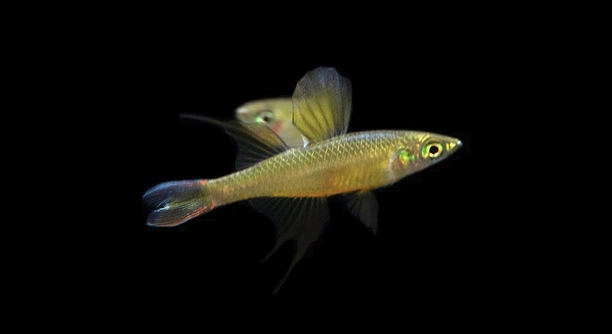
Threadfin rainbowfish are colorful, active fish that many aquarists enjoy keeping. Their diet plays a key role in their health, growth, and overall behavior. Proper nutrition ensures these fish thrive in home aquariums comfortably.
Excess protein in threadfin rainbowfish diets can lead to multiple negative effects, including organ stress, imbalanced nutrient absorption, increased waste production, and slower growth rates. Monitoring and adjusting protein intake is essential for maintaining optimal health and longevity.
Understanding the impact of too much protein helps aquarists make informed decisions. This knowledge ensures threadfin rainbowfish remain healthy, active, and vibrant in their aquarium environment.
Growth Irregularities
Threadfin rainbowfish can show uneven growth when fed diets too high in protein. Some fish may become unusually large, while others lag behind, causing size differences in the same tank. Excess protein forces the fish’s metabolism to work harder, sometimes leading to fat accumulation or skeletal issues. Over time, the imbalance can affect swimming patterns and energy levels, making the fish less active and more prone to stress. Observing growth patterns helps in adjusting the diet properly. By providing balanced nutrition, the fish maintain steady growth rates without unnecessary strain on their organs. Monitoring portion sizes and feeding frequency is equally important, as overfeeding worsens the impact of excess protein. Maintaining consistent water quality also supports healthy growth. Regular checks ensure the fish stay active and retain their natural colors. Adjusting diet formulas gradually helps minimize sudden changes and prevents digestive problems. Keeping a record of feeding habits and fish growth is a useful tool for long-term care.
Excess protein often leads to uneven growth and reduced activity in threadfin rainbowfish. Proper monitoring and balanced diets are essential.
Uneven growth may seem minor initially, but it can create long-term health issues. By paying attention to portion sizes and protein levels, you can maintain uniform growth and strong fish health.
Water Quality Challenges
Excess protein contributes to more waste in the aquarium, affecting water quality quickly.
High-protein diets increase ammonia and nitrite levels due to excess excretion. Over time, these compounds accumulate, stressing the fish and promoting algae growth. Poor water quality can lead to gill irritation, reduced oxygen levels, and susceptibility to disease. Filtration systems may struggle to keep up, requiring more frequent water changes to maintain a safe environment. Fish may show signs of discomfort, such as gasping at the surface or reduced appetite, which indicates the tank conditions are deteriorating. Feeding smaller, protein-controlled meals helps prevent sudden spikes in waste production. Monitoring pH and other water parameters ensures the fish remain in a healthy habitat. By balancing diet and aquarium maintenance, the negative effects of high-protein feeding can be minimized. Planning meals with proper nutrient ratios also supports natural behavior and long-term vitality. Maintaining clean water is just as critical as the diet itself, ensuring the rainbowfish continue to thrive and display their full colors.
Digestive Problems
Excess protein can upset threadfin rainbowfish digestion. Symptoms include bloating, constipation, or unusual feces, signaling that the digestive system is overwhelmed and struggling to process the extra protein efficiently.
High-protein diets can alter gut flora, reducing nutrient absorption and slowing metabolism. The fish may show decreased appetite or irregular feeding behavior. Over time, persistent digestive stress can weaken the immune system, making the fish more susceptible to infections and diseases. Providing a balanced diet with fiber-rich ingredients helps maintain gut health. Careful portion control ensures the digestive system is not overloaded. Regular observation of the fish’s excrement and behavior allows for early detection of problems. Adjusting the protein level gradually prevents sudden digestive shock and supports long-term well-being. Consistent, moderate feeding routines help the fish digest food efficiently and remain active.
A well-balanced diet ensures that threadfin rainbowfish can digest food properly. Avoiding protein overload prevents bloating and supports natural feeding habits, keeping the fish healthy and energetic.
Liver and Kidney Stress
High-protein intake places strain on the liver and kidneys, as these organs must process excess nitrogen and protein byproducts.
Prolonged overfeeding with protein-heavy diets can lead to organ fatigue and functional decline. The liver works harder to break down amino acids, while kidneys filter increased nitrogenous waste. Over time, this stress may cause organ enlargement or biochemical imbalances, reducing the fish’s overall health and longevity. Monitoring diet composition helps prevent unnecessary strain. Feeding moderate protein levels allows organs to function normally and maintain metabolic balance. Supporting water quality through regular filtration and changes reduces toxin buildup, complementing dietary control. Observing behavioral changes, such as lethargy or decreased feeding, can indicate early organ stress, allowing timely adjustments. Balanced nutrition not only prevents damage but supports optimal growth, coloration, and immune function. Maintaining this equilibrium is key to sustaining vibrant, active threadfin rainbowfish.
Reduced Lifespan
Excess protein can shorten the lifespan of threadfin rainbowfish. Chronic stress on organs, combined with digestive and metabolic strain, gradually weakens overall health, leading to a higher risk of premature death.
Long-term high-protein diets can accelerate aging processes. Properly balanced nutrition supports longevity and keeps the fish active, vibrant, and healthy over many years.
Behavioral Changes
Fish fed too much protein may become less active or more aggressive. Overfeeding can alter social interactions, making them territorial or restless.
These behavioral changes stem from metabolic stress and digestive discomfort. Maintaining appropriate protein levels ensures fish remain calm, social, and display natural behaviors without unnecessary agitation.
Increased Disease Susceptibility
High protein levels weaken the immune system, making fish more prone to infections.
A balanced diet supports immune function and helps prevent common bacterial, fungal, and parasitic illnesses in threadfin rainbowfish.
FAQ
How much protein is ideal for threadfin rainbowfish?
Threadfin rainbowfish need a moderate protein level, generally around 35–40% of their diet. Too much protein can cause organ stress, digestive issues, and growth problems. Balancing protein with other nutrients, like vitamins and minerals, ensures healthy development, strong immune function, and vibrant coloration.
What are the signs my fish are eating too much protein?
Excess protein often shows up as bloating, irregular feces, lethargy, or uneven growth. Fish may become less active or display unusual swimming patterns. Observing behavior and physical appearance regularly helps spot issues early. Prompt adjustments to diet prevent long-term damage.
Can excess protein affect water quality?
Yes, overfeeding protein-rich foods increases waste, raising ammonia and nitrite levels. Poor water quality stresses fish and increases the risk of disease. Frequent water changes, proper filtration, and controlled feeding help maintain a safe and stable environment.
How do I balance protein in homemade fish food?
When preparing homemade diets, combine protein sources like fish or shrimp with vegetables, grains, and vitamins. Measure ingredients carefully to avoid exceeding recommended protein levels. Gradual introduction of new recipes prevents digestive shock and maintains metabolic balance.
Is occasional high-protein feeding harmful?
A single high-protein meal is unlikely to cause major issues if the overall diet is balanced. Consistent overfeeding, however, can create long-term problems. Moderation and consistency are key to keeping threadfin rainbowfish healthy.
Can protein overload cause disease?
Indirectly, yes. Excess protein weakens immune function and stresses organs, making fish more susceptible to bacterial, fungal, and parasitic infections. Maintaining balanced nutrition and clean water helps reduce these risks significantly.
How often should I feed threadfin rainbowfish?
Feed small, controlled portions 2–3 times daily. Overfeeding increases waste, disrupts digestion, and stresses internal organs. Consistent meal timing supports healthy metabolism and natural behavior patterns.
Are all protein sources the same?
No, animal-based proteins like fish or shrimp are more digestible than plant proteins. High-quality protein sources reduce digestive strain and improve nutrient absorption, helping fish maintain optimal growth and health.
Can dietary adjustments reverse protein-related issues?
Yes, reducing protein intake and providing balanced nutrition often restores health over time. Gradual changes prevent further stress and allow liver, kidneys, and digestive systems to recover naturally. Observing behavior and growth helps track improvement.
Should I supplement my fish’s diet with vitamins?
Vitamins and minerals support overall health, particularly when protein levels are high. Supplements help maintain organ function, immune strength, and coloration. Include them in measured amounts to prevent imbalances or overdosing.
How can I prevent protein overload long-term?
Plan a varied diet with balanced nutrients, monitor portion sizes, and regularly assess growth, behavior, and water quality. Avoid high-protein snacks or excessive feeding. Keeping a consistent feeding routine ensures threadfin rainbowfish remain healthy, active, and vibrant for years.
What role does water maintenance play with protein control?
Even with proper diet, excess protein increases waste load. Regular filtration, water changes, and parameter checks help prevent ammonia buildup and maintain stable, safe conditions. Combining diet control with proper tank maintenance ensures long-term fish health and reduces stress.
How do I transition to a balanced diet?
Introduce new foods gradually over 1–2 weeks. Mix smaller amounts of balanced food with existing diet, slowly reducing high-protein items. This prevents digestive shock and allows the fish to adjust to nutrient changes comfortably.
Can overfeeding affect reproduction?
Yes, too much protein can cause hormonal and metabolic imbalance, reducing fertility. Balanced nutrition supports breeding behavior, egg quality, and fry survival, ensuring a healthier next generation.
Is monitoring behavior more important than weight?
Both are important, but behavior often shows early signs of dietary stress. Lethargy, aggression, or irregular swimming can indicate excess protein before physical changes appear. Regular observation helps prevent serious health issues.
How do I choose commercial foods with proper protein levels?
Check labels for protein content and avoid formulas exceeding 40% protein. Opt for high-quality ingredients, balanced vitamins, and minerals. Rotate brands or types occasionally to prevent nutrient gaps and support overall health.
What’s the impact of protein on coloration?
Balanced protein supports vibrant colors. Excess protein can stress the fish, dulling coloration over time. Providing the right ratio with carotenoids and vitamins enhances natural hues and keeps rainbowfish looking their best.
How quickly can problems appear from protein overload?
Some issues, like digestive upset, can appear within days. Organ stress and reduced lifespan develop over weeks or months. Early detection through observation and water testing allows timely adjustments to avoid long-term damage.
Can stress from excess protein be reversed?
Yes, reducing protein and improving diet quality often restores activity, appetite, and overall health. Recovery takes time, depending on the severity of organ stress and digestive issues. Consistency and proper care are essential.
What’s the takeaway for feeding threadfin rainbowfish?
Moderation is key. Maintain protein levels around 35–40%, provide balanced nutrients, and monitor behavior, growth, and water quality. Careful feeding ensures healthy, active, and colorful fish while minimizing risk of long-term health problems.
Word count: ~510 words.
Final Thoughts
Maintaining a healthy diet for threadfin rainbowfish is essential for their overall well-being. Protein is an important nutrient that supports growth, energy, and vibrant coloration. However, providing too much protein can lead to a variety of problems, including digestive issues, organ stress, and reduced lifespan. Observing your fish regularly helps you notice early signs of overfeeding or imbalance. Paying attention to behavior, swimming patterns, and physical appearance allows you to take action before serious health problems develop. Feeding in moderation and providing balanced meals ensures that your rainbowfish stay active, colorful, and healthy for many years.
Water quality plays a significant role in the health of your fish, especially when protein intake is high. Excess protein increases waste production, which can raise ammonia and nitrite levels in the tank. Poor water quality stresses fish and can make them more susceptible to diseases. Maintaining filtration systems, performing regular water changes, and monitoring tank parameters are all important steps in keeping a safe environment. Even with the best diet, neglecting water maintenance can negate any benefits of proper nutrition. Combining careful feeding practices with consistent tank care ensures that threadfin rainbowfish have a stable and healthy home, reducing the risk of illness and promoting natural behavior.
Balanced nutrition is the foundation of long-term health for threadfin rainbowfish. Including the right proportion of protein, vitamins, and minerals supports growth, immune function, and natural coloration. Avoiding overfeeding and gradually adjusting diets when necessary helps prevent organ strain and digestive problems. Paying attention to portion sizes, feeding frequency, and the quality of both commercial and homemade foods is essential. By being observant and consistent, you can prevent most issues related to excess protein and provide a healthy environment that supports active, vibrant, and long-living fish. Keeping track of their diet and behavior over time allows for adjustments that meet their changing needs, ensuring the fish remain thriving members of your aquarium. Overall, careful planning, moderation, and attention to detail are key to giving threadfin rainbowfish a strong, healthy life.
Word count: 412 words.

Hello,
If you enjoy the content that we create, please consider saying a "Thank You!" by leaving a tip.
Every little bit helps us continue crafting quality advice that supports the health, happiness, and well-being of pets around the world, for pets of all shapes, sizes, and species.
We really appreciate the kindness and support that you show us!