
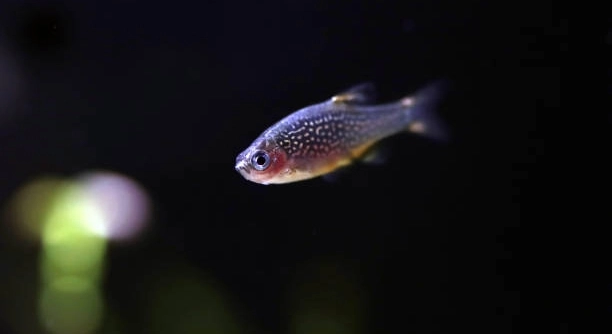
Danios are popular freshwater fish known for their bright and lively colors. Many owners enjoy watching them swim, but sometimes their vibrant hues start to fade, leaving fish that look dull and less healthy.
Color fading in Danios is commonly caused by poor water quality, improper diet, stress, inadequate lighting, aging, disease, or genetic factors. These elements affect pigmentation and overall health, resulting in a noticeable reduction in the intensity of their natural colors.
Identifying these causes early helps maintain healthy, colorful Danios and ensures a more vibrant aquarium environment for both fish and owner.
Poor Water Quality
Maintaining clean water is essential for Danios. Dirty or unbalanced water can stress fish and lead to color loss over time. High ammonia, nitrite, or nitrate levels are especially harmful. Filtration systems help, but they need regular maintenance. Frequent partial water changes prevent toxins from building up. Using a reliable water testing kit ensures parameters stay within safe ranges. Temperature fluctuations can also affect coloration, so keep water stable. Avoid overfeeding, as leftover food decomposes and pollutes the water. Clean gravel and decorations periodically to remove debris. Even small changes in water chemistry can cause stress that dims colors. Observing fish behavior helps detect problems early. Healthy water promotes vibrant pigmentation and overall well-being. Consistency is more important than extreme measures.
Regular water testing and weekly partial changes help maintain clean, balanced water, supporting the natural coloration of Danios and keeping them healthy over time.
Keeping water clean is not just about aesthetics. Clear, balanced water reduces stress, prevents disease, and ensures Danios retain bright, lively colors. Proper filtration, stable temperature, and routine maintenance make a big difference in fish health. Healthy water supports feeding habits, activity levels, and coloration. Even minor water issues can affect pigmentation. Consistent care prevents long-term fading and improves fish vitality. Monitoring water parameters closely allows for quick corrections, keeping Danios colorful and active. By maintaining the right conditions, you help fish thrive while enjoying a visually appealing aquarium.
Improper Diet
A poor diet can cause Danios to lose their natural vibrancy. Feeding low-quality or monotonous foods deprives them of essential nutrients. Varied diets, including high-quality flakes, pellets, and occasional live or frozen foods, promote bright pigmentation and overall health. Color-enhancing foods with carotenoids help maintain red, orange, and yellow tones. Overfeeding should be avoided to prevent obesity and water quality issues.
Feeding small, frequent portions of nutrient-rich foods improves color retention and supports immune function.
Diet directly affects pigment cells in Danios. Carotenoids, found in shrimp, krill, and certain vegetables, are absorbed and stored in skin cells, enhancing reds and oranges. Proteins and vitamins are also critical for maintaining overall health and preventing stress-induced fading. A varied diet encourages natural foraging behavior and keeps fish active. Avoid relying solely on one type of food, as deficiencies can show quickly in color loss and lethargy. Rotating foods and offering occasional live options provide balanced nutrition and mental stimulation. Monitoring eating habits ensures each fish receives enough nutrition. Proper feeding helps Danios display their full potential, keeping them bright and lively. Regular dietary adjustments as fish grow and seasons change can also enhance long-term color stability.
Stress
Stress in Danios can quickly lead to dull colors. Overcrowding, aggressive tank mates, sudden changes, or poor water conditions are common stressors. Stress suppresses immune function and reduces pigment expression, making fish appear washed out.
Chronic stress has a direct effect on coloration and overall health. When fish are constantly stressed, their bodies produce more cortisol, which interferes with pigment cells and weakens the immune system. Stressed Danios may hide, swim erratically, or lose appetite. Proper tank setup, compatible companions, and stable conditions help reduce stress. Observing fish behavior daily allows early detection of stress factors, letting adjustments be made before colors fade permanently.
Managing stress involves consistent routines and an environment that feels safe for Danios. Proper lighting, hiding spots, and avoiding sudden disturbances create stability. Keeping compatible species together and not overcrowding the tank prevents constant conflict. Even small changes, like gradual temperature adjustments and regular feeding schedules, help fish feel secure. Reducing stress also improves appetite, encouraging nutrient intake that supports pigmentation. Over time, calm, stable conditions restore natural coloration, making Danios look vibrant and healthy. Attention to subtle behavioral cues can prevent long-term color loss and improve overall vitality.
Inadequate Lighting
Insufficient lighting reduces the intensity of Danio colors. Natural or full-spectrum lighting enhances pigment visibility, while dim or inconsistent light dulls fish appearance.
Proper lighting influences color development and daily activity patterns. Light affects melanin and carotenoid expression, which are responsible for bright reds, oranges, and yellows. Without enough light, these pigments fade, leaving fish looking pale. Consistent photoperiods of 8–10 hours a day support healthy coloration and behavior. Avoid overly harsh lighting, which can stress fish or promote algae growth. Observing color changes under proper light helps identify problems early and adjust care accordingly.
Lighting should mimic natural cycles while highlighting Danio colors. Using LED or fluorescent full-spectrum lights improves visual appeal and supports pigment health. Consistency is key, with timed periods of light and darkness helping regulate stress hormones and feeding habits. Shadows and decorations provide resting areas that prevent overstimulation. Proper light intensity encourages activity, making colors appear more vibrant during the day. Adjusting the distance and duration of lighting helps maintain pigment balance without causing strain. Combining lighting with other factors like diet and water quality ensures Danios maintain bright, healthy coloration.
Aging
As Danios get older, their colors naturally fade. Older fish may appear paler or less vibrant, even in ideal conditions. Aging affects pigment cells and metabolism, which reduces the intensity of reds, blues, and yellows.
Older Danios may also become less active, which can make fading more noticeable. Maintaining good care helps slow the visible effects of aging.
Disease
Illness can cause Danios to lose color rapidly. Bacterial, fungal, or parasitic infections often result in pale or patchy skin. Early detection is crucial. Healthy water, quarantine procedures for new fish, and prompt treatment help prevent outbreaks and minimize color loss.
Genetic Factors
Some Danios naturally have weaker pigmentation due to genetics. Selective breeding can produce fish with less intense coloration. Genetics determine the base color and pattern, so even with ideal care, some fish may remain less vibrant than others.
Inconsistent Environment
Sudden changes in temperature, pH, or lighting can stress Danios and lead to fading. Consistent conditions are essential for maintaining vibrant colors. Gradual adjustments prevent shock and allow fish to adapt without losing pigmentation.
FAQ
Why is my Danio losing color even though the water looks clean?
Clean-looking water does not always mean it is chemically balanced. Ammonia, nitrite, and nitrate levels can rise unnoticed, stressing your fish. Even small imbalances affect pigment expression. Regular testing and partial water changes are essential to maintain safe conditions and vibrant colors.
Can diet really improve my Danio’s color?
Yes. Pigment cells rely on specific nutrients like carotenoids, vitamins, and proteins. Feeding high-quality flakes, pellets, and occasional live or frozen foods helps restore red, yellow, and orange tones. Rotating foods also ensures fish get all necessary nutrients to support healthy coloration.
How much does stress affect coloration?
Stress directly reduces color intensity. Overcrowding, aggressive tank mates, or sudden environmental changes can trigger cortisol production, which interferes with pigment cells. Providing hiding spots, compatible companions, and a stable environment prevents fading and promotes overall health. Observing behavior helps detect early signs of stress.
Will aging always make my Danio pale?
Some fading is natural as Danios grow older. Metabolism slows, and pigment cells become less active. While proper diet and water quality can slow color loss, older fish may never be as vibrant as younger ones. Maintaining optimal care still helps keep colors as bright as possible.
How important is lighting for Danio coloration?
Lighting significantly influences color visibility. Full-spectrum or natural light enhances pigments, while dim or inconsistent light dulls appearance. A consistent photoperiod of 8–10 hours supports healthy behavior, reduces stress, and helps pigments develop naturally. Avoid harsh lighting that can cause stress or algae overgrowth.
Can disease be reversed once color fades?
Sometimes. Bacterial, fungal, or parasitic infections can cause rapid fading. Early detection and prompt treatment are key. Quarantining new fish, maintaining water quality, and observing symptoms like lethargy, clamped fins, or white patches help prevent permanent color loss. Timely care improves chances of recovery.
Are some Danios naturally less colorful?
Yes. Genetics play a role in base pigmentation and patterns. Some Danios will never display extremely bright colors despite perfect care. Selective breeding can enhance certain traits, but inherent genetic limits remain. Focus on overall health to maximize the color they can naturally show.
How quickly can color return after improving conditions?
It varies. Some Danios show improvement within days if stress, diet, or water issues are corrected, while others may take weeks. Continuous care, proper nutrition, and stable conditions allow pigment cells to recover gradually. Patience and consistency are essential for restoring vibrant colors.
Can inconsistent environmental conditions cause permanent fading?
Frequent changes in temperature, pH, or lighting can stress fish and reduce pigment expression. Short-term issues may be reversible, but prolonged stress can lead to permanent fading. Gradual adjustments and maintaining stable conditions prevent shock and preserve natural coloration over time.
Is it possible to prevent color fading entirely?
While you cannot stop aging or genetic limits, careful care prevents most fading caused by diet, stress, disease, or poor water conditions. Consistent maintenance, nutrient-rich feeding, and observing behavior ensure Danios remain as colorful and healthy as possible throughout their life.
Final Thoughts
Maintaining vibrant colors in Danios requires attention to several factors at the same time. Water quality is the foundation of healthy fish. Even if water looks clear, chemical imbalances can stress Danios and cause fading. Regular testing for ammonia, nitrites, and nitrates, along with consistent partial water changes, helps prevent these problems. Filtration systems are useful, but they need routine cleaning and maintenance to remain effective. Temperature stability also plays a key role. Sudden fluctuations, even small ones, can impact pigment expression and general well-being. Paying close attention to water conditions creates a stable environment, which supports both health and coloration.
Diet is another major factor that directly affects how bright Danios appear. A varied and nutrient-rich diet provides the necessary building blocks for pigment cells. Flakes or pellets with high-quality proteins, vitamins, and carotenoids support red, orange, and yellow tones. Including occasional live or frozen foods helps maintain variety and stimulates natural feeding behaviors. Overfeeding should be avoided, as leftover food can pollute the water and cause stress. Observing feeding patterns allows you to make sure each fish is getting proper nutrition. Consistency in diet over time ensures that pigment cells stay active and healthy, helping the fish maintain their natural colors even as they grow older.
Stress and environmental factors also play a significant role in color fading. Overcrowding, aggressive tank mates, inconsistent lighting, or sudden changes in water conditions can all trigger stress, which suppresses pigment expression and weakens the immune system. Providing hiding spots, stable lighting schedules, and compatible companions helps reduce tension. Even subtle behavioral cues, such as hiding, decreased appetite, or erratic swimming, can indicate stress before fading becomes noticeable. While aging and genetics naturally limit how colorful Danios can be, proper care ensures that they retain the brightest possible appearance for their lifespan. Focusing on clean water, balanced nutrition, and a stable environment allows your Danios to thrive and display the full vibrancy they are capable of.

Hello,
If you enjoy the content that we create, please consider saying a "Thank You!" by leaving a tip.
Every little bit helps us continue crafting quality advice that supports the health, happiness, and well-being of pets around the world, for pets of all shapes, sizes, and species.
We really appreciate the kindness and support that you show us!