
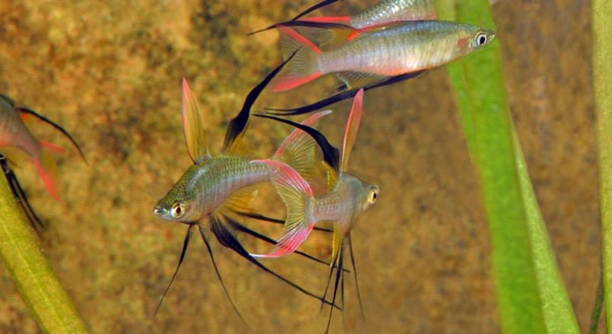
Do you ever find yourself watching your threadfin fish and noticing that it sometimes avoids joining the group, leaving you slightly puzzled?
A threadfin may refuse to school due to environmental stressors, health issues, improper tank conditions, or social dynamics within the group. Identifying these factors is essential to ensuring the fish’s well-being and promoting proper schooling behavior.
Understanding these reasons will help you create a healthier environment, reduce stress, and encourage your threadfin to thrive alongside its companions.
Stress from the Environment
Threadfin fish are sensitive to changes in their surroundings, and stress often plays a large role in their refusal to school. Loud noises, sudden movements, or even frequent tank maintenance can create unease. Inconsistent lighting schedules or bright, harsh lighting can also disrupt their comfort. Poor water quality, including high ammonia or nitrite levels, is another leading factor that stresses these delicate fish. Even subtle shifts in temperature may influence their behavior. When stress levels increase, a threadfin will often isolate itself instead of swimming with others. These behaviors are signals that the environment is overwhelming. By addressing stress, owners can encourage healthier habits and create a more stable aquarium. Watching your fish closely allows you to spot small changes before they become larger problems. The more stable the environment, the more likely your threadfin will feel safe enough to school naturally and consistently with its group.
A threadfin that feels unsafe will avoid schooling, preferring to stay near hiding places. Stability is the key to restoring group behavior and easing stress.
Taking steps to reduce stress involves creating a predictable routine for your fish. Simple practices like dimming lights before shutting them off can help. Regular water testing is also vital, ensuring the water remains stable and free of harmful chemicals. Adding live plants or decorations provides cover, helping threadfin fish feel more secure. Avoiding sudden tank movements is also beneficial. Patience is important, as even minor changes may take time to show positive results. Over time, the fish will recognize the environment as safe and predictable, allowing them to return to normal behaviors. A balanced environment encourages schooling and supports long-term well-being.
Health Concerns
Illness can cause a threadfin to separate itself from the group, as weakened fish often conserve energy by avoiding social swimming. Observing signs like unusual swimming patterns or a lack of appetite can help you identify potential health issues.
When health is the reason behind isolation, it is essential to act quickly. Threadfins are prone to various conditions, including bacterial infections, parasites, or fin damage from tankmates. Quarantining the affected fish can prevent the spread of disease and allow for closer monitoring. Treatments may include medicated food, water additives, or prescribed remedies depending on the diagnosis. Maintaining clean water and providing a balanced diet will strengthen immunity and reduce the likelihood of illness. It is also helpful to avoid overstocking, as overcrowded tanks often increase the spread of disease. Paying attention to even subtle changes can make a significant difference. Addressing health promptly not only restores schooling behavior but also ensures the long-term vitality of your fish.
Tank Size and Space
A tank that is too small limits movement and can prevent threadfin fish from feeling comfortable enough to school. Limited swimming space often causes them to scatter or retreat to corners rather than swimming together naturally.
Threadfin fish thrive in larger tanks where they have room to glide freely without obstacles restricting their paths. A spacious environment helps reduce territorial disputes and ensures each fish has enough personal space to feel safe. Overcrowding in small tanks often forces them into hiding, which leads to fewer opportunities for schooling behavior. When they cannot swim naturally, they may become stressed or show signs of isolation. Proper tank size is not only about space but also about giving them a balanced, comfortable environment. A roomy tank encourages natural behaviors, allowing them to move together as a group more consistently.
Providing a tank with open swimming areas and some structured hiding spots creates balance. Plants and decorations placed thoughtfully can give fish cover without restricting schooling movement. Ensuring adequate water flow also keeps the environment stimulating while supporting natural swimming patterns. When the setup is right, threadfins are more confident and willing to join others. Adjusting the tank size or layout may seem like a small detail, but it plays an important role in maintaining group behavior. Watching them swim freely and interact is a rewarding outcome of giving them the right space.
Social Dynamics
Threadfin fish may avoid schooling if group interactions create tension. Hierarchies often form in aquariums, and weaker fish can become excluded. This can lead to isolating behavior, especially if one or two fish dominate swimming areas or food sources.
When social imbalance occurs, adding more threadfins can help spread out aggression and reduce the chance of one fish being targeted. Larger groups create a sense of security, as individuals are less likely to be singled out. Providing multiple feeding spots also ensures every fish has equal access to food, reducing stress during mealtimes. Tankmates also matter—peaceful companions support healthy schooling, while aggressive species discourage it. Careful observation helps identify when social tension is present. Addressing these dynamics encourages threadfins to feel secure within their group. A balanced social structure promotes stronger schooling behavior and supports overall tank harmony, making the environment more enjoyable and less stressful.
Water Quality Issues
Poor water conditions discourage threadfins from schooling, as toxins like ammonia or nitrite cause discomfort and stress. Regular water testing, proper filtration, and consistent water changes are necessary to maintain a stable environment that supports natural group swimming.
Even small fluctuations in pH or temperature can affect their behavior. Threadfins thrive in stable conditions, so keeping parameters consistent is essential. Clean water not only prevents illness but also creates an environment where threadfins feel comfortable enough to display natural schooling behavior without hesitation.
Feeding Problems
Unequal feeding can disrupt schooling, as weaker threadfins may withdraw to avoid competition during mealtimes. Spreading food across different areas allows every fish access, reducing tension and encouraging group swimming. A balanced diet also strengthens immunity, supporting both health and social behavior.
Lighting Conditions
Lighting that is too bright or inconsistent can make threadfins feel exposed and unsafe. Soft, steady lighting creates a calmer environment that supports natural schooling. A consistent day-night rhythm helps regulate their behavior, making them more comfortable joining their group.
FAQ
Why is my threadfin refusing to school even though the tank looks fine?
Even if your tank seems fine, subtle factors can influence behavior. Minor changes in water quality, temperature shifts, or unbalanced social dynamics can stress threadfins. They may also feel unsafe due to nearby movements outside the tank or sudden changes in lighting. Observing their behavior closely and testing water regularly helps identify the root cause.
Can illness cause a threadfin to stop schooling?
Yes, illness is a common reason. Infected or weakened fish often isolate themselves to conserve energy. Symptoms may include slower swimming, loss of appetite, or discoloration. Quarantining the affected fish, providing proper treatment, and maintaining clean water can restore both health and normal schooling behavior.
Does tank size really affect schooling?
Absolutely. Small or overcrowded tanks restrict movement, which can make threadfins avoid group swimming. Adequate space allows them to swim naturally and reduces stress. Adding open areas with some structured hiding spots ensures they feel safe while still encouraging schooling behavior.
How does water quality impact schooling behavior?
Poor water quality, like high ammonia or nitrite levels, stresses threadfins and discourages social swimming. Consistent water changes, proper filtration, and monitoring pH and temperature levels create a comfortable environment. Stable, clean water promotes natural behavior, including active and coordinated schooling.
Can feeding routines influence schooling?
Yes, feeding habits can affect social behavior. Unequal food distribution may cause weaker fish to hide or avoid the group. Spreading food across multiple locations ensures all fish get enough, reducing tension and encouraging them to swim together more freely. A balanced diet also strengthens their health.
Do lighting conditions matter for schooling?
Lighting plays a significant role. Bright or inconsistent lighting can make threadfins feel exposed and insecure, discouraging group behavior. Soft, steady lighting and a regular day-night cycle help them feel comfortable and support consistent schooling. Adjusting lighting gradually can improve their confidence in swimming together.
Can stress from tankmates prevent schooling?
Yes, aggressive or overly dominant tankmates can discourage a threadfin from joining the group. Observing interactions and ensuring compatible companions are important. Providing more hiding spots or adjusting group composition reduces stress, giving threadfins the confidence to school naturally.
How long does it take for a threadfin to return to normal schooling after a problem?
The timeline varies depending on the cause. Minor environmental or social adjustments may show results in a few days. Health issues or severe stress may require weeks for recovery. Consistency in water quality, feeding, and tank conditions is essential to restoring schooling behavior effectively.
Are there any signs that my threadfin is ready to school again?
Watch for increased swimming activity, curiosity, and willingness to move with other fish. When they start exploring open areas without hesitation and gradually join the group, it indicates comfort is returning. Maintaining supportive conditions accelerates this progress and reinforces natural schooling patterns.
Is it normal for a threadfin to school less as it ages?
Some decrease in activity can occur with age, but refusal to school often indicates an underlying problem rather than a natural change. Monitoring health, environment, and social interactions ensures that aging fish remain active and able to participate in schooling behavior.
Can adding more threadfins help a reluctant fish school?
Adding more fish can sometimes balance social dynamics, reducing the attention on a single isolated fish. A larger group often provides security, making it easier for a threadfin to feel comfortable joining the school. However, tank space must be sufficient to prevent overcrowding and further stress.
Do decorations or plants affect schooling?
Yes, they can help or hinder. Properly placed plants and hiding spots make threadfins feel secure while still leaving open areas for swimming. Too many obstructions may fragment the group and discourage schooling. Thoughtful tank design promotes both comfort and natural group behavior.
Can temperature fluctuations cause threadfins to avoid schooling?
Yes, threadfins are sensitive to temperature changes. Even slight fluctuations can cause stress, leading to isolation. Maintaining stable water temperature and avoiding sudden changes supports comfort, health, and the willingness to school. Consistent heating and monitoring equipment are key.
Is it normal for threadfins to school only at certain times?
Some fish may school more actively at specific times, often linked to feeding or lighting cycles. Observing patterns helps determine whether behavior is normal or a sign of stress, poor water quality, or social tension. Ensuring consistent routines encourages regular schooling.
What should I do if my threadfin never schools?
First, assess all environmental, social, and health factors. Test water quality, review tankmates, and check for signs of illness. Adjust tank layout, feeding routines, and lighting as needed. If problems persist, consulting an experienced aquarist or veterinarian can provide guidance to improve schooling behavior.
Final Thoughts
Threadfin fish are delicate and social creatures that rely on a stable environment to feel safe and display natural schooling behavior. Observing them carefully can reveal a lot about their well-being, as changes in their behavior often signal underlying issues. Stress, illness, poor water quality, and social imbalance are common reasons why a threadfin may refuse to school. Each of these factors impacts their comfort and confidence in different ways, but all can be managed with careful attention and consistent care. Paying attention to subtle changes, such as slower swimming, hiding more often, or avoiding companions, is crucial. These behaviors are not just quirks—they are signals that something in the tank may need adjustment. By addressing the root causes, you can help your threadfin regain its natural instincts and enjoy healthier interactions with its group. Proper care goes beyond just feeding and cleaning; it involves observing and responding to the fish’s needs in a way that promotes comfort, confidence, and stability.
Maintaining good water quality is one of the most important steps in encouraging schooling behavior. Regular testing for ammonia, nitrites, nitrates, and pH levels ensures the water remains safe and consistent. Temperature stability is also critical, as sudden fluctuations can stress threadfins and discourage group swimming. Tank size and layout play a significant role as well. Providing enough open swimming space, along with strategically placed hiding spots, allows fish to feel secure while still having room to interact naturally. Lighting routines should be predictable, soft, and steady, helping to maintain their natural rhythms and reduce stress. Feeding practices are equally important—spread food across the tank to prevent competition and make sure every fish gets enough nutrition. A balanced diet supports their health, energy levels, and social behavior. Taking these steps consistently ensures that the environment encourages comfort, social interaction, and natural schooling instincts.
Social dynamics within the tank also require attention. Threadfins may avoid schooling if there is aggression, territorial behavior, or imbalance in group size. Observing interactions and adjusting tankmates or the number of fish can reduce tension and promote harmony. Illness should be addressed promptly, as sick fish often isolate themselves and risk spreading disease to the group. Quarantining and treating affected fish, while maintaining clean water and a stable environment, helps restore both health and social confidence. Patience is key, as changes in behavior may take days or weeks to stabilize. By carefully monitoring and adjusting environmental, dietary, and social factors, you can create a setting where threadfins feel secure and confident enough to swim together naturally. Consistent attention and thoughtful care allow these fish to thrive, enjoy a sense of safety, and return to healthy schooling behavior over time.

Hello,
If you enjoy the content that we create, please consider saying a "Thank You!" by leaving a tip.
Every little bit helps us continue crafting quality advice that supports the health, happiness, and well-being of pets around the world, for pets of all shapes, sizes, and species.
We really appreciate the kindness and support that you show us!