
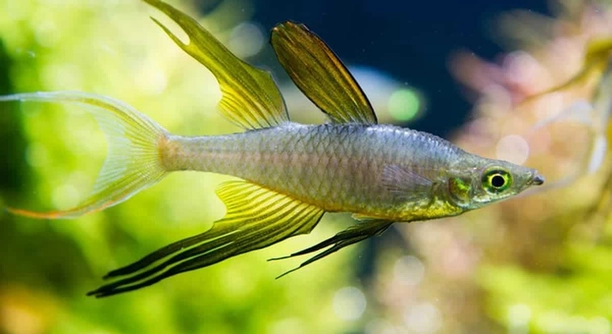
Threadfin Rainbowfish are admired for their shimmering colors and graceful movements in aquariums. Their vibrant fins and active nature often make them stand out among other freshwater fish in both appearance and behavior.
Dominant Threadfin Rainbowfish display unique traits such as heightened territorial behavior, intensified coloration, consistent social hierarchy, increased activity levels, selective feeding patterns, adaptive mating displays, and pronounced fin extensions, distinguishing them clearly from less dominant counterparts in controlled aquatic environments.
Observing these traits provides insight into their behavior, helping aquarists maintain a balanced and healthy environment for their rainbowfish.
Heightened Territorial Behavior
Dominant Threadfin Rainbowfish often claim specific areas in the tank as their own. They patrol these spaces regularly, chasing away intruders or less assertive fish. This behavior is more noticeable when the tank is crowded or when multiple males are present. Maintaining distinct territories helps reduce conflict and establishes a clear social structure. Observing their patrolling patterns can be fascinating, as they often return to the same spots and react quickly to any movement nearby. Tank decorations, plants, and hiding spots can influence how territories form and how effectively a dominant fish can control its area. Understanding this behavior helps aquarists anticipate interactions and minimize stress. Over time, dominant fish may even show preference for certain perches or areas that allow them a better view of the tank, demonstrating their awareness of surroundings and social hierarchy.
Territorial dominance also impacts feeding. Fish that control prime areas often access food first, influencing growth and health.
Careful tank arrangement encourages natural behavior while preventing unnecessary aggression, making observation easier and more rewarding.
Intensified Coloration
Dominant males display brighter and more vivid colors compared to others. Their scales often shimmer with noticeable intensity, reflecting health and confidence. This visual display communicates their status to other fish.
Brighter coloration is influenced by diet, lighting, and water quality. Maintaining optimal conditions enhances natural hues.
Intensified coloration serves multiple purposes. It attracts potential mates while signaling strength to rivals. Less dominant males usually have muted tones, which reduces conflict and allows them to coexist peacefully. Aquarists often notice that dominant fish develop brighter fins first, and these can extend longer than others. Seasonal changes or breeding periods can also enhance these colors temporarily. By observing these visual cues, caretakers can monitor health, dominance shifts, and social interactions within the tank. Consistently clean water, balanced nutrition, and sufficient lighting ensure that the rainbowfish display their full color potential, reflecting their dominant status naturally.
Consistent Social Hierarchy
Dominant Threadfin Rainbowfish quickly establish a clear pecking order. Subordinate fish recognize and respect this hierarchy, reducing conflicts within the tank.
Social hierarchy is maintained through subtle displays and occasional confrontations. Dominant fish assert their position with fin flaring, chasing, or gentle nudges. These interactions are brief but frequent, helping each fish understand its role. Subordinates avoid direct challenges, which minimizes stress. Over time, even minor shifts in dominance become apparent, often when a younger or healthier fish grows stronger. Observing these patterns helps manage tank dynamics effectively, ensuring that all fish coexist with minimal aggression and stress, maintaining a stable environment.
Understanding this hierarchy also aids feeding strategies. Dominant fish eat first, so careful food distribution ensures that subordinate fish receive enough nutrition, promoting overall tank health.
Increased Activity Levels
Dominant fish are more active throughout the day, exploring the tank and interacting with others. Their movements are purposeful and confident.
Higher activity reflects their confidence and territorial control. Dominant Threadfin Rainbowfish patrol their areas frequently, often covering the entire tank. This constant motion allows them to monitor other fish and maintain their dominance. Activity levels can also indicate health, as sluggish behavior may signal illness or stress. Keeping tanks spacious and enriched with plants, rocks, and hiding spots encourages natural exploration while giving all fish space to move. These conditions support physical fitness and reduce aggression caused by overcrowding.
Monitoring activity can reveal shifts in dominance or social tension. When activity patterns change, it may indicate that a subordinate fish is challenging authority or that environmental factors are impacting their comfort. Observing daily routines helps aquarists adjust tank conditions promptly.
Selective Feeding Patterns
Dominant Threadfin Rainbowfish often eat first, choosing preferred foods while leaving less desirable items for others. This behavior reinforces their status within the tank.
They may ignore certain foods or feed more aggressively than subordinate fish. Careful observation ensures all fish receive balanced nutrition and prevents dietary gaps.
Adaptive Mating Displays
During breeding periods, dominant males exhibit elaborate displays to attract females. These include fin spreading, shimmering movements, and chasing rivals away from potential mates. These behaviors enhance reproductive success and signal fitness.
Pronounced Fin Extensions
Dominant fish often grow longer, more noticeable fins compared to subordinates. Extended fins are a visual cue of status and confidence within the tank.
FAQ
How can I tell if my Threadfin Rainbowfish is dominant?
Dominant Threadfin Rainbowfish often show more vibrant colors, longer fins, and confident movements. They patrol their territory regularly, assert themselves during feeding, and maintain a visible presence over other fish. Observing their interactions helps identify which fish is leading the social hierarchy.
Do dominant fish need more space than others?
Yes, dominant fish benefit from larger areas in the tank to patrol and establish territory. Providing ample swimming space, hiding spots, and decorations reduces stress and prevents excessive aggression toward subordinate fish. Proper tank layout ensures a healthy environment for all.
Will dominant fish attack others constantly?
Not always. While they may chase or flare at subordinates, most interactions are brief. Dominance is reinforced through displays rather than continuous aggression. Adequate space, visual barriers, and hiding areas can minimize tension and allow all fish to coexist peacefully.
Can diet affect dominance?
Diet plays a role in health and coloration, which influences dominance. Well-fed fish maintain bright colors and energy levels needed to patrol territory and compete. Uneven feeding may cause subordinates to lag behind, but balanced nutrition ensures that all fish thrive.
Do dominant males intimidate females too?
Typically, dominant males focus their displays on rivals, but females may notice them. The presence of a strong male can encourage breeding behaviors. Female fish generally move freely but may respond to fin displays and shimmering movements during mating periods.
How do I prevent subordinate fish from being stressed?
Providing hiding spots and evenly distributing food helps reduce stress. Visual barriers, plants, and rocks allow subordinates to retreat and feel secure while dominant fish maintain their territory without constant harassment.
Do dominant traits change over time?
Yes, dominance can shift as fish age, grow, or if new fish are introduced. Younger or healthier fish may challenge existing leaders. Monitoring interactions helps aquarists manage social dynamics and maintain a balanced tank.
Are dominant Threadfin Rainbowfish healthier than subordinates?
Not necessarily. Dominance reflects behavior and confidence rather than inherent health. Proper care, diet, and tank conditions are crucial for all fish. Subordinate fish can be just as healthy when given enough space and nutrition to thrive.
Can I have multiple dominant males in one tank?
It is possible but increases the likelihood of conflict. Multiple males may compete aggressively, so a larger tank with clear territories and visual barriers is essential. Observing interactions helps prevent injury and stress among fish.
How do environmental factors influence dominance?
Water quality, tank size, and decorations impact behavior. Clean water, proper lighting, and suitable hiding spots allow fish to express natural behaviors while maintaining social order. Changes in the environment can shift dominance or increase tension.
Is it necessary to separate dominant fish?
Separation is only needed if aggressive behavior causes harm. Otherwise, providing space and environmental enrichment is sufficient. Careful observation ensures that all fish can coexist without injury while natural hierarchies are maintained.
How can I enhance dominant fish coloration?
High-quality food rich in carotenoids, stable water conditions, and proper lighting enhance colors naturally. Dominant males often display the brightest colors, which reflect their health and status within the tank.
Do dominant fish require more care than subordinates?
Not significantly, but monitoring their interactions and ensuring all fish receive enough food is important. Dominant fish can influence tank dynamics, so attentive observation helps maintain a healthy balance for the entire group.
Can stress affect dominance?
Yes, stressed or sick fish may lose their dominant status. Ensuring stable water parameters, proper diet, and sufficient space reduces stress and helps maintain natural social behaviors.
What is the best tank setup for dominant Threadfin Rainbowfish?
A tank with ample swimming space, hiding spots, and visual barriers works best. Decorations such as plants, rocks, and driftwood help define territories and reduce aggression while supporting natural behaviors.
Dominant Threadfin Rainbowfish are fascinating to observe because their behavior reflects confidence, health, and social structure. These fish establish clear hierarchies within the tank, and their presence can influence how all other fish behave. Watching them patrol their territory, flare their fins, or display brighter colors provides insight into their natural instincts. Understanding these behaviors helps aquarists create a stable environment where all fish can coexist. By noticing subtle signs, such as a fish’s positioning, interactions with others, or even changes in color intensity, it becomes easier to identify which fish is dominant and which are more submissive. Maintaining awareness of these dynamics ensures that each fish receives the care and space it needs, reducing stress and potential conflicts.
Proper tank setup plays a key role in supporting dominant Threadfin Rainbowfish. Providing enough swimming space, hiding spots, and decorations allows each fish to establish and maintain territory without unnecessary aggression. Subordinate fish benefit from visual barriers and plant coverage, which give them safe areas to retreat. Additionally, feeding strategies must consider the dominance hierarchy, ensuring that all fish have access to nutrition. Water quality and lighting also impact behavior and coloration. Clean water helps fish stay healthy and active, while appropriate lighting enhances their natural colors, making dominance displays more apparent. These environmental considerations make it possible to support dominant behavior in a way that is natural and sustainable, allowing aquarists to enjoy observing their fish without constantly intervening.
Dominance in Threadfin Rainbowfish is not fixed and can shift over time. Changes in age, health, or the introduction of new fish can alter social structure, and it is important to monitor interactions regularly. By providing a balanced environment, maintaining consistent feeding, and keeping water conditions optimal, aquarists can help ensure that dominance displays do not lead to excessive stress or injury. Observing these fish closely also allows for a deeper appreciation of their natural behavior, from territorial patrols to fin displays and selective feeding. Recognizing and understanding dominant traits ultimately leads to a healthier, more harmonious aquarium, where every fish can thrive in its own role within the social hierarchy.

Hello,
If you enjoy the content that we create, please consider saying a "Thank You!" by leaving a tip.
Every little bit helps us continue crafting quality advice that supports the health, happiness, and well-being of pets around the world, for pets of all shapes, sizes, and species.
We really appreciate the kindness and support that you show us!