
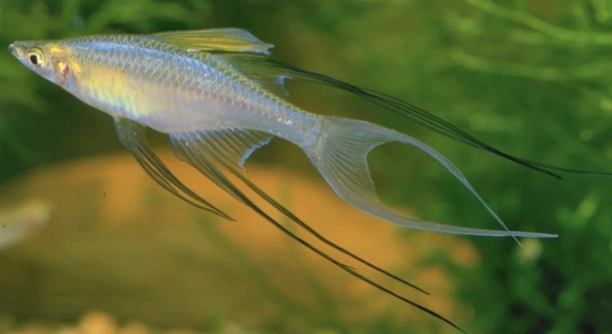
Threadfins are fascinating fish known for their delicate movements and social behavior. Observing their actions can reveal much about how comfortable they feel in their environment. Their confidence reflects the balance of their habitat.
Threadfins exhibit secure behavior through consistent swimming patterns, stable positioning within their habitat, calm reactions to environmental changes, and interactions with tank mates. Recognizing these behavioral indicators allows caretakers to assess fish well-being accurately and promote optimal conditions.
Noticing these subtle behaviors can improve your understanding of their needs and ensure your threadfins thrive in a safe, balanced environment.
Steady and Confident Swimming
Threadfins that feel secure often swim steadily without sudden bursts or erratic movements. Their fins remain relaxed, and they glide through the water smoothly. When threatened, a secure threadfin may pause briefly rather than darting away. These fish explore their environment with calmness, moving between hiding spots and open areas. Observing their swimming patterns can give insight into their comfort level. Stress or insecurity often leads to tight, jerky movements or hiding. In contrast, confident threadfins maintain consistent swimming even when other fish are active. Their behavior signals that the tank setup meets their needs, including proper water quality, temperature, and space. Feeding time can also reflect confidence, as secure fish approach food without hesitation and interact naturally with tank mates.
Stable swimming is a reliable indicator of a threadfin’s comfort and adaptation to its habitat.
Regularly watching your threadfins’ movement patterns helps you ensure they remain healthy and confident, allowing for early detection of stress or discomfort. Observing how they navigate around plants, rocks, or decorations can reveal which areas provide safety or preferred resting spots. A confident fish will explore without fear, interact with other species appropriately, and react calmly to new additions. Tracking these behaviors over time can guide habitat adjustments, such as rearranging structures or increasing swimming space. Ultimately, attentive observation supports long-term well-being and creates a balanced environment that keeps threadfins active, relaxed, and secure.
Interaction with Tank Mates
Secure threadfins interact without aggression or fear, sharing space calmly.
Threadfins that feel safe show healthy social behaviors, such as swimming alongside others, mirroring movements, or gently nudging. They rarely display dominance or avoidance excessively, maintaining balance in group dynamics. This behavior demonstrates adaptation to their surroundings and proper social structure. It indicates both environmental stability and a lack of stressors that might disrupt harmony. Observing these interactions helps caretakers ensure all species coexist peacefully, minimizing conflict.
Careful attention to how threadfins respond to companions provides insights into their comfort level. Fish that feel threatened may isolate, hide, or display rapid flaring, while secure individuals maintain close yet respectful proximity. In mixed-species tanks, secure threadfins balance curiosity with caution, engaging in shared spaces without harassment. Their confidence fosters a healthier environment, reducing stress-related illnesses. Maintaining proper group sizes, providing enough swimming space, and including adequate hiding spots support this behavior. Understanding these interactions allows for better tank management, ensuring each fish can thrive. Watching group dynamics over time helps identify subtle signs of discomfort early, allowing prompt adjustments. By observing social behaviors, caretakers can sustain harmony, encourage natural interactions, and create a stable habitat that promotes long-term security for all threadfins.
Calm Responses to Environmental Changes
Secure threadfins maintain composure when lights shift, water filters turn on, or objects are moved. They do not dart or hide excessively and resume normal activity quickly, showing that their environment feels stable and predictable.
Threadfins that feel secure react calmly to minor changes in their surroundings. A new decoration, plant, or slight water movement rarely causes panic. These fish may approach new objects slowly, investigate without rushing, and resume swimming in familiar patterns. This calm behavior demonstrates adaptability and confidence in their habitat. Conversely, insecure fish often hide, swim frantically, or avoid certain areas, signaling stress. Monitoring responses to environmental changes can guide adjustments in tank setup and lighting schedules to maintain stability.
Observing calm reactions also helps in daily care routines. Feeding, cleaning, and water testing become less disruptive when threadfins respond without fear. This behavior indicates they trust their environment and feel protected. Secure fish are easier to manage, allowing for smoother interactions and maintenance. Their composed demeanor also benefits tank mates, as a calm presence reduces overall stress levels. By maintaining consistent conditions and observing these reactions, caretakers can promote long-term well-being and comfort for their threadfins.
Exploration of Available Space
Threadfins that feel safe use all areas of their tank confidently, moving between open water and sheltered spots without hesitation.
Secure threadfins demonstrate balanced exploration, swimming around rocks, plants, and open water zones. They avoid spending excessive time hiding or lingering only in one section. This indicates trust in their surroundings and satisfaction with the tank setup. Exploring widely allows them to find food, exercise naturally, and maintain social interactions. A confined or overly cautious fish may signal inadequate space or stress. Regular observation of movement patterns can help identify whether adjustments, such as rearranging décor or increasing swimming room, are needed to support comfort and confidence.
Balanced exploration also contributes to mental stimulation and physical health. Fish that engage with their environment are more active, show natural behaviors, and establish territories without aggression. Ensuring enough open swimming paths and secure hiding places encourages these behaviors. By monitoring which areas are frequently visited and which are avoided, caretakers can fine-tune habitat design to meet threadfins’ needs. Encouraging exploration promotes natural instincts, strengthens immune response, and reduces stress-related behaviors. A well-utilized tank reflects confidence and security, allowing threadfins to thrive in their environment over the long term.
Consistent Feeding Habits
Secure threadfins approach feeding without hesitation and eat at a steady pace. They do not compete aggressively or shy away from food, reflecting comfort in their environment.
These fish return to feeding routines consistently. They recognize feeding times and respond promptly, showing trust in the tank’s stability and the caretaker’s presence.
Relaxed Resting Behavior
Threadfins that feel safe rest in predictable spots without frequent movement or sudden bursts. They often linger near plants or decorations, maintaining calm postures while partially hovering or gently gliding. Regular resting in familiar areas indicates confidence and trust in their surroundings.
Natural Fin and Body Movements
Confident threadfins display smooth, even fin motions while swimming and turning. Their body remains straight and balanced, without sudden jerks or awkward angles.
How can I tell if my threadfins feel secure in their tank?
Threadfins that feel secure swim steadily, explore all areas, and respond calmly to changes. They eat consistently and interact naturally with tank mates. Observing patterns over time, including resting spots, fin movements, and feeding behavior, provides clear insight into their comfort and confidence.
Why do some threadfins hide more than others?
Hiding behavior often reflects stress or insecurity rather than aggression. Fish may retreat due to sudden changes, inadequate space, or aggressive tank mates. Consistent hiding can indicate that environmental adjustments are needed, such as more hiding spots, stable water conditions, or careful monitoring of social dynamics within the tank.
What role does tank setup play in threadfin security?
A well-arranged tank with plants, rocks, and open swimming areas encourages confident behavior. Threadfins rely on familiar structures for orientation and safety. Maintaining proper water temperature, filtration, and lighting stability ensures they remain comfortable, reducing stress and promoting natural activity patterns.
How important is feeding behavior in assessing comfort?
Consistent feeding without hesitation is a key indicator of security. Secure threadfins approach food calmly, consume at a steady pace, and rarely display panic or aggression during mealtime. Disruptions in feeding patterns may signal environmental stress, illness, or social tension that requires immediate attention.
Can interactions with tank mates show confidence?
Yes. Secure threadfins engage without fear or aggression, maintaining balanced proximity with other fish. They swim together or mirror movements without dominating or avoiding. Observing social dynamics helps identify stress signals, ensuring harmonious coexistence and overall well-being for all species in the tank.
Do environmental changes affect threadfin behavior?
Threadfins that feel secure handle minor changes, such as lighting adjustments, new decorations, or water flow shifts, without panic. Calm exploration of new objects and rapid return to normal activity indicates adaptability and trust in their surroundings. Stress-related responses suggest the environment may need stabilization.
How can I encourage my threadfins to feel more secure?
Providing adequate swimming space, safe hiding spots, and consistent maintenance routines helps threadfins build confidence. Avoid sudden changes, overfeeding, or introducing aggressive tank mates abruptly. Observing behavior closely and adjusting the environment gradually fosters long-term security and natural activity.
What are signs of insecurity I should watch for?
Insecure threadfins display erratic swimming, excessive hiding, rapid fin movements, or abrupt darting. They may avoid food, isolate from others, or react dramatically to minor environmental changes. Recognizing these patterns early allows caretakers to correct habitat issues, improve water quality, and adjust social dynamics.
Do resting patterns reveal comfort levels?
Yes. Secure threadfins rest in predictable spots, maintaining calm postures while hovering or gliding gently. Insecure fish frequently shift positions, hide more, or remain tense. Monitoring resting behavior provides insight into their comfort and helps guide environmental adjustments.
How often should I observe my threadfins to ensure they feel safe?
Daily observation is ideal. Watching swimming, feeding, social interactions, and resting patterns allows quick detection of changes. Consistent monitoring helps maintain a stable, secure habitat, supporting long-term health and confidence in your threadfins.
Can confident threadfins coexist with other species easily?
Generally, yes. Secure threadfins interact calmly with other species, maintaining space without aggression. Proper tank setup, compatible species selection, and sufficient hiding places reduce conflict. Observing behavior ensures peaceful coexistence and encourages natural interactions among all fish.
Is it normal for threadfins to test boundaries in their tank?
Yes. Exploration of open areas or new objects reflects curiosity rather than stress when behavior is calm. Confident fish balance cautious investigation with predictable routines, signaling comfort in their environment. Providing adequate space and enrichment supports this natural behavior.
What should I do if my threadfins show sudden insecurity?
Identify potential stressors such as water quality, overcrowding, or aggressive tank mates. Adjust habitat gradually, add hiding spots, and monitor feeding and interactions. Calm and consistent care helps restore confidence over time, promoting healthy behavior and well-being.
How does water quality affect threadfin security?
Stable water parameters are essential. Fluctuations in temperature, pH, or ammonia levels cause stress and erratic behavior. Regular testing, proper filtration, and gradual adjustments maintain a safe environment, allowing threadfins to feel secure and thrive naturally.
Can enrichment impact threadfin confidence?
Yes. Plants, rocks, and varied terrain encourage exploration and natural behaviors. Enrichment provides both safety and stimulation, reducing boredom and stress. Threadfins that utilize these elements tend to be more relaxed, confident, and active throughout the day.
Threadfins are sensitive fish that respond clearly to their environment, and observing their behavior is the best way to understand how secure they feel. Steady swimming, calm responses to changes, consistent feeding, and balanced interactions with other fish all signal comfort. By paying attention to these behaviors, caretakers can ensure the tank conditions meet their threadfins’ needs. Small adjustments in water quality, tank layout, or hiding spots can have a significant impact on their confidence. Recognizing signs of insecurity, such as erratic movements, excessive hiding, or avoidance, allows for timely intervention. Taking the time to observe daily routines gives insight into both physical health and emotional well-being, which are closely connected in these fish.
Providing a stable and predictable environment is key for promoting security in threadfins. Maintaining proper water temperature, consistent lighting, and good filtration reduces stress and supports natural behavior. Tank design plays an equally important role. Having a combination of open swimming areas and safe hiding spots encourages exploration without fear. Plants, rocks, and other decorations give threadfins places to rest and feel protected, which contributes to overall confidence. Even small changes, such as rearranging decorations or adding a few new hiding places, can create noticeable improvements in behavior. Encouraging natural routines, such as regular feeding and safe interactions with tank mates, also strengthens security. These measures help threadfins feel comfortable and create a stable environment where they can thrive.
Observing threadfins closely over time provides the best understanding of their needs and comfort level. Each fish may have slightly different preferences, and their behavior can reveal subtle cues about their well-being. Regular attention to their swimming, resting, feeding, and social habits allows caretakers to notice changes early and make improvements where needed. Ensuring that threadfins feel secure benefits both the fish and the overall tank ecosystem. Confident, relaxed fish are more active, healthier, and less likely to experience stress-related issues. Focusing on a balanced environment, consistent care, and thoughtful observation helps threadfins adapt naturally and flourish in their habitat. This approach not only supports their safety and comfort but also enhances the overall enjoyment of keeping them.

Hello,
If you enjoy the content that we create, please consider saying a "Thank You!" by leaving a tip.
Every little bit helps us continue crafting quality advice that supports the health, happiness, and well-being of pets around the world, for pets of all shapes, sizes, and species.
We really appreciate the kindness and support that you show us!