
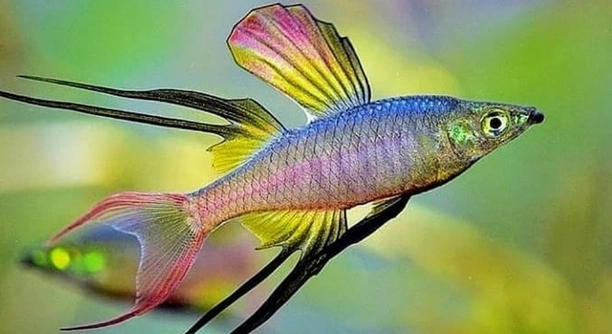
Threadfins are elegant freshwater fish that often capture attention in home aquariums. Their shimmering bodies and flowing fins make them fascinating to watch, yet their movements can sometimes appear sudden or unpredictable. Observing them can be both calming and puzzling.
Threadfins often swim erratically in quiet tanks due to their heightened sensitivity to environmental stimuli. In the absence of constant noise or movement, they react strongly to minor vibrations, changes in light, or their own reflections, triggering sudden bursts of activity.
Understanding why threadfins behave this way can help improve tank conditions and fish well-being. Learning these patterns allows aquarists to provide a more stable, comfortable environment for their fish.
Understanding Threadfin Sensory Behavior
Threadfins have highly developed lateral lines, which are sensitive organs that detect changes in water movement. Even the slightest ripple can trigger sudden swimming bursts. When a tank is quiet, these fish may overreact to minor vibrations, such as footsteps nearby or water flow from a filter. Their erratic motion is not a sign of stress alone; it is an instinctive response. Threadfins rely on constant sensory input to navigate and feel secure. In a quiet environment, they can become more alert and reactive because they detect minimal cues more intensely. Over time, their natural patterns may seem unpredictable. Observing these behaviors can help caretakers anticipate their needs, such as ensuring water is clean, temperature is stable, and hiding spots are available. Adjusting environmental factors gradually can reduce unnecessary erratic movements and create a calmer, more balanced aquarium for the fish. This approach respects their instincts and encourages natural activity.
Their sensitive nature makes them particularly reactive to environmental changes, emphasizing the need for consistent tank conditions.
Consistency in lighting, temperature, and water flow is key to supporting threadfins. Small changes can lead to repeated bursts of erratic swimming. Avoid sudden movements near the tank and maintain stable filtration to reduce overstimulation. Providing gentle water currents and a predictable environment helps them feel secure, resulting in more natural and smooth swimming patterns. Hiding spots or plants allow them to retreat when they feel alert, further calming their activity. Over time, these adjustments create a more comfortable habitat, allowing threadfins to display their natural grace while minimizing erratic behavior. Monitoring their reactions regularly helps identify subtle triggers that might not be immediately obvious, ensuring proactive care.
Environmental Factors That Influence Swimming
Quiet tanks amplify minor stimuli, making threadfins highly reactive. Even subtle changes in water temperature or lighting can prompt sudden movement.
Water quality, tank size, and flow patterns strongly affect threadfin behavior. Small tanks limit space for natural movement, increasing stress responses. Strong currents can overwhelm them, while stagnant water may reduce activity, both leading to erratic bursts. Maintaining proper temperature and filtration is crucial, as variations can disrupt their sensory perception. External factors, like vibrations from nearby appliances or people walking by, further influence their reactions. Arranging plants and decorations thoughtfully provides visual and physical cues that reduce anxiety. Gradually acclimating threadfins to new conditions allows them to adapt without overreacting. Observing their swimming patterns over time reveals correlations between environmental changes and erratic movements. Adjusting lighting gradually, keeping a steady filtration system, and minimizing sudden disturbances all help stabilize behavior. A well-structured environment enhances their comfort and allows for healthier, more predictable activity, respecting their sensitivity while supporting natural instincts.
Feeding and Activity Patterns
Threadfins are more active during feeding times, responding quickly to movement in the tank. Sudden bursts of erratic swimming can occur if food is introduced unexpectedly or if they anticipate feeding while the tank is quiet.
Their activity is strongly influenced by predictable feeding schedules. When food is offered consistently, threadfins develop routines and show less erratic behavior outside of feeding times. Irregular feeding can increase alertness and hyperactive movements, as the fish remain on edge anticipating food. Observing how they respond to feeding cues helps adjust schedules to promote calmer, steady swimming. The type of food also plays a role, as floating pellets or sinking options stimulate different swimming patterns.
It is helpful to provide small, frequent feedings rather than large, infrequent meals. This reduces sudden bursts of movement and allows threadfins to forage naturally. Overfeeding should be avoided because it can worsen erratic swimming and impact water quality. Monitoring their reactions to different feeding methods allows you to tailor care, keeping both behavior and tank conditions balanced.
Social Interactions in the Tank
Threadfins respond to the presence of other fish and their movements. Erratic swimming can be triggered by sudden changes in nearby fish activity, even in a calm tank.
Their social behavior influences how they navigate the tank. When housed with compatible species, threadfins establish territories and exhibit predictable swimming paths. Aggressive or overly active tank mates can provoke stress and increased bursts of erratic movement. Providing adequate space and visual barriers helps manage interactions, giving threadfins areas to retreat. Observing group dynamics regularly ensures that individual fish are not overreacting or becoming overly dominant. Proper pairing and careful monitoring of tank mates help maintain harmony and minimize stress-induced erratic swimming. Over time, consistent social conditions contribute to calmer, more natural activity, improving overall health and stability within the aquarium.
Lighting and Tank Environment
Threadfins are highly sensitive to light changes. Sudden shifts in brightness, such as turning room lights on or off, can trigger short bursts of erratic swimming.
Providing a consistent light cycle helps threadfins maintain calm behavior. Gradual changes in lighting reduce stress and create predictable conditions for their daily activity patterns.
Tank Decorations and Hiding Spots
Proper tank decorations give threadfins visual cues and safe areas to explore. Plants, rocks, and driftwood break up open space, allowing them to feel secure and move naturally without sudden stress-induced bursts.
Water Flow and Filtration
Threadfins react strongly to water currents. Uneven or too-strong flow can cause abrupt swimming movements as they try to navigate resistance, while gentle, consistent currents support smooth, controlled swimming patterns.
Temperature Stability
Maintaining stable water temperature is crucial. Fluctuations can startle threadfins, prompting quick, erratic movements as they adjust to sudden changes in their environment.
FAQ
Why do threadfins swim erratically only when the tank is quiet?
Threadfins rely heavily on sensory input from their environment. In a quiet tank, they detect even minor vibrations, reflections, or light changes more intensely. This heightened awareness can trigger sudden bursts of movement, which are natural reactions rather than signs of illness or distress.
Can irregular feeding schedules cause erratic swimming?
Yes. Threadfins develop routines based on predictable feeding times. When food is inconsistent or delayed, they become more alert and hyperactive, anticipating feeding. Regular, small meals help maintain calmer behavior and reduce unexpected bursts of swimming.
Does tank size influence erratic movements?
Smaller tanks limit space for natural swimming patterns. When movement is restricted, threadfins may appear more restless or erratic. Larger tanks with adequate space allow them to establish territories and swim freely, which reduces stress-induced sudden movements.
How do tank mates affect threadfin behavior?
Other fish in the tank significantly influence threadfin activity. Aggressive or overly active tank mates can trigger stress responses, causing erratic swimming. Compatible species and proper spacing reduce sudden reactions and promote harmonious group dynamics.
Can water flow impact their swimming patterns?
Uneven or strong currents can startle threadfins, prompting abrupt bursts of movement. Gentle, consistent flow supports smooth swimming and allows them to navigate without overexertion. Observing how they interact with currents helps optimize tank setup.
Do lighting changes cause sudden movements?
Yes. Threadfins are sensitive to abrupt changes in light. Sudden brightening or dimming can make them react quickly. Gradual adjustments in lighting or using timers for day-night cycles reduce stress and encourage predictable swimming behavior.
Are erratic movements a sign of illness?
Not always. While erratic swimming can indicate stress or environmental discomfort, it is usually a normal reaction to sensory stimuli. Monitoring water quality, diet, tank mates, and environmental stability helps distinguish between natural behavior and health issues.
How does water temperature affect threadfin activity?
Fluctuating temperatures can startle threadfins, causing sudden swimming bursts. Maintaining a consistent, appropriate temperature for the species ensures comfort and reduces stress, leading to calmer, more controlled movements.
Do decorations help reduce erratic behavior?
Yes. Plants, rocks, and driftwood provide visual barriers and hiding spots. These features give threadfins a sense of security, allowing them to explore and swim naturally without reacting excessively to minor stimuli.
Is it normal for threadfins to have sudden bursts of speed?
It is normal. Threadfins are naturally alert and reactive fish. Sudden bursts are often responses to minor vibrations, reflections, or environmental changes rather than indications of a serious problem. Monitoring patterns helps ensure these behaviors remain within normal limits.
Can using gentle filtration minimize stress?
Proper filtration is key. Strong, turbulent flow can startle threadfins, while smooth, gentle water movement helps them swim comfortably. Ensuring consistent, moderate filtration reduces stress-induced erratic movements.
Should I worry if erratic swimming increases at night?
Not necessarily. Threadfins may become more sensitive in lower light or quieter conditions. Ensuring adequate hiding spots and stable temperature helps them feel secure, minimizing nighttime bursts of activity.
Does handling the tank disturb threadfins?
Yes. Even small disturbances, such as adding water, adjusting decorations, or cleaning the tank, can trigger sudden swimming. Performing these tasks calmly and gradually reduces stress and prevents erratic movements.
Can threadfins adapt to quiet environments over time?
They can adjust partially. Gradual exposure to quiet conditions, stable environmental factors, and predictable routines help threadfins become less reactive, though they will always retain sensitivity to minor stimuli.
What long-term steps help reduce erratic swimming?
Maintaining consistent feeding, lighting, temperature, gentle water flow, proper tank size, compatible tank mates, and secure hiding spots supports calmer, more predictable behavior. Observing and adjusting based on their reactions ensures long-term comfort and stability in the aquarium.
How can I tell normal erratic behavior from stress or illness?
Normal bursts are brief and situational, often linked to minor stimuli. Signs of stress or illness include lethargy, loss of appetite, clamped fins, or unusual swimming patterns. Monitoring water quality, diet, and environment helps identify and address potential issues promptly.
Do reflections or glass surfaces affect their swimming?
Yes. Threadfins may react to reflections on glass or aquarium walls, mistaking them for other fish or movement. Using background materials or decorations can reduce visual triggers and minimize unnecessary bursts of activity.
Are erratic swimming patterns more common in certain threadfin species?
Some species are naturally more sensitive than others. Freshwater threadfins generally exhibit higher alertness and reactive movements compared to hardier species. Understanding species-specific behavior helps in predicting and managing activity levels.
Does water quality influence swimming behavior?
Poor water quality increases stress and can trigger erratic swimming. Regular testing and maintenance, including partial water changes and proper filtration, are essential for keeping threadfins healthy and minimizing sudden movements.
Can I use feeding toys or devices to reduce erratic swimming?
Yes. Slow-release feeding devices or dispersed food can encourage natural foraging, reducing sudden bursts of movement caused by anticipation or competition during feeding times. This method helps maintain calmer swimming patterns.
Is there a way to safely simulate environmental stimuli?
Gentle, controlled stimuli, like slight water movement or occasional light adjustments, can help threadfins adapt without overreacting. Gradual exposure teaches them to navigate minor changes calmly, reducing erratic responses over time.
How often should I observe their behavior?
Regular observation is important. Daily monitoring of swimming patterns, interactions, and reactions to environmental factors helps identify issues early and ensures threadfins remain comfortable and healthy in their habitat.
Do threadfins swim differently when alone versus in groups?
Yes. Solitary threadfins may be more cautious and reactive, while those in groups can follow social cues and exhibit more coordinated movement. Proper tank stocking and observing group dynamics help manage erratic swimming.
Can seasonal changes affect their activity?
Seasonal variations, such as shifts in room temperature or natural light, can influence threadfin sensitivity. Adjusting tank conditions gradually during seasonal changes helps maintain stable behavior and reduces unexpected bursts of activity.
Are sudden swimming bursts more noticeable in newly introduced threadfins?
New arrivals often exhibit heightened alertness as they acclimate. Providing consistent routines, hiding spots, and gradual environmental adjustments helps them settle and reduces erratic swimming during the acclimation period.
Do threadfins respond to human presence outside the tank?
Yes. Sudden movements or vibrations near the tank can trigger quick swimming responses. Maintaining calm, gentle movements while observing helps threadfins remain less reactive.
How do I know if environmental adjustments are working?
Calmer, more predictable swimming, fewer sudden bursts, and consistent daily activity indicate effective adjustments. Tracking behavior over time ensures the tank setup supports threadfin comfort and reduces stress.
Can music or background noise affect their behavior?
Low-level background noise can provide sensory input that reduces over-sensitivity in quiet tanks. However, loud or irregular sounds may startle them, causing sudden swimming. Maintaining consistent, gentle noise levels can help stabilize behavior.
Is erratic swimming linked to breeding behavior?
During breeding periods, threadfins may swim more actively. Providing stable conditions, hiding spots, and observing patterns helps distinguish normal reproductive activity from stress-induced erratic movement.
Do temperature or pH swings trigger sudden movements?
Yes. Fluctuations in temperature or pH can provoke abrupt swimming as threadfins adjust. Keeping water parameters stable is essential for maintaining calm, controlled swimming and overall health.
Can rearranging the tank cause temporary erratic swimming?
Yes. Changes in decorations or layout may temporarily stress threadfins. Gradual rearrangement and providing familiar hiding spots help them adapt without prolonged erratic behavior.
What is the safest way to acclimate threadfins to a new tank?
Introduce them slowly, monitor water parameters, provide hiding spots, and maintain gentle lighting and filtration. Gradual exposure reduces stress and minimizes erratic swimming during acclimation.
Are sudden swimming bursts more common in certain times of day?
Threadfins are often more active during feeding times or when light changes occur. Predictable routines and gradual transitions between day and night help regulate activity and reduce erratic movements.
How important is regular tank maintenance?
Regular maintenance, including water changes, filter cleaning, and monitoring of parameters, is essential. Stable water quality and a consistent environment reduce stress and prevent erratic swimming caused by sudden environmental changes.
Can observing their behavior help prevent future problems?
Yes. Watching swimming patterns, responses to stimuli, and social interactions allows early identification of stressors, environmental issues, or health concerns, enabling proactive adjustments to maintain calm and healthy behavior.
Do reflections from tank glass affect new or timid threadfins more?
Yes. Timid or newly introduced threadfins are more likely to react to reflections, mistaking them for other fish. Reducing reflective surfaces and providing hiding spots helps them acclimate and swim more calmly.
Are there ways to enrich the tank environment for calmer behavior?
Adding plants, varied decorations, and gentle water currents stimulates natural behaviors while giving threadfins control over their environment. Enrichment reduces stress, promotes exploration, and minimizes erratic swimming.
How long does it take for threadfins to adjust to stable conditions?
Adjustment time varies by individual and species. Generally, gradual environmental consistency, regular feeding, and predictable stimuli over several weeks lead to calmer, more controlled swimming patterns.
Do stress signals always indicate imminent illness?
Not always. Stress-induced erratic swimming can be a normal response to minor stimuli. Persistent abnormal behavior, loss of appetite, or physical changes should prompt water quality checks or veterinary consultation.
Can sudden bursts of movement indicate excitement rather than stress?
Yes. Threadfins may react energetically to food, social interactions, or exploration. Observing the context of their movements helps differentiate between excitement and stress-related behavior.
Is it necessary to modify tank setup for older threadfins?
Older threadfins may be more sensitive to environmental changes. Maintaining consistent conditions, gentle water flow, and accessible hiding spots ensures continued comfort and reduces unnecessary erratic movements.
Does water clarity influence swimming behavior?
Clear water allows threadfins to see surroundings and other fish more easily. Murky or cloudy water can increase startle responses and erratic swimming due to reduced visual cues. Regular filtration and maintenance support stable behavior.
Can using floating or sinking food reduce stress-induced bursts?
Yes. Offering food that encourages natural foraging behavior spreads activity and reduces competition, minimizing sudden swimming bursts related to anticipation or stress.
Are threadfins more sensitive to vibrations than other fish?
Threadfins are highly responsive to minor vibrations due to their lateral line system. This heightened sensitivity means they react more noticeably to movement outside the tank, water flow, or nearby disturbances.
Is it normal for threadfins to swim in short bursts repeatedly?
Yes. Short bursts are natural, especially in response to minor stimuli. Consistent environmental conditions and proper care help regulate these movements, preventing prolonged stress-induced erratic behavior.
Can I track behavior to improve care?
Recording swimming patterns, reactions to stimuli, and social interactions helps identify stressors and optimize tank setup. Regular observation ensures threadfins remain healthy and display natural activity without excessive erratic swimming.
Does tank cover affect behavior?
A secure cover reduces reflections, prevents sudden disturbances, and gives threadfins a sense of security. This contributes to calmer swimming and fewer abrupt movements caused by perceived threats.
Are there environmental triggers that threadfins consistently respond to?
Yes. Sudden light changes, vibrations, tank rearrangements, strong currents, and aggressive tank mates frequently trigger bursts of erratic swimming. Recognizing and managing these triggers supports consistent, calmer behavior.
Can temperature-controlled heaters help reduce erratic swimming?
Yes. Stable water temperature eliminates sudden shifts that can startle threadfins. Consistent warmth supports comfortable, controlled swimming and overall well-being.
Is it helpful to mimic natural habitats in the tank?
Yes. Replicating natural water flow, plants, hiding spots, and substrate provides familiar stimuli, reducing stress and encouraging smoother, more predictable swimming behavior.
Do threadfins respond to external movement differently at various tank locations?
Yes. Positioning tanks away from high traffic or vibration sources helps minimize erratic responses, while quieter, more stable areas allow threadfins to swim naturally without sudden bursts.
Can gradual environmental enrichment improve long-term behavior?
Yes. Slowly introducing decorations, mild currents, and varied stimuli allows threadfins to adapt without stress, promoting calmer, more controlled swimming over time.
Do threadfins ever stop reacting to minor stimuli?
They may become less reactive with consistent exposure and stable conditions, though they retain sensitivity to changes. Maintaining predictable environments helps manage natural alertness without eliminating instinctive responses.
How can I combine all care practices to minimize erratic swimming?
Consistent feeding, gentle water flow, stable temperature, gradual lighting changes, proper tank size, compatible mates, hiding spots, and regular observation together create a predictable environment that reduces stress and minimizes erratic swimming.
Are threadfins more prone to erratic swimming when stressed?
Yes. Stress amplifies their natural reactions. Addressing water quality, social interactions, feeding routines, and environmental consistency helps mitigate stress and prevent excessive erratic movements.
Can environmental adjustments be made without disturbing the fish?
Yes. Gradual, small changes in lighting, flow, and decorations minimize stress. Observing reactions ensures adjustments are effective without triggering bursts of erratic swimming.
Do threadfins need specific tank substrates for calmer behavior?
Yes. Soft, natural substrates mimic their habitat, reducing discomfort and encouraging natural swimming. Harsh or sharp substrates can increase stress and erratic movement.
Are reflections from glass more noticeable at certain angles?
Yes. Angled lighting or nearby surfaces can amplify reflections. Adjusting decorations, using backgrounds, or controlling light angles reduces unnecessary visual stimuli that trigger erratic swimming.
Can monitoring multiple tanks provide better insight into behavior?
Yes. Comparing reactions across different setups helps identify environmental factors influencing erratic swimming, guiding adjustments to improve conditions and support calmer, more natural behavior.
Do erratic swimming patterns change as threadfins mature?
Yes. Younger fish are often more reactive, while adults may show more controlled movements with experience and stable environmental conditions. Proper care throughout development supports balanced activity.
Is it normal for threadfins to react differently on weekends or busy days?
External vibrations from human activity can trigger temporary bursts. Minimizing sudden disturbances and maintaining consistent feeding and lighting schedules helps stabilize behavior regardless of external activity.
Are there long-term benefits to reducing erratic swimming?
Yes. Stable, predictable swimming reduces stress, promotes health, improves social interactions, and supports longevity, ensuring threadfins thrive in a comfortable, well-maintained tank environment.
Can erratic swimming indicate environmental mismatch rather than health issues?
Often. Sudden bursts usually reflect environmental stimuli rather than illness. Evaluating tank size, flow, lighting, temperature, and social dynamics helps address behavioral concerns effectively.
Do threadfins ever overcompensate after environmental changes?
Yes. After disturbances, they may swim more rapidly or erratically temporarily. Gradual adjustments and stable routines minimize overcompensation, helping them regain calm swimming behavior efficiently.
How do I balance enrichment with calm behavior?
Providing varied decorations, gentle currents, and consistent feeding creates a stimulating but predictable environment. Balance encourages exploration while preventing excessive stress-induced bursts of movement.
Are erratic swimming patterns influenced by tank depth?
Yes. Threadfins may react differently in shallow versus deep tanks. Adequate depth allows natural swimming patterns, while too shallow or cramped conditions can increase stress-induced bursts.
Can using dimmed lights in the evening reduce sudden movements?
Gradual dimming mimics natural sunset conditions, reducing stress and overreactive swimming. Sudden lighting changes, in contrast, can trigger abrupt bursts even in calm environments.
Do threadfins respond differently to moving versus stationary decorations?
Stationary decorations provide stable reference points, helping regulate movement. Moving objects, like water pumps or floating plants, can trigger short bursts of erratic swimming until the fish adjust.
Is it helpful to rotate tank decorations periodically?
Rotation can provide mental stimulation but should be gradual. Sudden rearrangements can provoke stress, while slow adjustments help maintain calm, natural swimming patterns.
Can erratic swimming be a temporary response to new water chemistry?
Yes. Introducing new water or adjusting parameters may temporarily startle threadfins. Gradual acclimation and monitoring prevent prolonged stress and reduce bursts of erratic activity.
How do I know when erratic swimming is acceptable versus concerning?
Short, situational bursts linked to minor stimuli are normal. Persistent, uncontrolled, or combined with other health signs requires checking water quality, diet, social interactions, and possibly veterinary advice.
Can threadfins teach caretakers about tank sensitivity?
Yes. Observing their reactions highlights subtle environmental changes that might go unnoticed, guiding improvements to maintain stable, comfortable, and stress-free conditions.
Do erratic swimming patterns affect feeding efficiency?
Excessive bursts may cause missed feeding or competition stress. Adjusting food type, schedule, and placement helps threadfins feed calmly and maintain natural activity levels.
Can long-term observation reduce future erratic behavior?
Yes. Tracking responses to stimuli, feeding, and social interactions helps refine tank setup and routines, promoting calmer swimming and healthier, more predictable behavior over time.
Are threadfins more sensitive to human shadows than other movements?
Yes. Sudden shadows passing over the tank can trigger bursts of movement. Gentle approach and consistent observation minimize stress-related swimming reactions.
Do threadfins have natural “rest periods” in a quiet tank?
Yes. Even in quiet conditions, they may pause or swim slowly. Providing calm spaces and minimal disturbances supports these natural rest periods and prevents unnecessary bursts of activity.
Can tank placement in a room affect erratic swimming?
Yes. High-traffic areas or near vibrations increase sudden movements. Placing the tank in a stable, low-disturbance area supports calmer, more predictable swimming patterns.
Does consistent observation help prevent overreaction to stimuli?
Yes. Understanding individual responses allows caretakers to anticipate triggers and adjust the environment, minimizing stress-induced erratic swimming while promoting comfort and security.
Is it normal for erratic swimming to fluctuate daily?
Yes. Minor daily changes in light, feeding, or vibrations can influence activity. Stable routines and environmental consistency help reduce daily fluctuations in swimming behavior.
Do threadfins adapt differently to quiet versus noisy households?
In quiet environments, they may overreact to minor stimuli. Mild background noise can sometimes provide sensory input that reduces over-sensitivity, while very loud noise may increase stress
Threadfins are naturally alert and sensitive fish, and their erratic swimming in quiet tanks is a normal part of their behavior. These movements are not always a sign of stress or illness but rather a response to environmental cues that they perceive more strongly in the absence of background activity. Their lateral line system, which detects vibrations and changes in water movement, makes them highly aware of even the smallest changes. When the tank is quiet, threadfins may react to subtle disturbances such as reflections on the glass, slight ripples from filters, or minor vibrations from people moving nearby. Understanding this aspect of their behavior is important for creating a stable and comfortable environment. By recognizing that these reactions are instinctive, caretakers can avoid unnecessary worry and focus on providing conditions that support the fish’s natural activity.
Creating an environment that minimizes unnecessary bursts of movement involves careful attention to multiple factors. Consistency in feeding routines helps threadfins develop predictable patterns and reduces sudden swimming during unexpected meal times. Stable water temperature and proper filtration are equally important, as fluctuations in these areas can trigger stress responses. Lighting should be gradual and consistent, avoiding abrupt changes that might startle the fish. Additionally, tank size, decorations, and hiding spots play a significant role in reducing erratic swimming. Adequate space allows them to establish territories and swim freely, while plants, rocks, or driftwood provide visual references and safe areas for retreat. Even small adjustments, such as placing the tank in a low-traffic area or using a background to reduce reflections, can help maintain calm behavior. Over time, these steps support smoother swimming patterns and overall well-being.
Observing threadfins closely over time allows caretakers to understand their individual responses to environmental stimuli. Each fish may have slightly different sensitivity levels, and tracking behavior helps identify what triggers sudden movements. Introducing changes gradually and maintaining a predictable routine encourages adaptation while reducing stress. Social dynamics within the tank also influence activity, so compatible tank mates and clear spaces for retreat contribute to a more stable environment. By paying attention to these details, it is possible to balance stimulation and calm, allowing threadfins to express natural behaviors without excessive bursts of erratic swimming. Consistent care, environmental awareness, and thoughtful observation create a habitat where threadfins can thrive, offering both a visually appealing aquarium and a healthy, comfortable space for the fish to live naturally.

Hello,
If you enjoy the content that we create, please consider saying a "Thank You!" by leaving a tip.
Every little bit helps us continue crafting quality advice that supports the health, happiness, and well-being of pets around the world, for pets of all shapes, sizes, and species.
We really appreciate the kindness and support that you show us!