
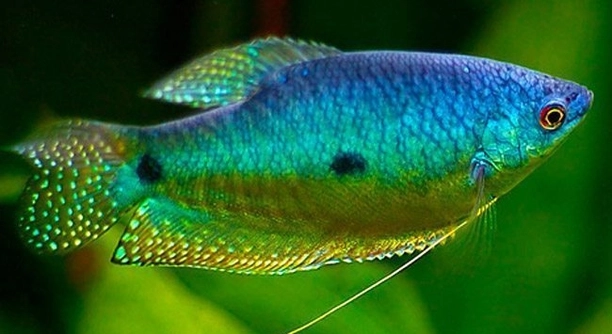
Gouramis are popular aquarium fish known for their peaceful nature and vibrant colors. However, these fish sometimes display sudden mood changes that can confuse their caretakers. Understanding what causes these mood swings helps improve their care and environment.
Sudden mood swings in gouramis often result from environmental stress, changes in water quality, overcrowding, illness, hormonal cycles, lack of stimulation, or territorial disputes. Identifying these triggers is essential for maintaining their well-being and preventing aggressive or withdrawn behavior.
Recognizing these factors can improve your gourami’s overall health and create a more peaceful aquarium atmosphere for all your fish friends.
Environmental Stress and Water Quality
Gouramis are sensitive to their surroundings, and changes in their environment can cause sudden mood swings. Factors like temperature fluctuations, poor water conditions, or sudden noise can stress them out quickly. If the water temperature is too high or too low, gouramis might become more aggressive or withdrawn. Similarly, poor water quality with high ammonia or nitrite levels can upset their health, leading to unusual behavior. These fish need stable conditions to feel safe and comfortable. A clean tank with regular water changes helps reduce stress and keeps gouramis calm. Sudden changes, like adding new fish or rearranging decorations, can also trigger mood swings. Observing their reactions after these changes helps you identify what might be causing discomfort. Creating a peaceful, consistent environment is key to preventing sudden mood shifts and supporting your gouramis’ natural behavior.
Maintaining stable, clean water is essential to prevent stress-related mood swings in gouramis. Sudden environmental changes often lead to behavioral shifts.
Understanding how water quality and tank conditions affect gouramis allows better care. Regular monitoring and gentle tank maintenance help maintain their calm and balanced moods, promoting healthier, happier fish in your aquarium.
Overcrowding and Territorial Behavior
Gouramis need enough space to establish their own territories. When a tank becomes overcrowded, competition increases, causing stress and aggressive mood swings. These fish can become territorial, especially males, and may chase or nip others to defend their space. If there isn’t enough room, their natural behavior can turn hostile or anxious. Proper tank size and suitable hiding spots reduce these conflicts. Adding plants or decorations creates boundaries that help gouramis feel secure and reduce aggressive encounters. Sometimes, simply rearranging the tank can calm territorial disputes by breaking established dominance. Observing how your gouramis interact will help you spot signs of overcrowding early. Managing tank population and giving each fish room to breathe can improve their mood and overall health, keeping your aquarium peaceful and balanced.
Illness and Health Issues
Illness is a common reason gouramis suddenly change their mood. When they feel unwell, their behavior shifts noticeably. They might hide more, eat less, or become unusually aggressive. Paying close attention to these signs helps catch health problems early.
Common illnesses like bacterial infections, parasites, or fin rot can cause stress and mood swings in gouramis. Water quality often plays a big role in the development of these conditions. Poor water can weaken their immune system, making them more vulnerable to disease. Prompt treatment and improved tank care usually help gouramis recover quickly. Regular observation and quick response to any abnormal behavior are important for their health and mood stability.
In some cases, stress from illness triggers a defensive or withdrawn attitude. It’s important to isolate sick gouramis if possible, to prevent spreading disease. Maintaining a clean tank and good nutrition supports their immune system. Consulting a vet or experienced aquarist can guide proper treatment and improve your gourami’s chance of returning to a calm, friendly state.
Hormonal Changes and Breeding Behavior
Hormonal changes cause noticeable mood swings, especially during breeding periods. Male gouramis become more aggressive and territorial. Their colors may brighten as they try to attract females or defend nests.
During breeding, gouramis may chase other fish or hide more often. Males build bubble nests and guard them fiercely, which can make them irritable. Females might also behave differently due to hormonal shifts, often becoming less active or more secretive. Understanding this natural behavior helps in managing your tank’s dynamics during breeding seasons. Providing enough space and minimizing disturbances supports healthier interactions and reduces stress for all fish involved. Recognizing these changes prevents misinterpreting normal breeding behavior as illness or aggression, helping you care for gouramis more effectively.
Lack of Stimulation
Gouramis need mental and physical activity to stay happy. A dull environment can cause boredom, leading to sudden mood swings like lethargy or aggression. Adding plants, decorations, and varied swimming space helps keep them engaged.
Without enough stimulation, gouramis may become restless or withdrawn. They need places to explore and hide to feel secure and active.
Noise and Vibrations
Loud noises or constant vibrations near the aquarium can stress gouramis, causing abrupt behavior changes. These disturbances disrupt their peace and make them anxious or aggressive.
Reducing external noise and placing the tank in a quiet area minimizes stress. A calm environment supports stable moods and healthier fish overall.
Territorial Disputes
Territorial conflicts happen when gouramis feel their space is threatened. This leads to chasing, nipping, and other aggressive behaviors. Providing ample space and hiding spots reduces these disputes.
FAQ
Why do gouramis suddenly become aggressive?
Gouramis often turn aggressive because of stress, territorial disputes, or changes in their environment. Overcrowding or lack of hiding spots makes them feel threatened, which triggers defensive behavior. Aggression can also increase during breeding seasons when males protect their nests. Monitoring tank conditions and ensuring enough space helps reduce this aggression.
How can I tell if my gourami is stressed?
Signs of stress include hiding frequently, loss of appetite, rapid breathing, and sudden changes in behavior like aggression or lethargy. Stress can also make gouramis more prone to illness. Keeping water clean, stable in temperature, and providing a calm environment helps lower stress levels.
What water parameters are best for gouramis?
Gouramis prefer water temperatures between 75°F and 82°F (24°C – 28°C), with a pH of 6.0 to 7.5. Maintaining low ammonia, nitrite, and nitrate levels is crucial for their health. Regular water testing and partial water changes keep these parameters stable, reducing mood swings caused by poor water quality.
Can adding plants help reduce gourami mood swings?
Yes, live or artificial plants provide hiding spots and reduce stress. They create natural boundaries that help gouramis feel secure, lowering territorial aggression. Plants also improve water quality by absorbing toxins. A well-planted tank supports calmer, more balanced behavior.
Is it normal for gouramis to hide a lot?
Hiding can be normal, especially if they feel threatened or during breeding. However, excessive hiding might indicate stress, illness, or poor tank conditions. Observing other signs like changes in eating or swimming can help determine if hiding is a problem.
How often should I clean my gourami’s tank?
Regular maintenance is key. Partial water changes of 20-30% weekly help keep the water clean without shocking the fish. Cleaning filters monthly and removing uneaten food also prevents toxin buildup. Consistent care reduces stress and sudden mood changes.
Do gouramis get along with other fish?
Generally, gouramis are peaceful but can become territorial, especially males. They do well with other calm species of similar size but may clash with aggressive or very active fish. Providing enough space and hiding spots helps maintain harmony.
What should I do if my gourami is sick?
If you notice unusual behavior, like lethargy, discoloration, or fin damage, isolate the fish if possible. Test water quality and improve it if needed. Consult an experienced aquarist or vet for diagnosis and treatment. Early care increases chances of recovery.
Why does my gourami change color suddenly?
Color changes can happen due to stress, illness, or hormonal shifts. Brightening often occurs during breeding, while dull colors may signal poor health or bad water conditions. Keeping a stable environment and monitoring their health helps maintain consistent coloration.
Can lighting affect my gourami’s mood?
Yes, improper lighting can stress gouramis. Too bright or constantly changing light may cause agitation or hiding. A regular light schedule with gentle lighting mimics natural conditions and supports calm behavior.
How can I prevent gourami mood swings?
Providing a stable environment with clean water, proper temperature, enough space, and mental stimulation reduces mood swings. Avoid sudden changes and overcrowding. Regular observation helps catch problems early, keeping your gouramis peaceful and healthy.
Understanding sudden mood swings in gouramis helps improve their care and well-being. These fish react to many things in their environment, from water quality to how much space they have. When conditions change quickly or are not ideal, gouramis may show signs of stress through aggression, hiding, or other unusual behaviors. Paying attention to these signs lets you address problems early and create a better home for your fish.
Keeping a gourami’s environment stable is one of the most important steps to prevent mood swings. This means regular water changes, keeping the temperature steady, and avoiding overcrowding. Providing plants and decorations not only makes the tank look nice but also helps gouramis feel safe and less stressed. When gouramis have room to explore and places to hide, they are more likely to stay calm and behave normally. Making small changes can make a big difference in their mood and health.
Sometimes, mood swings happen because of natural things like breeding or hormonal changes. These are normal parts of their life cycle but can be confusing if you do not expect them. Understanding what is normal and what is a sign of a problem helps you take better care of your gouramis. Watching how they behave day by day and learning what makes them happy or stressed gives you the best chance to keep them healthy and peaceful in your aquarium.

Hello,
If you enjoy the content that we create, please consider saying a "Thank You!" by leaving a tip.
Every little bit helps us continue crafting quality advice that supports the health, happiness, and well-being of pets around the world, for pets of all shapes, sizes, and species.
We really appreciate the kindness and support that you show us!