
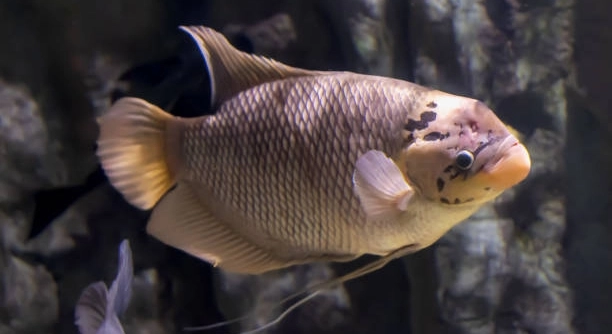
Gourami are popular freshwater fish known for their calm nature and beautiful colors. When first introduced to a new tank, it is important to observe their behavior carefully. Recognizing signs of comfort can help ensure they are adapting well to their environment.
Gourami settling in well exhibit steady swimming, regular eating habits, and interaction with their surroundings. They display vibrant coloration, build bubble nests, and show minimal signs of stress or hiding. These indicators collectively confirm their positive adaptation to the tank conditions.
Observing these behaviors early on helps maintain a healthy environment for your gourami. This article highlights key signs to watch for as your fish become comfortable in their new home.
Steady Swimming and Exploration
Gourami that are settling in well will swim steadily and explore their surroundings calmly. When first introduced, they may hesitate or stay hidden, but as they become comfortable, their movements become smooth and confident. They start exploring plants, decorations, and tank corners without signs of panic or rapid darting. This calm swimming indicates that the fish feels safe and is adapting to the environment. Over time, you might notice them occasionally resting near the surface or in quiet spots, which is also a good sign of comfort. If they swim erratically or hide continuously, it may point to stress or illness, requiring attention to water conditions or tank setup. Watching these behaviors helps you understand how well your gourami is adjusting.
This gradual change in behavior shows that your gourami is accepting its new home and becoming more comfortable with daily life.
Gourami that explore the tank without hesitation are likely to have adjusted well. Their steady swimming also means they feel secure enough to look for food and interact with their environment. This behavior encourages better health and helps reduce stress, which is essential for long-term well-being. When your fish exhibit this calm activity, it confirms that the tank conditions suit their needs.
Regular Eating Habits
A consistent appetite is a clear indicator of a gourami’s comfort. When gourami settle in well, they accept food readily and eat without hesitation.
When gourami are stressed, they often refuse to eat or show a reduced appetite. However, once they adapt, their feeding behavior normalizes. Offering varied foods like flakes, pellets, and occasional live or frozen treats encourages healthy eating habits. It also supports their immune system and growth. Monitoring their eating patterns helps detect any early signs of health issues. Consistent feeding times create a routine that promotes comfort and trust. Gourami that eat regularly are likely feeling safe in their environment and free from distress.
Maintaining clean water and stable tank parameters also supports appetite, ensuring your gourami stays healthy and happy.
Vibrant Coloration
Healthy gourami display bright and consistent colors. Dull or faded colors can indicate stress or poor water conditions.
Color changes in gourami often reflect their well-being. When they settle in comfortably, their natural colors become more vivid. This is due to reduced stress and proper nutrition. Vibrant coloration is also a sign that the fish is not sick or affected by parasites. It’s important to maintain stable water parameters and a balanced diet to support these colors. Any sudden fading or discoloration should be checked promptly.
Additionally, vibrant colors may be linked to social comfort. Gourami that feel secure among tank mates tend to show better hues. Stress from bullying or overcrowding can dull their appearance. Ensuring a calm environment promotes color vibrancy and overall health.
Bubble Nest Building
Bubble nest building is a strong sign that a male gourami feels secure and ready to breed. It reflects a stable and comfortable environment.
Male gourami create bubble nests at the water surface using saliva bubbles. This behavior occurs when they are calm and healthy. The nest serves as a place to protect eggs and fry during breeding. Even if breeding is not intended, bubble nest building shows your gourami’s comfort and confidence in the tank. It is a natural instinct indicating that conditions are favorable. If the water quality is poor or the fish feels stressed, this behavior often stops.
Maintaining clean water, proper temperature, and minimal disturbance supports bubble nest creation. Observing this behavior helps gauge your gourami’s well-being and environmental stability.
Minimal Signs of Stress
Gourami showing minimal stress remain active and do not hide excessively. Stress often causes erratic swimming or lethargy.
Signs like clamped fins, rapid gill movement, or constant hiding suggest discomfort. When these behaviors are absent, it means the fish is adapting well and the environment suits its needs.
Interaction with Tank Mates
Gourami that settle in well interact calmly with other fish. They rarely show aggression or avoid others.
Maintaining peaceful tank mates and avoiding overcrowding reduces stress. Balanced social behavior indicates that the gourami feels secure in its environment, which is essential for its overall health and longevity.
Regular Breathing Pattern
Gourami that breathe regularly and calmly show good health. Rapid or labored breathing can signal problems.
No Excessive Hiding
If gourami do not hide too much, it means they feel safe. Excessive hiding often points to stress or illness.
FAQ
How long does it take for gourami to settle in?
Gourami usually begin to show signs of settling in within one to two weeks after introduction to a new tank. During this time, they adjust to water conditions, tank mates, and their new environment. Some fish may take longer depending on individual temperament and tank setup. Stable water parameters and minimal stress help speed up this process. Regular observation during the first two weeks is important to ensure they are adapting well and showing positive behaviors.
What should I do if my gourami is hiding too much?
Excessive hiding can indicate stress, illness, or poor water conditions. First, check the water quality for ammonia, nitrites, nitrates, temperature, and pH. Make sure the tank is clean and properly cycled. Also, evaluate tank mates for aggression. Provide plenty of hiding spots but ensure the gourami has enough space to swim freely. If hiding continues, consider quarantining the fish and consulting an expert or veterinarian to rule out disease.
Is bubble nest building a sign of good health?
Yes, bubble nest building by male gourami generally indicates good health and comfort. This behavior shows the fish feels secure and is ready to breed. Lack of bubble nests doesn’t always mean illness but may suggest stress or unsuitable tank conditions. Maintaining clean water, proper temperature, and a calm environment encourages this natural behavior.
Why are my gourami’s colors fading?
Fading colors often result from stress, illness, poor nutrition, or bad water conditions. Check for signs of disease like spots or unusual behavior. Ensure a balanced diet rich in nutrients and keep the water clean. Stress can also come from aggressive tank mates or overcrowding. Improving tank conditions and diet usually restores vibrant coloration over time.
How can I tell if my gourami is stressed?
Signs of stress include rapid breathing, clamped fins, erratic swimming, hiding excessively, and loss of appetite. Stress can come from poor water quality, incompatible tank mates, or sudden changes in environment. Regularly testing water and observing behavior helps identify stress early. Taking steps to stabilize conditions can prevent further health problems.
Do gourami need special care to settle in?
Gourami require stable water parameters, a quiet tank environment, and suitable tank mates to settle in well. They prefer moderate temperatures and a pH between 6.0 and 7.5. Introducing them gently and avoiding sudden changes helps reduce stress. Providing plants and hiding spots gives them security, promoting faster acclimation.
Can gourami live with other fish while settling in?
Yes, gourami can live with peaceful fish species that do not harass or outcompete them. Aggressive or very active fish may stress gourami, delaying settling. Choosing compatible tank mates and avoiding overcrowding creates a balanced environment. Monitoring interactions is important to ensure harmony.
What role does water quality play in gourami settling in?
Water quality is crucial for gourami health and comfort. Poor water conditions cause stress, illness, and behavioral issues. Regular testing for ammonia, nitrites, nitrates, temperature, and pH is necessary. Maintaining clean, well-filtered water with proper cycling helps gourami settle quickly and stay healthy. Neglecting water quality often leads to problems.
How often should I feed my gourami while they are settling in?
Feed small amounts two to three times a day during the acclimation period. Frequent, small feedings help encourage appetite without fouling the water. Offering varied foods like flakes, pellets, and occasional live or frozen treats supports nutrition and interest. Watch for signs of overeating or leftover food to avoid water quality issues.
What is the best way to introduce gourami to a new tank?
Float the sealed bag in the tank water for 15-20 minutes to equalize temperature. Slowly mix small amounts of tank water into the bag over 30 minutes to help acclimate them to the water chemistry. Gently release the gourami into the tank without dumping the bag water. This gradual process reduces stress and helps them settle faster.
Final Thoughts
Gourami are beautiful and interesting fish that can add life to any aquarium. Their ability to settle in well depends largely on the environment provided. A calm tank with stable water conditions and proper care helps gourami adjust quickly and show their natural behaviors. Observing signs such as vibrant colors, bubble nest building, and calm interactions can reassure that your fish are comfortable and healthy. Paying attention to these details can prevent common problems and improve the overall experience of keeping gourami.
Creating the right environment is essential for gourami to thrive. Regular water testing, gentle tank maintenance, and feeding a balanced diet all contribute to their well-being. Avoiding aggressive tank mates and providing plants or decorations for hiding spots also helps reduce stress. When gourami feel safe and secure, they will be more active and display their best colors and behaviors. It is important to be patient and consistent, especially during the first few weeks after introducing them to a new tank.
Understanding how gourami behave when they are settling in helps fishkeepers provide better care. Knowing what to look for, such as regular breathing and minimal hiding, allows for early detection of potential issues. While every fish is unique, most gourami will show clear signs when they have adapted well to their environment. Being attentive and responsive to their needs will promote a healthy, stable aquarium where gourami can live comfortably and happily.

Hello,
If you enjoy the content that we create, please consider saying a "Thank You!" by leaving a tip.
Every little bit helps us continue crafting quality advice that supports the health, happiness, and well-being of pets around the world, for pets of all shapes, sizes, and species.
We really appreciate the kindness and support that you show us!