
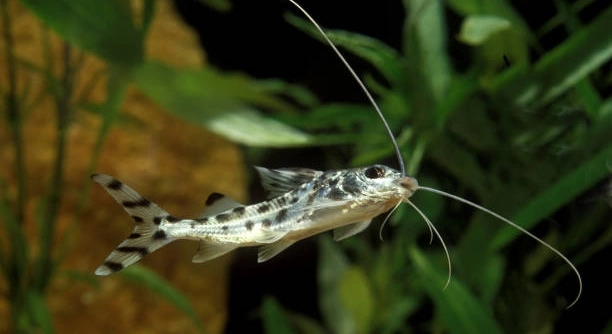
Pictus catfish are popular in home aquariums for their active behavior and striking appearance. However, their natural territorial instincts can lead to aggression, causing stress and injury among tank mates. Managing this aggression is important for a peaceful tank environment.
To reduce aggression in pictus catfish, it is essential to provide ample space, plenty of hiding spots, and maintain proper tank conditions. Consistent feeding routines and avoiding overcrowding also help minimize territorial disputes and aggressive behaviors.
Controlling aggression improves the overall well-being of your fish and keeps your aquarium balanced and enjoyable to watch.
Providing Adequate Space and Hiding Places
Pictus catfish are naturally territorial and need enough space to swim freely without feeling threatened. A crowded tank can easily increase stress and aggressive behavior. It’s important to choose a tank that offers plenty of room, ideally over 30 gallons for a small group. Adding rocks, plants, and driftwood creates hiding spots where the fish can retreat when they feel uneasy. These hiding places help reduce confrontations by allowing individuals to establish their own territory. When the environment mimics their natural habitat, the fish are more relaxed and less likely to become aggressive. Regularly rearranging decorations can also prevent one fish from dominating a specific area. Ensuring your pictus catfish have enough space and shelter improves their comfort and lowers aggression, making the tank a more harmonious place.
Keeping tank mates compatible with similar activity levels also helps reduce stress and aggression in the tank.
Feeding pictus catfish regularly and maintaining good water quality are also key. When the fish are well-fed and healthy, they are less likely to compete aggressively for food or territory. Good water parameters prevent irritation and stress, which can trigger aggression. Monitor water temperature, pH, and cleanliness often. Avoid overcrowding by limiting the number of fish in the tank and selecting peaceful species that won’t provoke your catfish. This balance promotes calmer behavior and a healthier environment for everyone.
Feeding Routine and Tank Maintenance
Maintaining a consistent feeding schedule helps keep pictus catfish calm. They are active eaters and respond well to regular meals of high-quality sinking pellets or frozen foods. Uneaten food should be removed to prevent water pollution, which could upset the fish and increase aggression.
Tank maintenance plays a critical role in reducing aggression. Frequent water changes and cleaning help keep ammonia and nitrate levels low. Dirty water can cause stress and irritation, leading to increased fighting. Testing water parameters weekly helps catch problems before they escalate. Replacing filters regularly ensures efficient water flow and oxygenation, creating a stable environment. When these care steps are followed, pictus catfish are less stressed and less likely to act out aggressively, allowing them to coexist peacefully.
Selecting Compatible Tank Mates
Choosing the right tank mates reduces conflicts. Avoid aggressive or overly dominant species that could provoke your pictus catfish.
Compatible tank mates tend to be peaceful and similar in size. Fish like tetras, rasboras, or peaceful corydoras catfish often coexist well. Avoid slow-moving or long-finned fish, as pictus catfish may nip at them. Providing a mix of species with different swimming levels—top, middle, and bottom—can reduce competition for space. This diversity keeps the tank balanced and lowers stress. Always research new fish thoroughly to ensure compatibility.
Keeping an eye on interactions after introducing new fish is important. If signs of stress or aggression appear, adjustments might be necessary. Sometimes, separating aggressive individuals or increasing hiding spots can help. Careful observation helps maintain peace.
Regular Monitoring and Adjustments
Monitoring your aquarium regularly allows you to detect early signs of aggression or stress. This helps prevent minor issues from turning into serious conflicts. Watching how your pictus catfish interact with each other and with tank mates helps identify problems quickly. Take note of any chasing, fin damage, or hiding behavior that seems excessive.
Small adjustments like rearranging decorations or increasing feeding frequency can ease tension. Sometimes increasing water changes or tweaking water parameters also reduces stress. Consistent care and attention create a stable environment, which lowers aggression naturally. Addressing issues promptly prevents long-term harm and supports the health of all fish in the tank.
Avoid Overcrowding
Overcrowding increases stress and aggression among pictus catfish. Each fish needs enough space to swim and establish territory without constant confrontation.
A crowded tank also leads to poor water quality, which worsens aggressive behavior. Keeping fish numbers appropriate for your tank size promotes a peaceful environment.
Using Plants for Comfort
Live or artificial plants create natural barriers that help reduce aggression. Plants give pictus catfish places to hide and feel secure.
Dense planting breaks up sight lines, limiting direct confrontations and making the tank feel less crowded. This can calm aggressive tendencies by reducing stress.
Maintaining Stable Water Conditions
Stable water conditions are essential to keep pictus catfish calm. Sudden changes in temperature or pH can cause irritation and increase aggression.
Regular testing and gradual adjustments help maintain a consistent environment. Clean water reduces stress and supports healthy behavior in all fish.
Watching for Signs of Stress
Recognizing signs of stress early helps manage aggression effectively. Changes in behavior, loss of appetite, or damaged fins can indicate problems.
Prompt action, like adjusting tank conditions or separating aggressive fish, improves overall tank harmony and fish well-being.
FAQ
Why are my pictus catfish aggressive?
Pictus catfish are naturally territorial, especially in confined spaces. Aggression often results from competition over territory, hiding spots, or food. Stress caused by poor water quality or overcrowding can also increase aggressive behavior. Providing enough space, hiding places, and maintaining good tank conditions usually helps reduce aggression.
How can I stop my pictus catfish from fighting?
To reduce fighting, ensure the tank is large enough for all fish. Add plenty of decorations and plants for hiding. Feed them consistently to avoid competition for food. Avoid overcrowding and select peaceful tank mates. Regular water changes and stable water parameters reduce stress, lowering the chance of fights.
What size tank is best for pictus catfish?
A minimum of 30 gallons is recommended for a small group of pictus catfish. Larger tanks allow more space to swim and reduce territorial disputes. If keeping more than three fish, increasing tank size helps keep aggression down and provides better water quality.
Can pictus catfish live with other fish?
Yes, but tank mates must be chosen carefully. Peaceful fish that swim at different levels of the tank are ideal, such as tetras or rasboras. Avoid slow-moving or long-finned fish, which pictus catfish may nip. Monitoring interactions helps ensure compatibility over time.
How often should I feed pictus catfish?
Feed pictus catfish once or twice daily with sinking pellets or frozen foods. Consistent feeding reduces food competition and aggression. Remove uneaten food promptly to maintain water quality, which supports healthy behavior.
What water conditions do pictus catfish need?
They prefer temperatures between 72–79°F (22–26°C) and a pH around 6.5 to 7.5. Stable conditions with clean water are essential. Frequent water testing and partial water changes keep ammonia and nitrate levels low, reducing stress and aggression.
Why do pictus catfish nip at other fish?
Nipping often occurs due to boredom, stress, or territorial behavior. It can also happen if tank mates have long fins. Providing enough space, hiding spots, and compatible companions helps reduce this behavior.
Can rearranging the tank reduce aggression?
Yes. Changing the layout breaks established territories and helps stop one fish from dominating an area. It encourages exploration and lowers territorial disputes. Rearranging decorations every few weeks is a good practice.
Is it necessary to separate aggressive pictus catfish?
If one fish is overly aggressive and harming others, separation might be needed temporarily or permanently. Using a divider or moving the aggressive fish to another tank can prevent injury and stress.
What are signs of stress in pictus catfish?
Signs include hiding excessively, loss of appetite, erratic swimming, or damaged fins. Stress can lead to illness and increase aggression. Monitoring behavior regularly helps catch problems early.
How do I improve water quality to reduce aggression?
Perform regular water changes, clean filters, and test water parameters. Avoid overfeeding to reduce waste buildup. Good water quality keeps fish healthy and calm.
Can adding plants really help with aggression?
Yes. Plants provide hiding spots and break up lines of sight. This reduces confrontations by giving fish private areas to retreat and feel safe.
How many pictus catfish should be kept together?
Keeping at least three or more helps spread aggression since no single fish can dominate easily. Groups of five or six are ideal in a sufficiently large tank to balance social dynamics.
Do pictus catfish need companions?
They are social fish and prefer groups. Keeping them alone can increase stress and cause unusual aggression. A small group helps them feel secure and reduces aggressive displays.
What is the best diet for pictus catfish to keep them calm?
A varied diet of sinking pellets, frozen bloodworms, and brine shrimp keeps them healthy and satisfied. Balanced nutrition reduces competition and aggressive behavior during feeding.
Keeping pictus catfish in a home aquarium can be very rewarding, but it requires careful attention to their behavior. These fish have natural instincts that sometimes lead to aggression, especially when they feel crowded or stressed. Understanding their needs and environment helps reduce conflicts and keeps the tank peaceful. Providing enough space, hiding spots, and suitable tank mates creates a comfortable setting where pictus catfish can thrive without constant fighting. Consistent care and monitoring play important roles in maintaining harmony.
It is essential to keep the water clean and stable for pictus catfish to stay healthy and calm. Poor water quality often increases stress, which in turn causes more aggressive behavior. Regular water changes, good filtration, and stable temperature and pH levels help avoid this problem. Feeding them a balanced diet on a reliable schedule also supports their well-being. When these basic needs are met, pictus catfish are less likely to compete aggressively over food or territory. Observing their behavior regularly makes it easier to notice any changes that could signal issues.
Lastly, patience and small adjustments are key when managing aggression in pictus catfish. Rearranging tank decorations, selecting peaceful companions, and adjusting the number of fish can all make a difference. Sometimes separating an overly aggressive individual may be necessary to protect others. Each tank and group of fish are different, so learning from your observations and making gradual changes helps create a stable environment. With the right care and attention, pictus catfish can live peacefully together and bring enjoyment to your aquarium.

Hello,
If you enjoy the content that we create, please consider saying a "Thank You!" by leaving a tip.
Every little bit helps us continue crafting quality advice that supports the health, happiness, and well-being of pets around the world, for pets of all shapes, sizes, and species.
We really appreciate the kindness and support that you show us!