
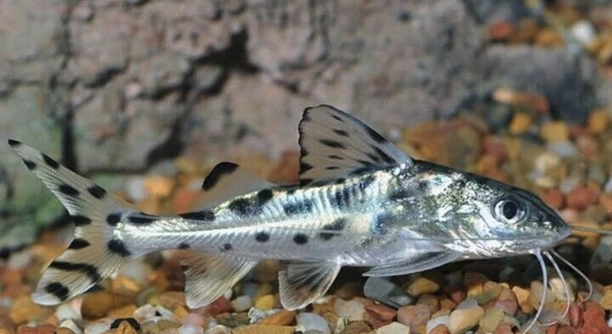
Many fish owners enjoy keeping Pictus catfish for their peaceful nature and unique appearance. Feeding these fish properly is important to keep them healthy and active in any home aquarium. Small mistakes in feeding can lead to big problems over time.
Feeding Pictus catfish incorrectly often results from overfeeding, improper food types, or poor feeding schedules. Avoiding these errors helps maintain water quality and supports the fish’s digestive health, promoting longer life and better behavior.
Learning the right way to feed Pictus catfish improves their well-being and keeps your aquarium environment balanced and clean. This article highlights common feeding mistakes to help you care for your fish better.
Overfeeding Pictus Catfish
Overfeeding is a common mistake many aquarium keepers make with Pictus catfish. These fish are bottom feeders and will eat a lot if food is constantly available. However, too much food can cause poor water quality and health issues like obesity or digestive problems. Pictus catfish do best when fed small amounts once or twice a day. Their natural diet includes insects and small crustaceans, so providing sinking pellets or frozen foods mimics this well. Uneaten food should be removed quickly to prevent decay, which harms water conditions. By controlling portion size, you help your fish stay healthy and your tank cleaner. It’s important to observe how much your catfish actually eat and adjust the feeding accordingly. Regular feeding schedules are better than leaving food in the tank all day.
Feeding smaller amounts more frequently keeps the fish active and prevents waste buildup.
Consistent feeding habits create a balanced environment. Avoid adding food until the fish finishes their previous meal. This reduces leftover debris and helps maintain stable water chemistry. Using a feeding ring can concentrate food in one area, making it easier for the fish to find and for you to monitor leftovers. This careful approach supports both the fish’s health and tank cleanliness.
Choosing the Right Food
Using the wrong type of food can affect your Pictus catfish’s health. They need a diet rich in protein and nutrients that resemble their natural intake. Avoid feeding only flakes or pellets designed for tropical fish that prefer plant-based diets. Instead, look for sinking pellets, frozen bloodworms, or brine shrimp. These foods are easier for bottom dwellers to consume and digest.
Providing variety in their diet ensures they get the nutrients needed for growth and activity.
Including occasional live or frozen foods also helps simulate natural feeding behavior, which reduces stress and boredom. Be careful with processed foods that contain fillers or dyes, as these can cause health problems over time. Properly storing and thawing frozen foods is important to avoid bacterial contamination. Regularly rotating food types helps maintain balanced nutrition and keeps your catfish interested at mealtime. Feeding only appropriate foods prevents digestive problems and supports overall well-being.
Feeding at the Wrong Time
Feeding Pictus catfish at irregular times can stress them out. These fish prefer a consistent routine that matches their natural activity patterns.
Pictus catfish are most active during dawn and dusk, so feeding them in the early morning or late evening works best. Feeding during the middle of the day can cause less interest in food and waste more. Consistent timing also helps regulate their digestion and reduces leftover food in the tank. When they know when to expect food, they become calmer and healthier. Setting a regular schedule supports their natural habits and tank balance.
Feeding right before lights go off can encourage nighttime foraging. This simple timing adjustment improves their overall well-being and activity.
Ignoring Water Quality After Feeding
Food leftovers can quickly pollute the tank if not removed, leading to poor water quality. This affects your Pictus catfish’s health negatively.
Poor water quality causes stress, lowers immunity, and increases the risk of disease. Uneaten food decomposes, raising ammonia and nitrate levels that harm fish. Regular water testing and prompt removal of leftovers are essential. Using a gravel vacuum to clean the bottom after feeding helps keep the substrate free of waste. It’s also helpful to avoid overfeeding, which reduces excess food and waste buildup. Clean water supports healthy gills and proper breathing for your catfish. Maintaining a good filter system and routine water changes helps maintain water parameters. Healthy water conditions lead to happier and longer-living Pictus catfish.
Feeding Only One Type of Food
Feeding only one type of food limits the nutrients your Pictus catfish receives. A varied diet is essential for balanced health.
Relying on a single food source can cause deficiencies and boredom. Rotating between sinking pellets, frozen foods, and occasional live treats ensures your catfish get protein, vitamins, and minerals. Variety also encourages natural feeding behaviors and keeps your fish interested at mealtime.
Feeding Too Often
Feeding too often leads to overeating and poor water quality. Pictus catfish only need small meals once or twice daily to stay healthy.
Not Monitoring Fish Behavior
Ignoring changes in your catfish’s eating habits can hide health problems. Watch for signs like reduced appetite or changes in activity after feeding.
FAQ
How much should I feed my Pictus catfish?
Pictus catfish should be fed small amounts once or twice a day. A good rule is to offer only what they can eat within 2-3 minutes. Overfeeding causes leftover food to decay, which harms water quality. Observing your fish during feeding helps you adjust the amount to their appetite.
What types of food are best for Pictus catfish?
Sinking pellets designed for carnivorous fish are ideal since Pictus catfish feed at the bottom. Frozen or live foods like bloodworms, brine shrimp, and small insects add variety and nutrition. Avoid flakes or foods meant for herbivorous fish, as these lack the protein Pictus need.
Can I feed my Pictus catfish flakes?
Feeding flakes is not recommended because Pictus catfish are bottom feeders. Flakes float and may not reach them easily. They might eat flakes if they sink, but flakes don’t provide the necessary nutrition or mimic their natural diet.
Is it okay to feed them once a day?
Yes, feeding once a day is usually enough for healthy adult Pictus catfish. Some keepers prefer feeding twice a day in smaller amounts. The key is consistency and avoiding overfeeding. Young or growing fish may need slightly more frequent feeding.
What happens if I overfeed my Pictus catfish?
Overfeeding leads to poor water quality, obesity, and digestive problems. Uneaten food breaks down into harmful ammonia and nitrates. This can stress your fish and make them vulnerable to disease. Overfeeding also causes excess waste, which clogs filters and creates more tank maintenance.
How do I know if my fish is eating enough?
Watch your Pictus during feeding time. If they eagerly eat all food quickly and seem active afterward, their appetite is good. If food remains uneaten or they ignore feeding, it could indicate health issues or that you’re feeding too much or too little.
Can Pictus catfish eat vegetables?
Pictus catfish are primarily carnivorous, so vegetables are not a necessary part of their diet. They may nibble on soft veggies occasionally, but protein-rich foods should make up most of their diet.
Is live food better than frozen or pellets?
Live food can stimulate natural hunting behavior and offers fresh nutrition, but it’s not always necessary. Frozen foods are convenient and safe when properly stored. Pellets provide balanced nutrition and are easy to feed. A mix of these options is best.
Should I remove uneaten food after feeding?
Yes, removing leftover food helps maintain water quality and prevents harmful bacteria growth. Use a net or siphon to clean the tank bottom shortly after feeding if any food remains.
How often should I change the type of food?
Changing food types every few days or weekly is beneficial. It ensures your Pictus gets varied nutrients and prevents boredom. Rotate between pellets, frozen, and live foods for a balanced diet.
Can feeding mistakes affect fish behavior?
Yes, poor feeding habits can make Pictus catfish less active or more aggressive. Stress from hunger or poor water conditions can cause hiding or unusual swimming patterns. Proper feeding supports natural behavior and well-being.
Are supplements needed for Pictus catfish?
Supplements are usually unnecessary if you provide a balanced diet of pellets, frozen, and live foods. If you notice signs of poor health, consult a specialist before adding supplements.
Can feeding affect water temperature or chemistry?
Directly, no. But leftover food breaking down can change water chemistry, increasing toxins and possibly affecting temperature regulation indirectly. Keeping feeding controlled helps maintain stable tank conditions.
What is the best feeding schedule for Pictus catfish?
Feed once or twice daily at the same times each day, preferably during dawn or dusk. This matches their natural feeding rhythm and helps keep them calm and healthy.
Can I feed my Pictus catfish human food?
Avoid feeding human food as it often contains additives, salt, and spices harmful to fish. Stick to foods designed for aquatic animals to ensure safety and nutrition.
How do I introduce new foods to my Pictus catfish?
Introduce new foods gradually by mixing small amounts with their usual diet. Observe their reaction and adjust accordingly. Sudden changes can cause stress or digestive upset.
What signs show that feeding is going well?
Healthy appetite, clear eyes, bright colors, and active swimming are good signs. Clean tank water and no leftover food also indicate proper feeding.
Is fasting ever recommended for Pictus catfish?
Occasional fasting for 24 hours can help clear the digestive system and prevent overfeeding. Don’t fast too often, but once a week or every two weeks can be beneficial.
How important is feeding location in the tank?
Feeding at the bottom is important for Pictus catfish since they are bottom dwellers. Using sinking food or feeding near the substrate helps reduce food waste and ensures they get enough to eat.
What should I do if my Pictus catfish refuses to eat?
Check water quality, feeding schedule, and food type first. Stress, illness, or poor water conditions can cause refusal. Try offering live or frozen foods to entice them. If the problem continues, consult an aquatic vet or specialist.
Proper feeding is one of the most important parts of caring for Pictus catfish. These fish need a balanced diet that matches their natural eating habits. Overfeeding or giving the wrong types of food can cause health problems and damage the aquarium environment. Keeping a regular feeding schedule and offering the right amount of food helps maintain water quality and supports the fish’s digestive health. Feeding once or twice a day with small portions is usually enough to keep Pictus catfish happy and healthy.
It is also important to provide variety in their diet. Pictus catfish do best with sinking pellets, frozen foods like bloodworms or brine shrimp, and occasional live treats. Feeding only one type of food limits the nutrients they get and can lead to deficiencies. Offering different foods keeps the fish interested and encourages natural feeding behavior. Removing any uneaten food quickly prevents water pollution and helps keep the tank clean. Watching your fish’s eating habits and adjusting the food amount or type is an important part of responsible care.
Finally, always pay attention to water quality after feeding. Uneaten food that sits in the tank breaks down and releases harmful chemicals. This can stress your fish and cause illness. Regular tank maintenance, including cleaning the substrate and performing water changes, is necessary to keep the environment healthy. Monitoring your Pictus catfish’s behavior and appetite can also tell you a lot about their well-being. Proper feeding and good tank care work together to ensure your Pictus catfish live a long, active, and healthy life.

Hello,
If you enjoy the content that we create, please consider saying a "Thank You!" by leaving a tip.
Every little bit helps us continue crafting quality advice that supports the health, happiness, and well-being of pets around the world, for pets of all shapes, sizes, and species.
We really appreciate the kindness and support that you show us!