
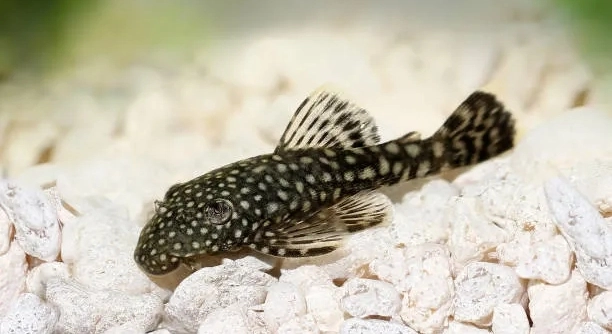
Bristlenose plecos are popular aquarium fish known for their hardy nature and unique appearance. Many fish keepers wonder how these bottom-dwellers adjust when moved to new tanks with different water conditions. Their adaptability is often praised.
Bristlenose plecos can adapt to new water if the transition is gradual and carefully managed. Maintaining consistent temperature, pH, and water quality during acclimation is critical to minimizing stress and ensuring the fish remain healthy and active.
Learning proper acclimation techniques will help your pleco thrive in its new environment and prevent common health issues associated with sudden water changes.
Understanding Bristlenose Pleco Water Needs
Bristlenose plecos thrive in freshwater environments with stable conditions. They prefer slightly acidic to neutral pH levels, usually between 6.5 and 7.5, and temperatures ranging from 73°F to 81°F. Sudden fluctuations in temperature or pH can stress the fish, leading to reduced appetite or weakened immunity. Regular water testing helps identify potential changes before they become harmful. Plecos are sensitive to ammonia, nitrites, and nitrates, so a well-maintained filtration system is crucial. Providing hiding spaces and gentle water flow allows them to feel secure, reducing stress. They feed on algae, sinking pellets, and occasional vegetables like zucchini or cucumber. Feeding them the right amount prevents water contamination, maintaining clean conditions. Consistent care ensures that the pleco adjusts smoothly to its habitat. Observing behavior during the first few days can reveal if they are adapting properly, allowing adjustments to feeding schedules, water changes, or tank placement.
Proper water maintenance ensures a healthy environment and promotes the pleco’s long-term well-being.
Monitoring these parameters closely will help prevent issues before they escalate, supporting a stable tank environment and happier fish.
Gradual Acclimation Techniques
Slow acclimation reduces stress and improves survival rates.
A common method involves floating the pleco in its bag within the new tank for 20–30 minutes. Gradually add small amounts of tank water to the bag every 5–10 minutes, allowing the fish to adjust to temperature and chemical differences. After an hour, gently release the fish into the tank. Avoid sudden transfers or pouring water from the bag directly into the tank, which can shock the fish. Observe the pleco for the first 24 hours, noting activity levels and feeding response. Keep the tank dimly lit initially to reduce stress.
Gradual acclimation is critical to prevent shock, maintain immune function, and support overall health. Proper preparation ensures the pleco adapts comfortably to its new environment, promoting longer-term adjustment. Using a consistent routine for acclimation, including monitoring water parameters and adjusting gradually, minimizes stress. Additional steps, such as ensuring stable temperature and pH, providing hiding spots, and limiting disturbances, further improve the pleco’s comfort. This method reduces the likelihood of disease and encourages normal feeding behavior. Patience during this period makes a significant difference, as plecos are resilient but sensitive to abrupt changes. Even small oversights in water chemistry or timing can cause stress, so careful attention is essential. Following these practices consistently helps the pleco settle quickly, allowing it to thrive in its new tank. Observing subtle behaviors, like exploring the tank or interacting with decor, signals successful adaptation.
Signs of Stress in Bristlenose Plecos
Lethargy, loss of appetite, and clamped fins are common signs that a pleco is stressed. Changes in coloration or hiding excessively may also indicate discomfort with the tank environment.
Stress in plecos often arises from sudden water changes, poor water quality, or incompatible tank mates. Observing their behavior closely helps identify problems early. Reduced movement, unusual swimming patterns, or frequent rubbing against surfaces can signal irritation or illness. Addressing water parameters, adjusting feeding routines, and providing adequate hiding spots can help the pleco regain normal behavior. Early detection prevents long-term health issues and promotes smoother adaptation.
Stress can affect immunity, making plecos more susceptible to infections. Maintaining stable conditions and a consistent routine supports their overall health. Observing subtle signs daily helps ensure they remain comfortable and resilient. Adjusting temperature, water chemistry, or tank layout promptly reduces stress levels and supports gradual acclimation. Providing high-quality food and minimizing sudden disturbances further encourages recovery. Recognizing these signs early allows for timely intervention and a healthier, more active pleco.
Feeding Habits and Adaptation
Plecos may refuse food initially as they adjust to new water conditions.
Gradually offering familiar foods while introducing tank-specific algae or pellets encourages consistent eating. Some plecos prefer vegetables like zucchini, cucumber, or spinach, which should be blanched for easier consumption. Feeding in small amounts prevents water contamination and reduces stress. Observing which foods the pleco accepts helps establish a reliable diet. Overfeeding can lead to poor water quality and additional health concerns. Consistency in feeding schedules and portion control supports adaptation and overall well-being.
Monitoring their eating patterns over the first week provides insight into acclimation success. If a pleco consistently avoids food, testing water parameters or checking tank conditions is necessary. A balanced diet, combined with stable water quality, promotes healthy growth and resilience. Adding occasional protein sources, such as shrimp pellets, ensures nutritional variety. Offering food near hiding spots or shaded areas can encourage hesitant eaters. Patience during this period is essential, as plecos adjust slowly. Tracking food intake also helps identify stress or illness early, allowing corrective action to maintain a healthy tank environment.
Water Temperature and Stability
Bristlenose plecos prefer stable temperatures between 73°F and 81°F. Sudden changes can stress them, leading to lethargy or reduced appetite.
Using a reliable heater and thermometer ensures consistent temperature. Avoid placing the tank near drafts or direct sunlight, which can cause fluctuations and disrupt their comfort.
Importance of pH Balance
Maintaining a pH between 6.5 and 7.5 is crucial for plecos. Water that is too acidic or alkaline can cause stress and affect overall health. Regular testing helps detect any shifts early.
Adjustments should be gradual using safe buffers or conditioners. Rapid changes can shock the fish, weakening immunity and making them prone to disease. Observing behavior after pH adjustments ensures the pleco is adapting well.
Tank Cleanliness
Regular water changes and filtration are essential for a healthy pleco. Dirty water can lead to illness and poor adaptation.
Observing Behavioral Changes
Tracking swimming patterns, hiding frequency, and feeding habits reveals how well a pleco is adjusting to its new environment.
FAQ
How long does it take for a bristlenose pleco to adjust to new water?
Adjustment time varies, but plecos usually begin showing normal behavior within a few days to a week if the water conditions are stable. Gradual acclimation and maintaining consistent temperature, pH, and water quality are key to a smooth transition. Observing eating habits and activity levels helps gauge adaptation.
Can bristlenose plecos survive sudden water changes?
Sudden changes are stressful and can compromise immunity, making the fish more susceptible to disease. Immediate transfer without acclimation should be avoided. If unavoidable, closely monitor the pleco for signs of stress, such as clamped fins, lethargy, or reduced appetite, and adjust conditions quickly.
What are the signs that a pleco is not adapting properly?
Common signs include hiding constantly, refusing food, unusual swimming patterns, and faded coloration. Rubbing against surfaces or gasping at the water surface may indicate irritation or poor water quality. Detecting these signs early allows corrective measures, like adjusting temperature, pH, or providing additional hiding spots.
Should I use water conditioners during acclimation?
Yes, water conditioners can neutralize chlorine, chloramines, and heavy metals, reducing stress on the pleco. Adding them gradually during the acclimation process ensures a safer transition. Proper use supports gill health and overall immune function, helping the fish settle more comfortably into the new tank.
How often should I check water parameters during the first week?
Daily monitoring of temperature, pH, ammonia, nitrite, and nitrate levels is recommended. This helps identify potential problems before they affect the fish. Keeping a log can make trends easier to track and allows for timely adjustments to maintain a stable environment.
Is it normal for a pleco to hide a lot at first?
Yes, plecos are naturally shy and use hiding spots to feel secure. During the first few days, increased hiding is normal. Providing caves, driftwood, or dense decor helps them feel safe. Over time, they will explore the tank more as they become comfortable with the new environment.
Can feeding habits indicate adaptation progress?
Absolutely. A pleco that begins eating regularly within a few days is likely adjusting well. Refusal to eat can signal stress or water issues. Offering familiar foods initially, then gradually introducing tank-specific algae or vegetables, encourages feeding and helps maintain water quality.
How important is tank size for adaptation?
A properly sized tank reduces stress and provides adequate space for swimming and hiding. Overcrowding or a too-small tank can cause competition and limit movement, hindering adaptation. A minimum of 20 gallons for a single pleco is generally recommended, with larger tanks preferred for multiple fish.
Should I adjust feeding during acclimation?
Feeding smaller amounts more frequently can prevent water quality issues while ensuring the pleco receives nutrition. Blanched vegetables and sinking pellets are ideal. Gradual adjustment to the tank’s food options helps the pleco maintain regular eating habits and supports smooth adaptation.
Can plecos adapt to slightly different water hardness?
Bristlenose plecos tolerate moderate differences in hardness if changes are gradual. Rapid shifts can cause stress or digestive issues. Monitoring their behavior and feeding response helps determine whether the fish is adjusting well. Using buffers or conditioners can aid in gradual acclimation to new hardness levels.
Is lighting important during adaptation?
Yes, bright lighting can stress plecos initially. Dim lighting or shaded areas encourage them to explore and eat without feeling exposed. Over time, they will adjust to normal tank lighting. Providing hiding spots near light sources can help reduce anxiety and support adaptation.
How long should I monitor behavior closely?
The first week is critical, but continuing to observe the pleco for the first month ensures it is fully adjusted. Look for normal swimming, feeding, and interaction with the tank environment. Adjustments in water quality, hiding spaces, or feeding routines can be made based on these observations.
Can stress lead to disease during adaptation?
Yes, stress weakens immunity, making plecos more prone to bacterial or fungal infections. Maintaining stable water conditions, proper diet, and minimal disturbances reduces the risk. Early intervention when stress signs appear is essential to prevent illness and support long-term health.
What steps help a pleco adapt faster?
Gradual acclimation, stable water parameters, adequate hiding spots, consistent feeding, and careful monitoring all help plecos adjust more comfortably. Avoid sudden changes in temperature, pH, or tank setup. Patience and attentive care are the most effective ways to support successful adaptation.
Are tank mates a factor in adaptation?
Yes, aggressive or overly active fish can stress plecos. Choosing compatible, calm species and providing sufficient hiding spaces ensures the pleco can settle without constant disturbance. Observing interactions during the first few days helps determine if the tank dynamics are suitable for long-term adaptation.
Can plecos adapt to tap water directly?
Direct transfer from tap water is not recommended. Tap water often contains chlorine, chloramines, and fluctuating minerals that can stress plecos. Using conditioners and gradual acclimation allows safe adaptation. Testing parameters beforehand ensures a stable environment for healthy adjustment.
How do I know when a pleco is fully adapted?
Signs include consistent feeding, normal swimming, exploring the tank, and displaying natural behaviors like grazing on algae. Reduced hiding and active interaction with the environment indicate comfort. Continued observation confirms that the pleco has fully acclimated and is thriving in its new water conditions.
Can repeated water changes affect adaptation?
Frequent or large water changes can stress a pleco if parameters fluctuate. Maintaining a consistent routine and using partial water changes helps stabilize the environment. Small, regular changes prevent buildup of harmful compounds while minimizing stress, supporting healthy adaptation and long-term well-being.
Is it necessary to quarantine plecos before introducing them?
Quarantine is recommended to prevent introducing diseases to an established tank. A separate tank allows monitoring of adaptation, feeding, and health. It also reduces stress caused by aggressive tank mates and allows controlled acclimation to new water conditions.
How does age affect adaptation?
Younger plecos are generally more adaptable but may be more sensitive to poor water conditions. Older plecos are resilient but can take longer to adjust. Providing stable water parameters, proper diet, and hiding spots supports adaptation at any age.
What role does tank decor play in adaptation?
Hiding spots, driftwood, and plants provide security and reduce stress. Decor encourages natural behaviors and grazing, helping plecos adjust faster. A well-structured tank supports comfort, feeding, and exploration while minimizing conflict with other fish.
How important is patience during acclimation?
Patience is crucial. Plecos may take days or weeks to fully adjust. Rushing changes or forcing interaction can increase stress. Observing behavior, maintaining water stability, and allowing the fish to adapt at its own pace ensures long-term health and a smooth transition.
Can water flow affect adaptation?
Yes, strong currents can stress plecos, especially during initial acclimation. Gentle water flow and calm areas allow them to explore and feed comfortably. Adjusting filter output or adding barriers helps create suitable conditions for gradual adaptation.
Should I monitor ammonia and nitrite closely?
Yes, even small spikes can stress plecos and disrupt adaptation. Regular testing ensures safe levels and allows timely interventions, like partial water changes or improved filtration. Maintaining stable, clean water is essential for a successful transition.
Is it normal for plecos to hide more at night initially?
Yes, hiding is a natural response to stress or new environments. Plecos are nocturnal and tend to be more active at night. Observing behavior during the first week helps gauge adaptation and indicates whether adjustments are needed.
How can I make acclimation less stressful?
Gradual water mixing, stable temperature, adequate hiding spaces, gentle lighting, and careful monitoring reduce stress. Consistent feeding routines and minimal disturbances support comfort, while observing subtle behavioral changes helps ensure successful adaptation.
Can plecos adapt to water with different hardness?
Yes, if changes are gradual. Sudden shifts can cause stress or digestive problems. Using buffers or conditioners and observing behavior ensures a smoother transition. Consistent monitoring of water chemistry supports long-term adaptation.
What is the best feeding schedule during acclimation?
Small, frequent meals support eating habits without affecting water quality. Introduce familiar foods first, then gradually include tank-specific options like algae wafers or blanched vegetables. This encourages consistent feeding and helps the pleco adjust comfortably.
How do I handle multiple plecos in a new tank?
Provide plenty of space, hiding spots, and feeding areas. Monitor interactions closely to prevent stress or territorial disputes. Gradual acclimation for each fish, along with consistent water conditions, supports a smooth transition for all plecos.
How long should I continue observing after the first week?
Continue monitoring for at least a month. Look for normal swimming, feeding, and interaction with the tank. Adjust water parameters, feeding, or decor as needed to ensure full adaptation. Patience and attention during this period are essential for long-term health.
Can adding live plants help adaptation?
Yes, plants provide hiding spots, reduce stress, and support natural behaviors. They also improve water quality by absorbing nitrates, making the tank environment more stable and comfortable for plecos during the adjustment period.
Is it necessary to reduce light during acclimation?
Dimmed or indirect lighting helps reduce stress and encourages exploration. Bright light can make plecos hide more and eat less. Gradually introducing normal lighting allows them to adjust comfortably.
How do I prevent disease during adaptation?
Maintain stable water parameters, provide a proper diet, monitor behavior, and minimize stress. Quarantine new fish and avoid sudden changes in environment. Early detection of abnormal signs and prompt corrective actions reduce the risk of illness during this period.
Can plecos adapt if tank conditions are slightly off?
Yes, but adaptation may take longer. Minor deviations in pH, temperature, or hardness are manageable if changes are gradual. Monitoring behavior and adjusting conditions as needed ensures a safer transition and supports overall health.
How often should I clean the tank during acclimation?
Partial water changes every few days help maintain quality without causing stress. Avoid large, sudden changes. Gentle cleaning supports stable conditions and allows the pleco to adjust comfortably.
What if a pleco refuses food for several days?
Check water parameters, temperature, and pH. Provide familiar foods near hiding spots and reduce disturbances. If refusal persists, consider quarantine or consulting a veterinarian. Gradual reintroduction of food encourages feeding and supports adaptation.
Does tank size impact stress during adaptation?
Yes, adequate space reduces competition and allows hiding. Overcrowded or small tanks increase stress, limit movement, and slow adaptation. A minimum 20-gallon tank per pleco is recommended for comfortable acclimation.
Can plecos adapt to new water without hiding spots?
Hiding spots are critical for reducing stress. Without them, plecos may hide excessively or show abnormal behavior. Adding caves, driftwood, or plants supports comfort and encourages normal exploration during acclimation.
Are plecos more sensitive to water changes than other fish?
They can be more sensitive due to their bottom-dwelling nature and slow adjustment to new conditions. Gradual acclimation and careful monitoring help prevent stress and ensure successful adaptation.
How do I know acclimation is complete?
Consistent eating, normal swimming, reduced hiding, and exploration indicate full adaptation. Observing these behaviors over several weeks confirms the pleco is comfortable and thriving in its new water environment.
Bristlenose plecos are hardy fish, but they still require careful attention when introduced to new water. Sudden changes in temperature, pH, or water chemistry can stress them, which may affect their health and behavior. Gradual acclimation is the most effective way to help them adjust. This includes floating the fish in its transport bag, slowly mixing small amounts of tank water, and monitoring them during the transition. A stable environment with consistent water parameters allows the pleco to explore its new tank, eat normally, and show natural behaviors without unnecessary stress. While plecos are resilient, providing stability in the first few days is critical to preventing long-term health issues. Observing behavior closely during this period is an important part of ensuring successful adaptation.
Water quality plays a major role in the well-being of plecos. Ammonia, nitrites, and nitrates should be checked regularly, especially during the first few weeks in a new tank. A proper filtration system and regular partial water changes maintain clean conditions and reduce stress. Plecos also benefit from hiding spots and a gentle water flow that mirrors their natural habitat. Adding driftwood, plants, or caves provides shelter and encourages natural grazing behavior. Feeding should be consistent but not excessive, offering a balance of algae, sinking pellets, and blanched vegetables. Maintaining this routine supports a healthy immune system, reduces stress, and allows the pleco to adapt more comfortably. Attention to these details makes a noticeable difference in how quickly and effectively a pleco adjusts to its new environment.
Behavioral observation remains essential throughout the acclimation process. Signs of stress, such as hiding excessively, refusing food, or unusual swimming patterns, should be addressed immediately. Gradual changes in water parameters, sufficient feeding, and minimizing disturbances can help the pleco recover and adapt. Patience is key, as some plecos take longer than others to settle fully. By creating a stable, supportive environment and monitoring their responses closely, you can help your bristlenose pleco thrive in its new tank. Long-term success depends on consistent care, proper water maintenance, and understanding the pleco’s needs. With careful attention and a structured approach, your pleco can live a healthy, active life while adjusting smoothly to new water conditions.

Hello,
If you enjoy the content that we create, please consider saying a "Thank You!" by leaving a tip.
Every little bit helps us continue crafting quality advice that supports the health, happiness, and well-being of pets around the world, for pets of all shapes, sizes, and species.
We really appreciate the kindness and support that you show us!