
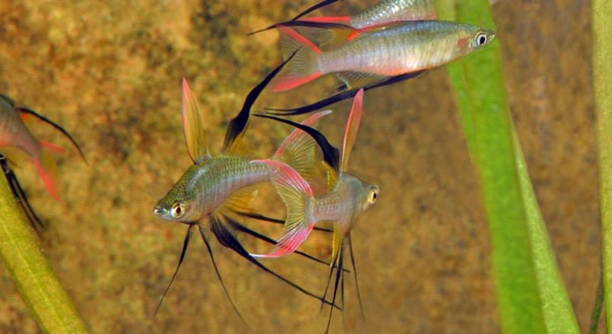
Threadfin Rainbowfish are colorful and lively fish that bring charm to any aquarium. Observing their behavior can be rewarding, especially during feeding times when they eagerly approach their favorite foods. However, sometimes they may suddenly refuse to eat.
There are several reasons why Threadfin Rainbowfish might reject food, including stress, illness, poor water quality, dietary changes, or incompatibility with certain food types. Each factor can impact feeding behavior, and addressing them promptly helps maintain the fish’s health and appetite.
Understanding why these fish turn away from their preferred food is essential for their well-being. Identifying the causes early can prevent further issues and promote a healthier aquarium environment.
Stress and Environmental Changes
Threadfin Rainbowfish are sensitive to changes in their environment. Sudden shifts in water temperature, lighting, or tank placement can make them feel unsettled. Even moving decorations or adding new fish can cause stress, which may lead to a temporary refusal of food. They need stability to feel secure. Consistent water parameters, gentle handling, and a calm environment help them stay comfortable. Observing their behavior closely after any changes can reveal signs of stress early. Sometimes stress is subtle, like hiding or reduced swimming, but it can still impact appetite. Maintaining a clean tank, providing hiding spots, and avoiding sudden changes reduces stress significantly. Over time, as they acclimate, their willingness to eat should return. Patience is key; forcing them to eat may worsen the problem. A steady, calm routine supports their health and encourages regular feeding behavior, creating a peaceful aquarium.
Stress is often temporary but must be managed to prevent long-term health issues.
Even minor environmental changes can affect Rainbowfish. Lighting, temperature, and water chemistry influence comfort levels, while overcrowding or aggressive tank mates add pressure. Proper acclimation after changes ensures their appetite returns quickly, supporting overall health. Monitoring behavior daily helps detect stress early and allows adjustments before it impacts feeding. Providing a stable, predictable environment promotes normal activity and encourages them to resume eating. Simple steps like gentle water changes, consistent feeding schedules, and safe hiding spaces reduce anxiety. Observing their interactions with other fish and surroundings can indicate if they feel threatened. With careful attention, most Rainbowfish recover from temporary stress, maintaining their vibrant activity and regular diet.
Illness and Health Concerns
Loss of appetite can signal illness in Threadfin Rainbowfish.
Fish may refuse food due to internal parasites, bacterial infections, or organ issues. Symptoms often include lethargy, unusual swimming, or color changes. Addressing illness quickly is crucial to prevent worsening conditions. Water quality plays a significant role in preventing disease. Regular testing and maintenance minimize risk. Quarantining new fish before adding them to the main tank reduces transmission of pathogens. Proper nutrition strengthens immunity, making fish less prone to health problems. If a fish stops eating consistently, consulting a veterinarian or aquatic specialist ensures proper diagnosis. Early treatment can restore appetite and prevent long-term damage. Monitoring water temperature, pH, and cleanliness also supports recovery and overall vitality. Observing both individual behavior and group dynamics helps detect issues before they become severe. Healthy Rainbowfish are more likely to enjoy their food consistently, maintaining their colorful appearance and energy levels.
Dietary Changes
Sudden changes in diet can cause Threadfin Rainbowfish to refuse food. Introducing new flakes, pellets, or live foods too quickly may confuse their senses, leading to temporary rejection. Gradual transitions work best to keep feeding consistent.
Gradually mixing new food with their regular diet helps Rainbowfish adjust without stress. Abrupt changes can disrupt appetite and digestion. Observing their reactions to new foods allows you to determine what they prefer and ensures nutritional needs are met. Over time, slowly increasing the proportion of the new food encourages acceptance. Consistency and patience are key when introducing any dietary change. Feeding at the same time daily also helps maintain routine and appetite.
Some Rainbowfish may have personal preferences within a diet, favoring certain textures or flavors. Offering a variety while monitoring reactions ensures a balanced diet. Rotating foods can prevent boredom, encourage natural feeding instincts, and support overall health. Patience during dietary transitions maintains appetite and reduces feeding stress.
Water Quality Issues
Poor water conditions often lead to feeding refusal. High ammonia, nitrite, or nitrate levels create stress and discomfort, directly affecting appetite.
Regular water testing is essential to maintain optimal conditions. Threadfin Rainbowfish thrive in clean, stable water with consistent temperature and pH levels. Filtration and partial water changes help remove harmful chemicals and waste. Sudden spikes in contaminants can cause immediate stress and loss of appetite. Observing water clarity, odor, and fish behavior indicates potential problems early. Maintaining proper aeration and avoiding overcrowding also supports water quality.
Even small fluctuations in water parameters can impact Rainbowfish feeding habits. Temperature swings, improper pH, or insufficient oxygen reduce energy levels and suppress appetite. Keeping water conditions steady ensures fish remain active and healthy. A routine of partial water changes, monitoring chemical levels, and checking filtration performance protects fish from stress and illness. Proper water maintenance enhances feeding behavior, encourages natural activity, and supports vibrant coloration. By prioritizing water quality, appetite issues related to environmental factors can often be prevented effectively.
Aggressive Tank Mates
Aggressive or overly active fish can intimidate Threadfin Rainbowfish, causing them to avoid food. Fear and stress from bullying reduce their willingness to eat and may lead to hiding.
Separating aggressive species or providing ample hiding spots encourages peaceful feeding. Ensuring enough space and visual barriers minimizes conflicts and protects timid Rainbowfish during mealtime.
Overfeeding
Overfeeding can cause Rainbowfish to refuse food. When fish are given too much at once, they may feel full or lose interest quickly, impacting appetite and health. Moderation ensures they remain eager for regular meals.
Seasonal and Natural Feeding Patterns
Threadfin Rainbowfish may reduce food intake during seasonal changes or natural feeding cycles. Fluctuations in light, temperature, or water conditions can affect metabolism and appetite. Observing their behavior helps adjust feeding routines accordingly.
Poor Food Quality
Low-quality or stale food can discourage Rainbowfish from eating. Nutrient-rich, fresh options maintain interest and support health, while old or improperly stored food may lead to rejection.
How can I tell if my Threadfin Rainbowfish is stressed?
Stress in Rainbowfish can appear through several signs. They may hide more than usual, swim erratically, or lose interest in food. Color fading is another common symptom, as stressed fish often display duller hues. Rapid gill movement or staying near the surface can also indicate discomfort. Monitoring behavior closely after changes in the tank helps identify stress early. Adjusting the environment gradually, providing hiding spots, and avoiding sudden disturbances can reduce stress and restore normal feeding patterns.
What should I do if my fish refuses food due to illness?
If a Rainbowfish stops eating and shows additional symptoms like lethargy, bloating, or abnormal swimming, illness may be the cause. Quarantining the affected fish helps prevent spreading disease. Testing water parameters ensures conditions are not worsening the problem. Administering appropriate treatment for bacterial or parasitic infections is essential, often following guidance from a veterinarian or aquatic specialist. Maintaining a balanced diet and proper tank conditions supports recovery. Careful observation and timely intervention often restore appetite and overall health.
Can poor water quality really make my fish stop eating?
Yes, water quality directly affects appetite. High ammonia, nitrites, or nitrates create a toxic environment, stressing the fish and reducing feeding interest. Even subtle changes in pH, temperature, or oxygen levels can impact their metabolism. Regular testing, partial water changes, and proper filtration prevent these issues. Overcrowding and lack of aeration also contribute to stress and feeding problems. By keeping water stable and clean, Rainbowfish are more likely to maintain a healthy appetite and normal behavior.
Why does my Rainbowfish ignore new food?
Sudden dietary changes can confuse Rainbowfish, leading them to reject new food. Mixing new items gradually with their regular diet encourages acceptance. Observing reactions helps determine preferences and avoid nutritional gaps. Feeding at consistent times and providing variety supports appetite while preventing boredom. Rotation of different textures and flavors helps maintain interest, supports natural feeding instincts, and promotes balanced nutrition. Patience during these transitions ensures fish remain healthy and gradually accept new food without stress or digestive issues.
How do tank mates influence feeding behavior?
Aggressive or overly active fish can intimidate Rainbowfish, causing them to avoid meals. Timid fish may hide during feeding or get pushed away from food. Providing ample hiding spots and visual barriers allows them to eat in peace. Separating incompatible species or ensuring enough space reduces stress. Careful observation of social dynamics within the tank helps identify potential conflicts early, preventing long-term appetite problems. Maintaining a calm, balanced environment encourages all fish to feed normally and supports overall tank harmony.
Can seasonal changes affect my Rainbowfish’s appetite?
Rainbowfish may naturally reduce food intake during seasonal shifts or changes in light, temperature, and water conditions. These fluctuations can affect metabolism and feeding routines. Adjusting feeding times, portion sizes, and diet types can help accommodate seasonal changes. Observing behavior during these periods allows you to maintain health and ensure they receive sufficient nutrition. Stable water conditions and proper acclimation reduce the impact of seasonal variations on appetite. Recognizing natural feeding cycles helps prevent overfeeding or underfeeding during transitional periods.
What type of food should I offer to maintain interest?
Fresh, nutrient-rich food is essential for sustaining Rainbowfish appetite. Low-quality or stale food can lead to refusal and poor health. Offering a mix of flakes, pellets, and live or frozen options keeps feeding engaging. Rotating foods ensures balanced nutrition and prevents boredom. Proper storage and attention to expiration dates maintain freshness. By observing preferences, you can tailor portions and food types to encourage consistent eating. Balanced feeding practices support growth, vibrant colors, and long-term well-being.
Threadfin Rainbowfish are lively and beautiful additions to any aquarium, but their feeding habits can sometimes be unpredictable. Understanding the reasons behind their refusal to eat is essential for maintaining their health and ensuring they thrive in a tank environment. Stress, illness, water quality issues, dietary changes, and interactions with tank mates all play a significant role in how these fish respond to food. Observing their behavior closely allows you to detect early signs of problems, giving you the chance to address them before they escalate. Small changes in the environment, such as adjusting water temperature, providing hiding spots, or managing tank dynamics, can make a significant difference in their comfort and willingness to feed. Consistency and patience are key when working with Rainbowfish, as they need time to adapt to new routines or changes in their surroundings. By paying attention to their needs, you create a stable environment that encourages regular feeding and overall well-being.
Maintaining proper water quality is another critical factor for supporting appetite and overall health. High ammonia, nitrite, or nitrate levels can stress Rainbowfish and reduce their interest in food. Regular water testing, consistent filtration, and partial water changes help keep conditions stable and safe. Clean water, proper aeration, and a balanced temperature range allow fish to remain active and healthy, making them more likely to feed consistently. In addition to water quality, offering fresh, nutrient-rich foods is essential. Rainbowfish may reject stale or low-quality food, which can lead to nutritional deficiencies and health issues. Providing a variety of flakes, pellets, and live or frozen options keeps feeding interesting while ensuring they receive the nutrients they need. Gradual dietary changes and observing preferences can prevent feeding issues and encourage acceptance of new food types.
Paying attention to social dynamics and tank conditions also supports feeding behavior. Aggressive or overly active tank mates can intimidate Rainbowfish, causing them to hide or avoid food. Providing sufficient space, visual barriers, and hiding spots helps them feel secure during mealtime. Seasonal changes or natural feeding cycles may also influence appetite, and adjusting feeding schedules or portion sizes can accommodate these shifts. By understanding the factors that influence their behavior, you can create a calm, stable environment that promotes consistent feeding and overall vitality. Careful observation, proper maintenance, and thoughtful management of diet and tank conditions ensure that Threadfin Rainbowfish remain healthy, active, and colorful.

Hello,
If you enjoy the content that we create, please consider saying a "Thank You!" by leaving a tip.
Every little bit helps us continue crafting quality advice that supports the health, happiness, and well-being of pets around the world, for pets of all shapes, sizes, and species.
We really appreciate the kindness and support that you show us!