
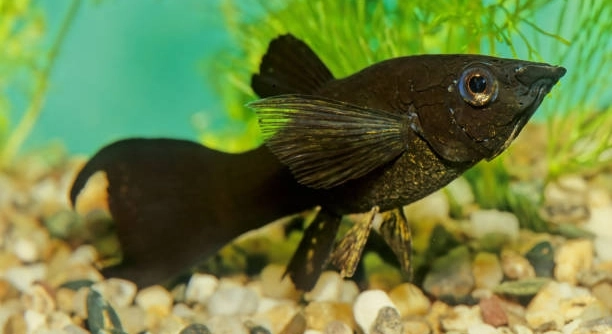
Black Molly fry are small and delicate, making their early days in the tank crucial for survival. Many hobbyists notice high mortality rates without realizing small changes can improve their chances of growing into healthy adults.
Providing a safe, stable environment with clean water, appropriate temperature, and proper nutrition significantly increases the survival rate of Black Molly fry. Regular monitoring, gentle handling, and limiting tank overcrowding are essential practices supported by research in freshwater fish care.
Learning how to protect these tiny fish during their first weeks can make a meaningful difference in any home aquarium. Proper care ensures they grow strong and thrive alongside adult mollies.
Creating a Safe Nursery Area
Providing a separate nursery area for Black Molly fry is essential for their survival. Fry are small and easily stressed by adult fish in a community tank, which can reduce their chances of reaching maturity. A small breeding box or a dedicated tank works best. It should have gentle filtration and calm water movement to avoid exhausting the fry. Adding fine-leaved plants or spawning mops gives them hiding spaces and reduces stress. Keep the water temperature stable, around 78–80°F, as sudden changes can cause shock or disease. Feed the fry small, frequent meals, such as infusoria or finely crushed flakes, to ensure consistent growth. Regular water changes of 10–15% every few days help maintain water quality without disturbing the fry too much. Observing their behavior can help identify if the environment meets their needs, as healthy fry will swim actively and explore their surroundings.
A well-prepared nursery reduces mortality and allows fry to grow in a calm, controlled setting, free from predators.
Monitoring water quality daily ensures the fry remain healthy and active, encouraging steady growth and development.
Proper Feeding Practices
Consistent feeding is key to raising strong Black Molly fry. Small portions given multiple times a day help prevent uneaten food from fouling the water.
Feeding should match their size, starting with microscopic food like infusoria or powdered fry food. Gradually introduce finely crushed flakes as they grow. Overfeeding can lead to poor water quality and disease. Remove uneaten food after a few minutes to maintain a clean environment. Observing their feeding behavior ensures they are receiving enough nutrition without waste. Young fry require high-protein diets to support rapid growth. Additionally, rotating foods provides balanced nutrients, improving color and health. Avoid large adult food, as fry may struggle to eat and digest it. By carefully adjusting feeding techniques over time, you can promote strong development, reduce stress, and increase survival rates. A thoughtful feeding routine also fosters active swimming and exploration, essential indicators of healthy fry. Consistency and attention to detail are the foundation for successfully raising Black Molly fry in a home aquarium.
Maintaining Stable Water Conditions
Stable water conditions are critical for fry survival. Sudden changes in temperature or pH can stress young Black Mollies and cause health problems. Maintaining consistent levels supports growth and prevents disease outbreaks.
Regular water testing helps detect changes early. Using a heater and gentle filtration keeps temperature and water movement steady. Avoid overcrowding, as this can quickly alter water chemistry. Removing debris and uneaten food during water changes prevents spikes in ammonia or nitrites, which are toxic to fry. Frequent partial water changes of 10–15% help maintain clarity and stability without shocking the fry.
Keeping water soft and slightly alkaline mirrors the natural habitat of Black Mollies. A balanced environment encourages healthy growth, active swimming, and proper feeding behavior. Even small fluctuations can affect appetite and development, so careful observation is necessary. Aeration should be gentle, allowing fry to swim freely without being forced against strong currents. Plants and floating cover also contribute to a stable microhabitat. By consistently monitoring and adjusting conditions, fry are more likely to survive to adulthood.
Separating Fry from Adults
Adult Black Mollies can eat fry if left together, making separation essential. A breeding box or separate tank reduces risk and improves survival.
Even small adult fish can unintentionally stress fry by chasing or nipping them. A dedicated space ensures fry have room to swim and access to food without competition. Observing fry daily helps spot signs of stress or illness early, allowing for quick intervention. Covering the nursery with plants or mops provides hiding spaces, making the environment less intimidating. Gentle water flow prevents fatigue and supports healthy development.
Separation also allows for controlled feeding routines, ensuring fry receive enough nutrition without interference. By keeping fry isolated, water quality is easier to maintain, as waste from adults does not accumulate in the nursery tank. Adjusting the tank setup gradually as fry grow helps them transition smoothly to a community environment later. This method increases survival rates significantly and promotes stronger, more active fish ready for integration with adults. Proper separation is one of the most effective ways to protect young Black Mollies during their early weeks.
Using Live Plants for Cover
Live plants offer essential hiding spots for Black Molly fry, reducing stress and increasing survival. Fine-leaved species like Java moss or hornwort are ideal.
Plants also improve water quality by absorbing nitrates and providing oxygen. Fry feel safer and are more likely to feed actively when they have dense cover.
Gentle Filtration
Gentle filtration keeps water clean without harming fry. Strong currents can exhaust or injure young fish. A sponge filter or adjustable flow filter works best in nursery tanks, ensuring water stays oxygenated while preventing fry from being sucked in. Proper filtration maintains clarity and supports healthy development.
Regular Monitoring
Daily observation helps detect issues early. Checking behavior, growth, and water conditions allows timely adjustments. Keeping notes of feeding responses and activity levels ensures fry remain healthy and reduces the likelihood of sudden problems in the tank.
Gradual Acclimation
Introducing fry to a new tank or environment should be done slowly. Sudden changes in water chemistry or temperature can shock them, so gradual acclimation increases their resilience and promotes steady growth in the long term.
How often should I feed Black Molly fry?
Black Molly fry require small, frequent meals to support their rapid growth. Feeding them three to five times daily with tiny portions ensures they get enough nutrients without polluting the water. Start with infusoria or specially prepared fry food, then gradually move to finely crushed flakes as they grow. Observing their eating behavior helps adjust portions, preventing overfeeding or starvation. Consistency is key for steady growth.
What type of water is best for Black Molly fry?
Fry thrive in clean, slightly alkaline water with a stable temperature around 78–80°F. Soft to moderately hard water mimics their natural habitat. Frequent partial water changes help maintain clarity and remove excess waste. Avoid sudden changes in pH, temperature, or hardness, as these can stress or kill fry. Using a gentle filter ensures water stays oxygenated without creating strong currents.
Can adult mollies stay in the same tank with fry?
Adult Black Mollies can unintentionally harm fry by chasing or eating them. Separating fry into a breeding box or nursery tank is essential for early survival. This separation also allows better control over feeding and water quality. Fry feel safer and feed more actively when adults are not present. Providing dense plants or spawning mops in the nursery offers extra cover for shy or weak fry.
How can I prevent disease in young fry?
Maintaining a clean, stable environment is the best way to prevent disease. Regular water testing, careful feeding, and partial water changes reduce the risk of harmful bacteria or parasites. Avoid overcrowding, and monitor fry for signs of illness, such as lethargy, discoloration, or unusual swimming patterns. Quarantining any sick fish immediately prevents disease from spreading. Gentle handling and clean tools also reduce infection risks.
When should fry be introduced to a community tank?
Fry should only join a community tank once they are large enough to avoid being eaten by adult fish. This typically happens after several weeks of growth, depending on feeding, water quality, and overall health. Gradual acclimation to the community tank helps them adjust to different water conditions and reduces stress. Providing plants and hiding spots in the new environment increases survival chances during the transition.
How can I encourage fry to eat solid food?
Start by offering very fine food such as powdered flakes or newly hatched brine shrimp. Observe their feeding closely, and gradually increase particle size as fry grow. Consistency and patience are key, as some fry take longer to adjust. Removing uneaten food promptly prevents water quality issues while encouraging fry to actively search for and consume their meals.
Is it necessary to test water daily for fry?
Daily water testing is highly recommended for nursery tanks. Fry are sensitive to ammonia, nitrite, and pH fluctuations, which can quickly become harmful. Testing helps detect early changes, allowing prompt adjustments. Monitoring temperature, hardness, and clarity ensures fry remain in optimal conditions, supporting steady growth and healthy development.
What plants are best for hiding fry?
Fine-leaved or dense plants such as Java moss, hornwort, or floating plants provide excellent cover. These plants allow fry to swim safely while reducing stress. They also contribute to water quality by absorbing nitrates and offering oxygen. Strategically placing plants throughout the nursery ensures fry always have nearby hiding spots, which encourages natural behavior and active feeding.
How much space do fry need?
Providing enough space is crucial to prevent stress and competition. Overcrowded tanks increase aggression and reduce growth rates. A separate nursery or breeding tank with ample swimming room allows fry to develop properly. Including plants and hiding spots distributes the population evenly, reduces conflicts, and promotes stronger, healthier fish ready for eventual integration with adults.
Can I use tap water for fry?
Tap water is acceptable if properly treated to remove chlorine or chloramine. Conditioning water before use prevents chemical burns or stress. Testing pH and hardness ensures it is suitable for Black Molly fry. Using stable, treated tap water helps maintain a safe environment, supporting growth and preventing early mortality in delicate young fish.
Raising Black Molly fry can feel challenging at first, but with careful attention and consistent care, it becomes manageable. These tiny fish are delicate in their first weeks, and small details can make a significant difference in their survival. Creating a safe and stable environment is the foundation for success. Using a separate nursery tank or breeding box helps fry avoid stress and prevents adults from accidentally harming them. Providing plants or other hiding spaces allows the fry to feel secure, which encourages them to swim freely and feed actively. Temperature, water chemistry, and gentle filtration are equally important, as sudden changes can easily shock the fry and affect their growth. By keeping water stable and clean, you are giving the young fish the best possible start in life.
Feeding is another critical part of raising healthy fry. Young Black Mollies require small, frequent meals to ensure proper growth and development. Starting with infusoria or powdered fry food is necessary, as fry cannot eat large flakes or adult food. Gradually transitioning to finely crushed flakes or other suitable options allows them to adjust while receiving the nutrition they need. Overfeeding can quickly degrade water quality, leading to stress and disease, so it is important to offer small portions and remove uneaten food promptly. Consistent feeding and careful observation help identify whether fry are eating well and thriving. A balanced diet, combined with a stable environment, supports strong development and increases the likelihood that fry will reach maturity without serious health issues.
Patience and careful monitoring are essential throughout the process. Observing the fry daily helps catch problems early, whether they are related to behavior, water quality, or growth. Small adjustments, such as correcting water parameters or improving hiding spaces, can prevent major setbacks. Separation from adults should continue until the fry are large enough to handle being in a community tank safely. Gradual acclimation, proper feeding, and attention to water conditions all contribute to the long-term health of the fish. Raising Black Molly fry requires dedication, but the results are rewarding. Healthy, active fry grow into vibrant adult mollies, providing enjoyment and satisfaction to any aquarium keeper. By maintaining consistent care, monitoring water and feeding habits, and providing a safe environment, it is possible to significantly increase survival rates and see the fry thrive.

Hello,
If you enjoy the content that we create, please consider saying a "Thank You!" by leaving a tip.
Every little bit helps us continue crafting quality advice that supports the health, happiness, and well-being of pets around the world, for pets of all shapes, sizes, and species.
We really appreciate the kindness and support that you show us!