
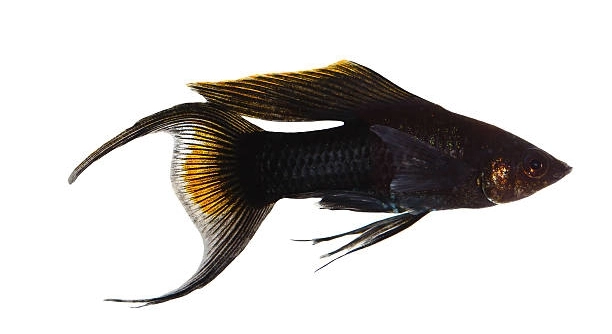
Caring for black mollies can be rewarding, but sometimes these fish face unexpected health challenges. Poor diet is a leading cause of many common problems that affect their appearance, behavior, and overall vitality in the aquarium.
Black mollies often develop issues such as stunted growth, bloating, weakened immunity, faded coloration, fin deterioration, swim bladder disorders, and increased susceptibility to disease when their nutritional intake is inadequate or imbalanced. Proper dietary management is crucial to prevent these problems.
Recognizing these dietary problems early can help you improve your mollies’ health and ensure a thriving, active aquarium environment for your fish.
Stunted Growth
When black mollies do not receive proper nutrition, their growth can be noticeably slowed. Inadequate protein and essential nutrients prevent them from developing fully, leaving them smaller than healthy fish of the same age. Over time, their bodies may appear thinner, and their fins might not reach full size. Juvenile mollies are especially affected because rapid growth during their early stages depends on a balanced diet rich in vitamins, minerals, and protein. Neglecting this can make them more vulnerable to disease and stress. Additionally, inconsistent feeding schedules or low-quality flake food can exacerbate the problem. Offering a mix of high-quality pellets, live or frozen foods, and occasional vegetables helps maintain proper growth. Observing their development regularly allows you to adjust their diet before stunted growth becomes permanent. Consistent nutrition is the key to ensuring that your black mollies grow at a healthy rate and maintain strong, vibrant bodies throughout their lives.
Proper nutrition is essential for normal growth in black mollies. Balanced feeding helps them reach their full size and maintain overall health.
Monitoring their diet carefully allows for adjustments before growth problems worsen. Consistent feeding supports strong, healthy fish that thrive in your aquarium.
Bloating and Digestive Issues
Overfeeding or feeding inappropriate foods can cause black mollies to bloat. Their digestive systems are sensitive, and excess food leads to swelling, discomfort, and abnormal swimming behavior.
Bloating can result from too many flake foods, low-quality pellets, or insufficient fiber. Feeding peas or small portions of vegetables can improve digestion and reduce swelling. Consistent feeding schedules prevent overfeeding and promote healthy digestion.
Some mollies may also develop constipation or swim bladder problems due to poor diet. Providing a variety of foods, including live or frozen options, ensures proper nutrient intake and digestive function. Observing your fish after feeding helps identify early signs of bloating, so corrective measures can be taken immediately. Adjusting the diet gradually, rather than making sudden changes, reduces stress on their digestive system. Keeping water clean and maintaining regular feeding routines further supports digestive health. Healthy mollies display normal swimming patterns, active behavior, and a balanced body shape without excessive bulging.
Faded Color
Poor diet often causes black mollies to lose their vibrant coloration. Lack of essential nutrients like carotenoids and vitamins can make their black scales look dull, affecting their overall appearance in the tank.
A balanced diet is critical for maintaining deep, rich colors. Foods high in natural pigments, such as spirulina, krill, or specially formulated color-enhancing flakes, help restore and preserve their black hue. Without these nutrients, mollies may appear washed out, making them more susceptible to stress. Consistent feeding of varied, high-quality foods improves coloration over time.
Other factors like stress and poor water quality can worsen color fading, but diet remains a primary factor. Regularly rotating food types, offering live or frozen options, and providing occasional vegetable matter supports both color and overall health. A well-fed molly not only looks better but behaves more energetically, adding vibrancy to the tank environment.
Fin Deterioration
Poor nutrition can weaken black mollies’ fins, causing fraying, tears, or slow regrowth. Low protein intake and vitamin deficiencies are often behind these problems.
Fin health depends on strong tissues supported by amino acids and vitamins. A diet lacking these essential nutrients slows regeneration and leaves fins vulnerable to damage from tank mates or decorations. Feeding high-quality pellets, live or frozen foods, and occasional vegetables ensures they receive the required nutrients. Proper water conditions combined with consistent feeding encourages faster healing and reduces the risk of infections.
Monitoring fin condition regularly helps catch early signs of deterioration. Addressing dietary gaps promptly can restore strength and appearance. Supplementing with occasional vitamin-enriched foods or fortified flakes can improve fin structure over time. Maintaining a balanced diet alongside clean water prevents recurring fin damage and promotes overall resilience, ensuring your mollies remain active and visually healthy in the aquarium.
Weak Immunity
A poor diet can lower black mollies’ immune response, making them prone to infections. Lack of vitamins and minerals reduces their ability to fight off common diseases in the aquarium.
Supporting immunity requires foods rich in vitamin C, vitamin E, and protein. High-quality pellets and live or frozen options strengthen their resistance.
Swim Bladder Problems
Improper feeding often leads to swim bladder disorders. Overfeeding, low-quality foods, or insufficient fiber can cause mollies to float abnormally or struggle to maintain balance. Maintaining a varied diet with proper portions, occasional vegetables like peas, and consistent feeding schedules helps prevent these issues and supports normal swimming behavior.
Increased Susceptibility to Disease
Without proper nutrition, black mollies are more likely to contract bacterial, fungal, or parasitic infections. Weak immune systems make recovery slower, and minor injuries or stress can escalate into serious health problems. Consistently offering balanced, nutrient-rich foods strengthens immunity and helps reduce the risk of recurring illnesses.
Behavioral Changes
Diet directly affects black mollies’ energy and activity levels. Malnourished fish may become lethargic, hide more often, or show decreased interest in swimming and interacting with other fish in the tank.
FAQ
What foods should I feed my black mollies to prevent health problems?
A varied diet is essential for black mollies. High-quality pellets designed for livebearers provide balanced nutrition. Supplementing with live or frozen foods such as brine shrimp, daphnia, and bloodworms adds protein and stimulates natural hunting behavior. Occasional vegetables like peas, spinach, or zucchini supply fiber and essential vitamins. Color-enhancing flakes or spirulina help maintain vibrant black coloration. Rotating food types ensures mollies receive a wide range of nutrients, preventing deficiencies that cause stunted growth, fin deterioration, or weakened immunity. Feeding small portions two to three times daily reduces the risk of bloating and swim bladder issues while promoting consistent growth and overall health.
How can I tell if my black molly is suffering from poor nutrition?
Signs of poor nutrition appear gradually. Watch for faded coloration, frayed fins, bloating, lethargy, abnormal swimming, or stunted growth. Reduced appetite or hiding more often than usual can also indicate dietary problems. Regular observation of their appearance, behavior, and energy levels helps detect early issues. Tracking weight and body shape, along with monitoring how actively they swim and interact, can reveal nutritional gaps. Sick fish often show pale or dull scales, thin bodies, and slow fin regeneration. Detecting these symptoms early allows adjustments in feeding practices to prevent long-term health complications and restore vitality.
Can overfeeding cause problems similar to a poor diet?
Yes. Overfeeding leads to bloating, constipation, and swim bladder disorders, even when the food is of high quality. Excess food decomposes in the tank, lowering water quality and increasing the risk of disease. Feeding in controlled portions and removing uneaten food after a few minutes prevents overfeeding. Balancing feeding quantity with the number of fish and their size ensures they receive sufficient nutrition without stressing their digestive system. Moderation is key; small, frequent feedings encourage digestion and support energy levels. Poor water conditions combined with overfeeding can worsen symptoms, so maintaining a clean environment alongside proper feeding is crucial.
How often should I feed black mollies to maintain optimal health?
Feeding black mollies two to three times per day is ideal. Each feeding should consist of a small portion they can consume in two to three minutes. This schedule prevents overfeeding while ensuring consistent nutrient intake. Adjust portions based on the number of fish and their size. Juveniles may need slightly more frequent feedings for proper growth, while adults thrive on controlled, balanced meals. Regular feeding routines reduce stress and promote healthy digestion. Observing how quickly they eat each portion provides guidance for adjusting the amount. Consistency in both timing and quantity helps maintain energy levels and overall health.
Are frozen and live foods necessary if I already feed high-quality flakes or pellets?
Yes, supplementing with live or frozen foods enhances diet quality. Pellets provide essential nutrients, but live or frozen options add variety, stimulate natural behaviors, and improve protein intake. Foods like brine shrimp, daphnia, or bloodworms support muscle development, boost immunity, and improve coloration. Occasional vegetable matter adds fiber, aiding digestion and preventing bloating. Combining multiple food sources ensures a more complete nutrient profile and reduces the risk of deficiencies. Rotating foods also prevents mollies from becoming picky eaters and encourages active foraging. This combination supports overall health, growth, and longevity in the aquarium.
What should I do if my black molly shows signs of poor diet?
Start by adjusting the diet immediately. Introduce high-quality flakes or pellets, live or frozen protein, and occasional vegetables to restore nutrients. Feed smaller portions multiple times daily to improve digestion and prevent bloating. Monitor water quality closely, as stressed or malnourished fish are more vulnerable to infections. Observe changes in behavior, coloration, and fin condition over time. Gradual improvements in appearance and activity indicate recovery. If symptoms persist, consult a veterinarian experienced with aquarium fish. Prompt action minimizes long-term damage and helps mollies regain strength, vibrant color, and normal behavior.
Can poor diet affect breeding in black mollies?
Yes. Malnourished mollies often produce fewer offspring, and fry may be weak or die shortly after birth. Proper nutrition before and during breeding is critical. Feeding protein-rich foods, live or frozen options, and vegetables supports reproductive health and increases the chances of healthy, viable fry. Balanced vitamins and minerals are essential for egg development and sperm quality. Consistent, high-quality feeding reduces stress during breeding and promotes energy levels required for mating behaviors. Monitoring diet carefully during this period ensures both adult fish and fry have the best chance for growth, survival, and long-term health in the aquarium.
How does water quality interact with diet in black molly health?
Even a perfect diet can’t compensate for poor water conditions. Uneaten food decomposes, increasing ammonia and nitrite levels, which stress mollies and weaken their immune system. Clean water enhances digestion, nutrient absorption, and overall vitality. Regular water changes, filtration, and monitoring of parameters like pH and hardness work in tandem with proper feeding to prevent disease. Malnutrition symptoms often worsen in polluted water. Maintaining a clean, stable environment allows mollies to benefit fully from a balanced diet, recover from minor health issues, and maintain energy, coloration, and normal behavior consistently.
Can supplements help if my mollies are not getting enough nutrients from food?
Supplements can be helpful in cases of deficiency. Vitamin-enriched flakes or liquid additives provide essential nutrients like vitamin C, E, and carotenoids that may be missing from regular diets. They support immunity, fin growth, coloration, and reproductive health. Use supplements carefully and according to instructions to avoid overdosing, which can harm fish and water quality. Supplements work best alongside a varied diet rather than as a replacement. Gradually introducing them allows you to monitor how mollies respond, ensuring improvements in health, behavior, and appearance without causing additional stress or complications in the tank.
Final Thoughts
Black mollies are beautiful, lively fish that can bring energy and color to any aquarium. Their health and appearance rely heavily on the food they receive. A poor diet can lead to stunted growth, bloating, weakened immunity, faded coloration, fin deterioration, swim bladder problems, and changes in behavior. Each of these issues affects not only how they look but also how they act and interact with their environment. Observing your mollies regularly allows you to notice changes early, making it easier to address nutritional problems before they become severe. Consistency in feeding, along with variety, is essential to maintaining strong, healthy fish that thrive over time.
Providing a balanced diet involves more than just feeding high-quality pellets or flakes. Including live or frozen foods, such as brine shrimp or daphnia, adds protein and stimulates natural behaviors, while occasional vegetables supply fiber and important vitamins. Color-enhancing flakes or spirulina can improve and maintain their black coloration, preventing them from looking dull or washed out. Portion control is equally important. Overfeeding, even with the best food, can cause bloating, swim bladder disorders, and poor water quality, all of which harm the health of your mollies. Small, frequent feedings, combined with a varied diet, ensure they receive all the nutrients they need while avoiding digestive problems. Clean water and proper tank maintenance further support their overall well-being.
The health of black mollies is closely tied to careful attention to both diet and environment. A consistent, nutrient-rich feeding routine helps them grow properly, maintain vibrant coloration, heal damaged fins, and resist disease. Paying attention to subtle changes in behavior or appearance can indicate when adjustments are needed, allowing you to prevent more serious health problems. By focusing on balanced nutrition, portion control, and monitoring tank conditions, you can create an environment where your black mollies are active, energetic, and visually striking. Taking these steps ensures that your fish remain healthy for years, giving you the satisfaction of watching them thrive while maintaining a lively, harmonious aquarium.

Hello,
If you enjoy the content that we create, please consider saying a "Thank You!" by leaving a tip.
Every little bit helps us continue crafting quality advice that supports the health, happiness, and well-being of pets around the world, for pets of all shapes, sizes, and species.
We really appreciate the kindness and support that you show us!