
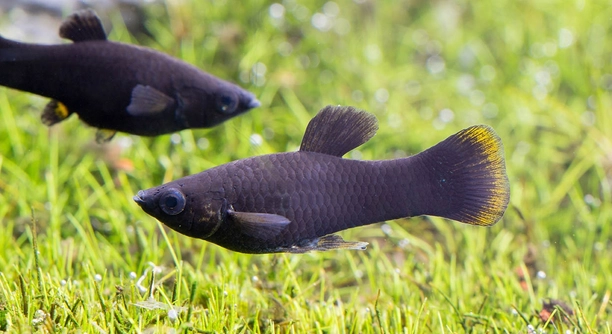
Black Mollies are lively fish that bring energy to a home aquarium. However, even small changes in their environment can cause stress and affect their overall health and behavior, which is important for owners to notice.
Several seemingly minor tank items can stress Black Mollies, including poor-quality water filters, sharp decorations, insufficient hiding spots, sudden changes in lighting, inappropriate substrate, overcrowding, and incompatible tank mates. Each factor can disrupt their comfort and natural behaviors.
Knowing how these small details impact your fish helps create a calmer, healthier tank environment and keeps your Black Mollies thriving for years.
Poor-Quality Water Filters
A reliable filter is essential for keeping Black Mollies healthy. Low-quality filters often fail to remove toxins and debris efficiently, which can lead to cloudy water and harmful ammonia or nitrite buildup. Over time, these conditions stress fish, reduce their appetite, and make them more prone to disease. Even small changes in water quality can affect their gill function and overall energy. Many beginners overlook the importance of a proper filter, assuming any filter will suffice. A good filter not only cleans the water but also maintains consistent circulation and oxygen levels. Black Mollies thrive in stable environments, so keeping water parameters steady is crucial. Regular maintenance, such as rinsing the filter media and monitoring chemical levels, ensures the tank stays balanced. Investing in a dependable filter reduces stress for the fish and makes tank upkeep less frequent and less stressful for the owner. Consistency and attention to water quality are key to their well-being.
Poor filtration can quickly harm Black Mollies by creating unstable water conditions that affect their health and behavior.
Ensuring the filter is suited for the tank size and regularly maintained keeps water clean and oxygenated. Watching water clarity and testing chemical levels prevents unnecessary stress, helping Black Mollies stay active, healthy, and comfortable in their habitat.
Sharp Decorations
Sharp decorations may look interesting in a tank, but they can be risky for Black Mollies. These fish are active swimmers and often dart quickly through the aquarium. Edges or rough surfaces can cause fin tears, scratches, or other injuries. Injured fish are more likely to develop infections or become stressed, which affects their feeding and overall activity. Even if decorations seem safe at first glance, repeated contact can lead to cumulative damage over time. Smooth, rounded items or natural elements like driftwood and plants provide safe hiding spots without risking injury. Avoid placing decorations in areas where fish tend to swim rapidly, such as near tank corners or filtration outlets. Keeping the tank layout simple and secure prevents accidents and allows Black Mollies to explore freely without fear. A carefully planned aquarium creates a safe environment that reduces stress and promotes natural behaviors like schooling and grazing.
Sharp tank items can harm Black Mollies physically and mentally if not chosen carefully.
Selecting decorations with smooth surfaces or soft edges ensures safety while maintaining aesthetic appeal. Regularly checking for damaged or sharp objects helps prevent injuries, while natural plants or rounded rocks give hiding spots and comfort without stress. This approach supports healthy swimming patterns and keeps the fish from becoming anxious or withdrawn.
Insufficient Hiding Spots
Black Mollies need spaces to hide, especially when stressed or resting. A bare tank leaves them exposed and anxious, which can affect their feeding and overall behavior. Providing enough cover helps them feel secure and reduces tension in the aquarium environment.
Plants, caves, and ornaments create essential hiding areas. Without these, fish may swim nervously along the tank edges or become aggressive toward tank mates. Natural-looking plants like Java moss or Anubias, along with small caves, allow Black Mollies to retreat when needed. Hiding spots also help reduce stress during water changes or sudden movements outside the tank. A mix of tall and short plants combined with secure decorations gives them varied spaces to explore, rest, and feel safe. Over time, properly placed hiding areas support calmer, healthier fish that display more natural behavior, eat consistently, and are less likely to show signs of stress.
Providing multiple hiding options in different parts of the tank prevents territorial disputes and gives Black Mollies freedom to choose safe zones. Observing their behavior shows which spots are preferred, helping maintain a stress-free environment.
Sudden Changes in Lighting
Bright or inconsistent lighting can startle Black Mollies, causing stress that affects their swimming patterns and appetite. Sudden exposure to strong light can make them hide or dart around, increasing the risk of injury.
A consistent lighting schedule is crucial for maintaining healthy fish. Rapid changes, such as turning on strong lights abruptly or using flickering bulbs, disrupt their natural rhythm. Black Mollies rely on steady light cycles to regulate feeding, activity, and rest periods. Gentle, gradual lighting transitions or using a timer helps maintain balance. Overly bright tanks may also fade their coloration and cause prolonged stress, while dim, consistent light mimics their natural environment. Plant placement and shaded areas further allow them to escape excessive brightness. Providing predictable light patterns reduces anxiety, improves feeding behavior, and encourages normal activity levels. Observing fish responses to lighting adjustments ensures the setup remains comfortable and supports overall well-being.
Inappropriate Substrate
The wrong substrate can stress Black Mollies by affecting their swimming and grazing behavior. Sharp gravel or rough surfaces may injure their fins or underbellies, while slippery or unstable substrate can make them feel insecure.
Soft, smooth sand or fine gravel is ideal. It allows natural foraging and reduces the risk of cuts or abrasions. Substrate should be easy to clean and compatible with plants to maintain a healthy tank environment. Choosing the right substrate creates comfort and stability for Black Mollies, supporting their natural behavior and reducing unnecessary stress.
Overcrowding
Too many fish in one tank increases competition for space, food, and oxygen. Overcrowding leads to aggressive behavior, slower growth, and stress-related illnesses.
Maintaining proper stocking levels ensures each Black Molly has enough room to swim freely and establish personal territories. A spacious tank with moderate population density helps reduce conflicts and keeps water quality manageable. Overstocking can quickly overwhelm filtration systems, causing chemical imbalances that further stress the fish. Black Mollies in crowded tanks often become shy, hide excessively, or develop fin damage from chasing and bumping into each other. Observing their interactions and adjusting numbers or tank size is crucial to maintaining a calm, healthy environment that supports their growth, coloration, and natural activity patterns.
Incompatible Tank Mates
Black Mollies do best with peaceful, similarly sized fish. Aggressive or fin-nipping species cause stress and injuries.
Keeping compatible tank mates prevents bullying, ensures calmer swimming patterns, and reduces competition for food.
FAQ
What are the signs that my Black Molly is stressed?
Stressed Black Mollies often display unusual behavior. They may hide more than usual, swim erratically, or remain at the tank surface or bottom. Loss of appetite, faded coloration, clamped fins, and lethargy are also common indicators. Observing daily habits helps identify stress early before it affects their health.
How often should I check the water quality?
Water quality should be monitored weekly at a minimum. Check ammonia, nitrite, nitrate, and pH levels to ensure a stable environment. Temperature fluctuations can also stress Black Mollies, so using a reliable thermometer and keeping the tank within 24–28°C supports their well-being.
Can lighting changes really affect my fish?
Yes, sudden or overly bright lighting can stress Black Mollies. They prefer a consistent light schedule, ideally 10–12 hours per day. Using a timer and providing shaded areas or plants allows them to adjust gradually and feel secure. Sudden light changes may cause erratic swimming and hiding behavior.
What kind of decorations are safe for Black Mollies?
Smooth, rounded decorations or natural items like driftwood, rocks, and plants are safest. Sharp or jagged objects can tear fins or scratch skin, increasing stress and infection risk. Avoid overcrowding the tank with decorations, and provide enough open swimming space along with hiding areas for comfort.
How do I choose the right tank mates?
Black Mollies thrive with peaceful, similarly sized fish. Avoid aggressive or fin-nipping species, which cause injuries and stress. Compatible options include other livebearers, tetras, and small peaceful community fish. Observe interactions, and remove any fish that display aggression to maintain a calm environment.
How important is hiding space for my fish?
Hiding spots are essential for reducing stress. Plants, caves, and decorations provide shelter when fish feel threatened or need rest. Lack of cover can lead to anxiety, erratic swimming, and reduced appetite. A mix of tall and short plants plus small caves helps Black Mollies feel safe and display natural behaviors.
Can overcrowding affect Black Mollies even if water is clean?
Yes, overcrowding causes stress regardless of water quality. Competition for space, food, and oxygen leads to aggressive behavior, fin damage, and stunted growth. Maintaining appropriate stocking levels ensures each fish has enough room to swim, feed, and rest comfortably, promoting a healthier, calmer tank.
How often should I maintain the filter?
Filters should be checked and cleaned regularly, usually every 2–4 weeks depending on tank size and fish load. Rinsing filter media in tank water preserves beneficial bacteria while removing debris. Proper filter maintenance ensures stable water parameters, reducing stress and supporting Black Mollies’ overall health.
Are natural plants better than artificial ones?
Natural plants often provide more comfort, hiding spaces, and oxygenation for Black Mollies. They also help maintain water quality by absorbing nitrates. Artificial plants can be used if they are smooth and safe, but they may not offer the same benefits in terms of shelter or water stabilization.
What should I do if my fish are constantly hiding?
Constant hiding usually indicates stress, poor water conditions, or aggression from tank mates. Check water quality, remove sharp decorations, and ensure compatible fish are in the tank. Adding extra hiding spots and maintaining a stable environment helps fish feel secure and encourages normal swimming and feeding behavior.
Can sudden water changes stress Black Mollies?
Yes, abrupt water changes in temperature, pH, or hardness can cause immediate stress. Always acclimate new water gradually. Mixing small amounts over several hours or using a drip method prevents shock and helps fish adjust comfortably, keeping them active and healthy.
How can I tell if my tank is too bright?
Fish may hide frequently, swim frantically, or display faded colors if the lighting is too strong. Providing shaded areas, floating plants, or adjusting light intensity helps them feel safe. Observing their daily behavior after lighting changes indicates whether adjustments are necessary.
Is diet linked to stress in Black Mollies?
Yes, poor or inconsistent diets can weaken fish and increase stress. Feeding a varied diet with high-quality flakes, pellets, and occasional live or frozen food supports health. Overfeeding or underfeeding can also cause stress, digestive issues, or aggression among tank mates.
How do I know if tank decorations are causing stress?
Look for signs like fin damage, frequent hiding, or avoidance of certain areas. Sharp edges, overcrowding, or unstable items can lead to injury and anxiety. Smooth, secure decorations and a balance of open swimming space with hiding spots help prevent stress and injuries.
Can temperature fluctuations be stressful?
Yes, Black Mollies are sensitive to rapid temperature changes. Sudden drops or rises can weaken their immune system and trigger stress responses. Keeping the tank within 24–28°C and using a reliable heater ensures stability and comfort for the fish.
How often should I observe my Black Mollies?
Daily observation is important. Watching their swimming patterns, feeding behavior, and interactions helps detect stress, illness, or aggression early. Small changes often indicate underlying issues, and timely action prevents prolonged stress and keeps the tank environment balanced.
Can stress affect breeding in Black Mollies?
Yes, stressed Black Mollies may stop breeding or produce weak offspring. Stable water conditions, sufficient hiding spaces, compatible tank mates, and proper diet all contribute to a comfortable environment that encourages normal reproductive behavior. Stress reduction directly supports healthier, more successful breeding outcomes.
Are Black Mollies sensitive to new tank setups?
Yes, moving to a new tank or rearranging decorations can temporarily stress them. Gradual introductions, familiar water parameters, and maintaining hiding spots help them adjust without excessive anxiety or erratic swimming. Observing their reactions allows quick corrections to improve comfort.
What is the best way to reduce overall stress?
Maintain stable water parameters, provide hiding spots, ensure compatible tank mates, and keep consistent lighting. Regular filter maintenance, appropriate diet, and careful observation all work together to minimize stress, promoting healthy, active, and brightly colored Black Mollies.
How long does it take for Black Mollies to calm down after stress?
Recovery time varies depending on the cause and severity of stress. Minor changes may see improvement in hours, while significant issues like injury or poor water conditions may take days to weeks. Consistent care, stable environment, and attention to their needs help speed recovery.
Can I use tank additives to reduce stress?
Some water conditioners or plant-based additives claim to reduce stress, but they are most effective when used alongside proper tank maintenance and care. They do not replace good water quality, appropriate tank mates, or hiding spaces, which are essential for long-term well-being.
How do I know if my Black Mollies are happy?
Healthy Black Mollies swim actively, feed regularly, display bright colors, and interact peacefully with tank mates. Calm behavior, exploring hiding spots, and normal growth indicate they are comfortable. Monitoring daily activity and appearance provides the best insight into their overall happiness and health.
Black Mollies are beautiful and lively fish, but even small details in their environment can have a big impact on their well-being. Things like poor water quality, sharp decorations, sudden lighting changes, or overcrowding may seem minor, but they can stress your fish more than expected. Stress affects their appetite, colors, behavior, and overall health. Paying attention to these small factors makes a noticeable difference in keeping Black Mollies active and happy. Simple steps such as choosing smooth decorations, providing hiding spots, maintaining proper water parameters, and selecting compatible tank mates go a long way in reducing stress. Regular observation of their behavior allows you to notice changes early and take action before problems worsen.
Providing a calm and stable environment is key to healthy Black Mollies. Consistent water conditions, appropriate tank size, and gradual adjustments when changing lighting or decorations help them feel secure. Hiding areas made from plants or smooth ornaments give them places to retreat, which reduces anxiety and allows natural behaviors to emerge. Overcrowding or aggressive fish can create constant stress, so it’s important to plan the number and types of tank mates carefully. A well-maintained filter, correct substrate, and steady lighting schedule contribute to a stable habitat where your fish can thrive. By focusing on these details, you create a tank that supports their health, encourages vibrant colors, and promotes more relaxed and natural swimming patterns.
Even small, daily actions affect the comfort of Black Mollies. Regular water testing, timely maintenance of equipment, and mindful feeding routines ensure they remain in a safe and consistent environment. Stress can build up slowly, so ongoing care and observation are essential to catch problems before they escalate. When Black Mollies have the right conditions, they display lively behavior, interact peacefully with tank mates, and enjoy the aquarium space fully. Taking time to consider each element of the tank, from substrate and decorations to lighting and population, ensures your fish feel secure. A thoughtful, steady approach to care results in long-term health, calmer behavior, and a more enjoyable experience watching them thrive.

Hello,
If you enjoy the content that we create, please consider saying a "Thank You!" by leaving a tip.
Every little bit helps us continue crafting quality advice that supports the health, happiness, and well-being of pets around the world, for pets of all shapes, sizes, and species.
We really appreciate the kindness and support that you show us!