
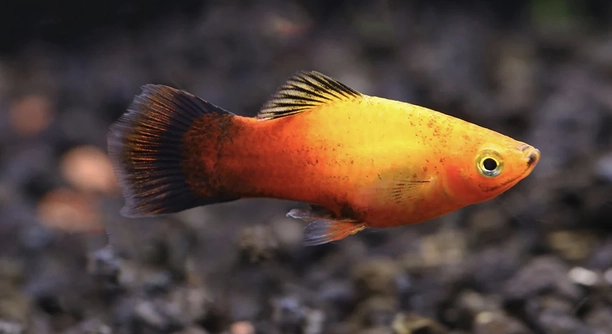
Platies are popular aquarium fish known for their bright colors and active behavior. Many owners notice changes in their platy’s eating habits that can be confusing or worrying. Understanding common tank problems can help maintain their appetite and overall health.
Several tank issues can negatively affect platy appetite, including poor water quality, improper temperature, inadequate diet, overcrowding, stress from aggressive tank mates, lack of hiding spaces, and inconsistent lighting. Each factor influences their behavior and willingness to eat.
Identifying and addressing these problems will help improve your platy’s appetite and create a healthier tank environment for them to thrive in.
Poor Water Quality
Water quality is crucial for keeping platies healthy and interested in food. If ammonia, nitrite, or nitrate levels rise, fish can become stressed and lose their appetite. Uneaten food and waste buildup also harm water quality. Regular water changes and proper filtration help maintain a clean environment. Testing water parameters weekly is a good habit. Clear water doesn’t always mean it’s safe. Sudden changes in water chemistry can shock your fish, leading to refusal to eat. Even slight imbalances affect their metabolism and digestion. Keeping a stable, clean tank supports platies’ natural feeding behavior and overall well-being.
Water testing kits are essential to monitor ammonia, nitrites, and nitrates levels regularly. This keeps your platies comfortable and eager to eat.
Platies need consistent water conditions to thrive. Sudden spikes in toxins or improper pH can cause them to stop eating altogether. Maintaining good water quality means frequent partial water changes, removing uneaten food, and ensuring your filtration system works well. It’s important to avoid overcrowding to reduce waste production. A stable environment helps reduce stress, allowing platies to focus on feeding and growth. Water parameters such as temperature and hardness also play a role, but cleanliness remains the priority. Regular observation and care will keep your tank safe and appetites healthy.
Improper Temperature
Platies require a stable temperature between 72°F and 78°F. Temperatures outside this range can cause stress and reduce their desire to eat.
Temperature fluctuations disrupt metabolism, affecting appetite. Consistent heating helps keep platies active and healthy.
Temperature controls fish metabolism, directly influencing feeding behavior. When water is too cold, platies become sluggish and may stop eating due to slowed digestion. Overly warm water speeds metabolism but can increase oxygen demand and stress. Using a reliable aquarium heater with a thermostat ensures the temperature stays within the recommended range. Sudden temperature changes should be avoided, as they can shock the fish and cause illness. Monitoring water temperature daily, especially in changing seasons, supports stable feeding patterns and overall health. Consistent temperature helps maintain platies’ natural appetite and activity levels.
Inadequate Diet
A poor diet can cause platies to lose interest in food. They need a varied diet rich in nutrients to stay healthy and active.
Platies are omnivores, requiring both plant-based and protein-rich foods. Feeding only flakes or pellets limits their nutrient intake. Including live or frozen foods like brine shrimp or daphnia boosts appetite and improves health. Vegetables such as blanched spinach or zucchini add fiber and vitamins. Overfeeding should be avoided, as leftover food can pollute the tank and reduce water quality, indirectly affecting appetite. Regularly rotating their diet keeps platies interested in feeding and ensures balanced nutrition.
Consistent feeding schedules also help. Feeding small amounts twice daily prevents hunger or bloating, both of which can reduce appetite. Monitoring food consumption lets you adjust portions and food types to suit your platies’ preferences. This approach supports their digestive system and overall well-being, encouraging a steady appetite and growth.
Overcrowding
Too many fish in one tank increase competition for food and stress, leading to decreased appetite in platies.
Overcrowding results in limited swimming space and higher waste levels, which degrade water quality. Stress from constant competition or aggressive behaviors lowers platies’ willingness to eat. Ensuring enough space per fish reduces stress and promotes natural feeding habits. A general rule is one inch of fish per gallon of water, but more space is always better. Maintaining proper tank size and population balance helps platies feel secure and comfortable during feeding times, improving appetite and health.
Stress from Aggressive Tank Mates
Aggressive fish can intimidate platies, causing them to hide and lose their appetite.
Stress from constant chasing or nipping prevents platies from feeding comfortably. This can lead to weight loss and poor health.
Lack of Hiding Spaces
Platies need places to retreat to feel safe. Without sufficient hiding spots, they stay stressed and may refuse food. Providing plants, caves, or decorations offers shelter and comfort. This reduces stress and helps maintain their appetite.
Inconsistent Lighting
Lighting that changes suddenly or is too bright can disturb platies’ natural rhythms. Consistent, moderate lighting supports healthy behavior and regular feeding patterns.
FAQ
Why is my platy not eating even though the water looks clean?
Clear water doesn’t always mean good water quality. Harmful chemicals like ammonia or nitrites can be present at low levels that you can’t see. Regular testing with a water kit is essential. Even small changes in water parameters can stress platies, causing them to stop eating.
How often should I feed my platies?
Feeding twice a day in small amounts is ideal. Overfeeding can pollute the tank and reduce appetite, while underfeeding can cause hunger stress. Aim to give only what they can finish within two to three minutes to keep the tank clean and fish healthy.
Can changing tank mates improve my platy’s appetite?
Yes. Aggressive or overly active tank mates stress platies, making them hide and lose interest in food. Keeping peaceful species together helps reduce competition and stress, allowing platies to eat normally and feel more secure.
What type of food should I offer to encourage eating?
A varied diet works best. Include high-quality flakes or pellets formulated for tropical fish, along with occasional live or frozen foods like brine shrimp or daphnia. Adding blanched vegetables like spinach or zucchini also provides essential nutrients and fiber.
Does temperature really affect platy appetite?
Absolutely. Platies prefer water between 72°F and 78°F. Too cold slows their metabolism and digestion, reducing appetite. Too warm increases stress and oxygen demand. Using a reliable heater with a thermostat keeps temperature stable and supports healthy feeding.
How do I know if my tank is overcrowded?
A common guideline is one inch of fish per gallon of water, but space needs vary. Overcrowding increases waste and stress, causing appetite loss. If platies seem stressed or hiding frequently, it might be a sign to reduce tank population or upgrade tank size.
Can lighting changes cause my platy to stop eating?
Yes, inconsistent or very bright lighting can disturb platies’ natural behavior. They thrive with a consistent day-night cycle and moderate lighting. Using a timer helps maintain a steady schedule, reducing stress and encouraging normal feeding patterns.
What are signs that poor water quality is affecting my platy?
Signs include lethargy, gasping at the surface, faded colors, and refusal to eat. Testing water regularly for ammonia, nitrites, and nitrates is key. Prompt water changes and improved filtration can quickly help platies recover their appetite.
Is stress the main reason platies stop eating?
Stress is a leading cause but usually linked to other issues like poor water, overcrowding, or aggressive tank mates. Reducing stress by improving tank conditions often restores appetite. Creating a calm, stable environment is essential for healthy feeding behavior.
How long can platies go without eating?
Healthy platies can survive a few days without food but should not be left hungry long-term. Prolonged fasting weakens their immune system and can lead to illness. Maintaining a good feeding schedule and environment keeps them healthy and eager to eat.
Final Thoughts
Keeping platies healthy and happy requires attention to their environment and care. Their appetite is a good indicator of their overall well-being. When platies stop eating or lose interest in food, it is often a sign that something in their tank needs adjustment. Factors like water quality, temperature, diet, and stress all play important roles in their feeding behavior. By regularly monitoring these elements, you can prevent many common problems that affect their appetite.
Water quality is one of the most important aspects to watch. Even if the water looks clear, harmful chemicals can be present and cause stress or illness in your fish. Testing water parameters and performing regular water changes help maintain a stable and safe environment. Alongside this, maintaining proper temperature within the ideal range keeps platies comfortable and supports their metabolism. These simple but essential steps go a long way in encouraging normal feeding habits.
Creating a calm and balanced tank environment is also key. Overcrowding, aggressive tank mates, and lack of hiding places cause stress that can reduce appetite. Offering a varied and nutritious diet keeps platies interested in their food and supports their health. Lighting should be consistent and moderate to avoid disturbing their natural rhythms. By addressing these factors thoughtfully, you help your platies stay active and eager to eat, which is a sign of good health and quality care.

Hello,
If you enjoy the content that we create, please consider saying a "Thank You!" by leaving a tip.
Every little bit helps us continue crafting quality advice that supports the health, happiness, and well-being of pets around the world, for pets of all shapes, sizes, and species.
We really appreciate the kindness and support that you show us!