
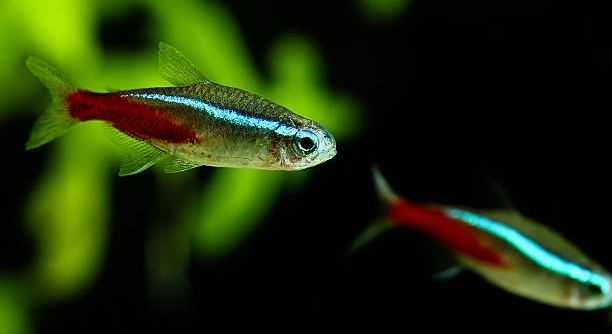
Do you ever find yourself excited to breed your tetras but end up confused or frustrated when things don’t go as planned?
The main traps to avoid when breeding tetra include poor tank setup, incompatible pairing, improper water conditions, and lack of preparation. These common mistakes can result in failed spawning, stress, or even loss of the fish.
Knowing what to avoid early on can help you create a healthier environment and boost your chances of breeding success.
Trap 1: Using the Wrong Tank Setup
Breeding tetra in the wrong tank setup can lead to stress, poor health, and unsuccessful spawning. A breeding tank should be separate from the main tank, ideally 10 to 20 gallons in size, with a gentle sponge filter to prevent fry from being sucked in. Keep the lighting low and use fine-leaved plants or spawning mops to give the fish a place to lay their eggs. Avoid using gravel or rough decorations—smooth surfaces are better. Make sure the tank is cycled and clean before introducing your breeding pair. A bare-bottom tank is easier to maintain and helps you spot eggs quickly.
A poorly planned setup can increase aggression, reduce egg survival, and make cleaning harder.
Choosing the right tank layout and maintaining a simple, clean environment allows your tetras to breed naturally. This also makes it easier for you to collect and care for the eggs without disrupting the fish.
Trap 2: Pairing Incompatible Fish
Not all tetras are ready to breed at the same time or with just any mate.
Pairing tetras that aren’t ready to spawn or don’t match in temperament can result in failed breeding attempts. Males may chase females too aggressively, or females may not respond. Always choose healthy, mature fish—usually six to twelve months old—and try to observe their behavior for signs of readiness, like active chasing and vibrant color. Conditioning both fish separately for a week before pairing by feeding them high-quality live or frozen food can also help. Once introduced into the breeding tank, watch how they interact. If there’s constant stress or aggression, they may not be compatible. In some cases, you may need to try a different pair altogether.
Compatibility plays a key role in breeding success, so give your fish the best chance by choosing a pair that shows interest in each other and seems comfortable in their environment.
Trap 3: Ignoring Water Conditions
Bad water conditions can quickly ruin breeding attempts. Tetras need soft, slightly acidic water to spawn. If the water is too hard or alkaline, they may not lay eggs at all, or the eggs won’t survive.
Keep the pH between 5.5 and 6.5, with temperatures around 75–78°F. Use peat moss or almond leaves to soften the water naturally. Regularly test the parameters with a reliable kit, especially after water changes. Make sure chlorine and other harmful chemicals are removed before adding fresh water. Sudden changes in pH or temperature can cause stress, so adjust slowly. Stable conditions help the fish feel secure enough to spawn. Don’t overlook ammonia or nitrite levels either—both should be at zero. Clean, stable water makes a huge difference.
Even if you’ve done everything else right, poor water quality can ruin your efforts. Keep things consistent, simple, and soft, and your tetras will respond more naturally to breeding conditions.
Trap 4: Overfeeding Before or After Spawning
Too much food can pollute the tank quickly, especially in smaller breeding setups. This makes the water unsafe for eggs and fry, even if the parents seem fine at first.
Feed the breeding pair high-protein food like brine shrimp or daphnia for about a week before spawning, but only in small amounts twice a day. Watch for uneaten food and remove it right away. After the eggs are laid, move the adults to a separate tank to prevent them from eating the eggs or fry. Overfeeding fry can also cloud the water and raise ammonia levels, so offer tiny portions of infusoria or liquid fry food a few times a day. Monitor the water closely during this stage. Overfeeding is an easy mistake, but it can undo your hard work. Balanced feeding and careful observation help the tank stay clean and the fry stay healthy.
Trap 5: Leaving the Eggs Unprotected
Tetra eggs are delicate and often get eaten if left exposed. Adult tetras, even the parents, will eat their own eggs if given the chance.
Use spawning mops or dense plants to hide the eggs. Once spawning is complete, remove the adults to keep the eggs safe.
Trap 6: Using Strong Filtration
Strong filters can suck up eggs or fry, causing accidental loss. The current can also stress the breeding pair.
Use a sponge filter with a gentle flow. It provides enough oxygen without risking the safety of eggs or fry. It’s also easier to clean and maintain.
Trap 7: Rushing the Process
Breeding tetras takes time and patience. If you rush or keep changing the setup, the fish may never feel calm enough to spawn.
Give them a quiet, stable space and watch for signs instead of forcing results too quickly.
How long does it take for tetra eggs to hatch?
Tetra eggs usually hatch within 24 to 36 hours after being laid. The exact time depends on the water temperature—warmer water speeds up development, while cooler water slows it down. Once the eggs hatch, the fry will stay attached to surfaces for a few more days before swimming freely.
What is the best way to care for tetra fry?
Right after hatching, tetra fry need very small food like infusoria or specially prepared liquid fry food. Feed tiny amounts several times a day to avoid water pollution. As they grow, gradually introduce baby brine shrimp or finely crushed flakes. Keep the water clean with gentle filtration and regular water changes. Avoid overcrowding to reduce stress and ensure good growth.
Can I breed different species of tetras together?
Breeding different tetra species together is not recommended. They usually do not recognize each other as mates and may become aggressive. Even if they do spawn, hybrid offspring might not be healthy or fertile. It’s best to keep species separate for clearer results and healthier fish.
How often can tetras breed?
Healthy tetras can breed every few weeks under good conditions, but this depends on their health, diet, and environment. Overbreeding can weaken the fish, so it’s important to allow rest periods between breeding attempts. Conditioning the fish well and maintaining stable water quality help keep them healthy.
What water parameters are ideal for breeding tetras?
Soft, slightly acidic water with a pH between 5.5 and 6.5 is ideal. Temperature should be stable around 75–78°F (24–26°C). Ammonia and nitrite levels must be zero. Regular testing and gentle water changes keep the environment safe and encourage spawning.
How do I know if my tetras are ready to breed?
Mature tetras show several signs before breeding: males become more colorful and chase females gently. Females’ bellies look fuller when they carry eggs. The fish will also spend more time near plants or spawning mops. Observing these behaviors helps you time breeding attempts better.
Is it necessary to remove the parents after spawning?
Yes, removing the parents after spawning is usually necessary. Many tetra species eat their eggs or fry if left in the tank. Removing the adults protects the eggs and increases fry survival rates.
What should I do if the eggs are fungus-infected?
If you notice fungus on the eggs, remove the affected ones carefully to prevent spread. Adding a small amount of methylene blue or a mild antifungal treatment can help. Maintaining clean water and good filtration lowers the risk of fungal infections.
Can I breed tetras in a community tank?
Breeding tetras in a community tank is difficult because other fish may eat eggs or fry. The environment is less controlled, making it harder to maintain ideal water conditions. For better success, use a separate breeding tank.
What do I do if the fry are not growing?
If fry are slow to grow, check water quality and feeding routines first. Ensure they receive appropriate, small-sized food multiple times daily. Avoid overcrowding and provide gentle filtration. Sometimes, adding more live food like baby brine shrimp can boost growth.
Are there any special lights needed for breeding tetras?
Tetras prefer dim lighting when spawning. Bright lights can stress them and reduce spawning activity. Use low, indirect light or cover part of the tank to create shaded areas that feel safe.
How long does it take for tetra fry to become adult fish?
Tetra fry usually grow into adults within 6 to 8 months, depending on species and care. Proper feeding, stable water conditions, and low stress support healthy growth during this time.
Can I reuse the breeding tank for other species?
Yes, but make sure to clean and cycle the tank fully before introducing new species. Remove any leftover eggs, debris, or medications that might affect new fish. Proper preparation prevents health problems in the next group.
What if my tetras are not spawning at all?
If tetras are not spawning, check water parameters and tank setup first. Make sure the pair is healthy and mature. Improve diet with live or frozen foods. Reduce stress by limiting noise and sudden changes. Patience and stable conditions often trigger spawning naturally.
Breeding tetras can be a rewarding experience, but it requires careful attention to detail and patience. Avoiding common traps like poor tank setup, ignoring water conditions, or overfeeding can make a big difference in your success. Keeping the environment simple and stable helps the fish feel secure enough to breed naturally. It’s important to prepare the right space and conditions before introducing your breeding pair. Sometimes small changes in water pH or temperature can have a big impact on whether the tetras decide to spawn or not. Taking time to observe your fish closely will also help you notice when they are ready and what they need.
Taking care of the eggs and fry is just as important as setting up the tank. Eggs are fragile and need protection from the adults and any strong currents in the tank. Using spawning mops or plants can give the eggs a safe place to develop. Once the eggs hatch, feeding the fry the right food in small amounts keeps the water clean and the babies healthy. Removing adult fish from the breeding tank after spawning reduces the risk of eggs or fry being eaten. Regular water tests and gentle filtration maintain good water quality and help the young fish grow. Patience is key because raising fry can take weeks or even months before they become strong enough to join a regular tank.
Overall, success in breeding tetras comes from understanding their natural needs and creating the best possible environment for them. Rushing the process or making common mistakes can cause frustration or failure, but learning from these helps you improve. Each step—from choosing compatible fish to caring for the fry—matters. When done right, you’ll see your tetras thrive and multiply, which can be a satisfying part of fishkeeping. Remember to keep your approach steady and consistent, paying close attention to water quality, tank setup, and feeding. With time and care, breeding tetras can become an enjoyable and successful part of your aquarium hobby.

Hello,
If you enjoy the content that we create, please consider saying a "Thank You!" by leaving a tip.
Every little bit helps us continue crafting quality advice that supports the health, happiness, and well-being of pets around the world, for pets of all shapes, sizes, and species.
We really appreciate the kindness and support that you show us!