
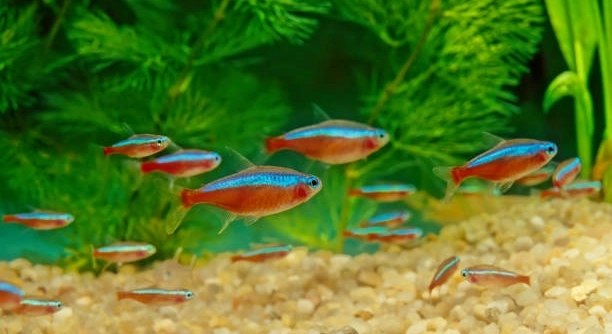
Tetras are popular freshwater fish known for their bright colors and peaceful nature. Keeping them healthy requires attention to their behavior and environment. Stress can affect their well-being, making it important to recognize early signs.
Overstressed tetras often show changes in swimming patterns, loss of appetite, faded colors, and increased hiding. These symptoms indicate poor water quality, overcrowding, or illness, all of which can significantly impact their health and longevity if not addressed promptly.
Knowing these clues helps ensure your tetras stay vibrant and healthy in your aquarium for a long time. Recognizing stress early can prevent bigger problems down the line.
Changes in Swimming Behavior
When tetras are overstressed, one of the first signs is a change in how they swim. They may start darting around quickly or seem to swim erratically without purpose. Sometimes, they stay near the surface or bottom of the tank instead of moving freely. Other times, they might hang close to plants or decorations, avoiding open water. These changes usually mean something is wrong with their environment or health. It could be caused by poor water conditions, too many fish in the tank, or sudden loud noises nearby. Paying close attention to swimming habits helps catch stress early. If left unchecked, abnormal swimming can lead to more serious health problems. Maintaining clean water and a calm tank environment supports natural swimming behavior, keeping tetras comfortable and healthy.
Erratic or unusual swimming is often an early warning sign of stress. Addressing water and tank conditions usually improves their behavior quickly.
Watching your tetras’ movement daily is key. This allows you to spot changes fast and take action. Simple fixes like reducing overcrowding or testing water quality can make a big difference in their comfort. Keeping the environment stable helps prevent stress before it worsens. It also promotes better health and a longer life for your fish. Small adjustments in tank care can restore normal swimming and ease their stress effectively.
Loss of Appetite
Tetras that are stressed often eat less or stop eating altogether. This loss of appetite can be caused by several factors, such as poor water quality, illness, or a stressful environment. When fish don’t eat well, they weaken and become more vulnerable to disease. It is important to observe their feeding habits regularly. Stress makes tetras less interested in food, which can be a sign something needs to change in their tank or routine.
Loss of appetite should never be ignored as it impacts overall health.
If your tetras are not eating like usual, start by checking the water parameters. Ammonia, nitrite, and nitrate levels must be in safe ranges. Temperature and pH should also be stable and suitable for tetras. Changes in lighting or loud noises nearby can add to their discomfort. Offering high-quality, varied food may encourage them to eat again. In some cases, separating stressed fish into a quarantine tank can help them recover. Keeping their environment clean and calm is the best way to improve appetite and reduce stress in the long term. Regular feeding and care help maintain their strength and vibrant colors.
Faded Colors
Stress causes tetras to lose their bright colors. When stressed, their usual vibrant hues become dull or pale. This fading happens because stress affects their health and reduces pigment production. Dull colors are a clear sign that something in their environment is troubling them and should be addressed quickly.
Faded colors usually point to poor water quality or illness. If water parameters like ammonia or nitrite are too high, fish lose their natural shine. Overcrowding can also contribute to this problem by creating a stressful environment. Ensuring clean water and enough space helps bring back their vibrant appearance. Sometimes, adding plants and hiding spots reduces stress, allowing colors to recover. Keeping stress low keeps tetras looking their best.
Fish with faded colors often have weakened immune systems. This makes them more likely to get sick or develop infections. Watching for this sign helps catch stress early and avoid bigger health issues. Maintaining good tank conditions supports their natural colors and overall health.
Increased Hiding
Tetras that are stressed tend to hide more than usual. They may stay behind plants, decorations, or at the tank corners. This behavior shows they feel unsafe or uncomfortable. Increased hiding reduces their activity and can affect their overall well-being.
Hiding more often means the fish are trying to escape stress. This can be caused by sudden changes in the tank, aggressive tank mates, or poor water quality. Stress makes them fearful, and they seek places to feel protected. To help them feel safe, provide plenty of hiding spots but avoid overcrowding the tank. Reducing loud noises and maintaining steady lighting can also lower their stress levels. Creating a calm environment helps fish come out more and regain normal behavior. Observing hiding habits is important for spotting stress and improving tank conditions.
Gasping at the Surface
Tetras gasping at the surface often struggle to get enough oxygen. This behavior can be a sign of poor water quality or low oxygen levels in the tank. It is important to check water conditions immediately.
If the water is dirty or overcrowded, oxygen levels drop. This forces fish to come up for air more often. Improving filtration and adding an air stone can help increase oxygen and reduce stress.
Clamped Fins
Clamped fins occur when tetras hold their fins close to their bodies. This is a clear sign of discomfort or illness. It often happens due to stress from poor water conditions or disease.
Observing fin position helps detect stress early. Addressing water quality and treating illness quickly can restore fin health and reduce stress in tetras.
Excessive Scratching
When tetras scratch against objects in the tank, it usually means irritation or parasites. This behavior indicates skin problems caused by stress or infection. It’s important to inspect water quality and fish closely.
Stress weakens the immune system, making fish vulnerable to parasites. Quarantining affected fish and treating the tank can help stop excessive scratching and improve their health.
How can I tell if my tetras are stressed?
Signs of stress in tetras include changes in swimming behavior, loss of appetite, faded colors, increased hiding, gasping at the surface, clamped fins, and excessive scratching. Watching for these behaviors regularly helps identify stress early before it worsens. Stress often results from poor water quality, overcrowding, sudden changes, or illness.
What causes stress in tetra fish?
Stress is usually caused by an unsuitable environment. Common reasons include dirty water, improper temperature or pH levels, overcrowding, aggressive tank mates, or sudden changes like loud noises or bright lights. Illness or parasites can also trigger stress. Keeping stable and clean tank conditions is essential to reduce stress.
How often should I test my aquarium water?
Testing water weekly is recommended. Regular tests for ammonia, nitrite, nitrate, pH, and temperature help maintain a safe environment. Changes in these values can quickly cause stress. Frequent monitoring allows for fast corrections to keep your tetras healthy.
What is the best way to reduce stress in tetras?
Maintaining clean water with proper filtration and regular changes is the best way. Avoid overcrowding and provide hiding spots to help fish feel safe. Keeping tank conditions stable and minimizing sudden changes also reduces stress. Feeding high-quality food and watching for illness are important too.
Can stressed tetras recover?
Yes, tetras can recover if stress causes are identified and fixed quickly. Improving water quality, providing a calm environment, and treating any illnesses helps fish regain health. Recovery depends on how long the stress lasted and its severity, so early action is important.
How much space do tetras need?
Tetras need at least 1 gallon of water per fish, but more space is better. Overcrowding causes stress and poor water quality. A tank size of 10 gallons or more is recommended for a small group. Adequate space helps reduce aggression and gives fish room to swim freely.
What foods are best for tetras?
High-quality flakes, pellets, and frozen or live foods like brine shrimp or daphnia work well. Varied diets keep tetras healthy and more resistant to stress. Feed small amounts once or twice daily, avoiding overfeeding which can dirty the water and harm fish.
How can I prevent disease in my tetras?
Good water quality and regular tank maintenance are key. Quarantine new fish before adding them to the main tank. Avoid overcrowding and remove uneaten food promptly. Keeping stress low also helps prevent diseases, since stressed fish have weaker immune systems.
Why do my tetras hide all the time?
Hiding often is a sign they feel unsafe or stressed. This can happen due to aggressive tank mates, poor water conditions, or sudden environmental changes. Providing plenty of plants and hiding spots helps fish feel secure and reduces hiding behavior.
When should I separate stressed tetras?
If a fish shows severe signs of stress or illness, moving it to a quarantine tank can help. This prevents spreading disease and allows focused treatment. A separate space with clean water and proper care supports faster recovery.
What role does tank lighting play in tetra stress?
Bright or sudden lighting changes can stress tetras. Keeping a consistent light cycle with moderate brightness is best. Too much light can cause fish to hide or become restless. Using timers helps maintain a stable environment.
Can I use medications to treat stressed tetras?
Medications can be helpful if stress is caused by disease or parasites. However, they should only be used after diagnosing the problem correctly. Overuse or incorrect use of medicines can harm fish and beneficial tank bacteria. Always follow instructions carefully.
How often should I clean my aquarium?
Partial water changes of 20-30% weekly or biweekly help keep water clean. Avoid full cleanings that disturb beneficial bacteria. Regular removal of debris and vacuuming the substrate also improves tank health and reduces stress for tetras.
Is it normal for tetras to be inactive sometimes?
Yes, tetras may rest or stay still occasionally, especially at night. However, prolonged inactivity or hiding can indicate stress or illness. Monitor behavior closely to spot any concerning changes.
How do I maintain stable water temperature?
Using a reliable aquarium heater with a thermostat keeps temperature steady. Avoid placing the tank near windows or drafts that cause fluctuations. Stable temperatures within the ideal range (72-80°F) reduce stress and support healthy metabolism.
Stress in tetras can seriously affect their health and happiness. Recognizing the signs early helps you take action before problems get worse. Watching for changes in swimming, eating habits, color, and behavior are important. These clues show if your fish are comfortable or if something needs to change in their environment. Keeping the tank clean, stable, and spacious is key to reducing stress. Regular water tests and proper feeding also play a big role in keeping tetras healthy.
It is normal for fish to experience some stress from time to time. However, long-term stress weakens their immune system and can lead to illness or even death. That is why it’s important to act quickly when you notice signs like faded colors, hiding more than usual, or gasping at the surface. Small changes like adjusting water temperature, cleaning the tank, or adding plants for hiding spots can make a big difference. Providing a calm, steady environment helps tetras feel safe and lowers stress naturally.
Taking good care of your tetras means paying attention to details. Testing water quality regularly, feeding the right food, and keeping the tank clean are daily responsibilities that protect your fish’s well-being. If illness or parasites appear, treating them early can prevent bigger issues. Stress is often a signal that something needs fixing in the tank. By responding to these signs promptly and maintaining a healthy environment, you help your tetras thrive and enjoy a longer, healthier life.

Hello,
If you enjoy the content that we create, please consider saying a "Thank You!" by leaving a tip.
Every little bit helps us continue crafting quality advice that supports the health, happiness, and well-being of pets around the world, for pets of all shapes, sizes, and species.
We really appreciate the kindness and support that you show us!