
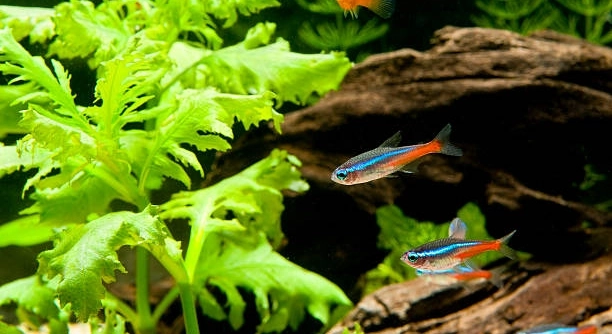
Do you have a tetra fish tank and notice your fish jumping out sometimes? Many fish owners experience this surprising behavior. It can be worrying and cause unwanted stress for both the fish and the owner.
Tetras do sometimes jump out of tanks due to stress, poor water conditions, or lack of proper tank cover. Ensuring stable water parameters and using a secure lid are effective ways to prevent this behavior.
Knowing why tetras jump and how to stop it helps keep your fish safe and healthy in their home environment.
Why Do Tetras Jump Out of Tanks?
Tetras are small, active fish that sometimes jump out of their tanks unexpectedly. This behavior can happen for several reasons. One common cause is stress. Stress can come from poor water quality, sudden changes in temperature, or overcrowding in the tank. Another reason is a lack of hiding places or cover inside the aquarium. When tetras feel exposed, they may try to escape by jumping. Sometimes, sudden loud noises or vibrations near the tank can startle them into jumping. Also, tetras naturally swim near the surface, and if the water is not well-oxygenated, they might leap to find better air. Most importantly, if the tank does not have a secure lid, the chance of tetras jumping out increases greatly. Understanding these factors can help prevent your tetras from jumping and keep them safe in their environment.
Jumping behavior is often a sign of discomfort or poor conditions inside the tank.
It’s important to regularly check water quality, maintain stable temperatures, and provide a tank lid. Adding plants or decorations gives tetras places to hide and feel safe. Keeping the tank clean and well-maintained reduces stress, which lowers the chance of jumping. Avoid sudden movements or loud noises near the aquarium. With these steps, you can help your tetras stay calm and prevent escapes. A secure environment will keep them swimming happily without the risk of jumping out.
How to Stop Tetras from Jumping
A secure tank lid is the easiest and most effective way to stop tetras from jumping out. Glass or mesh covers work well and let light through while keeping fish inside. Regular water tests help ensure the tank’s conditions are healthy. Avoid overfeeding, which can pollute the water and cause stress. Use a good filter to keep water clean and oxygenated. Adding plants or decorations creates hiding spots and reduces anxiety for your fish.
Proper care and tank setup help tetras feel safe and comfortable, reducing their need to jump. Regular maintenance and watching your fish closely will keep them healthy. It is also helpful to keep the room quiet around the tank and avoid sudden disturbances. With a bit of attention and preparation, you can greatly reduce or eliminate jumping. Your tetras will enjoy a safer, happier life in their aquarium home.
Common Tank Conditions That Cause Jumping
Poor water quality often causes tetras to jump out of tanks. High ammonia or nitrite levels irritate fish, making them restless. Sudden temperature changes also stress tetras and can trigger jumping.
Maintaining stable water parameters is essential. Frequent water tests help spot problems early. Ammonia and nitrite should always be at zero, and nitrate kept low. Sudden temperature swings can happen if heaters are faulty or room temperature changes drastically. Using a reliable heater and monitoring water temperature daily helps keep tetras calm. Stress from poor water conditions leads to weak immune systems and erratic behavior, including jumping. Providing clean, stable water improves fish health and reduces the chance they try to escape.
Water oxygen levels also play a role. Poor aeration forces tetras to seek better oxygen near the surface, which can result in jumping. Installing an air stone or adjusting filter flow can increase oxygen and keep fish comfortable.
Tank Setup Tips to Prevent Jumping
Use a secure lid that fits well to physically stop tetras from jumping. Mesh lids work well because they allow airflow but keep fish inside.
Plants and decorations give tetras places to hide, reducing stress. Live plants also improve water quality by absorbing nitrates and producing oxygen. Adding floating plants can help reduce light glare, which sometimes frightens fish. Avoid overcrowding the tank, as this causes aggression and stress. Choose a tank size suitable for your number of tetras. Proper filtration and regular maintenance keep water clean and oxygen-rich. Adjusting the environment to your tetras’ needs creates a calm, safe space and greatly lowers the chance of jumping out.
Signs Your Tetras Are About to Jump
Restlessness and frequent swimming near the surface can indicate your tetras are about to jump. Watch for sudden darting or flashing movements.
If you notice these behaviors, check the tank conditions immediately. Often, these signs point to stress or poor water quality needing quick attention.
The Role of Lighting in Tetra Behavior
Bright or flickering lights can stress tetras, causing them to jump. Use moderate lighting and avoid sudden changes. Adding floating plants or dimmers helps reduce glare and creates a more comfortable environment. Adjusting light intensity to a natural day-night cycle supports calm and natural behavior.
Using Tank Covers Effectively
Always use a well-fitted lid or cover. This is the simplest way to keep tetras safe from jumping out and protects them from accidents or predators.
FAQ
Do all tetras jump out of tanks?
Not all tetras jump out of tanks, but it is a behavior seen in many species under stress or poor conditions. Some types are more active swimmers and might be more prone to jumping. Proper care, tank setup, and stable water conditions greatly reduce the chance of jumping.
What is the best tank lid for preventing jumping?
A mesh or glass lid that fits tightly is best. Mesh lids allow air circulation while keeping fish inside. Glass lids work well but need some ventilation holes to prevent low oxygen levels. The lid should cover the entire tank without gaps where fish can slip out.
Can poor water quality cause tetras to jump?
Yes. High ammonia, nitrite, or sudden temperature changes stress tetras and often lead to jumping. Keeping water clean with regular tests and partial water changes helps maintain good quality and reduces stress behaviors.
How often should I test my tank water?
Testing water weekly is ideal, especially for ammonia, nitrite, nitrate, and pH levels. Frequent testing helps catch problems early and ensures stable, healthy conditions for your tetras.
Will adding plants stop tetras from jumping?
Plants create hiding spots and reduce stress, which lowers the chance of jumping. Live plants also improve water quality by absorbing nitrates. While plants help, they should be combined with good water care and a secure lid for best results.
Can sudden noises make tetras jump?
Yes. Loud noises or vibrations near the tank can startle tetras, causing them to jump. Placing the tank in a quiet area and avoiding sudden disturbances helps keep fish calm.
Is overcrowding linked to jumping behavior?
Overcrowding causes stress and aggression, which can lead to jumping. Make sure the tank size matches the number of fish and provide plenty of swimming space and hiding spots.
What should I do if a tetra jumps out?
If you find a fish out of the tank, act quickly. Gently place it back into water and check for injuries. Inspect the tank for problems that caused the jump, like water quality or a loose lid.
Does lighting affect tetra jumping?
Bright or flickering lights can stress tetras and make them jump. Use moderate lighting and avoid sudden changes. Floating plants or dimmers help soften light and create a natural environment.
Can temperature fluctuations cause jumping?
Yes. Sudden changes in temperature can stress tetras and lead to jumping. Use a reliable heater and monitor tank temperature daily to keep it stable.
How can I make the tank more comfortable for tetras?
Keep water clean and stable, add plants and decorations for hiding, maintain a proper temperature, use moderate lighting, and reduce noise around the tank. A secure lid is essential to prevent escapes.
Are some tetra species more likely to jump?
Active species or those that naturally swim near the surface are more prone to jumping. Knowing your species helps you set up the tank to reduce stress and jumping behavior.
Will air stones help reduce jumping?
Air stones improve oxygen levels in the water, making tetras more comfortable. Better oxygen means less surface gasping and less chance of jumping. They are a simple addition to support fish health.
What else can I do to prevent jumping?
Keep the tank environment stable, avoid sudden changes, monitor fish behavior regularly, and act quickly if you notice stress signs. Combining good care with a secure lid keeps your tetras safe and happy.
Tetras jumping out of tanks can be a frustrating experience for fish owners. It often signals that something in the tank environment is not quite right. Paying attention to water quality, temperature, and tank setup can greatly reduce this problem. Keeping water clean and stable, providing enough space, and ensuring a secure lid are key steps in preventing jumping. Small changes in how you care for your tetras can make a big difference in their behavior and safety. It is important to create an environment where your fish feel calm and secure.
Stress is the main reason tetras try to escape their tanks. Stress can come from many sources like poor water conditions, overcrowding, or sudden noises. When fish are stressed, they act differently and may jump. Watching your fish regularly helps you notice any changes in their behavior early. This way, you can address the cause before it becomes serious. Adding plants and decorations to the tank also helps fish feel safe and lowers stress. A tank with a good balance of light, temperature, and hiding spots creates a healthier space for tetras to live.
Overall, preventing tetras from jumping out of tanks is about understanding their needs and maintaining a stable environment. Using a secure lid is the simplest way to stop fish from jumping, but it must be combined with proper tank care. Regular water tests, good filtration, and careful feeding all contribute to a healthy aquarium. Making sure your tetras are comfortable reduces stress and stops unwanted behaviors like jumping. With patience and attention, you can enjoy a peaceful tank where your tetras thrive safely.

Hello,
If you enjoy the content that we create, please consider saying a "Thank You!" by leaving a tip.
Every little bit helps us continue crafting quality advice that supports the health, happiness, and well-being of pets around the world, for pets of all shapes, sizes, and species.
We really appreciate the kindness and support that you show us!