
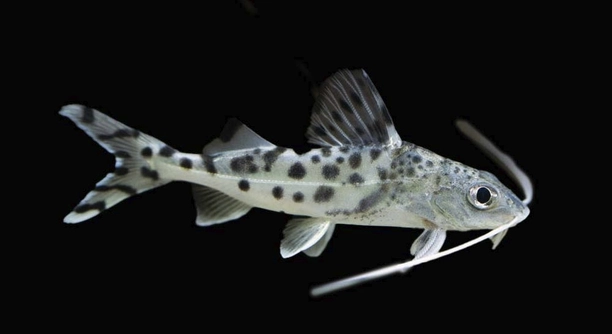
Pictus catfish are popular among aquarium enthusiasts, especially beginners looking for easy-to-care-for fish. These small, active fish bring life and movement to home tanks without requiring complicated care routines. Their peaceful nature makes them a favorite choice for community tanks.
Pictus catfish are ideal for beginners due to their hardy nature, adaptability to various water conditions, peaceful temperament, ease of feeding, and moderate size. These traits ensure they thrive without demanding specialized care, making them accessible for new fishkeepers.
Learning more about these traits will help you decide if pictus catfish fit your aquarium needs and lifestyle. Their simple care requirements can make fishkeeping more enjoyable and rewarding for those just starting out.
Hardy Nature of Pictus Catfish
Pictus catfish are known for their toughness, which makes them suitable for beginners. They can tolerate a range of water conditions, including slight variations in temperature and pH levels. This resilience helps reduce stress and illness, common problems for new fishkeepers. Their ability to adjust quickly means fewer chances of sudden health issues. Additionally, they are less sensitive to common tank fluctuations, which gives beginners confidence. Because of their hardy nature, pictus catfish require less specialized care compared to more delicate species. This makes them a practical choice for those who want an active and interesting fish without complex maintenance. Overall, their strength is a key reason many people find success with these fish in their early aquarium experiences.
Their resilience allows for easier tank management and fewer health concerns.
Hardiness helps pictus catfish live comfortably in different aquarium setups. Beginners often struggle with maintaining perfect water quality, but pictus catfish’s adaptability reduces this challenge. They handle mild changes without showing stress, making them forgiving pets for new aquarists. However, regular tank cleaning and monitoring remain important to keep them healthy. Their strong immune systems help prevent common diseases, so fewer medications or treatments are needed. This hardiness, combined with their active nature, makes them satisfying and reliable additions to beginner tanks.
Peaceful Temperament
Pictus catfish are peaceful and get along well with other fish.
This calm nature allows pictus catfish to coexist peacefully in community tanks. They avoid aggressive behavior and do not bother slower or shy fish. This makes them compatible with a variety of species, including tetras and gouramis. Their peaceful temperament means they won’t cause stress or harm to tank mates. For beginners, this is important because it reduces conflicts and simplifies fish selection. It also helps create a balanced and harmonious aquarium environment where all fish can thrive.
Pictus catfish are bottom dwellers that add movement without disrupting the tank. They swim actively during the day and night but avoid confrontation. Their social yet peaceful behavior encourages natural interaction with other fish. Because they do not compete aggressively for food or space, beginners can keep multiple species together easily. This trait enhances the tank’s overall appeal and makes caring for the aquarium more enjoyable. Choosing peaceful fish like pictus catfish helps avoid many common problems related to aggression in beginner setups.
Moderate Size and Active Behavior
Pictus catfish grow to a moderate size, usually around 4 to 5 inches. This makes them manageable for most home aquariums without needing a very large tank.
Their moderate size allows for a good balance between visibility and ease of care. They are large enough to be easily seen, making them a lively addition to the aquarium. Their activity level is high, often swimming around and exploring the tank, which adds movement and interest. Despite their energy, they do not require huge amounts of space compared to bigger fish species. This size makes them ideal for community tanks where space is limited but liveliness is desired. Their size also means feeding portions and waste production stay manageable for beginners.
Their active behavior keeps the aquarium dynamic. Pictus catfish spend much time near the bottom but frequently swim mid-tank, searching for food and interacting with their environment. This constant motion brings energy without disturbing other fish. Their activity also encourages beginners to maintain a clean tank and stay engaged in aquarium care.
Ease of Feeding
Pictus catfish accept a wide range of foods, including flakes, pellets, and live or frozen options.
This flexibility makes feeding straightforward for beginners who may not have specialized diets ready. They are bottom feeders but will come up to eat sinking pellets or bits of food that fall. Their willingness to eat common fish foods reduces the stress of meal preparation. This also allows new fishkeepers to experiment and find what works best for their fish. Feeding them is simple and doesn’t require complicated schedules or supplements. Consistent feeding habits help maintain their health and energy levels.
Regular feeding is important but not demanding. Overfeeding should be avoided, as it can cause water quality problems. Watching their appetite helps beginners adjust portions and avoid waste. Overall, pictus catfish’s ease of feeding supports a smooth and successful aquarium experience.
Adaptability to Tank Conditions
Pictus catfish adjust well to various water parameters, including temperature and pH levels. This flexibility helps them thrive in different aquarium setups.
They tolerate slight fluctuations better than many other fish, which reduces the chance of stress. This adaptability is helpful for beginners still learning to maintain stable tank conditions.
Compatibility with Other Fish
Pictus catfish coexist peacefully with many species. They avoid aggression and generally stay out of the way of more territorial fish.
Their non-aggressive nature allows for a diverse community tank. This helps beginners create a balanced aquarium without worrying about conflicts or bullying.
Low Maintenance Needs
These catfish require only basic care routines, such as regular water changes and a clean tank environment. They do not need specialized equipment or diets.
Keeping the tank clean and monitoring water quality are the main responsibilities. This simplicity suits those new to fishkeeping or with limited time.
Lifespan Expectancy
Pictus catfish typically live around 8 to 10 years with proper care. Their lifespan is reasonable for beginner aquarists.
Long-lasting pets like these provide ongoing enjoyment and reward for maintaining a healthy tank environment.
FAQ
How big do pictus catfish get?
Pictus catfish generally grow to about 4 to 5 inches in length. This size is moderate and fits well in most home aquariums. They don’t grow too large, so they won’t outgrow a standard tank if it’s properly maintained. Keeping their size in mind helps when planning tank mates and aquarium space.
What water conditions do pictus catfish need?
They prefer water temperatures between 72°F and 78°F (22°C to 26°C). Their pH range is usually between 6.5 and 7.5. These parameters are not very strict, which makes them easier to care for. They can handle slight fluctuations, but stable water conditions are always best to prevent stress.
Are pictus catfish aggressive?
No, pictus catfish are peaceful fish. They avoid aggression and generally get along well with other fish, especially peaceful community species. Their calm nature helps reduce stress in the tank and makes them good for beginner fishkeepers.
What do pictus catfish eat?
Pictus catfish are not picky eaters. They accept flakes, pellets, frozen foods, and live foods like bloodworms or brine shrimp. Since they are bottom feeders, sinking pellets or wafers work best. Feeding a varied diet helps keep them healthy and active.
How often should I feed pictus catfish?
Feeding them once or twice a day is sufficient. Avoid overfeeding, as leftover food can pollute the tank. Give only what they can eat in a few minutes. Monitoring their appetite helps you adjust the feeding amount to keep the tank clean.
Do pictus catfish need a special tank setup?
They do well in tanks with hiding spots like caves or plants. They appreciate soft substrate since they like to dig and explore the bottom. A moderate-sized tank (at least 30 gallons) is recommended because of their active swimming behavior.
Can pictus catfish live with other fish?
Yes, they are compatible with many species. Peaceful fish such as tetras, danios, and gouramis are good tank mates. Avoid aggressive or very large fish that might stress or harm them.
How long do pictus catfish live?
With proper care, pictus catfish can live 8 to 10 years. Good water quality, proper diet, and regular maintenance contribute to a long life.
What common health issues affect pictus catfish?
They are generally hardy but can suffer from common freshwater diseases like ich or fin rot if water quality drops. Maintaining clean water and avoiding overstocking helps prevent these problems.
Do pictus catfish require a specific water flow?
They prefer moderate water flow, which mimics their natural river habitats. Too strong a current can stress them, but gentle circulation helps keep the tank oxygenated and clean.
Are pictus catfish nocturnal?
They are mostly active during the day and night but tend to be more active in the evening. This means you can enjoy watching their behavior throughout most of the day.
How do pictus catfish reproduce?
Breeding pictus catfish in home tanks can be challenging. They need specific conditions such as slightly cooler water and plenty of hiding spaces. Most beginners focus on keeping them healthy rather than breeding.
What signs show that my pictus catfish is healthy?
Active swimming, regular eating, clear eyes, and intact fins are good signs. If they hide excessively or lose appetite, it may indicate stress or illness.
Can pictus catfish live alone?
They can live alone but prefer to be in groups of three or more. Keeping them in groups reduces stress and encourages natural social behavior.
How do I clean the tank without stressing pictus catfish?
Perform partial water changes regularly and avoid sudden, large changes in water parameters. Use a gentle filter and avoid disturbing their hiding spots. This helps keep them calm during maintenance.
What is the best substrate for pictus catfish?
Soft sand or smooth gravel works best. Sharp or rough substrates can damage their barbels, which they use to explore the tank bottom.
Can pictus catfish tolerate low oxygen levels?
They prefer well-oxygenated water. Using an air stone or filter that provides surface agitation helps keep oxygen levels sufficient.
Are pictus catfish sensitive to light?
They do not require special lighting but appreciate dimmer areas or places to hide from bright light. Providing shaded spots helps them feel secure.
What tank size is recommended for pictus catfish?
A minimum of 30 gallons is suggested for a small group. This space allows them to swim actively and maintain good water quality.
How often should I test the water?
Weekly water testing is ideal, especially for ammonia, nitrite, nitrate, and pH levels. Keeping these in check prevents many health issues.
Is it okay to keep pictus catfish with shrimp or snails?
They may occasionally eat small shrimp but usually leave snails alone. If keeping shrimp, choose larger species to reduce risk. Monitoring interactions is important to avoid problems.
Do pictus catfish require live plants?
Live plants are beneficial as they provide hiding places and improve water quality. However, these fish are not dependent on plants and do fine in well-decorated tanks without them.
Can pictus catfish jump out of the tank?
They are good jumpers. A secure lid or cover is necessary to prevent them from escaping, especially during feeding or tank cleaning.
What should I do if my pictus catfish stops eating?
Check water quality and tank conditions first. Illness or stress often causes appetite loss. Adjust water parameters if needed and consider offering different foods or live treats to encourage feeding.
How do pictus catfish interact with their environment?
They explore constantly using their barbels to sense food and obstacles. This behavior adds interest to the tank and shows their natural curiosity.
Is it normal for pictus catfish to hide a lot?
Some hiding is normal, especially after tank changes or at night. Excessive hiding could signal stress or illness and should be monitored carefully.
Pictus catfish are a solid choice for anyone new to keeping fish. Their hardiness and adaptability make them less demanding than many other species, which is helpful when learning how to maintain a healthy aquarium. These fish can handle a range of water conditions and are forgiving of minor mistakes, making them easier to care for. Their peaceful nature allows them to live comfortably with other fish, reducing conflicts and stress in the tank. Because they are active and interesting to watch, they add life and movement without requiring a lot of extra effort. For beginners, this balance of traits is important to build confidence and enjoy fishkeeping.
In addition to being easy to care for, pictus catfish have manageable size and feeding needs. They grow to a moderate length, so they do not require very large tanks or special setups. Their diet is simple and flexible, accepting common flakes, pellets, and frozen foods. This makes feeding straightforward and reduces worries about meeting complex nutritional requirements. Their bottom-feeding habits also help keep the tank clean by scavenging leftover food. Overall, these factors contribute to a smooth experience for people who want low-maintenance but engaging fish. The moderate lifespan of pictus catfish means they can be part of the aquarium for many years, offering lasting enjoyment.
Maintaining pictus catfish does require some basic care, including regular water changes, tank cleaning, and monitoring water quality. While they are hardy, poor tank conditions can lead to health issues. Providing hiding spots, soft substrate, and proper water flow helps them feel secure and thrive. Their active and curious behavior encourages aquarium owners to stay involved in tank care and enjoy watching natural fish behaviors. Pictus catfish are a good option for those who want a balance of simplicity and activity in their aquarium. With the right care, these fish can bring both beauty and a sense of accomplishment to beginners.

Hello,
If you enjoy the content that we create, please consider saying a "Thank You!" by leaving a tip.
Every little bit helps us continue crafting quality advice that supports the health, happiness, and well-being of pets around the world, for pets of all shapes, sizes, and species.
We really appreciate the kindness and support that you show us!