
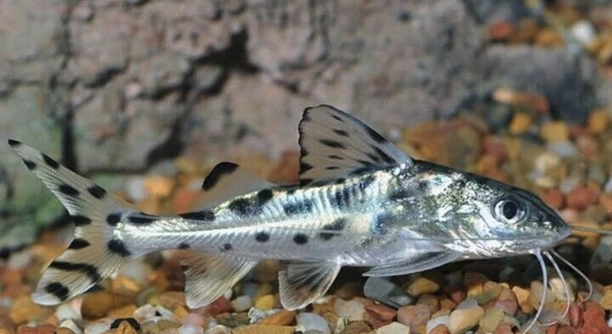
Many aquarium owners enjoy keeping Pictus catfish because of their active and curious nature. These fish often become a favorite in community tanks. Understanding their social needs is important for maintaining their overall well-being and health.
Pictus catfish do benefit from living with companions, as they are naturally social fish. Keeping them in groups helps reduce stress and encourages natural behavior, which contributes to their health and longevity in captivity.
Learning about the social habits of Pictus catfish can improve your care routine. Knowing whether they need company will help create a better environment for these lively fish.
Social Behavior of Pictus Catfish
Pictus catfish are naturally social animals that thrive when kept in groups. In the wild, they live in schools where they swim together for protection and companionship. This social structure helps them feel secure and reduces anxiety. When kept alone in an aquarium, they may become shy or stressed, hiding more often. Group living encourages natural behaviors like exploring and interacting with tank mates. These catfish are active swimmers who enjoy having space to move around with others. A group of three to six is often recommended to keep them happy and healthy. Without companions, they may become lethargic or display signs of stress, which can impact their immune system and make them more prone to illness. Their social nature is an important consideration when setting up an aquarium to ensure their well-being.
Groups also help Pictus catfish maintain a natural routine and reduce aggressive behaviors towards other fish.
Keeping Pictus catfish together promotes balanced tank dynamics. Their interactions help spread out activity, so no fish feels threatened or lonely. They tend to coordinate movements and sometimes rest close to one another, showing their social bonds. When housed properly in groups, they demonstrate more vibrant colors and stronger immune responses. However, overcrowding must be avoided, as it can lead to stress and poor water quality. Maintaining clean water and adequate space alongside companionship creates the ideal environment for these fish to flourish. This balance supports their health and longevity, making group care essential. Many hobbyists notice that Pictus catfish show more confidence and curiosity when with others, which adds to the enjoyment of keeping them. Ultimately, their social needs should guide how they are housed to ensure they live comfortably.
Choosing Tankmates for Pictus Catfish
Pictus catfish prefer peaceful companions that won’t compete aggressively for food or space.
Suitable tankmates include other non-aggressive fish like tetras, gouramis, and corydoras. These species share similar water requirements and temperaments, reducing stress in the tank. Avoid large or aggressive fish that might bully or harm the catfish. Pictus catfish are nocturnal feeders, so choosing tankmates that feed at different times can help ensure everyone gets enough food. It’s important to provide hiding spots and open swimming areas to meet their needs. Compatibility depends on size and behavior; smaller fish may be at risk if housed with bigger predators. The right community setup keeps the aquarium peaceful and balanced. Many owners find success with community tanks where Pictus catfish coexist without issues, making for a lively yet calm environment. Proper tankmate choice supports their social health and reduces conflicts.
Tank Setup for Pictus Catfish
Pictus catfish need plenty of space and hiding spots in their tank. A minimum of 30 gallons is recommended for a small group to swim comfortably.
Provide smooth gravel or sand substrate to protect their sensitive barbels. Include caves, driftwood, and plants for shelter and resting places. These hiding spots reduce stress and mimic their natural environment. Good water flow and oxygen levels are important since they come from rivers with moderate currents. Regular water changes keep conditions stable and healthy. The tank should be dimly lit or have shaded areas because Pictus catfish are more active in low light. Proper filtration is necessary to maintain clean water and avoid buildup of toxins that can harm them.
Maintain a temperature between 74°F and 79°F, and keep pH near neutral. Avoid sudden changes, as these fish are sensitive to fluctuations. Good water quality and space make a big difference in their health and behavior. Ensuring these basics helps them thrive and stay active.
Feeding Habits of Pictus Catfish
Pictus catfish are omnivores with a preference for protein-rich foods.
They enjoy sinking pellets, bloodworms, and brine shrimp. Feeding once or twice a day is enough to keep them healthy. Overfeeding can cause water quality issues and health problems. Including some plant matter or algae wafers adds variety to their diet. Feeding at night or during low light encourages natural foraging behavior. They use their barbels to search for food along the tank bottom, so foods that sink quickly work best. Observing their feeding habits can help you adjust portions and avoid leftovers that pollute the water. A balanced diet supports their energy and immune system, making them more active and less prone to illness.
Signs of Stress in Pictus Catfish
Stress in Pictus catfish can show through hiding more often than usual. They may also lose their usual activity and become lethargic.
Other signs include loss of appetite, faded colors, and erratic swimming. Stress weakens their immune system and can lead to illness if not addressed quickly.
Common Health Issues
Pictus catfish are prone to bacterial infections, fin rot, and parasites if water quality is poor. Keeping the tank clean and stable is essential to prevent these problems.
Proper diet, water temperature, and reducing stress through social interaction help maintain their health. Regular observation can catch early signs of disease before they become serious.
Tank Cleaning Routine
Regular water changes of 20-25% weekly keep the tank environment healthy. Removing debris and uneaten food prevents toxin buildup.
Using a gentle vacuum on the substrate protects the catfish’s barbels from damage during cleaning.
Water Parameters to Monitor
Keep temperature between 74°F and 79°F for comfort. Maintain pH near neutral, around 6.5 to 7.5, for optimal health.
FAQ
Do Pictus catfish need to be kept in groups?
Yes, Pictus catfish naturally live in groups and do best when kept with at least three to six individuals. Being in a group reduces their stress and encourages natural swimming and social behaviors. Alone, they can become shy or inactive, which might affect their health. Group living also helps them feel more secure, making them more confident in exploring the tank.
What size tank is suitable for Pictus catfish?
A minimum of 30 gallons is recommended for a small group of Pictus catfish. They are active swimmers and need plenty of space to move around comfortably. Larger tanks allow for better water quality and more hiding spots, which reduce stress and encourage natural behavior.
Can Pictus catfish live with other fish?
Yes, Pictus catfish are peaceful and do well with other non-aggressive fish. Suitable tankmates include tetras, gouramis, and corydoras. Avoid large or aggressive fish that may bully or harm them. It’s also important to choose fish that have similar water requirements and temperaments.
What do Pictus catfish eat?
They are omnivores with a preference for protein-rich foods like sinking pellets, bloodworms, and brine shrimp. Including some plant matter or algae wafers provides dietary variety. Feeding once or twice daily is enough. Overfeeding can cause health issues and poor water quality.
How often should I clean the tank for Pictus catfish?
Regular maintenance is important. Change about 20-25% of the water weekly to keep conditions stable. Remove uneaten food and debris to prevent toxins from building up. Use a gentle vacuum on the substrate to avoid harming their sensitive barbels.
What water conditions do Pictus catfish prefer?
They thrive in temperatures between 74°F and 79°F with a neutral pH around 6.5 to 7.5. Stable water parameters are important because sudden changes can stress them. Good filtration and oxygen levels also help maintain a healthy environment.
Why do Pictus catfish hide a lot?
Hiding is a natural behavior, especially during the day when they are less active. Excessive hiding may signal stress, poor water conditions, or illness. Providing plenty of hiding spots and keeping a calm environment can help reduce hiding and encourage activity.
Are Pictus catfish nocturnal?
Yes, they tend to be more active during low light or nighttime. Feeding them in the evening or at night aligns with their natural habits. Dim lighting or shaded areas in the tank support their comfort and activity patterns.
Can Pictus catfish tolerate other tank mates?
Generally, they are peaceful but should not be kept with overly aggressive or much larger fish. These can stress or harm them. Choosing calm, medium-sized fish that share similar water needs creates a peaceful community tank.
What are common health problems in Pictus catfish?
They are vulnerable to bacterial infections, fin rot, and parasites, mostly caused by poor water quality or stress. Maintaining clean water, a balanced diet, and proper tank conditions helps prevent these issues. Early detection and treatment improve outcomes.
How do I know if my Pictus catfish is stressed?
Signs include hiding excessively, loss of appetite, faded colors, and erratic swimming. Stress can weaken their immune system and lead to illness. Ensuring proper tank size, companions, hiding places, and good water quality helps reduce stress.
Can Pictus catfish live alone?
They can survive alone but usually do not thrive. Being social animals, they benefit from having company. Alone, they may show signs of stress and reduced activity, which affects their health. Group housing is better for their mental and physical well-being.
How much space do Pictus catfish need per fish?
Allow at least 5 gallons per Pictus catfish to provide enough swimming room and reduce territorial behavior. This helps maintain good water quality and gives each fish enough personal space.
Do Pictus catfish need special lighting?
They prefer dim lighting or shaded areas as they are more active during low light periods. Bright lights can stress them, so providing places to hide and shade makes them feel safer and more comfortable.
Is it necessary to provide hiding places in the tank?
Yes, hiding spots like caves, plants, and driftwood are essential. These reduce stress by giving the fish a sense of security. Without enough shelter, Pictus catfish may hide excessively or become anxious.
How often should I feed Pictus catfish?
Feeding once or twice a day is sufficient. Overfeeding can lead to water pollution and health issues. Observe their behavior to adjust portion sizes and avoid leaving uneaten food in the tank.
What kind of substrate is best for Pictus catfish?
Soft substrates like sand or smooth gravel protect their sensitive barbels from injury. Rough or sharp substrates can damage these delicate whiskers and cause infections.
Are Pictus catfish aggressive?
They are generally peaceful but can show mild territorial behavior in crowded or stressful conditions. Proper tank size and compatible tankmates help keep aggression low.
How long do Pictus catfish typically live?
With proper care, they can live 8 to 10 years in captivity. Good diet, water quality, and social conditions contribute to their lifespan.
What should I do if my Pictus catfish appears sick?
Check water parameters first, as poor water quality often causes illness. Quarantine sick fish if possible and consult a vet or aquatic specialist for treatment. Early action increases recovery chances.
Can Pictus catfish jump out of the tank?
Yes, they can jump, especially if stressed or if the tank lacks a secure lid. Always cover the tank to prevent escapes and injuries.
Pictus catfish are lively and interesting fish that many people enjoy keeping in their aquariums. They naturally live in groups and benefit greatly from having companions. Keeping them with others of their kind helps reduce stress and encourages their natural behaviors, such as swimming together and exploring their environment. When they have company, they tend to be more active, healthier, and show brighter colors. Providing a proper social setting is important to help these fish feel secure and comfortable in their tank.
Creating a suitable environment is key to the well-being of Pictus catfish. They need enough space to swim freely and hiding spots where they can rest or feel safe. The tank should have soft substrate to protect their delicate barbels, as well as good filtration and stable water conditions. Keeping the water clean and within the right temperature and pH range supports their health. Feeding them a balanced diet that includes sinking pellets and protein-rich foods helps keep their energy levels up. Together, these factors create an environment where Pictus catfish can thrive.
When caring for Pictus catfish, paying attention to their social needs, tank setup, and diet will improve their overall health and happiness. Watching their behavior closely can help detect signs of stress or illness early on, allowing you to make changes if needed. Proper care can extend their lifespan and make your aquarium more enjoyable to watch. Understanding their natural habits and needs leads to a better experience for both the fish and the owner. In the end, thoughtful care helps Pictus catfish stay healthy and active for years.

Hello,
If you enjoy the content that we create, please consider saying a "Thank You!" by leaving a tip.
Every little bit helps us continue crafting quality advice that supports the health, happiness, and well-being of pets around the world, for pets of all shapes, sizes, and species.
We really appreciate the kindness and support that you show us!