
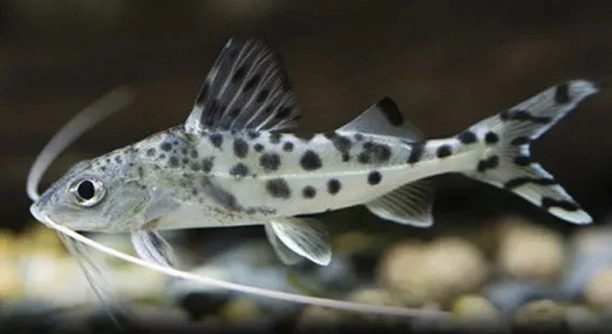
Is your Pictus catfish swimming in circles instead of gliding smoothly? This behavior can be surprising and concerning for aquarium owners who expect their fish to move naturally around the tank. Understanding the reasons behind this action is important for your fish’s wellbeing.
Swimming in circles is often caused by swim bladder issues, infections, or water quality problems. These factors affect the fish’s balance and buoyancy, leading to abnormal swimming patterns. Proper diagnosis and treatment are essential to restore normal behavior and ensure health.
Learning about these causes can help you address your catfish’s unusual swimming quickly. This article will explain common reasons and suggest practical steps to support your fish’s recovery.
Common Causes of Circular Swimming in Pictus Catfish
When a Pictus catfish swims in circles, it is usually a sign of an underlying problem. One frequent cause is an issue with the swim bladder, an organ that controls balance and buoyancy. If the swim bladder is damaged or infected, the fish struggles to maintain proper orientation. Poor water quality can also lead to stress and physical problems, causing strange swimming behavior. Infections from bacteria or parasites may affect the nervous system, resulting in disorientation. It’s important to test water parameters regularly, including ammonia, nitrites, and pH levels, to keep the environment safe. Providing a clean tank and a balanced diet supports overall fish health. Sometimes, injuries or sudden changes in temperature can also trigger circular swimming. Recognizing these signs early helps prevent further complications and increases the chances of recovery.
Infections and swim bladder issues are often linked to environmental factors or diet. Early care can improve outcomes.
Regular water testing and a stable environment are essential for preventing swimming problems and maintaining your catfish’s health.
Diagnosing and Treating the Problem
Noticing your Pictus catfish swim in circles requires quick attention. Begin by checking the water conditions and testing for ammonia, nitrite, nitrate, and pH levels. If water quality is poor, perform a partial water change and improve filtration. Observe the fish for other signs such as lethargy, loss of appetite, or visible spots. Swim bladder problems might improve with a diet change, such as feeding shelled peas to help digestion. If infection is suspected, treatment with appropriate antibiotics or antiparasitic medications may be necessary, but only after confirming the diagnosis. Avoid overcrowding and maintain a consistent tank temperature to reduce stress. Keeping the tank clean and stable creates the best environment for healing. Consulting a vet or experienced aquarist can provide specific advice if symptoms persist or worsen. Early intervention often leads to better recovery chances.
Preventing Circular Swimming in Your Pictus Catfish
Maintaining clean water is crucial to prevent swimming problems. Regular water changes and careful monitoring of tank parameters help keep the environment healthy for your fish. Proper filtration and avoiding overfeeding also reduce stress on your catfish.
Stable water conditions reduce the risk of swim bladder issues and infections. Keeping ammonia, nitrite, and nitrate levels low is essential, as poor water quality can quickly lead to health problems. Feeding a balanced diet with occasional fiber-rich foods, like peas, supports digestion and prevents constipation, a common cause of swim bladder problems. Avoid sudden changes in temperature or lighting, which can stress your fish and affect their behavior. Providing hiding spots and space to swim freely helps your catfish feel secure and less prone to stress-induced issues.
Monitoring your fish regularly allows early detection of abnormal swimming. Keeping the tank clean and stable is the best prevention against common health problems.
Signs That Indicate a Serious Health Issue
If your Pictus catfish’s swimming behavior worsens, it may signal a serious problem. Symptoms like lethargy, loss of appetite, or visible physical damage require immediate attention. Persistent circular swimming accompanied by these signs indicates the need for professional advice or treatment.
A sudden change in behavior often means an infection or internal problem affecting the fish’s nervous system. Swelling or discoloration around the belly can suggest swim bladder disease or constipation. If your catfish is gasping at the surface or hiding more than usual, poor water quality might be to blame. In such cases, improving water parameters and isolating the affected fish to reduce stress are important first steps. When natural remedies don’t help, consulting a vet or aquatic specialist for diagnosis and treatment options becomes necessary. Early intervention improves the chance of recovery and prevents the problem from spreading to other tank inhabitants.
Adjusting Tank Setup for Better Health
Proper tank setup can reduce stress and improve your Pictus catfish’s well-being. Ensure there is enough swimming space and plenty of hiding spots. Avoid overcrowding to give your fish room to move freely.
Maintaining stable water temperature and soft lighting also helps prevent stress-related behaviors. Using smooth substrate prevents injury while your catfish explores.
Feeding Tips to Support Swim Bladder Health
Feeding a balanced diet with high-quality flakes or pellets is important for your catfish. Including occasional fiber-rich foods like shelled peas helps digestion and prevents constipation, which can affect the swim bladder.
Avoid overfeeding, as excess food leads to poor water quality and digestive issues. Feeding small amounts several times a day is best for maintaining your fish’s health.
Using Medication Carefully
Medication should be used only when necessary and with proper guidance. Incorrect treatments can harm your fish or tank environment.
Always follow instructions carefully and isolate the fish if possible to prevent spreading infections.
FAQ
Why is my Pictus catfish swimming in circles?
Swimming in circles usually indicates a problem with balance or buoyancy. This can be caused by swim bladder disease, infections, poor water quality, or injuries. Swim bladder problems affect the fish’s ability to swim straight, while infections or parasites can disrupt their nervous system. Checking the water parameters and observing for other symptoms helps identify the cause.
Can water quality affect my Pictus catfish’s swimming behavior?
Yes, poor water quality is a common factor in abnormal swimming. High levels of ammonia, nitrites, or nitrates stress the fish and can damage organs, including the swim bladder. Regular water testing and timely water changes are necessary to maintain a healthy environment and prevent swimming problems.
How do I treat swim bladder issues in my Pictus catfish?
Swim bladder problems often improve with dietary changes and water quality management. Feeding fiber-rich foods like shelled peas helps relieve constipation, a frequent cause. If an infection is suspected, antibiotics may be needed, but only after confirming the diagnosis. Reducing stress and maintaining stable tank conditions support recovery.
Is it normal for Pictus catfish to swim in circles sometimes?
Occasional circling may happen but should not be constant. Persistent circular swimming is a sign of a health problem or stress. Keep a close watch on your fish’s overall behavior and tank conditions to catch issues early.
What other symptoms should I watch for besides circular swimming?
Look for lethargy, loss of appetite, visible injuries, swelling, or changes in coloration. Gasping at the surface or hiding excessively can also indicate illness or poor water quality. These signs together with unusual swimming require prompt action.
How often should I test my tank water to prevent swimming problems?
Testing water at least once a week is ideal, especially for ammonia, nitrite, nitrate, and pH levels. More frequent checks might be necessary if problems arise. Maintaining stable, safe water parameters is key to preventing swim bladder disease and infections.
Can overfeeding cause my catfish to swim in circles?
Yes, overfeeding can lead to constipation and poor water quality, both of which affect swimming. Excess food decays in the tank, raising toxins. Feeding small, controlled portions helps avoid these problems and supports your catfish’s digestive health.
Should I isolate my Pictus catfish if it swims in circles?
Isolation can reduce stress and prevent potential spread of infections. Use a quarantine tank if possible when treating swim bladder problems or infections. This also allows closer monitoring and targeted care.
How long does it take for a Pictus catfish to recover from swim bladder issues?
Recovery varies depending on cause and treatment. Mild cases may improve in a few days with diet and water changes. Infections or severe cases can take weeks and require medication. Consistent care and a stable environment improve recovery chances.
Can tank decorations or setup cause swimming problems?
Tank setup can affect behavior. Sharp objects or overcrowded spaces may cause injuries or stress, leading to abnormal swimming. Provide smooth substrate, adequate swimming space, and hiding places to create a comfortable environment for your catfish.
Final Thoughts
Understanding why your Pictus catfish swims in circles is important for keeping your fish healthy and happy. This behavior usually signals an underlying issue such as swim bladder problems, infections, or poor water conditions. By paying close attention to your fish’s movements and environment, you can spot problems early and take steps to fix them. Maintaining clean water, a balanced diet, and a well-arranged tank all contribute to your catfish’s wellbeing and prevent many common causes of circular swimming.
Taking care of your Pictus catfish means providing a stable and stress-free environment. Regular water testing and timely water changes are essential to keep toxins low and water parameters within safe limits. Feeding the right foods in the right amounts supports digestion and reduces the chance of swim bladder issues. It is also helpful to avoid overcrowding the tank and to include hiding places, so your fish feels secure. These simple steps create the best conditions for your catfish to swim naturally and avoid abnormal behaviors.
If your catfish continues to swim in circles despite these efforts, it may require medical attention. Infections and serious swim bladder diseases sometimes need treatment with medications under professional guidance. Isolating the affected fish during treatment helps reduce stress and protect other tank inhabitants. Always observe your fish carefully for additional symptoms like lethargy or loss of appetite, which can indicate worsening health. With proper care and attention, many Pictus catfish recover well and return to their normal, graceful swimming.

Hello,
If you enjoy the content that we create, please consider saying a "Thank You!" by leaving a tip.
Every little bit helps us continue crafting quality advice that supports the health, happiness, and well-being of pets around the world, for pets of all shapes, sizes, and species.
We really appreciate the kindness and support that you show us!