
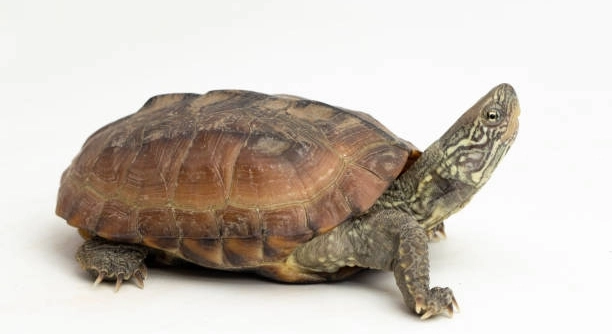
Musk turtles are fascinating pets, but they can sometimes show aggressive behaviors. Understanding the causes and how to reduce aggression is key to creating a peaceful environment for both you and your turtle.
To reduce aggression in musk turtles, ensure they have enough space, a proper diet, and a stress-free environment. Inadequate conditions such as overcrowding, poor water quality, or improper heating can lead to heightened aggression.
Making a few adjustments to their environment can make a big difference. Keep reading to learn some effective tips for calming your musk turtle and promoting a healthier, happier habitat.
Provide Enough Space
Musk turtles can become aggressive if they feel cramped or confined in too small of an area. They need ample space to move around and establish their own territory. If they’re kept in an aquarium that’s too small, they may start to feel stressed or threatened. Aggression is often a response to this kind of discomfort. It’s important to provide them with a tank that’s large enough for swimming, basking, and hiding. A tank with a minimum size of 40 gallons is ideal for one musk turtle, and adding extra space for each additional turtle will keep them from fighting. Also, make sure to keep the water clean and at the right temperature, as these factors can also contribute to their stress.
Giving your musk turtle space to roam reduces their stress levels. In a more comfortable environment, they’ll feel safer and less inclined to act aggressively. When considering their enclosure, think about the long term. A bigger tank may seem like an upfront investment, but it’s worth it for their overall well-being.
By giving them the room they need, you’re allowing them to establish their own space without constantly feeling threatened by other turtles or objects around them. A larger tank also makes it easier to keep their environment stable, reducing other stress factors.
Monitor Water Quality and Temperature
Proper water quality and temperature are essential for your musk turtle’s health. Poor water conditions often lead to stress, which can cause aggression. Regularly check the water’s pH, ammonia levels, and temperature.
Keeping the water clean and at the proper temperature will help your turtle stay comfortable. If the water is too cold or dirty, your turtle will likely become stressed and more prone to aggression.
Offer Hiding Spots
Musk turtles need places where they can retreat and feel secure. Without hiding spots, they can feel exposed, leading to aggression. Providing shelters such as rocks, logs, or plants will help them feel more comfortable.
A well-placed hideaway can significantly reduce stress. When your turtle has a safe place to go, they can escape from any potential threats or overwhelming stimuli. This helps them relax and lowers the chances of aggressive behavior. It’s crucial that the hiding spots are large enough for them to turn around and rest without feeling crowded.
Don’t forget to arrange the environment so that the turtle can easily access its hiding spots without obstruction. Whether you choose to use aquarium decorations or natural elements like live plants, make sure there are multiple hiding areas. This way, they’ll have choices and won’t feel trapped or exposed.
Avoid Overcrowding
Overcrowding in the tank can create competition for space and food, leading to aggression between turtles. Musk turtles are territorial by nature, and adding too many can result in fighting.
To prevent this, ensure the tank is appropriately sized for the number of turtles you have. Musk turtles often become aggressive when they are forced to share a confined space. Each turtle needs room to move, swim, and rest comfortably. Be mindful of how many turtles you keep in one tank.
If you notice signs of aggression such as biting or chasing, consider separating the turtles to avoid injury. Each one will need its own space to thrive. Overcrowding doesn’t just affect the turtles; it can also make it harder to maintain water quality, creating a more stressful environment overall.
Feed Them Properly
A well-balanced diet plays a crucial role in your musk turtle’s behavior. Poor nutrition can contribute to stress, which may result in aggressive tendencies.
Ensure they receive a varied diet, including commercial turtle food, vegetables, and occasional live prey. Proper feeding helps maintain their health and keeps aggression at bay.
Maintain a Consistent Routine
Musk turtles thrive on consistency. A regular feeding and cleaning schedule helps reduce stress and keeps them calm. By providing structure, they know what to expect, lowering anxiety.
A predictable routine allows them to feel secure in their environment. This consistency can lead to fewer aggressive outbursts and a happier turtle overall.
FAQ
What are the common causes of aggression in musk turtles?
Aggression in musk turtles can stem from several factors. The most common causes include overcrowding, poor water quality, incorrect temperature, lack of space, or improper diet. These factors contribute to stress, which leads to fighting, territorial behavior, or biting. Ensuring proper tank conditions, providing enough space, and offering a well-balanced diet are all key steps in reducing aggression. Additionally, not giving them enough hiding spots or being inconsistent with their care routine can also cause stress.
How can I tell if my musk turtle is stressed?
You can spot signs of stress in your musk turtle through its behavior and physical appearance. Stress can cause them to become more aggressive, inactive, or overly shy. They may try to escape the tank or hide excessively. Other signs include rapid breathing, loss of appetite, and discoloration of their skin or shell. A stressed turtle may also start biting or showing defensive behavior toward other tank mates. If you notice these signs, it’s important to address the underlying issues, such as water quality, tank size, or diet.
Can two musk turtles live together peacefully?
Musk turtles can live together, but they need enough space to avoid aggression. When multiple turtles are kept in the same tank, it’s crucial to ensure that the enclosure is large enough for each turtle to establish its own territory. Aggression often arises when they feel crowded or when their space is invaded. You can reduce the chances of conflict by adding hiding spots, making sure there’s enough food for everyone, and observing their interactions. If they show signs of aggression, separating them may be necessary to prevent harm.
What is the best tank size for a single musk turtle?
For a single musk turtle, the ideal tank size is at least 40 gallons. This provides enough space for swimming, basking, and exploring. If you have more than one turtle, you’ll need to increase the tank size accordingly. Each additional turtle will require an extra 10-15 gallons of space. Having enough room helps prevent territorial disputes and keeps your turtle active and healthy. It’s important to avoid small tanks, as they can lead to stress and increase the likelihood of aggression.
How often should I clean my musk turtle’s tank?
A musk turtle’s tank should be cleaned at least once a week. Regular cleaning of the tank, substrate, and filter ensures that the water stays fresh and free from harmful bacteria. You should also check the water parameters (pH, ammonia, and temperature) to make sure they remain within the ideal range. If you have a filtration system, cleaning the filter every two to three weeks will help maintain water quality. If you notice that your turtle is showing signs of stress, it may be a sign that the tank needs more frequent cleaning.
Can musk turtles eat live prey?
Yes, musk turtles can eat live prey. They are omnivorous and enjoy eating small fish, insects, and other live creatures as part of their diet. However, live prey should be offered in moderation to avoid overfeeding or creating aggression. A varied diet, including commercial turtle food, vegetables, and occasional live food, will help provide the nutrients they need without encouraging overly aggressive behavior toward their food source. Always ensure that the live prey is appropriately sized and safe for your turtle to eat.
How can I reduce aggression between two musk turtles?
To reduce aggression between two musk turtles, make sure they have enough space to avoid territorial disputes. Providing hiding spots and separate basking areas can also help prevent conflict. If aggression persists, it might be necessary to separate them temporarily or permanently. You can also ensure that both turtles are receiving an equal amount of food and attention. Keep a close eye on their behavior, and intervene if you see signs of fighting or stress. Consistent care and a peaceful environment are key in maintaining harmony.
What temperature should the water be for a musk turtle?
The water temperature for a musk turtle should be maintained between 75-80°F (24-27°C). This is the ideal range to keep them comfortable and encourage normal activity. If the water is too cold, your turtle may become lethargic, stressed, or aggressive. Conversely, water that is too warm can lead to health issues. A submersible aquarium heater can help maintain a steady temperature. It’s also important to have a basking area with a temperature between 85-90°F (29-32°C), allowing your turtle to regulate its body temperature.
What should I do if my musk turtle is biting or attacking others?
If your musk turtle is biting or attacking others, it’s essential to address the underlying cause. First, check that the tank size is sufficient for all turtles and that there are enough hiding spots and basking areas. If the aggression continues, try separating the turtles temporarily to see if that alleviates the behavior. Overcrowding is a common cause of aggression, so if the tank is too small, consider upgrading to a larger one. You may also want to adjust their diet or check the water quality to ensure it’s not contributing to their stress.
Is it okay to handle my musk turtle frequently?
Musk turtles are generally not as social as some other reptiles and may become stressed with too much handling. While it’s fine to interact with them occasionally, it’s important not to overdo it. Frequent handling can cause them to feel threatened, which might lead to defensive behaviors, including biting or aggression. Limit handling sessions to a few minutes and make sure to handle them gently. If you notice your turtle seems stressed or agitated, give it some space to calm down and return to its natural behavior.
Final Thoughts
Reducing aggression in musk turtles mainly involves providing the right environment. When they feel secure, comfortable, and have enough space, they’re less likely to become aggressive. Ensuring the tank is large enough, maintaining good water quality, and offering hiding spots are simple but effective ways to reduce stress. Stress often leads to aggressive behavior, so creating a stable and calm environment can make a huge difference in their temperament. Regular tank cleaning, consistent water temperature, and proper feeding routines all contribute to a healthier and more peaceful turtle.
Musk turtles are naturally solitary and territorial animals, but with the right care, they can coexist peacefully. Overcrowding or competition for resources can increase aggression, so it’s essential to avoid putting too many turtles in one tank. By offering plenty of space and monitoring their behavior closely, you can prevent many aggressive encounters. If aggression does occur, separating the turtles temporarily and observing their interactions can help assess whether permanent separation is necessary. Each turtle has its own personality, so it’s important to be patient and flexible in meeting their needs.
Lastly, don’t forget the importance of regular checkups on their health and well-being. Proper nutrition, routine maintenance of the tank, and consistent care will help ensure your musk turtle is not only healthy but also calm. By maintaining a routine and staying attentive to any signs of distress or aggression, you can create a positive living environment for your turtle. Keeping these factors in mind will not only reduce aggression but also promote a long, healthy life for your musk turtle.

Hello,
If you enjoy the content that we create, please consider saying a "Thank You!" by leaving a tip.
Every little bit helps us continue crafting quality advice that supports the health, happiness, and well-being of pets around the world, for pets of all shapes, sizes, and species.
We really appreciate the kindness and support that you show us!