
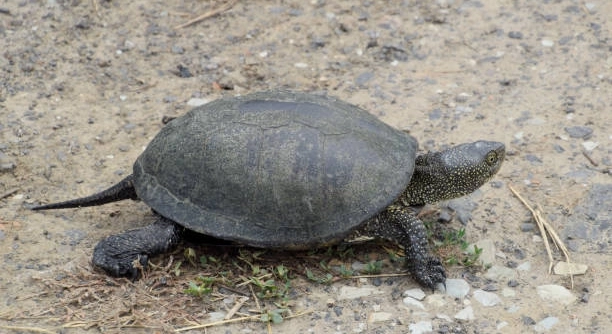
Many turtle owners want to know if their Musk Turtles can live alongside crayfish in the same tank. This is a common concern for those seeking a balanced, peaceful aquatic environment for their pets.
Musk Turtles and crayfish can live together, but careful consideration is needed. Crayfish may pose a risk to the turtles, potentially harming them if the crayfish feels threatened or cornered. Keep monitoring their interactions closely.
Understanding the right setup and precautions can ensure that your Musk Turtle and crayfish co-exist without problems. Proper tank management and safety tips will help create a peaceful aquatic home for both.
Can Musk Turtles Live Peacefully with Crayfish?
When keeping Musk Turtles and crayfish together, it’s important to understand their behavior and needs. Musk Turtles are slow-moving and spend much of their time in the water, while crayfish are more active and may roam the tank searching for food. These differences can sometimes lead to conflict. Crayfish, known for their territorial nature, may attack the turtle if they feel threatened. Similarly, the Musk Turtle might view the crayfish as prey, especially if it’s small. It’s crucial to keep an eye on their interactions and be ready to separate them if aggression occurs. A large tank with plenty of hiding spots for both creatures can reduce the chances of these conflicts. Regularly check the health of both animals to ensure no injuries result from their interactions.
For the best chance at peaceful cohabitation, give each species its space and resources. Provide enough hiding places for both the turtle and crayfish, and ensure they both have areas to feed and explore without competition.
Remember that these animals have very different ways of living, so don’t assume that just because they share a habitat, they’ll get along without trouble. With the right setup and constant monitoring, Musk Turtles and crayfish can live together, but it requires dedication. Keep the water clean, offer varied foods, and watch their behavior. If one animal becomes aggressive or stressed, be prepared to set up separate living conditions for both. Always prioritize their safety and well-being, even if that means adjusting your tank setup or separating them permanently.
How to Set Up the Right Tank
The tank size is crucial when housing both animals.
Make sure the tank is large enough to provide sufficient space. A 40-gallon tank or larger is ideal for keeping Musk Turtles and crayfish together. Include lots of rocks and plants where they can hide.
Tank Conditions for Musk Turtles and Crayfish
The tank needs to be clean, with stable water conditions to keep both the turtle and crayfish healthy. Regular water changes are essential to maintain a proper environment. A filtration system will help keep the water clear and free of harmful toxins, especially with both species in one tank. Keep the water temperature between 70°F and 75°F to ensure comfort for both animals.
Musk Turtles are more sensitive to water quality than crayfish, so monitor the pH levels closely. Ideally, the water should be slightly acidic, between 6.5 and 7.5. Crayfish are hardy creatures and can tolerate a wider range of conditions, but providing a consistent, clean environment will benefit both species. Avoid sudden temperature or pH shifts, as they can cause stress and increase the risk of illness. Using a water heater can help keep the temperature steady, especially in cooler climates.
A quality filter is key to keeping the water clean and ensuring good oxygen circulation. Since both species are sensitive to ammonia and nitrites, it’s important to test the water regularly. Ammonia levels should always be at 0 ppm, and nitrite levels should also remain undetectable. A well-maintained tank will reduce stress and promote healthy growth for both the Musk Turtle and the crayfish.
What to Feed Musk Turtles and Crayfish
Feeding the animals correctly is essential for their health.
Musk Turtles are primarily carnivorous and should be given a diet that includes fish, worms, and insects. Crayfish, on the other hand, are omnivores and will eat a mix of plant matter, small fish, and detritus. To avoid competition for food, provide different feeding zones for each species. You can use floating pellets for the turtle and sinking pellets or small fish for the crayfish. Offering food at different times of the day can also help minimize conflicts.
A good feeding routine will ensure both animals receive the proper nutrition they need. Musk Turtles need a high-protein diet, so include aquatic insects, earthworms, and small fish in their meals. Crayfish will benefit from a more varied diet, with vegetables like lettuce, zucchini, and some protein sources such as shrimp. Overfeeding can lead to water quality issues, so it’s important to remove any leftover food promptly to prevent decay. When feeding, keep an eye on both creatures to ensure that neither animal becomes too aggressive toward the other.
Potential Risks of Housing Musk Turtles with Crayfish
One risk is the possibility of the crayfish attacking the turtle. Crayfish may become aggressive if they feel threatened, and their claws can injure the turtle. The turtle might also attempt to bite the crayfish, especially if it’s smaller.
Another concern is the health of the crayfish. Musk Turtles have sharp claws and may harm or even eat the crayfish, especially if they are smaller or molting. Since crayfish molt to grow, this leaves them vulnerable to the turtle’s potential attacks. Monitoring their behavior is key to avoiding serious injuries.
Managing Territorial Behavior
Crayfish are territorial and can get aggressive, especially if there are limited hiding spots. Musk Turtles can become stressed if they feel threatened or have limited space. To reduce stress and avoid fights, make sure there are enough areas where each animal can hide. Large rocks or plants can act as natural barriers, providing refuge for both.
When to Separate Musk Turtles and Crayfish
If you notice signs of aggression or stress, it’s time to separate them.
Keep an eye on their behavior regularly to assess their interactions. If the crayfish is constantly hiding or the turtle is becoming overly defensive, consider a separate tank.
FAQ
Can Musk Turtles and Crayfish live together without conflict?
Yes, Musk Turtles and Crayfish can live together, but it requires careful management. Crayfish can become aggressive if they feel threatened, and Musk Turtles may see smaller crayfish as potential prey. To increase the chances of peaceful cohabitation, provide ample hiding spaces and a large tank. Regularly monitor their behavior to ensure neither species is stressed or injured.
What size tank do I need for Musk Turtles and Crayfish?
A tank that’s at least 40 gallons is ideal for housing both Musk Turtles and Crayfish. This gives enough space for each animal to have its own territory. Larger tanks are always better as they provide more room to establish separate areas for the turtle and crayfish, reducing the chance of territorial disputes.
Do Musk Turtles need a specific kind of habitat?
Yes, Musk Turtles thrive in environments that replicate their natural habitat. They need both water and land areas in the tank. The water should be deep enough for them to swim comfortably, and the land area should provide space for basking. A UVB light is necessary for proper shell growth and overall health.
How can I tell if my Crayfish is stressed?
Stressed Crayfish may exhibit behaviors like hiding frequently, losing color, or becoming aggressive. If your Crayfish is molting too often or showing signs of injury, it may be stressed. Stress can also lead to poor feeding habits or erratic movements. Monitoring behavior and making sure the tank conditions are suitable can help reduce stress.
Do Crayfish and Musk Turtles need special water conditions?
Yes, both species need specific water conditions to thrive. Musk Turtles require slightly acidic to neutral water with a pH level of 6.5 to 7.5. Crayfish are more adaptable but still benefit from a well-maintained environment. Keep the water temperature between 70°F and 75°F for both animals. Regular water changes and a quality filtration system are essential for keeping both species healthy.
What is the best way to feed Musk Turtles and Crayfish in the same tank?
To prevent competition, feed the animals in separate areas of the tank. Musk Turtles are carnivorous and will enjoy live or frozen fish, insects, and worms. Crayfish are omnivores, so they will eat plant matter like lettuce or zucchini, as well as small fish. Offering food at different times of the day can also help reduce conflicts.
Can I house multiple Crayfish with Musk Turtles?
Housing multiple Crayfish with Musk Turtles is not recommended unless the tank is large and provides plenty of hiding spaces. Crayfish are territorial, and they may fight among themselves, especially if they feel overcrowded. Always observe their behavior and separate them if signs of aggression appear.
What happens if the Crayfish and Musk Turtle fight?
If a fight occurs, it could lead to injuries for either animal. Crayfish may use their claws to defend themselves, which can harm the turtle. The turtle might bite the crayfish, especially if it sees it as a threat or food. If you notice a fight, separate them immediately to avoid serious harm.
Should I separate Musk Turtles and Crayfish if one becomes aggressive?
Yes, it’s best to separate them if one animal becomes aggressive. Aggression can cause stress, injury, or even death. If you notice the crayfish or turtle consistently attacking the other, it’s a sign that they are not cohabiting peacefully. Immediate separation is the best option to ensure the safety of both animals.
How often should I clean the tank with both Musk Turtles and Crayfish?
Regular cleaning is essential for maintaining a healthy tank. Clean the tank at least once a week, but check the water quality daily. Crayfish are messy eaters, and their leftovers can quickly degrade water quality. Remove uneaten food promptly and test the water for ammonia, nitrites, and pH levels regularly.
Can I add plants to the tank with Musk Turtles and Crayfish?
Yes, plants can be a beneficial addition to the tank. Plants provide hiding spots and enrich the tank’s environment. However, keep in mind that some Crayfish may dig up plants or nibble on them. Choose sturdy, non-toxic plants and place them in areas that are harder for the Crayfish to reach.
Do Musk Turtles and Crayfish have similar lifespans?
No, they do not have similar lifespans. Musk Turtles typically live around 15-25 years in captivity, depending on care, while Crayfish live only 2-3 years. Keep this in mind when planning long-term care. If one species outlives the other, you may need to adjust their living arrangements.
Are there any diseases that both Musk Turtles and Crayfish share?
Musk Turtles and Crayfish can both be affected by poor water quality, leading to fungal infections, shell rot, or skin issues. Crayfish are also susceptible to a disease called “white spot syndrome,” which can affect their health and spread quickly in poor tank conditions. Regular water testing and maintaining proper tank conditions can help prevent these issues.
Can I keep a Musk Turtle with other types of crayfish?
While some crayfish species may cohabitate peacefully with Musk Turtles, others might be more aggressive. Species like the Red Claw or Electric Blue crayfish may be more territorial and could cause harm to the turtle. Always research the specific species you plan to house together and be ready to separate them if necessary.
Final Thoughts
When it comes to keeping Musk Turtles and Crayfish together, there are a few important factors to consider. These animals have very different needs and behaviors. While it’s possible for them to live together, it requires careful attention to their tank setup and ongoing monitoring. Crayfish can be territorial and aggressive, while Musk Turtles may see them as food or a threat. For peaceful cohabitation, it’s essential to provide plenty of hiding spots and enough space for both animals. A large tank with ample room for each species to establish its own area is crucial for reducing stress and avoiding conflict.
It’s also important to remember that both animals need specific water conditions to thrive. Musk Turtles require slightly acidic to neutral water, and the temperature should be kept stable. Crayfish can adapt to a wider range of conditions, but a clean, well-maintained tank is necessary for both species to remain healthy. Regular water changes, water testing, and a quality filtration system are all essential to keeping the tank in good shape. If the water quality is poor, both animals can become stressed or ill.
Finally, pay close attention to their behavior. If aggression or stress is noticed, it’s a good idea to separate the animals before injuries occur. Crayfish may nip at the turtle, or the turtle might bite the crayfish. While some individuals might get along just fine, others may not. As a pet owner, your responsibility is to ensure the safety and well-being of both animals. Be prepared to adjust their living conditions if needed, and always prioritize their health and happiness. With careful management, it is possible for Musk Turtles and Crayfish to coexist in the same tank, but it requires ongoing care and attention.

Hello,
If you enjoy the content that we create, please consider saying a "Thank You!" by leaving a tip.
Every little bit helps us continue crafting quality advice that supports the health, happiness, and well-being of pets around the world, for pets of all shapes, sizes, and species.
We really appreciate the kindness and support that you show us!