
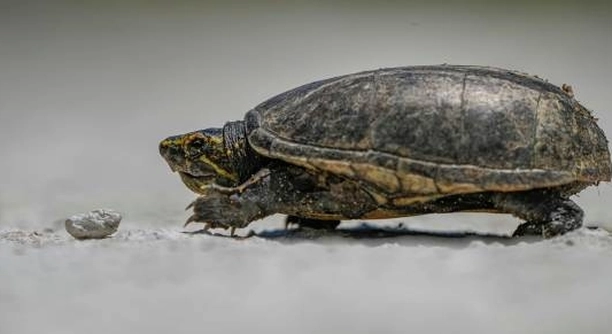
Musk turtles are fascinating pets, but training them can be tricky. Their behavior may leave you wondering how to help them adjust to your home. With a little patience, you can train your musk turtle effectively.
Training a musk turtle requires consistent, gentle methods and a focus on their natural instincts. Positive reinforcement, proper habitat setup, and clear routines all play key roles in teaching your turtle new behaviors and helping them thrive.
The strategies in this article will guide you through the steps to successfully train your musk turtle. Understanding their needs and how to work with their unique characteristics will help you build a stronger bond.
Creating a Comfortable Habitat
A proper habitat is key to a successful training process. Musk turtles are sensitive to their environment, and providing a suitable space for them to thrive is essential. Start by setting up a tank with clean water, basking areas, and proper lighting. Ensure that the water temperature is appropriate, as they are cold-blooded and rely on warmth to regulate their body temperature. The tank should also be large enough for them to move freely and feel safe. Musk turtles like to hide, so include plants or small caves that give them places to retreat.
A well-maintained tank will make training easier, as your turtle will feel secure and less stressed. It’s important to clean the tank regularly to avoid bacteria or algae buildup. Keeping the water quality high ensures that your turtle is comfortable, which in turn makes them more receptive to training.
When your musk turtle feels safe and settled in their environment, you can begin introducing training exercises. A peaceful setting allows your turtle to focus and interact with you more effectively. Ensure that the habitat remains consistent as you proceed with training to avoid disruptions.
Positive Reinforcement
Using positive reinforcement is a simple yet effective training strategy. Rewarding your turtle with treats or praise when they complete a desired action helps to strengthen the behavior. It’s important to be consistent with rewards to help your turtle learn what is expected. Small pieces of food or even attention can be used as motivation.
Turtles may take time to connect the reward with the behavior, but consistent training will help them understand. Begin by offering rewards immediately after they perform a task, such as coming to the surface or following a specific motion. Over time, your turtle will start to anticipate the reward after each successful action.
Establishing a Routine
Consistency is crucial in training your musk turtle. Setting a regular routine helps them feel secure and understand what is expected. Feeding them at the same time each day, as well as providing regular basking opportunities, helps to reinforce good habits. This routine builds trust and stability, essential for effective training.
Establishing a daily pattern can also help in timing training sessions. Try to work with your turtle when they are most active, typically after a warm basking period. This way, your turtle will be more willing to interact and learn.
Incorporating playtime or simple activities into the routine can further enhance training. Your turtle will associate the routine with positive experiences, making it easier to teach them new behaviors. The key is to be patient and stick to the routine as much as possible.
Using Targeting Techniques
Targeting is an effective training technique where you guide your turtle’s movements by using a specific target. You can use a stick or even a food item as the target. Gently move the target towards your turtle, encouraging them to follow it. This helps them learn to respond to cues.
Once they consistently follow the target, you can start associating it with other behaviors. For example, lead them to a specific spot in the tank for feeding or teach them to come to the surface when prompted. Over time, they will associate the target with positive reinforcement.
It’s important to be patient and give your turtle time to learn at their own pace. Gradually, your turtle will understand the connection between the target and the reward, making it easier to introduce more complex tasks.
Handling and Socializing Your Turtle
Handling your musk turtle gently and regularly helps build trust. Start by carefully placing your hands around their body to avoid startling them. Allow your turtle to get used to your touch without forcing it. With time, they will become more comfortable being handled, which can aid in training.
Socializing your turtle with other pets or family members should be done gradually. Keep interactions calm and positive. Let them observe their surroundings and other pets without forcing contact. This helps them adjust and reduces stress, making training more effective.
Feeding as Motivation
Feeding is an excellent motivator for training. Offer food when your turtle completes a task or behavior, linking the reward to the action. This positive reinforcement encourages them to repeat the behavior.
Feed your turtle a balanced diet and use small, healthy treats to avoid overfeeding. You can use feeding time as an opportunity to teach your turtle to come to you or interact with objects. Be consistent with your feeding schedule and avoid sudden changes in diet to maintain a healthy, motivated turtle.
Observing Behavior Patterns
Pay close attention to your turtle’s behavior patterns. Understanding their daily routines, likes, and dislikes helps tailor training techniques to suit their needs. Observe when they are most active or calm, as this is when they are most receptive to training. Knowing their behavior makes training smoother.
FAQ
What is the best way to train a musk turtle?
The best way to train a musk turtle is by using positive reinforcement and consistency. Start by creating a comfortable and stable environment for your turtle. Once they are settled, reward them with food or attention when they perform a desired action. Training should be short and gentle to avoid stressing your turtle.
How long does it take to train a musk turtle?
Training can take time and patience, as turtles don’t learn as quickly as other pets. Generally, it could take several weeks to months for your musk turtle to fully grasp certain behaviors. Keep training sessions short, and avoid pushing them too hard to ensure they stay comfortable.
Can musk turtles be trained to recognize their owners?
Yes, musk turtles can learn to recognize their owners over time. With consistent handling and positive interactions, they may associate you with food and care, leading to more trust. However, be mindful that turtles are more independent and may not seek affection in the same way other pets do.
How can I get my turtle to come to me?
To train your turtle to come to you, use positive reinforcement by offering food as a reward. You can start by placing a treat near you, then gradually move it closer to your hands, encouraging your turtle to come to you. Consistency is key to success.
Why does my turtle hide so much?
Turtles are naturally shy and enjoy hiding for safety and comfort. Musk turtles, in particular, may hide when they feel stressed or overwhelmed. Ensure your turtle’s habitat includes places to hide, such as plants or caves, and maintain a peaceful environment to help them feel secure.
Can I train my turtle to swim through hoops or do tricks?
Yes, it’s possible to train a turtle to do simple tricks like swimming through hoops. Use a targeting technique, where you guide them with a stick or food. Start with easy tasks and reward them immediately after completing the action. Gradually increase the difficulty as they progress.
How often should I feed my musk turtle during training?
Feeding should be done on a regular schedule, typically 2-3 times a week for adult musk turtles. During training, you can use small portions of their regular food or treats to reinforce behavior. Avoid overfeeding as this can affect their health and training effectiveness.
What are the signs of stress in a musk turtle?
Signs of stress in a musk turtle include hiding excessively, refusing to eat, erratic swimming, and changes in behavior. If your turtle is stressed, check their environment for any changes that might be causing discomfort, such as water temperature, tank size, or habitat setup.
How do I get my turtle to stop biting or snapping?
Biting or snapping can be a defensive response, so it’s important to handle your turtle gently and avoid sudden movements. Give your turtle time to adjust to being handled. Avoid putting your fingers too close to their mouth, and always approach them calmly to reduce the chance of snapping.
Can I train my musk turtle to interact with other pets?
Musk turtles can interact with other pets, but it should be done cautiously. Introduce them slowly, ensuring the other pets are calm and don’t pose a threat. Avoid placing your turtle with aggressive animals. Over time, your turtle may become more comfortable around other pets.
What should I do if my turtle isn’t responding to training?
If your turtle isn’t responding to training, check that the environment is ideal, and ensure they’re comfortable. Turtles can be slow learners, so be patient and adjust your approach. It’s also possible that your turtle isn’t in the right mood for training, so try again later.
Is it safe to train my turtle outside of their tank?
Training outside of their tank is generally safe, as long as you make sure the area is secure and safe for the turtle. Avoid placing them on surfaces where they might fall or get injured. Ensure that the temperature and humidity are appropriate, especially if they are used to a controlled environment.
How can I tell if my turtle is happy?
A happy and healthy turtle will show signs of active behavior, such as swimming around, basking regularly, and eating properly. They may also explore their tank or engage with objects in their environment. A lack of these activities can indicate stress or discomfort.
Do musk turtles need to be trained, or can they live without it?
Musk turtles do not require formal training to survive, but training can help them adapt better to living in your home. It can also help improve their behavior and interaction with you. Training provides mental stimulation, which can keep them active and engaged.
How can I teach my turtle to go to the surface for air?
To teach your turtle to go to the surface for air, place a small floating object or target at the top of the tank. Over time, they will associate the movement toward the surface with reaching a goal. Offer a reward when they reach the surface to reinforce the behavior.
Final Thoughts
Training a musk turtle requires patience, consistency, and a good understanding of their behavior. While these turtles may not respond to training as quickly as other pets, they are capable of learning with time. By setting up a proper habitat, using positive reinforcement, and sticking to a consistent routine, you can help your turtle become more comfortable and responsive. The key is to create an environment where your turtle feels safe and at ease, which will make training more successful.
One of the most important factors in training is understanding your turtle’s natural instincts and needs. They may not always show affection like other pets, but they do learn to recognize patterns and associate actions with rewards. With consistent effort, they will begin to respond to certain cues, such as coming to the surface when prompted or following a target. Training should always be approached in a calm and gentle manner to avoid stress, and it’s crucial to be patient, as progress might take time.
Remember that not all turtles will have the same learning speed. Some may take longer to adapt to training routines, while others may pick things up quickly. Be prepared for slow progress, and avoid becoming frustrated. Regular interactions, such as gentle handling and providing positive reinforcement, will strengthen your bond with your turtle. By observing your turtle’s behavior and adjusting your training methods accordingly, you can ensure that both you and your turtle have a positive experience throughout the process.

Hello,
If you enjoy the content that we create, please consider saying a "Thank You!" by leaving a tip.
Every little bit helps us continue crafting quality advice that supports the health, happiness, and well-being of pets around the world, for pets of all shapes, sizes, and species.
We really appreciate the kindness and support that you show us!