
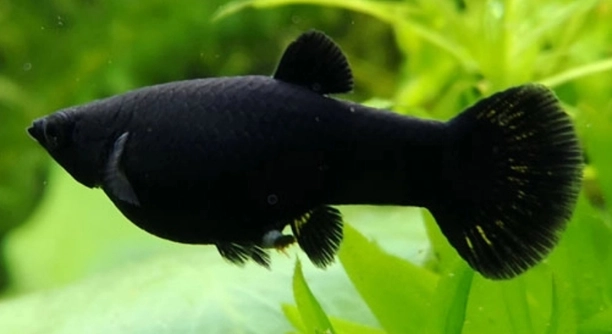
Managing a Black Molly in a crowded tank can be challenging for any aquarist. These fish are lively, social, and require proper space to thrive without causing stress to themselves or other tank mates.
The key to managing Black Molly in crowded tanks lies in monitoring population density, providing adequate hiding spots, maintaining high water quality, and ensuring balanced nutrition. Consistent observation and timely interventions reduce aggression and promote a stable, healthy aquarium environment.
Learning how to manage their behavior and habitat properly can help keep your Black Mollies calm, healthy, and active in any busy tank setup.
Understanding Black Molly Behavior
Black Mollies are active, social fish that naturally swim in groups. In crowded tanks, their behavior can change quickly. They may become territorial or display mild aggression when stressed. Recognizing early signs of stress, such as hiding, fin nipping, or unusual swimming patterns, is crucial to maintain harmony. Providing a mix of open swimming space and secluded areas helps reduce tension. Observing their interactions daily allows for timely adjustments to prevent conflicts. Mollies also respond to changes in water conditions, so consistent maintenance is important. Overcrowding can increase competition for food and oxygen, making smaller or weaker fish more vulnerable. By understanding these behavioral cues, you can create a balanced environment that meets their social and physical needs. Their natural curiosity and activity level require attention, but proper care ensures a healthy, lively tank that benefits all inhabitants.
Observing Black Mollies closely helps prevent stress and aggression in crowded tanks, ensuring the overall health of the aquarium.
A well-planned tank setup considers both the number of fish and environmental enrichment. Rocks, plants, and decorations offer hiding spots and visual boundaries. Consistent water changes and filtration maintain water quality, reducing the chance of disease. Proper nutrition and feeding routines prevent competition, supporting stable growth.
Adjusting Tank Conditions
Adjusting tank conditions is essential for Black Mollies to thrive in shared spaces.
Maintaining clean, stable water with appropriate temperature, pH, and hardness reduces stress. Adequate filtration prevents waste buildup, while regular partial water changes keep the environment healthy. Lighting should mimic natural cycles, supporting activity and plant growth. Increasing circulation and aeration ensures oxygen levels are sufficient for all fish. Monitoring water parameters with simple test kits allows for early detection of issues. Adjustments like rearranging decorations or adding plants can reduce territorial disputes and provide retreat areas. Observing fish behavior alongside these environmental tweaks helps maintain a calm, stable tank.
Over time, consistent care in water quality, tank layout, and feeding routines encourages healthy social behavior. Overcrowding stress can be minimized through careful population management, while enrichment keeps fish engaged. Providing predictable routines helps Mollies adapt to their environment. Regularly monitoring interactions and adjusting the habitat as needed ensures a peaceful tank. Black Mollies in optimized conditions exhibit stronger immunity, vibrant coloration, and more active, natural behaviors. Managing a crowded tank requires diligence but results in a balanced ecosystem where all fish thrive.
Managing Aggression
Black Mollies can become aggressive when space is limited or competition for food is high. Signs include chasing, fin nipping, and blocking access to hiding spots. Early intervention is key to prevent injuries and stress. Adjusting tank layout and feeding routines can reduce these behaviors effectively.
Providing multiple hiding areas with plants and decorations creates natural boundaries and escape routes for timid fish. This setup allows each Molly to establish its own territory while limiting direct confrontations. Feeding smaller portions at multiple locations reduces competition, ensuring all fish receive adequate nutrition. Monitoring their behavior daily helps catch early signs of aggression before it escalates.
Separating particularly aggressive fish temporarily or permanently may be necessary in extreme cases. Observing how each fish interacts within the group informs decisions about tank population adjustments. Using neutral zones for feeding and rearranging decor periodically prevents fixed territorial dominance, keeping the social structure more balanced. Combining environmental management with attentive care supports a calmer, healthier tank overall.
Feeding Strategies
Feeding routines significantly affect Black Molly behavior and health. Unequal access to food can increase aggression, so distributing food evenly is important. Consistent timing and portion sizes maintain predictable patterns, reducing stress among tank mates.
Offering a varied diet of high-quality flakes, pellets, and occasional live or frozen foods ensures nutritional balance. Mollies benefit from plant-based options like spirulina or blanched vegetables, which support digestion and coloration. Feeding small amounts multiple times a day prevents overfeeding and keeps water quality stable. Observing how fish consume food helps identify weaker individuals or signs of illness early.
Using slow-sinking or floating food allows all fish to feed at their preferred level, reducing competition. Rotating food types prevents selective feeding habits and supports overall vitality. Proper feeding supports growth, immunity, and natural behaviors while maintaining harmony in a crowded tank. Consistent monitoring ensures dietary adjustments can be made promptly, keeping the group healthy and active.
Maintaining Water Quality
Clean water is crucial for Black Mollies, especially in crowded tanks. Waste buildup and high ammonia levels can quickly stress fish, leading to illness and aggression. Regular partial water changes and proper filtration maintain stable conditions and support overall health.
Testing water parameters frequently helps detect imbalances early. Temperature, pH, and hardness should remain consistent. Avoid sudden changes that can shock the fish. A well-maintained tank reduces disease risk and keeps Mollies active and vibrant.
Providing Adequate Space
Overcrowding directly affects fish behavior. Each Black Molly requires enough room to swim and establish personal territory. Adding extra tank space or reducing population density prevents stress and promotes natural activity.
Using Plants and Decorations
Live plants and strategically placed decorations offer hiding spots and visual boundaries. They help reduce aggression, provide security, and encourage natural exploration. Carefully arranging these elements supports a calmer and more balanced tank environment.
Monitoring Health
Regular observation of Black Mollies ensures early detection of stress or illness. Look for changes in coloration, fin condition, or appetite. Prompt attention prevents small issues from escalating.
FAQ
How many Black Mollies can I keep in a single tank?
The number of Black Mollies depends on tank size and filtration. A general rule is one inch of fish per gallon, but overcrowding can occur even if the numbers fit this guideline. Proper swimming space, hiding spots, and good water flow are essential. Avoid overstocking to reduce stress, aggression, and the risk of disease. Observing interactions among fish helps determine if the population is suitable. Adding too many Mollies can quickly lead to competition for food, oxygen depletion, and territorial disputes, so careful planning is important.
What is the ideal tank size for Black Mollies?
A 20-gallon tank is the minimum for a small group of Black Mollies, but larger tanks are better for active communities. More space allows fish to swim freely, reduces aggression, and provides room for decorations and plants. Crowded tanks increase stress, which can weaken immunity and shorten lifespan. Consider the number of fish, their adult size, and their activity level when choosing tank dimensions. Bigger tanks also make water maintenance easier and create a more stable environment.
Can Black Mollies live with other fish?
Yes, Black Mollies are generally peaceful and can coexist with other non-aggressive species. Good companions include guppies, platies, and swordtails. Avoid keeping them with aggressive or fin-nipping species, which can provoke stress or injury. Ensure all fish have enough space, hiding areas, and access to food. Mixing species requires careful observation to maintain harmony and prevent bullying. Gradually introducing new fish while monitoring behavior helps create a balanced community.
What should I feed Black Mollies in a crowded tank?
A varied diet is important for nutrition and behavior management. High-quality flakes or pellets should be supplemented with plant-based foods like blanched spinach or spirulina. Occasional live or frozen foods such as brine shrimp or daphnia provide protein. Feeding small amounts multiple times a day reduces competition and ensures all fish get enough food. Avoid overfeeding, which can pollute the water and increase stress. Observing feeding habits helps identify weaker or stressed fish early.
How do I prevent aggression among Black Mollies?
Aggression is often caused by overcrowding, limited hiding spaces, or competition for food. Adding plants, decorations, and visual barriers creates retreat areas. Distributing food in multiple locations reduces conflicts. Observing behavior daily helps detect early signs of aggression. In some cases, separating particularly aggressive individuals may be necessary. Rearranging tank decor periodically prevents established territories from causing ongoing disputes. Consistent water quality and proper population management also support calmer behavior.
How often should I change the water in a crowded tank?
Partial water changes of 25-30% every week are ideal for maintaining healthy conditions. Crowded tanks produce more waste, making regular changes essential. Use dechlorinated water and match temperature and pH to the tank. Frequent monitoring of ammonia, nitrite, and nitrate levels ensures a safe environment. Keeping water clean reduces stress, aggression, and disease risk, allowing Black Mollies to thrive in groups.
What are common signs of stress in Black Mollies?
Signs of stress include hiding, fin clamping, unusual swimming, loss of appetite, and faded coloration. Early detection allows for timely intervention. Adjusting tank conditions, improving water quality, and reducing crowding often alleviates stress. Observing daily behaviors helps maintain a healthy, calm environment.
Can plants help in a crowded tank?
Yes, plants provide hiding spots, reduce aggression, and improve water quality by absorbing excess nutrients. Live plants also encourage natural exploration and give a more balanced environment. Strategically placing plants and decorations creates visual boundaries that help fish establish territories without constant conflict.
How do I know if my tank is overcrowded?
Overcrowding signs include aggressive behavior, sluggish swimming, poor appetite, and water quality issues. If these appear frequently, consider reducing the number of fish or upgrading to a larger tank. Monitoring interactions and space usage helps maintain a calm, healthy community.
What is the best filtration for a crowded tank?
Strong filtration is essential in a densely populated tank. Canister filters or high-capacity hang-on-back filters help maintain water clarity and remove waste efficiently. Adequate filtration prevents ammonia spikes, reduces stress, and supports stable oxygen levels. Combine with regular water changes for optimal results.
Final Thoughts
Managing Black Mollies in crowded tanks requires attention to detail and consistency. These fish are active and social, which makes them lively additions to any aquarium, but their behavior can change quickly under stress. Crowding, poor water quality, and limited hiding spaces are the main factors that affect their health and interactions. By observing the tank daily, you can notice early signs of stress or aggression, such as fin nipping, hiding, or unusual swimming patterns. Taking action at these first signs prevents escalation and supports a calmer environment. Creating a balanced tank setup with enough swimming space, plants, and decorations provides natural boundaries that reduce conflict. Even small adjustments, like rearranging décor or adding floating plants, can make a significant difference in their behavior and overall well-being. A well-planned environment not only keeps the Mollies healthy but also makes maintenance easier and the tank more enjoyable to watch.
Feeding routines and diet play a crucial role in maintaining harmony in crowded tanks. Black Mollies require a varied diet that includes high-quality flakes or pellets, plant-based foods like blanched vegetables, and occasional live or frozen options for protein. Feeding small amounts multiple times a day ensures that all fish have access to food and prevents competition from becoming aggressive. Overfeeding should be avoided, as it can lead to poor water quality and increased stress. Observing how your Mollies eat helps identify any weaker or less assertive fish that may need extra attention. Balanced nutrition contributes to stronger immune systems, vibrant coloration, and more active behavior. Proper feeding practices, combined with monitoring water conditions and tank population, create a stable environment where each Molly can thrive.
Water quality and tank conditions are the foundation of a healthy aquarium. Regular partial water changes, proper filtration, and stable temperature and pH levels are essential for keeping fish stress-free. Crowded tanks produce more waste, which can quickly compromise water quality if not managed. Monitoring ammonia, nitrite, and nitrate levels is necessary to prevent illness and maintain a safe habitat. Adding plants and decorations improves oxygen levels, provides hiding spaces, and encourages natural behaviors. When combined with thoughtful population management and consistent observation, these steps reduce aggression, stress, and disease risk. Taking the time to maintain these elements ensures that Black Mollies remain active, healthy, and peaceful in a crowded tank, allowing both the fish and the tank owner to enjoy a well-balanced aquatic environment.

Hello,
If you enjoy the content that we create, please consider saying a "Thank You!" by leaving a tip.
Every little bit helps us continue crafting quality advice that supports the health, happiness, and well-being of pets around the world, for pets of all shapes, sizes, and species.
We really appreciate the kindness and support that you show us!