
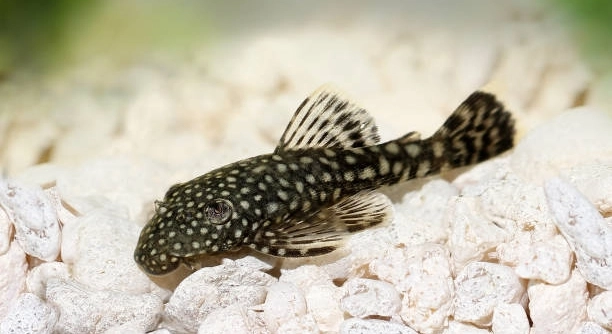
Are your filter setups providing the best environment for your plecos to thrive? Ensuring proper water flow and habitat conditions is essential for these algae-eating fish to remain healthy and active. Many aquarists overlook small details.
Optimizing filter flow for plecos involves balancing water movement with the fish’s comfort and natural behavior. Excessive current can stress them, while insufficient flow reduces oxygenation and filtration efficiency, impacting both water quality and pleco well-being.
Learning how to adjust your filter effectively can improve your pleco’s health and enjoyment of their tank environment. Proper flow management benefits both the fish and your aquarium ecosystem.
Understanding Pleco Behavior and Flow Needs
Plecos are bottom-dwelling fish that prefer areas with gentle to moderate water flow. Their natural habitats often have streams and rivers where currents vary, so too strong a flow in an aquarium can cause stress and limit their movement. Observing your pleco’s behavior helps you determine if the filter flow suits them. If they hide constantly or cling to surfaces, it may indicate the current is too strong. Providing zones with different flow rates, such as calmer corners and more active areas near the filter outlet, allows plecos to choose where they feel most comfortable. Adjusting the filter position, adding rocks, or using sponge pre-filters can help reduce excessive current. These small changes create a more stable environment, supporting feeding, resting, and overall activity levels. Plecos also enjoy surfaces where algae grows, so maintaining balance in flow ensures they can graze effectively without being pushed around the tank.
Filter adjustments and tank design work together to create a pleco-friendly environment.
Creating a tank setup that balances water movement with calm areas ensures plecos stay healthy. By observing reactions and adjusting equipment, you can provide a habitat that meets their natural preferences and encourages natural behavior.
Choosing the Right Filter Type
Not all filters are suitable for plecos, as they vary in strength and water movement. Sponge filters, canister filters, and hang-on-back models each have advantages depending on tank size and pleco species.
Selecting the right filter involves considering flow output, noise levels, and ease of maintenance. Plecos thrive in tanks where the water circulates steadily without creating excessive turbulence. Canister filters often allow more precise control over flow and can be paired with spray bars or diffusers to soften current. Sponge filters provide gentle circulation and are ideal for smaller tanks or for breeding setups where fry are present. Hang-on-back filters are easy to maintain but may require additional flow adjustments or deflectors. Regular cleaning is essential to prevent blockages, which can either reduce flow too much or increase turbulence when pressure builds. The goal is to maintain consistent, balanced water movement that supports filtration and oxygenation while keeping plecos comfortable. Proper filter selection reduces stress and encourages natural behavior, ensuring a healthier tank environment over time.
Adjusting Flow with Baffles and Deflectors
Baffles and deflectors help reduce strong currents from filters, creating calmer areas for plecos. They can be made from sponge, acrylic, or PVC, and strategically placed to redirect water flow.
Using baffles or deflectors allows plecos to explore the tank without struggling against strong currents. Positioning them near the filter output can soften water movement while maintaining adequate filtration. It’s important to monitor your fish’s behavior after installation, as plecos should move freely and rest comfortably. Adjusting these tools gradually ensures the flow matches the tank’s size and the species’ preferences. Small modifications can make a noticeable difference in reducing stress and encouraging natural grazing patterns along surfaces.
Careful placement of baffles also prevents debris buildup in corners and ensures oxygenation remains balanced. This setup improves water circulation while keeping the pleco’s favorite resting spots gentle and safe. Consistent observation and adjustment can create a harmonious tank environment where both fish and filtration operate effectively.
Maintaining Regular Flow Checks
Regular flow checks prevent sudden changes that can stress plecos. Observing water movement helps detect blockages, pump issues, or filter inefficiencies early.
Monitoring flow ensures the tank remains stable for plecos and other inhabitants. Over time, filters can become clogged or worn, altering the current. Regular inspection allows adjustments before problems arise. Simple tests, such as placing a small floating object near the outlet, can show if water moves evenly or too forcefully. Recording these observations helps track gradual changes and ensures consistent conditions.
Adjusting flow during routine maintenance prevents surprises and supports long-term health. Changes in tank size, added decorations, or pleco growth can alter water dynamics. Ensuring consistent and appropriate flow preserves the environment these fish thrive in. Careful checks promote a stable tank ecosystem, allowing plecos to feed, rest, and explore without unnecessary stress or disruption.
Positioning Decorations to Reduce Current
Rocks, driftwood, and plants can break up strong currents and create sheltered areas for plecos. Placing them strategically near filter outlets helps soften water movement and provides resting spots.
Decorations also offer surfaces for algae growth, which plecos enjoy grazing on. Arranging them to form natural barriers reduces stress and gives the tank a balanced, pleco-friendly flow.
Using Pre-Filters for Gentle Flow
Pre-filters, such as sponge attachments, lower water speed and prevent plecos from being pushed around. They are easy to install and maintain, providing a gentle current while still allowing proper filtration. Regular cleaning ensures water continues to flow evenly and keeps the tank environment stable.
Monitoring Pleco Behavior Daily
Observing your plecos daily helps detect stress from water flow. Signs like hiding constantly or clinging to surfaces indicate adjustments may be needed.
FAQ
How do I know if my filter flow is too strong for my pleco?
Signs of overly strong flow include your pleco hiding constantly, clinging tightly to surfaces, or having difficulty swimming against the current. They may also avoid certain areas of the tank altogether. Observing their behavior near the filter outlet provides clear clues. Adjusting flow gradually and adding baffles or decorations can help create calmer zones.
Can plecos tolerate high-flow tanks if they are large or strong species?
Some larger plecos, like common plecos, can handle stronger currents because of their size and muscular build. However, even these species benefit from areas with reduced flow to rest and graze comfortably. Providing a mix of current strengths is the safest approach.
Will adding rocks and driftwood really affect flow?
Yes, strategically placed rocks, driftwood, and plants break up strong currents, creating calmer pockets. They also provide surfaces for algae growth, which plecos feed on. Arranging these elements near filter outlets can reduce stress and support natural behavior.
Do sponge pre-filters reduce water quality?
Sponge pre-filters do not compromise water quality if cleaned regularly. They soften flow while still allowing proper filtration. Maintenance is key, as accumulated debris can eventually reduce flow or create uneven circulation.
How often should I check my filter flow?
Flow should be checked weekly or during routine maintenance. Observation helps detect blockages, worn parts, or changes caused by new decorations. Using floating markers or small objects near the filter outlet can help gauge current strength and consistency.
Is it necessary to change filter type for different pleco species?
Yes, filter choice depends on tank size and species preferences. Sponge filters are suitable for small tanks or sensitive species, while canister filters offer adjustable flow for larger tanks. Hang-on-back filters work well with modifications like deflectors to soften output.
Can too little flow harm plecos?
Insufficient flow reduces oxygenation and filtration efficiency, which may affect pleco health. A moderate current ensures proper water movement while keeping the environment comfortable. Balancing flow is essential to avoid stagnant areas where debris accumulates.
Will plecos move to calmer areas if flow is uneven?
Plecos naturally seek calmer zones when currents are too strong. Providing multiple flow areas allows them to choose where they feel most comfortable. Observing their preferred locations can guide further adjustments.
How do I test if my adjustments are effective?
Monitor behavior after each change. Plecos should move freely, rest comfortably, and feed without being pushed by currents. Gradual adjustments combined with observation ensure flow matches their needs without stressing the fish.
Can algae growth be affected by water flow?
Yes, moderate flow supports algae growth on surfaces where plecos feed. Too strong a current may prevent algae from establishing, while stagnant water can promote excessive buildup. Proper flow balance encourages natural grazing without harming water quality.
Are plecos stressed by sudden changes in flow?
Sudden increases or decreases in current can cause stress, hiding behavior, and reduced feeding. Gradual adjustments allow them to acclimate and maintain health. Consistency in flow is key to reducing stress and supporting natural activity.
Do filter outlets need deflectors for all tanks?
Not always, but deflectors are helpful in tanks where strong currents dominate. They soften flow, especially near pleco resting areas, and allow the fish to explore freely without fighting the current.
How does tank size influence flow adjustments?
Smaller tanks amplify water movement, making even moderate filters feel strong. Larger tanks disperse flow more evenly, but may still require adjustments near resting spots. Matching filter output to tank volume ensures plecos remain comfortable.
Can multiple plecos share a tank with strong flow?
Yes, but providing calm zones is essential. Even strong species need areas to rest and feed safely. Multiple plecos may compete for these zones, so creating sufficient space reduces stress and ensures each fish has access to preferred flow conditions.
How do I maintain flow while cleaning the tank?
Turn off filters during cleaning and replace water slowly to avoid sudden current changes. Reinstall decorations and baffles in the same positions. Gradual refilling and monitoring flow afterwards ensures plecos remain undisturbed.
Is it necessary to adjust flow as plecos grow?
Yes, as plecos grow, their swimming ability and space requirements change. Larger fish can handle stronger currents, but still benefit from calm zones. Regular assessment ensures the flow remains suitable for all life stages.
Can plants affect pleco flow preferences?
Yes, dense plants slow water movement and provide shelter. Plecos often rest near plants to avoid strong currents, while open areas near filter outputs offer grazing opportunities. Balancing planted and open spaces creates a more comfortable environment.
Do different filter types require different maintenance schedules?
Yes, sponge filters need frequent cleaning to prevent clogging, canister filters require periodic media replacement, and hang-on-back filters need monitoring for output consistency. Maintenance ensures steady flow and supports pleco health.
How do I combine multiple strategies for best results?
Using pre-filters, baffles, decorations, and appropriate filter selection together balances flow throughout the tank. Observing pleco behavior and adjusting gradually creates an environment that supports natural activity, feeding, and rest without stress.
Can water parameters interact with flow preferences?
Yes, temperature, oxygen levels, and water chemistry affect pleco tolerance for current. Stable water parameters combined with moderate flow ensure healthier, less stressed fish that thrive in their environment.
What is the ideal flow for most plecos?
Moderate, steady flow with calmer zones near surfaces and decorations is ideal. It supports oxygenation, filtration, and grazing while minimizing stress. Gradual observation and adjustment help achieve a balanced environment for plecos to thrive.
How do I know if my flow adjustments are long-term effective?
Long-term effectiveness is seen in consistent pleco behavior, healthy feeding, and minimal hiding. Tracking flow adjustments and observing fish over weeks ensures the tank remains pleco-friendly and water quality stays stable.
How often should I clean baffles and deflectors?
Clean baffles and deflectors during regular tank maintenance. Accumulated debris can alter flow and reduce efficiency. Routine cleaning maintains consistent water movement and ensures plecos continue to enjoy calmer areas without stress.
What are common mistakes in adjusting pleco flow?
Common mistakes include sudden changes, ignoring fish behavior, overcompensating with decorations, or relying solely on one strategy. Gradual, combined adjustments with careful observation prevent stress and create a balanced tank environment.
Can adjusting flow improve pleco health and activity?
Yes, proper flow encourages natural behavior, reduces stress, and improves feeding efficiency. Calm zones and balanced currents allow plecos to rest, graze, and swim freely, contributing to overall health and longevity in the aquarium.
Are there tools to measure flow more accurately?
Small floating markers, flow meters, or observing debris movement can gauge current strength. These tools help ensure flow adjustments are precise and effective, supporting a pleco-friendly tank environment.
Does filter noise affect plecos along with flow?
Yes, strong currents often create more noise, which can stress plecos. Adjusting flow and using quieter filters or deflectors reduces disturbances, helping them remain comfortable and active in the tank.
Can plecos adapt to slightly stronger flows over time?
Some adaptation is possible, but providing gradual changes and calm areas ensures they are not stressed. Even species tolerant of higher currents still need areas to rest and feed comfortably.
How do I balance filtration efficiency with pleco comfort?
Using flow-reducing tools like pre-filters and deflectors, along with strategic tank layout, maintains filtration while keeping water movement manageable. Observing fish behavior ensures the balance supports both clean water and healthy, comfortable plecos.
Do plecos prefer horizontal or vertical water flow?
They generally prefer horizontal flow along the bottom, where they graze and rest. Vertical currents can stress them, so positioning filter outlets and baffles to direct flow horizontally helps create a pleco-friendly environment.
Can seasonal changes affect pleco flow tolerance?
Yes, temperature changes can influence swimming energy and oxygen needs. Moderate adjustments to flow during warmer or cooler months help maintain comfort and reduce stress. Consistent monitoring ensures stability year-round.
Are DIY flow adjustments effective?
DIY solutions, such as sponge baffles or PVC deflectors, can work well if properly designed and placed. Gradual testing and observation ensure that homemade adjustments achieve gentle currents without interfering with filtration.
How important is observation compared to equipment adjustments?
Observation is essential. Equipment alone cannot guarantee pleco comfort. Watching swimming patterns, resting behavior, and grazing ensures that flow adjustments effectively meet the fish’s needs. Continuous monitoring allows timely corrections before stress develops.
Can over-filtering be as harmful as under-filtering for plecos?
Yes, overly strong filtration can push plecos, stress them, and prevent natural feeding. A moderate, controlled flow ensures proper filtration while maintaining a comfortable environment for plecos to thrive.
How do multiple plecos affect flow management?
Multiple plecos increase competition for calmer zones. Creating multiple sheltered areas and balancing current ensures all fish have access to comfortable spaces and reduces aggressive interactions or stress.
Can adjusting water height impact flow for plecos?
Yes, lower water levels reduce pressure and current strength from filter outlets. Adjusting height slightly can create gentler flow without affecting overall tank performance.
Is pleco activity a reliable indicator of flow success?
Yes, active, grazing, and resting plecos indicate appropriate flow. Excessive hiding or fatigue suggests adjustments are needed. Observation over time ensures flow continues to meet their needs.
Can filter upgrades improve pleco comfort?
Upgrading to filters with adjustable flow, quieter operation, or better deflectors can enhance comfort. Combining upgrades with observation ensures plecos remain stress-free while maintaining water quality.
How often should I reevaluate flow setups?
Reevaluation every few weeks, especially after changes in decorations, fish size, or filter maintenance, keeps conditions consistent. Continuous assessment ensures plecos thrive in a stable environment.
Do all pleco species require the same flow considerations?
No, each species has different preferences. Some tolerate strong currents, while others need calmer areas. Researching species-specific needs ensures proper tank setup and flow management for optimal health and activity.
Can plecos move objects to create calmer areas?
Some plecos may shift lightweight decorations while grazing. While this is minor, it can slightly alter flow. Observing these changes and adjusting decorations as needed maintains consistent water movement.
How do I prevent dead spots while reducing flow?
Balancing baffles, decorations, and filter output prevents stagnant areas. Ensuring moderate circulation in all tank regions keeps water quality high without creating strong currents that stress plecos.
Does flow impact pleco feeding behavior?
Yes, moderate flow encourages natural grazing. Strong currents can prevent proper feeding, while calm zones near algae-covered surfaces allow plecos to eat efficiently without exerting extra energy.
How can I integrate multiple flow strategies effectively?
Combine pre-filters, deflectors, decorations, and strategic placement of filter outlets. Gradual adjustments with careful observation allow plecos to thrive while maintaining optimal filtration and oxygenation.
Can plecos signal discomfort from flow changes?
Yes, signs include hiding, reduced feeding, erratic swimming, or clinging to surfaces. Responding promptly to these behaviors helps restore comfort and maintain a healthy environment.
Is flow adjustment a one-time task or ongoing?
Ongoing. Tank changes, fish growth, and filter wear necessitate continuous observation and periodic adjustments to keep plecos comfortable and ensure proper water movement.
How do I maintain flow while ensuring water clarity?
Regular filter maintenance, careful placement of baffles, and cleaning debris prevent clogging and uneven currents. Balanced flow maintains water clarity while keeping plecos stress-free.
Are there visible signs of long-term flow stress?
Chronic stress can appear as faded coloration, lethargy, or weight loss. Proper flow management and observation prevent these issues, supporting healthy, active plecos over time.
Does tank substrate affect flow management?
Yes, sand or fine gravel slows water near the bottom, creating natural calm zones. Heavier substrates resist movement, supporting baffles and decorations that redirect currents effectively.
Can filter cleaning disrupt pleco flow preferences?
Yes, sudden changes in flow after cleaning can stress fish. Gradual restoration of flow and placement of decorations maintains comfort during maintenance.
Is there a preferred flow rate measurement for plecos?
While exact rates vary, moderate, steady flow with calm areas is ideal. Observing behavior and adjusting as needed ensures conditions are suitable for most pleco species.
Do plecos benefit from a mix of slow and moderate currents?
Yes, mixed flow allows grazing, resting, and exercise. Calmer zones support comfort, while moderate flow enhances oxygenation and prevents stagnant areas, creating a balanced environment.
Can flow changes affect tank filtration efficiency?
Improper adjustments may reduce water turnover or create uneven currents. Combining baffles, pre-filters, and proper outlet positioning maintains efficiency without compromising pleco comfort.
How do I track effective flow adjustments over time?
Keep notes on pleco behavior, feeding, resting areas, and current strength. This record helps identify successful setups and informs future adjustments, ensuring consistent long-term comfort.
What are the best tools to modify flow without stressing plecos?
Pre-filters, baffles, deflectors, and decorations are safe options. Gradual implementation and careful monitoring allow plecos to acclimate without disrupting filtration or causing stress.
Can plecos adapt to slightly varied flow in different tank zones?
Yes, providing multiple zones with different currents lets plecos choose where they feel comfortable. This natural choice reduces stress and encourages healthy activity throughout the tank.
Does pleco size influence how I set up flow?
Larger plecos handle stronger currents better, but still need calm areas for grazing and resting. Smaller species require gentler currents to avoid stress and ensure natural behavior.
How can I ensure young plecos thrive in the same flow conditions?
Juveniles need gentler currents and more sheltered zones. Gradually increasing flow as they grow helps them adapt without stress, promoting healthy development and survival.
Can combining multiple pleco species complicate flow management?
Yes, different species have varying tolerances. Creating diverse zones and observing preferences ensures all plecos access appropriate currents without conflict or stress.
Is there a visual indicator for effective pleco flow zones?
Plecos resting, grazing naturally, and swimming comfortably indicate effective zones. Avoid overcrowding near filter outlets or excessively calm areas that reduce water turnover.
Can plecos themselves help indicate if the tank setup is balanced?
Absolutely. Their behavior is the best measure. Active grazing, resting, and minimal hiding show that flow, decorations, and filter adjustments meet their needs.
How do I combine observation with equipment adjustments?
Watch pleco behavior continuously and implement gradual changes with baffles, deflectors, or pre-filters. Adjust slowly, evaluate responses, and maintain consistent conditions to achieve a harmonious tank environment.
Do plecos prefer surface flow or bottom flow?
They generally prefer bottom flow where they feed and rest. Directing water horizontally along surfaces ensures comfort while still promoting filtration and oxygenation.
How often should I reevaluate pleco comfort regarding flow?
Reevaluation should occur every few weeks, after maintenance, or when changes in tank size, fish number, or decorations happen. Continuous monitoring prevents stress and maintains a stable environment.
Can plecos coexist peacefully with other species regarding flow needs?
Yes, as long as calm zones are available. Other species may prefer stronger currents, so providing varied flow areas ensures all tank inhabitants remain comfortable.
Are DIY flow modifications safe for plecos?
Yes, if done carefully. Softening currents with sponge baffles, PVC, or acrylic deflectors can be effective. Gradual implementation and observation ensure fish safety and comfort.
What is the simplest way to reduce strong flow without changing the filter?
Add baffles, deflectors, or strategically placed decorations near the outlet. This softens the current while maintaining adequate filtration and oxygenation for plecos.
Can plecos thrive in tanks without modifications if the flow is already moderate?
Yes, if flow is naturally moderate and consistent, plecos can thrive. Modifications are only needed if stress, hiding, or difficulty swimming is observed.
How do I balance flow between multiple plecos and other fish?
Provide zones with varying currents, monitor behavior, and adjust decorations or baffles. Ensuring multiple comfortable areas reduces stress and competition for calm zones.
Is there a relationship between flow and oxygen levels for plecos?
Yes, moderate flow improves oxygen distribution, supporting pleco metabolism and activity. Calm areas prevent overexertion while ensuring oxygenation throughout the tank.
Can flow adjustments prevent disease in plecos?
Proper flow reduces stress, promotes feeding, and maintains water quality, all of which help prevent disease. Consistent observation ensures early detection of problems before health declines.
How do I prevent flow from disturbing tank substrate?
Use heavier substrates or create barriers with decorations. This stabilizes the bottom while maintaining water movement and reduces stress for bottom-dwelling plecos.
Can plecos help identify dead zones in the tank?
Yes, if plecos avoid certain areas, it may indicate weak flow, debris accumulation, or low oxygen. Observing these behaviors guides adjustments to improve circulation.
Are there simple markers to track flow effectiveness?
Floating objects, bubbles, or lightweight debris can indicate flow direction and strength. Using these markers helps ensure balanced water movement for plecos.
How do I ensure calm zones are maintained during tank cleaning?
Return decorations and baffles to the same positions, refill water slowly, and monitor pleco behavior. Gradual restoration preserves previously established flow patterns.
Do plecos react differently to horizontal vs vertical flow?
They prefer horizontal flow along surfaces for grazing and resting. Vertical currents can create stress or force them into areas they don’t prefer.
Can temperature changes influence pleco flow preferences?
Yes, warmer water may increase activity and energy, making stronger currents tolerable. Cooler water may require gentler flow to prevent fatigue and stress.
Are there any flow adjustments that can be harmful long-term?
Sudden or excessive changes, neglecting calm zones, or overcomplicating flow paths can stress plecos and reduce filtration efficiency. Gradual, thoughtful adjustments prevent long-term harm.
Is pleco comfort more important than maximum filtration?
Yes, fish well-being is priority. Filtration can be adjusted using pre-filters, baffles, and strategic placement to balance flow without compromising water quality or pleco comfort.
Can overstocking affect flow requirements?
Yes, more fish increase competition for calm zones and oxygen. Additional adjustments to flow and shelter areas ensure all plecos remain comfortable and healthy.
How do I ensure long-term effectiveness of flow adjustments?
Regular observation, combined with maintenance, gradual equipment
Final Thoughts
Creating a pleco-friendly environment requires careful attention to water flow and tank layout. Plecos are bottom-dwelling fish that prefer moderate currents and areas where they can rest and graze comfortably. Adjusting filter output, adding baffles or deflectors, and positioning decorations strategically all contribute to reducing stress and promoting natural behavior. These steps ensure plecos can swim freely, feed efficiently, and explore their tank without constantly fighting strong currents. It is important to remember that plecos are sensitive to sudden changes in flow, so adjustments should always be gradual. Observing their behavior regularly helps identify if current flow is suitable or if further changes are needed.
Consistent maintenance and monitoring are essential for long-term pleco health. Filters can become clogged over time, altering water movement and creating areas of high or low flow. Regular cleaning of pre-filters, baffles, and decorations maintains steady circulation while preserving water quality. Monitoring oxygen levels and ensuring proper filtration also supports a healthy environment. Even small changes, such as moving a piece of driftwood or repositioning plants, can affect flow patterns and pleco comfort. By paying attention to these details, aquarists can create a balanced ecosystem that meets the needs of both the fish and the overall tank environment. Over time, these practices reduce stress, improve feeding efficiency, and encourage natural activity, leading to healthier and more vibrant plecos.
Providing multiple flow zones is another key aspect of creating a suitable habitat. Gentle areas allow plecos to rest and feed, while moderate currents promote oxygenation and exercise. Including a variety of decorations, such as rocks, driftwood, and plants, creates hiding spots and grazing surfaces while breaking up strong currents. Observing which areas plecos prefer can guide further adjustments to ensure all zones are comfortable and accessible. Even in tanks with multiple plecos or other species, balanced flow ensures everyone has suitable spaces without causing competition or stress. Ultimately, managing flow is about finding a balance between proper filtration and fish comfort. By combining careful observation, regular maintenance, and thoughtful placement of equipment and decorations, aquarists can maintain a stable, pleco-friendly environment. This approach not only supports the physical health of the fish but also encourages natural behavior, contributing to a thriving, harmonious aquarium.

Hello,
If you enjoy the content that we create, please consider saying a "Thank You!" by leaving a tip.
Every little bit helps us continue crafting quality advice that supports the health, happiness, and well-being of pets around the world, for pets of all shapes, sizes, and species.
We really appreciate the kindness and support that you show us!