
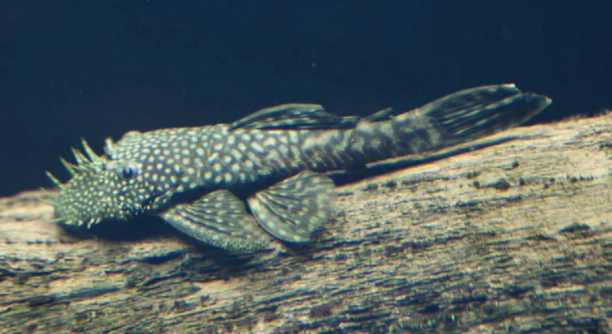
Are your plecos showing signs of stress despite regular tank care? Many aquarium owners struggle with keeping these gentle fish comfortable in home tanks, often missing subtle environmental factors that impact their wellbeing. Adjustments can make a big difference.
Reducing pleco stress involves careful attention to tank conditions, including water quality, temperature, hiding spaces, lighting, tankmates, substrate type, and dietary considerations. Implementing these seven adjustments creates a stable and comfortable environment that supports their overall health.
Small changes in your aquarium setup can have a significant impact on your plecos’ stress levels and daily behavior, making the tank a safer, more peaceful home.
Water Quality and Filtration
Maintaining clean water is essential for plecos. Poor water conditions can lead to stress, illness, and shorter lifespans. Regular water changes help remove waste and excess nutrients that build up over time. Using a reliable filter ensures consistent circulation and oxygenation. Plecos are sensitive to ammonia and nitrites, so frequent testing is necessary. Adjusting filtration and performing partial water changes weekly or biweekly can greatly reduce stress. Adding beneficial bacteria through commercial supplements can help establish a stable biological environment. Avoid overfeeding, as leftover food contributes to poor water quality. Keeping gravel or substrate clean prevents debris accumulation. A well-maintained tank supports natural behavior and reduces disease risk. Monitoring pH and hardness levels is also important, as sudden fluctuations can cause shock. Providing slightly dimmer lighting and gentle water flow can mimic natural habitats, giving plecos comfort. Small, consistent efforts in water maintenance create a calmer, healthier aquarium environment.
Clean, stable water conditions help plecos thrive and reduce their stress significantly. Proper filtration supports this consistently.
Regular attention to water quality ensures plecos remain active and healthy. Neglecting this can lead to lethargy, illness, and even premature death. By testing water parameters weekly, adjusting filtration, and performing consistent water changes, you create a tank environment that supports natural behaviors. Using gentle water flow and maintaining proper oxygenation reduces stress and encourages exploration. Substrate cleaning and removal of leftover food prevents toxin buildup, while adding hiding spots near the filter output balances circulation and comfort. Over time, these measures result in plecos that are more vibrant, less prone to disease, and display their natural feeding and resting behaviors. Simple routines in water maintenance make a measurable difference in their overall wellbeing.
Tank Decorations and Hiding Spots
Plecos need places to hide and feel secure. Adding caves, driftwood, or plants reduces stress and mimics natural habitats.
Providing hiding spots prevents constant exposure to tank activity, which can overwhelm plecos. Driftwood also offers natural grazing surfaces. Rock formations and dense plants give them retreat areas where they can rest safely. Avoid overcrowding the tank with decorations, as too many obstacles limit swimming space. Different textures encourage natural behavior, such as scraping surfaces and exploring small nooks. Caves and hollow logs serve as daytime shelters since plecos are primarily nocturnal. Soft plants and mosses reduce risk of injury while offering comfort. Rotating or repositioning decorations occasionally can enrich their environment without creating stress. Selecting non-toxic materials ensures long-term health, as some untreated wood or sharp rocks can harm sensitive pleco skin. Balancing open swimming areas with secure hiding spots allows plecos to regulate their activity level according to comfort.
Providing adequate hiding spots supports plecos’ natural behavior and reduces anxiety. This simple adjustment improves tank harmony.
Decorating the tank with a mix of caves, driftwood, and plants allows plecos to feel secure and explore safely. Driftwood offers surfaces for feeding and scraping, while dense plants give daytime shelter. Hollow logs and rock formations create retreats for resting. Avoid overcrowding decorations, as plecos still need open swimming space. Regularly inspect hiding spots to ensure they remain safe and free from sharp edges. Using natural materials reduces chemical risks and encourages grazing behavior. Strategically placing decorations near gentle water flow areas enhances comfort and replicates their preferred environment. With proper hiding spots, plecos experience less stress, display natural activity, and adapt more easily to tank conditions. Simple changes in layout can significantly improve their overall health and happiness.
Temperature and Water Parameters
Plecos thrive in stable temperatures. Sudden changes in water temperature or chemistry can cause stress and illness. Keeping the tank within their preferred range is essential for overall health.
Maintaining water between 72–82°F supports plecos’ metabolism and immune function. Fluctuations outside this range can lead to lethargy or increased susceptibility to disease. Using a reliable heater and thermometer ensures stability, while monitoring pH and hardness keeps conditions consistent. Avoid placing the tank near direct sunlight or drafts, which can cause rapid temperature swings. Stability in temperature and water chemistry promotes natural behavior and reduces stress-related aggression. Even small shifts in pH or hardness can negatively affect plecos, making careful monitoring crucial.
Gradual adjustments are key if you need to change temperature or chemistry. Sudden changes shock plecos, affecting appetite and activity. Consistency helps them adapt, making the tank a safer, calmer environment. Regular testing and gentle correction of any deviations prevent long-term stress. Supporting natural water conditions allows plecos to display normal feeding, resting, and hiding behaviors.
Tank Mates and Community Considerations
Aggressive or fast-moving fish can stress plecos. Choosing compatible tank mates ensures peace and reduces constant hiding.
Plecos coexist best with calm, non-aggressive species that do not compete for the same food. Avoid overcrowding, as high population density increases stress and reduces hiding opportunities. Observe interactions and separate incompatible fish promptly. Proper spacing and careful selection prevent territorial disputes. Maintaining consistent feeding schedules minimizes competition and supports overall harmony. Compatible tank mates allow plecos to explore, feed, and rest without fear or interruption.
In mixed-species tanks, careful planning of fish behavior and size matters. Fast swimmers can outcompete plecos for food, while aggressive fish may chase or nip at fins. Providing separate feeding zones and observing social dynamics reduces conflict. Larger plecos may tolerate more species, but juvenile or smaller plecos remain vulnerable. Thoughtful placement of hiding spots and plants helps plecos avoid confrontations and retreat safely. Compatibility, feeding strategy, and tank layout together create a stable environment where plecos can thrive without constant stress or injury.
Lighting Conditions
Bright lighting can stress plecos. Providing dim or moderate light helps them feel secure and encourages natural activity.
Using a timer to simulate a consistent day-night cycle supports their nocturnal habits. Hiding spots near brighter areas allow plecos to retreat when needed.
Substrate Choice
Soft, smooth substrate reduces injury risk and supports natural foraging behavior. Sand or fine gravel is ideal for plecos. Avoid sharp or coarse materials that can damage their delicate undersides. A suitable substrate encourages exploration and grazing while maintaining a comfortable environment for long-term health.
Feeding and Nutrition
Proper diet reduces stress and supports immune function. Offer a mix of algae wafers, fresh vegetables, and occasional protein to meet dietary needs.
FAQ
How often should I perform water changes for plecos?
Water changes should be done weekly or biweekly, depending on tank size and stocking levels. Replacing 20–30% of the water helps remove excess waste and keeps ammonia, nitrite, and nitrate levels safe. Consistent maintenance prevents stress and supports healthy growth.
What temperature is best for plecos?
Plecos prefer water between 72–82°F. Using a reliable heater and thermometer ensures stability. Sudden fluctuations can shock them, leading to stress, reduced appetite, and illness. Keeping temperature steady mimics natural conditions and encourages normal behavior.
Which tank mates are safe for plecos?
Calm, non-aggressive fish are best. Avoid fast, territorial, or fin-nipping species. Proper tank size, hiding spots, and careful observation reduce conflict. Ensuring compatible fish allows plecos to feed, rest, and explore without stress.
What kind of substrate should I use?
Soft sand or fine gravel is ideal. Sharp or coarse materials can damage sensitive undersides. Substrate also supports foraging behavior, allowing plecos to graze naturally. Proper substrate reduces injury risk and encourages exploration.
How much and how often should I feed my pleco?
Feed small portions once or twice daily. Include algae wafers, fresh vegetables, and occasional protein. Overfeeding pollutes water and increases stress. Observing their eating behavior ensures proper nutrition and prevents leftover food buildup.
Why are hiding spots important for plecos?
Hiding spots reduce stress and replicate natural habitats. Caves, driftwood, and dense plants provide security, especially during the day when plecos are less active. Adequate shelters improve comfort, reduce aggression, and support natural nocturnal activity.
What water parameters should I monitor regularly?
Test pH, ammonia, nitrites, and nitrates at least weekly. Slight fluctuations are normal, but sudden changes can cause stress. Maintaining stable conditions keeps plecos healthy and active. Adding beneficial bacteria helps stabilize water chemistry naturally.
Can bright lighting harm plecos?
Yes. Plecos are sensitive to bright light and prefer dim or moderate illumination. Using timers for a consistent day-night cycle and placing hiding spots near light sources reduces stress and supports natural nocturnal behavior.
How can I prevent my pleco from getting stressed by other fish?
Observe interactions closely and remove aggressive species. Provide ample hiding spots and sufficient swimming space. Feeding in multiple zones reduces competition. Proper tank mate selection and layout maintain a calm environment.
What should I do if my pleco seems lethargic or stressed?
Check water quality, temperature, and tank mates immediately. Ensure hiding spots are available. Adjust diet and feeding schedule if needed. Gradual corrections to water parameters, combined with a stable environment, help plecos recover and regain normal behavior.
Is driftwood necessary for plecos?
Driftwood is beneficial. It offers surfaces for grazing and provides shelter. Some species also use it for scraping and natural digestion support. Including driftwood enhances comfort and encourages natural behaviors in the tank.
How do I reduce stress during tank maintenance?
Perform gradual water changes and avoid sudden movements. Clean substrate and decorations carefully without disturbing plecos excessively. Maintaining stable temperature and water chemistry minimizes stress during routine upkeep.
Can overcrowding cause stress for plecos?
Yes. Too many fish reduce hiding spots, increase competition for food, and elevate waste levels. Keeping appropriate stocking levels ensures plecos have space to rest, forage, and display natural behavior without constant stress.
Are there signs that indicate stress in plecos?
Lethargy, loss of appetite, excessive hiding, and unusual swimming patterns are common signs. Monitoring behavior regularly helps identify issues early. Correcting water parameters, tank layout, and diet often alleviates stress.
How can I encourage natural nocturnal behavior?
Provide dim lighting, hiding spots, and a calm environment during the day. Feeding in the evening or night supports natural activity patterns. Avoid disturbing the tank during their resting hours to maintain comfort and reduce stress.
Is it okay to rearrange decorations frequently?
Occasional minor adjustments are fine, but frequent major changes can stress plecos. Keep hiding spots consistent and gradually introduce new items. This balance enriches their environment without overwhelming them.
What vegetables are safe for plecos?
Zucchini, cucumber, spinach, and peas are ideal. Blanch vegetables to soften them. Offer a variety to ensure balanced nutrition. Avoid overfeeding to prevent water quality issues and stress from leftover food.
Do plecos need supplements or special care for stress reduction?
Adding beneficial bacteria, maintaining stable water parameters, and providing hiding spots are the main strategies. Occasional vitamin or mineral supplements may help, but focus on environmental consistency first to reduce stress effectively.
How do I know if my pleco’s tank is too bright?
If plecos hide excessively during the day or show pale coloration, lighting may be too strong. Dim lights or reposition hiding spots near illuminated areas to help them feel secure.
Can stress affect pleco lifespan?
Yes. Chronic stress weakens the immune system, making plecos more susceptible to disease. Maintaining stable water, proper diet, suitable tank mates, and hiding spots helps prolong health and lifespan.
This FAQ covers common concerns and practical solutions to reduce pleco stress effectively, creating a more stable and healthy aquarium environment.
Final Thoughts
Maintaining a low-stress environment for plecos requires consistent attention to tank conditions, diet, and tankmates. Stress in plecos is often subtle but can have serious effects on their health and behavior over time. Small changes, such as improving water quality, adding hiding spots, or adjusting lighting, can have a significant impact on their wellbeing. Regular testing of water parameters, including pH, ammonia, nitrites, and nitrates, ensures that the tank remains safe and stable. Sudden fluctuations in these factors can cause shock and lead to illness or reduced appetite. Filtration is also essential to keep water clean and oxygenated, reducing the buildup of harmful substances that can stress plecos. By maintaining these basic standards, owners can support natural behaviors, such as grazing, resting, and nocturnal activity, which indicate that their plecos are comfortable and thriving.
Diet and nutrition also play a critical role in reducing stress. Plecos require a balanced mix of algae wafers, fresh vegetables, and occasional protein to meet their dietary needs. Overfeeding can cause leftover food to decompose, affecting water quality and indirectly increasing stress. Observing feeding habits helps ensure that each pleco gets enough food without overwhelming the tank with waste. Including driftwood in the tank not only provides grazing surfaces but also contributes to a more natural environment, giving plecos something familiar to interact with. Hiding spots such as caves, plants, and hollow logs allow plecos to retreat when they feel threatened or want to rest during daylight hours. Proper substrate, such as sand or fine gravel, reduces injury risk and supports foraging behavior. These adjustments are relatively simple but create a more comfortable and secure environment for plecos, encouraging healthy activity patterns and reducing anxiety.
Choosing compatible tankmates is equally important. Aggressive or fast-moving species can create continuous stress, causing plecos to hide excessively or become lethargic. Providing enough space, maintaining a calm community, and observing social interactions help prevent conflicts. Lighting should mimic natural day-night cycles, avoiding overly bright conditions that can disturb nocturnal habits. Gradual changes in tank layout, temperature, or water parameters are better tolerated than sudden shifts, which can overwhelm plecos. Overall, reducing stress requires a combination of environmental stability, careful monitoring, and thoughtful tank management. By implementing these measures, plecos are more likely to display natural behaviors, remain healthy, and enjoy a longer, more comfortable life in the aquarium. Taking these steps demonstrates care and attention that directly improves the wellbeing of these unique fish.

Hello,
If you enjoy the content that we create, please consider saying a "Thank You!" by leaving a tip.
Every little bit helps us continue crafting quality advice that supports the health, happiness, and well-being of pets around the world, for pets of all shapes, sizes, and species.
We really appreciate the kindness and support that you show us!