
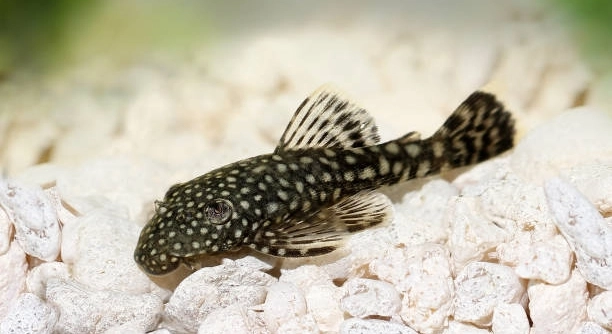
Many aquarists enjoy adding extra elements to their tanks to keep fish active and engaged. Plecos, being curious and interactive, can benefit from toys designed specifically for their species and behaviors. These additions can improve their environment.
Plecos interact with a variety of aquarium toys, including driftwood structures, tunnels, ceramic caves, floating objects, algae wafers holders, suction-cup brushes, and textured surfaces. Each toy encourages natural behaviors, promotes physical activity, and supports mental stimulation for these bottom-dwelling fish.
Exploring these interactive toys can help you provide a more engaging and healthy environment for your plecos. These simple additions have surprising effects on their daily activity and well-being.
Driftwood Structures
Driftwood is more than just decoration in a pleco tank. Plecos naturally scrape and graze on surfaces, and driftwood provides a perfect place for this behavior. It also helps maintain water chemistry by releasing beneficial tannins. I noticed that my plecos spent hours exploring different pieces, brushing against their textured surfaces and hiding under arches. The variety in shapes and sizes keeps them moving and engaged, while also giving them a sense of security. Driftwood can also serve as an anchor for moss and plants, creating a small ecosystem inside the tank. Many aquarists use it to break up open spaces, making the tank more dynamic. Plecos interact with driftwood differently depending on their mood and size, so having multiple pieces allows for varied stimulation. Watching them cling to vertical surfaces or nibble at rounded edges is surprisingly calming. It’s one of the simplest ways to enrich their habitat naturally and safely.
Plecos often spend most of their active time exploring and grazing on driftwood surfaces. Their interaction is consistent and observable daily.
Adding driftwood gives plecos both exercise and a secure space. Over time, it can even influence their feeding and resting patterns, making the tank more balanced and lively for their behavior.
Ceramic Caves
Ceramic caves provide a safe hiding place for plecos and reduce stress in their environment.
These caves mimic natural crevices and encourage plecos to explore and claim personal spaces. I’ve noticed my plecos frequently retreat to these caves during the day, emerging mostly at night to forage. The smooth surfaces prevent injury, and the openings allow for easy entry and exit. Some aquarists prefer caves with multiple chambers or tunnels, which can increase curiosity and movement. Ceramics are durable, easy to clean, and do not affect water chemistry, making them a low-maintenance addition. Plecos seem to develop preferences for certain shapes or sizes, returning to the same cave repeatedly. Positioning caves near plants or driftwood can create a layered habitat that feels more natural and inviting. Overall, ceramic caves combine safety, enrichment, and observation opportunities. Watching plecos claim their caves gives insight into their personalities and territorial behavior, making them a rewarding addition for anyone who keeps these fish.
Floating Objects
Floating objects give plecos a chance to interact near the water surface, which is unusual but stimulating for them. Small, lightweight items like ping-pong balls or floating logs can encourage gentle nudging and movement, keeping them active throughout the day.
I placed a few floating objects in my tank, and my plecos immediately started investigating. They would bump the objects with their heads or fins, sometimes pushing them toward other areas of the tank. This interaction seems to satisfy curiosity and adds variety to their routine. Floating objects also create temporary shade and movement in the water, making the environment less monotonous. Over time, I noticed they returned to the same floating items, suggesting a preference or recognition pattern. Watching their engagement helped me understand their playful tendencies and encouraged me to rotate objects periodically. This keeps them stimulated without adding stress and supports mental engagement. It’s simple but effective for enhancing their daily activity.
Floating items also help plecos practice balance and navigation. They create subtle water currents that plecos react to, promoting mild physical exercise while providing entertainment.
Suction-Cup Brushes
Suction-cup brushes provide a textured surface that plecos enjoy scraping and rubbing against. I installed a few on the tank walls, and my plecos immediately used them, seemingly enjoying the tactile sensation.
These brushes mimic rough surfaces plecos encounter in nature. Grazing against them encourages natural scraping behavior, which keeps their mouths and fins active. Over weeks, I noticed consistent interaction, especially after feeding, as the plecos would return to the brushes for additional activity. Placement matters; brushes near hiding spots or driftwood see the most engagement. Brushes also help prevent algae buildup in some areas, giving plecos a dual-purpose object. I found that rotating brush locations occasionally maintains interest, avoiding boredom. The textured material is gentle, reducing risk of injury while supporting regular activity patterns. Many plecos develop individual preferences, favoring certain brush angles or heights. This simple addition can enhance mental and physical stimulation effectively.
Regular use of suction-cup brushes may also improve overall health by keeping plecos active. They provide consistent exercise while satisfying natural instincts, benefiting both the fish and the tank ecosystem.
Tunnels
Tunnels give plecos a place to hide and explore while encouraging movement. I added a few in my tank, and they quickly began weaving through them, treating each as a small personal space.
These structures simulate natural crevices and provide security. Plecos use tunnels to retreat, rest, or play, which helps reduce stress and increases activity within the tank.
Textured Surfaces
Textured surfaces allow plecos to scrape and graze naturally. I included stones and ceramic panels with rough finishes, and my plecos spent hours rubbing and exploring them.
Algae Wafers Holders
Algae wafer holders keep food accessible while promoting interaction. My plecos learned to push and adjust the holders, which encouraged foraging behavior and mild physical activity.
FAQ
What toys are safe for plecos?
Safe toys for plecos are items that are non-toxic, smooth or textured without sharp edges, and do not alter water chemistry. Driftwood, ceramic caves, suction-cup brushes, floating objects, and textured stones are all safe options I’ve used. Avoid plastic items that may leach chemicals or break easily. Observing plecos interact with these items shows that they can explore and play without harm. Toys that sink and stay in place reduce stress, while floating or movable items provide variety. Regularly inspecting toys for wear ensures safety and maintains a healthy environment.
How often should I introduce new toys?
I typically rotate or add new toys every few weeks. Introducing new items too frequently can confuse plecos, while too few additions may lead to boredom. New toys encourage exploration and mental stimulation, allowing plecos to engage naturally with their habitat. Even small changes, like moving a driftwood piece or switching the position of a brush, can spark curiosity. Monitoring how plecos respond helps determine the right frequency for changes. Some plecos are more cautious, needing extra time to adapt, while others quickly investigate new additions. Balance keeps the environment interesting without causing stress.
Do plecos prefer certain types of toys over others?
Yes, plecos often show preferences based on texture, placement, or shape. In my tank, one pleco favors tunnels and driftwood, while another spends more time on suction-cup brushes. These preferences can change over time or depending on activity levels. Observing behavior helps decide which toys to prioritize or rotate. Providing a variety ensures all plecos in the tank remain engaged. Preference also depends on age and size, as larger plecos may avoid smaller caves or tunnels, while younger ones explore more actively. Recognizing these tendencies makes enrichment more effective.
Can toys improve plecos’ health?
Toys can positively affect both mental and physical health. Interaction with driftwood, caves, and brushes encourages natural grazing, scraping, and swimming behaviors, which keeps plecos active and reduces stress. In my experience, plecos using multiple enrichment items show steadier eating habits and more consistent activity patterns. Physical activity supports muscle tone, while mental stimulation reduces boredom-related aggression or lethargy. Toys like algae wafer holders also promote foraging behavior, mimicking natural feeding routines. Over time, enriched tanks can lead to stronger, healthier plecos compared to those with minimal stimulation.
How do I clean toys without harming plecos?
Cleaning toys is simple but requires care. I remove them from the tank and scrub gently with a soft brush using warm water only. Avoid soaps or chemicals that could leave residues harmful to fish. For ceramic or hard surfaces, occasional boiling or vinegar rinses help remove algae buildup. Inspect driftwood for signs of rot and replace if necessary. Floating objects can be wiped down or briefly soaked. Cleaning should be done periodically, but not excessively, to maintain both hygiene and familiarity, as sudden removal or frequent changes may stress plecos.
Are toys necessary for all plecos?
While not strictly required, toys significantly improve well-being. Plecos are naturally curious and benefit from varied surfaces and objects to explore. In my experience, tanks with enrichment see more active plecos, healthier grazing habits, and less territorial aggression. Toys can also reduce stress during feeding or changes in the tank. Minimal enrichment is sufficient for some plecos, but providing at least a few interactive items generally enhances their environment and encourages natural behavior patterns.
Final Thoughts
Providing toys for plecos is an easy and effective way to improve their tank environment. These fish naturally explore, scrape, and graze in the wild, and adding objects like driftwood, ceramic caves, suction-cup brushes, and textured surfaces allows them to express these behaviors safely. Toys give plecos both physical and mental stimulation, helping prevent boredom and promoting healthier activity levels. I noticed that when my plecos had access to different structures and surfaces, they spent more time moving around and less time hiding in one spot. Even simple items, such as floating objects or algae wafer holders, can keep them engaged and active. Each pleco interacts differently with these toys, which makes it interesting to watch their individual preferences and routines.
Choosing the right toys requires attention to safety and practicality. Materials should be non-toxic, sturdy, and easy to clean, with smooth or gently textured surfaces that won’t injure the fish. Driftwood provides natural grazing areas and changes the water slightly with tannins, which can benefit some plecos, while ceramic caves offer secure hiding spaces that reduce stress. Suction-cup brushes and textured panels allow plecos to scrape and rub against surfaces, supporting natural behavior. Rotating or repositioning toys periodically can maintain their interest, but it’s important not to overwhelm them with too many changes at once. Observing how plecos respond helps determine which items work best and how frequently adjustments are needed. Over time, I found that a combination of stationary and movable objects creates the most engaging environment.
The overall benefit of adding toys is noticeable in behavior, activity, and general health. Plecos become more active, exploring their tank and interacting with objects, which also helps prevent inactivity-related issues. Toys encourage grazing, movement, and natural behaviors, which supports both mental stimulation and physical fitness. Watching plecos engage with toys provides insight into their personalities, showing how some prefer hiding spaces while others enjoy interactive surfaces. Simple enrichment can make a big difference in their daily routine, creating a more dynamic and balanced habitat. For anyone keeping plecos, adding a few well-chosen toys is a practical way to improve the quality of life for these fish while making the tank environment more interesting and enjoyable to observe.

Hello,
If you enjoy the content that we create, please consider saying a "Thank You!" by leaving a tip.
Every little bit helps us continue crafting quality advice that supports the health, happiness, and well-being of pets around the world, for pets of all shapes, sizes, and species.
We really appreciate the kindness and support that you show us!