
Are you interested in adding a rainbow shark to your aquarium but unsure of what makes them unique beyond their bold appearance? These freshwater fish often catch attention, yet there’s more to them than meets the eye.
Rainbow sharks are semi-aggressive freshwater fish known for their territorial nature, striking coloration, and unique bottom-dwelling behavior. Despite their name, they are not true sharks but belong to the Cyprinid family, related to carp and minnows.
Learning about their habits, compatibility, and care needs can help you better understand what makes rainbow sharks special in the world of home aquariums.
Rainbow Sharks Aren’t Actually Sharks
Rainbow sharks might look fierce with their sleek bodies and pointed fins, but they aren’t sharks at all. They get their name from their shape and swimming style, which can remind some people of real sharks. In reality, rainbow sharks are part of the Cyprinidae family—the same group that includes goldfish and barbs. They are freshwater fish commonly found in rivers and streams across Southeast Asia. Unlike true sharks, they don’t have cartilage skeletons, and they’re much smaller, growing up to six inches long in most home aquariums. Their bold color and active nature make them a popular choice for fishkeepers. They’re especially known for their bright red fins and deep gray bodies, which give them a striking appearance. If kept in the right environment with enough space and minimal tank mates, rainbow sharks can live peacefully and thrive. However, they do require proper care and space to stay healthy.
Rainbow sharks need plenty of swimming space. A tank of at least 55 gallons helps reduce their aggressive behavior toward other fish.
Many people think rainbow sharks are peaceful because of their size, but they can actually be very territorial. They like to claim a specific area in the tank and may chase away any fish that comes too close. This can be stressful for other tank mates, especially if the aquarium is too small. To help prevent this, it’s important to create hiding spots using rocks, caves, or decorations. These structures break up the tank visually and give each fish its own area. You should also avoid placing more than one rainbow shark in the same tank unless you have a very large setup. Even then, they may fight. With the right setup and careful tank mate selection, their territorial behavior can be managed. They are best kept with fast, sturdy fish that won’t be easily intimidated or harmed.
They Change Color When Stressed
Color changes are one of the first signs that something might be wrong with a rainbow shark. A dull or pale body often means the fish is feeling stressed.
Stress in rainbow sharks can be caused by several things—poor water quality, sudden changes in temperature, an overcrowded tank, or even inappropriate tank mates. When stressed, their normally rich gray color can fade, and their red fins may appear less vibrant. This is the fish’s way of reacting to discomfort or poor conditions. Regular water changes, maintaining a steady temperature, and keeping an eye on ammonia, nitrate, and pH levels will help reduce stress. Make sure the tank is not too full of other fish, as this can also cause anxiety and lead to aggressive behavior. Sometimes, a rainbow shark will become pale after being moved into a new tank, but it usually regains its color once it has adjusted. Watching for color changes is a simple way to spot early signs of trouble.
They Prefer the Bottom of the Tank
Rainbow sharks are bottom dwellers, meaning they spend most of their time near the tank floor. This behavior is natural and helps them feel safe while also giving them room to explore and search for food.
Because rainbow sharks prefer the bottom, it’s important to design the tank with their habits in mind. Use smooth gravel or sand to protect their undersides, and add caves or tunnels to create shelter. These features give them a sense of territory and help reduce stress. Avoid overcrowding the lower part of the tank with too many decorations or bottom-dwelling tank mates, as rainbow sharks can become aggressive when they feel their space is threatened. Keep an eye on how much time your shark spends hiding—excessive hiding might mean it’s feeling unwell or stressed. In a peaceful, properly arranged tank, they’ll be more active and display their natural behaviors more often.
Their bottom-dwelling nature also affects how you feed them. Rainbow sharks are omnivores, so they need a balanced diet of plant-based flakes or pellets and occasional protein like bloodworms or brine shrimp. Since they stay near the bottom, sinking food works best. This prevents them from missing meals and competing with top-swimming fish for food. Make sure the food reaches the substrate, especially if other fish are in the tank. Watching them search for food along the floor is a normal part of their routine. A consistent feeding schedule, combined with varied nutrition, keeps them healthy and helps maintain their bright colors. Always remove uneaten food to avoid polluting the tank.
They Don’t Always Get Along With Others
Rainbow sharks can be aggressive toward similar-looking or same-sized fish, especially those that also swim near the bottom. Their need for personal space often causes them to chase or nip at other fish.
When choosing tank mates, avoid fish that resemble rainbow sharks in size, shape, or swimming zone. Other bottom dwellers like redtail sharks, albino rainbow sharks, and even some catfish might trigger territorial fights. Instead, opt for fish that swim in the upper or middle parts of the tank, like barbs or danios. These are fast-moving and usually won’t interfere with the rainbow shark’s space. Also, keep only one rainbow shark per tank unless the aquarium is very large and has plenty of hiding areas. Even then, aggression is likely. Monitor your shark’s behavior when introducing new fish. If you notice excessive chasing or fin nipping, you may need to rearrange tank decorations or separate the fish completely.
Their Color Can Vary Slightly
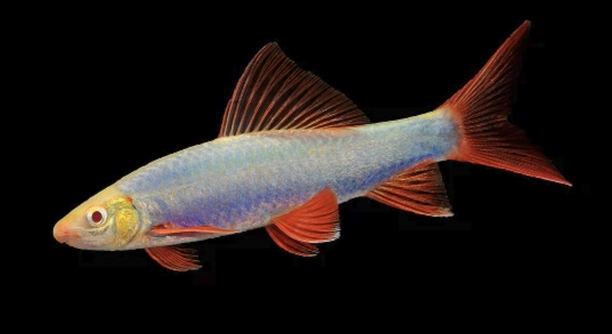
Rainbow sharks are known for their dark gray or black bodies and bright red fins, but slight variations can occur. Some may appear more bluish or have lighter shading depending on lighting, diet, or age.
Albino rainbow sharks are a popular variation, with pale bodies and orange to red fins. They behave the same but look quite different.
They Grow Bigger Than You Might Expect
Many people assume rainbow sharks stay small, but they can grow up to six inches long in a well-maintained tank. Their size depends on diet, water quality, and tank size. A small tank may stunt their growth and affect their health. When fully grown, they need space to swim and establish territory. Cramped conditions can lead to more aggression and stress. Giving them room to move comfortably makes a big difference. Always plan for their full size when setting up a tank, especially if you’re starting with a young fish.
They Need Consistent Water Conditions
Rainbow sharks do best in water temperatures between 72–80°F with a pH level of 6.5 to 7.5. Sudden changes can stress them out quickly.
FAQ
How long do rainbow sharks live?
Rainbow sharks usually live between 5 to 8 years if they are kept in a healthy environment. Good care, clean water, and the right diet can help them live longer. Some have even lived beyond 8 years in large, well-maintained tanks with proper conditions.
Can you keep more than one rainbow shark in the same tank?
It’s not recommended to keep more than one rainbow shark in a tank unless it’s very large—at least 125 gallons or more. Even then, they may become aggressive toward each other. They are territorial and don’t usually tolerate their own kind nearby.
Are rainbow sharks okay for beginners?
Rainbow sharks are considered semi-aggressive and do best with some fishkeeping experience. They are not the easiest choice for beginners because of their territorial behavior. But if you’re careful with tank setup and tank mates, they can be manageable.
Do rainbow sharks need a filter?
Yes, they need a strong, reliable filter. Rainbow sharks are sensitive to poor water conditions, so proper filtration is essential. A good filter helps maintain water quality, reduces waste, and keeps oxygen levels stable. This is especially important in larger tanks.
How big should their tank be?
A single rainbow shark needs at least a 55-gallon tank. They’re active swimmers and need horizontal space. A small tank makes them more aggressive and stressed. If the tank is too crowded or lacks hiding spots, their behavior can become difficult to manage.
What do rainbow sharks eat?
Rainbow sharks are omnivores. They eat both plant-based foods and protein. A balanced diet includes algae wafers, sinking pellets, and occasional treats like bloodworms or brine shrimp. Variety is important to keep them healthy and maintain their bright coloring.
Do rainbow sharks jump out of the tank?
Yes, they can jump. Rainbow sharks are strong swimmers and may leap from the tank if they feel stressed or startled. It’s best to keep a tight-fitting lid on the tank to prevent accidents, especially if the water level is high.
Can rainbow sharks live with goldfish?
No, it’s not a good match. Goldfish prefer cooler water, while rainbow sharks need warmer conditions. Also, goldfish are slow swimmers and can easily become targets for the more active, territorial rainbow shark. It’s better to choose tank mates that match their needs.
What are good tank mates for rainbow sharks?
Choose fast, mid- or top-level swimmers like zebra danios, barbs, or rainbowfish. Avoid other bottom dwellers, slow movers, or long-finned fish. Always watch for signs of stress or bullying, especially after introducing new fish to the tank.
Why is my rainbow shark hiding all the time?
It could be adjusting to a new tank, feeling stressed, or reacting to poor water quality. Check the temperature, pH, and ammonia levels. Also, make sure it has proper hiding spots. Once it feels secure, it will usually start coming out more often.
How do you tell if a rainbow shark is male or female?
It’s not easy to tell. Males are usually slimmer and have brighter colors, while females tend to be rounder, especially when carrying eggs. These differences are more visible once the fish are fully grown, but even then, it can be subtle.
Final Thoughts
Rainbow sharks are striking fish that bring energy and movement to a freshwater tank, but they do need the right environment to thrive. While their care isn’t overly complicated, they do require more attention than beginner-friendly species. Their territorial behavior can make them challenging to house with other fish, especially in small or overcrowded tanks. Choosing a proper tank size and avoiding other bottom dwellers helps reduce conflict. Giving them space and hiding areas allows them to feel secure and settle into their territory. These small steps can go a long way in making your rainbow shark feel comfortable and healthy in its home.
A balanced diet and stable water conditions also play an important role in their health. Rainbow sharks need both plant-based food and protein-rich treats to stay active and maintain their color. Watching how they eat and interact with their environment can tell you a lot about how they’re doing. If they start to hide more than usual, lose their color, or become overly aggressive, these are signs that something might be off. Regular tank maintenance, including water changes and filter cleaning, supports their well-being. Consistency is key. These fish tend to do best when conditions stay steady and when changes are made gradually.
Rainbow sharks aren’t for everyone, but they can be a good fit for those who are ready to meet their specific needs. If you’re looking for a peaceful community tank, they may not be the best choice. But if you’re okay with a single, eye-catching fish that enjoys its own space and adds personality to the lower part of the tank, a rainbow shark could be a nice addition. As long as you plan ahead, pick compatible tank mates, and keep their care routine consistent, they can live a full, healthy life. These fish can be rewarding to keep and observe, especially once they settle into their tank and become more confident in their space.

Hello,
If you enjoy the content that we create, please consider saying a "Thank You!" by leaving a tip.
Every little bit helps us continue crafting quality advice that supports the health, happiness, and well-being of pets around the world, for pets of all shapes, sizes, and species.
We really appreciate the kindness and support that you show us!