
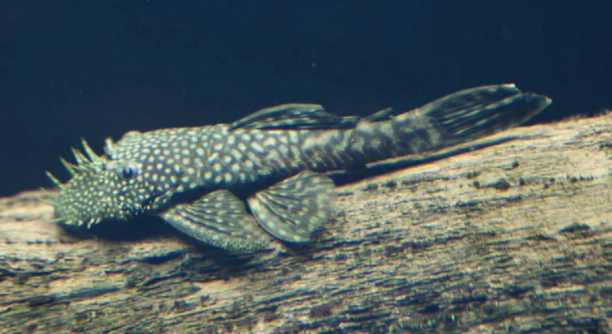
Do your plecos seem stressed after moving to a new tank? Adjusting to a new environment can be challenging for these fish. They need proper care, familiar hiding spots, and a stable water setup to feel secure.
Helping plecos adjust to a new tank requires consistent water parameters, appropriate hiding places, a gradual introduction of food, minimal disturbances, proper tank size, compatible tank mates, and careful monitoring of health to ensure a smooth transition.
Understanding these factors will help your plecos settle more comfortably. Following the right steps ensures a healthier, calmer, and more thriving fish in its new home.
Gradual Water Introduction
When moving plecos to a new tank, the water conditions must be stable and familiar. Sudden changes in temperature, pH, or hardness can stress them, affecting their appetite and behavior. Start by preparing the new tank with clean, conditioned water that matches the old tank as closely as possible. Use a thermometer to maintain a consistent temperature. Adding some of the old tank water can help the fish feel more comfortable. Introduce plecos slowly by floating their bag in the new tank for about 15–20 minutes. Gradually mix small amounts of new tank water into the bag before fully releasing them. This method reduces shock and helps them acclimate to their new environment more comfortably. Observation during the first few hours is crucial to ensure they are adjusting well without showing signs of stress or disease. Maintaining stability in water conditions over the following days is equally important to support their health.
Slowly changing the water helps plecos feel safer and reduces stress-related health problems.
Taking the time to carefully introduce water from the new tank ensures a smooth transition. Monitoring temperature, pH, and hardness creates a familiar environment. Gradual acclimation prevents sudden shocks that can cause illness or refusal to eat. Over the next few days, continue checking the water regularly and ensure it stays consistent. Providing hiding spots and minimal disturbances complements the water acclimation, helping the pleco settle without anxiety. Observing their behavior, appetite, and movement allows you to intervene early if any issues arise. Establishing this routine reduces stress and encourages the pleco to explore its new tank naturally. The combination of stable water, careful monitoring, and gradual introduction sets a strong foundation for long-term health, growth, and comfort in the new environment. Consistency is key to preventing stress-related problems, ensuring plecos adjust steadily.
Hiding Spots and Decorations
Plecos need secure hiding places to feel safe in a new tank.
Providing caves, driftwood, or plants gives plecos shelter and reduces anxiety. They will explore more confidently when they have familiar places to retreat to. Arrange decorations to create multiple hideouts.
Creating a comfortable space for plecos involves careful placement of decorations. Use a mix of natural and artificial hides to suit their preferences. Driftwood not only offers shelter but also serves as a source of food for some species, promoting natural behaviors. Plants add visual cover and improve water quality, while rocks and caves provide secure resting areas. Avoid overcrowding, as plecos still need open swimming space. Observing their preferred hiding spots can help adjust the arrangement. Multiple options ensure that if one area is occupied, the fish can retreat elsewhere. Proper lighting also influences their comfort; dimmer lights or shaded spots encourage exploration while keeping stress low. Rotating or rearranging decorations too often may confuse plecos, so changes should be minimal and gradual. Establishing a well-structured environment supports natural behaviors, reduces stress, and allows plecos to thrive in their new tank over time.
Feeding Adjustments
Start by offering familiar foods that your pleco already enjoys. Sudden changes in diet can stress them and reduce their appetite. Use small amounts at first and observe their eating habits carefully. Gradually introduce new foods to expand their diet without causing digestive issues.
Monitoring feeding patterns helps ensure plecos are eating enough after a move. Some may hide initially and refuse food, so patience is essential. Offer a mix of algae wafers, vegetables, and occasional protein treats to meet their nutritional needs. Feeding at the same time daily helps establish routine, reducing stress. Remove uneaten food promptly to maintain water quality. Consistency in feeding and observation allows early detection of appetite changes, indicating whether the fish is adjusting well. Adjust portion sizes based on consumption to prevent overfeeding and keep the tank clean.
Providing a balanced diet supports digestion and energy levels. Vegetables such as zucchini or cucumber should be lightly blanched, making them easier to consume. Algae wafers supplement their herbivorous diet, while occasional protein treats like shrimp pellets encourage natural foraging behaviors. Avoid drastic diet changes immediately after moving to prevent gastrointestinal upset. Observe how the pleco interacts with each type of food and note preferences. Offering a variety of textures and flavors encourages exploration while maintaining nutritional balance. Over time, you can gradually introduce new foods to ensure they receive all necessary nutrients without causing stress. Proper feeding establishes trust and supports long-term health in a new environment.
Tank Mates and Compatibility
Choose compatible tank mates carefully to prevent stress and aggression. Plecos thrive better with peaceful fish that occupy different water zones. Avoid overly territorial or nippy species that may harass or outcompete them. Proper spacing and hiding options reduce conflicts.
Tank mate selection impacts pleco behavior and well-being. Aggressive or fast-moving fish can intimidate plecos, causing hiding and reduced feeding. Compatible species include small tetras, rasboras, or bottom-dwellers that do not compete aggressively. Consider the tank size, as crowded conditions increase stress. Monitor interactions closely for the first few weeks to detect potential aggression early. Adjusting tank layout or separating incompatible fish ensures safety and comfort for all inhabitants. Plecos need time to establish their territory, so providing multiple hiding areas for themselves and other fish helps reduce territorial disputes. A well-planned community setup encourages natural behaviors and a balanced ecosystem.
Monitoring Water Quality
Check water parameters daily during the first week after moving plecos. Sudden spikes in ammonia, nitrites, or nitrates can harm them. Regular testing ensures safe conditions.
Maintain proper filtration and perform partial water changes as needed. Keeping stable water conditions reduces stress and supports healthy adaptation.
Light and Environment
Plecos prefer dim lighting and shaded areas. Bright lights can cause stress and encourage hiding in unusual spots. Adjust light intensity gradually to mimic their natural habitat. Over time, they will explore the tank more confidently while feeling safe under softer lighting conditions.
Stress Reduction Techniques
Minimize sudden movements around the tank and avoid tapping on glass. Stress can weaken the immune system and slow adjustment. Gentle handling and quiet observation create a calmer environment. Regular routine maintenance and consistent conditions help plecos feel secure and reduce anxiety in their new home.
FAQ
How long does it take for plecos to adjust to a new tank?
Plecos usually take anywhere from a few days to two weeks to fully adjust, depending on their species and the tank conditions. Some may explore immediately, while others stay hidden for several days. Consistent water quality, proper hiding spots, and minimal disturbances speed up adaptation.
Why is my pleco hiding all the time?
Hiding is a natural behavior, especially when plecos are new to a tank. Stress, bright lighting, or unfamiliar tank mates can increase hiding. Providing caves, driftwood, and shaded areas helps them feel secure. Over time, they will come out to feed and explore more confidently.
How often should I feed my pleco after moving?
Offer small amounts once or twice a day initially. New environments may reduce appetite, so start with what they can finish in a few minutes. Gradually increase portions as they settle. Include vegetables, algae wafers, and occasional protein treats to maintain a balanced diet.
Can plecos get sick from moving to a new tank?
Yes, stress from sudden changes in water parameters, diet, or tank mates can weaken their immune system. Monitor for unusual behavior, loss of appetite, or signs of disease. Maintaining stable water conditions, providing hiding spots, and proper feeding reduces risks significantly.
Do I need to change water more often after introducing plecos?
Yes, partial water changes are important during the first two weeks. This keeps ammonia, nitrites, and nitrates at safe levels. Consistent monitoring ensures the water stays clean and stable, supporting healthy adjustment and preventing stress-related issues.
What are the best hiding spots for plecos?
Caves, driftwood, and plants are ideal. Multiple hiding spots give them security and reduce stress. Plecos may claim different spots at different times, so providing variety ensures they feel safe throughout the tank. Avoid overcrowding, allowing swimming space while keeping shelters accessible.
How can I tell if my pleco is stressed?
Signs of stress include hiding excessively, refusing food, rapid gill movement, or erratic swimming. Some plecos may also scrape themselves against surfaces or remain inactive. Adjusting light, water parameters, and tank layout often reduces stress and encourages normal behavior.
Is it necessary to quarantine plecos before moving them?
Quarantine is recommended, especially if adding new fish to an established tank. This prevents potential disease transmission and allows observation for early signs of illness. A 2–3 week quarantine period is sufficient for most pleco species to ensure they are healthy before introduction.
What tank mates are safest with plecos?
Peaceful species that occupy different tank levels are ideal. Small tetras, rasboras, or bottom-dwelling fish that do not compete aggressively reduce stress. Avoid territorial or nippy fish that may harass them. Proper spacing and multiple hiding spots also minimize conflicts.
How can I encourage my pleco to explore the new tank?
Gradually dim lights and offer food near open areas. Providing multiple hiding spots and avoiding frequent disturbances allows plecos to explore without fear. Over time, they will become more confident and establish a routine within their new environment.
Can I introduce more than one pleco at a time?
Yes, but ensure the tank is large enough and provides multiple hiding spots to prevent territorial disputes. Introducing them together can reduce stress if done gradually, but closely monitor interactions to avoid aggression or competition for resources.
What role does water temperature play in adjustment?
Stable water temperature is crucial. Sudden changes can shock plecos and reduce appetite. Most species prefer slightly warmer, consistent temperatures. Use a reliable heater and thermometer, and avoid placing the tank near drafts or direct sunlight.
How do I know if my pleco is eating enough?
Monitor leftovers and watch feeding behavior. A healthy pleco should eat regularly once settled. Lack of interest or refusal over several days may indicate stress or illness. Offering a variety of foods and observing closely helps ensure they maintain proper nutrition.
Are plecos nocturnal, and how does that affect adjustment?
Yes, many pleco species are nocturnal, being more active at night. During the day, they often hide, which can be mistaken for stress. Providing dim lighting and shaded areas allows natural behavior while helping them feel safe.
What should I do if my pleco is not adjusting after two weeks?
Reevaluate water parameters, hiding spots, and tank mates. Persistent hiding, refusal to eat, or unusual behavior may indicate stress or illness. Make gradual adjustments and consult a professional if symptoms continue. Patience and careful observation are key to helping plecos settle.
Final Thoughts
Helping plecos adjust to a new tank takes time, patience, and careful observation. These fish are sensitive to changes in water conditions, lighting, and tank layout. Even small differences between the old and new tank can cause stress. Maintaining stable water parameters is essential for their health. Regularly testing for pH, ammonia, nitrites, and nitrates ensures that the tank remains safe. Gradually acclimating plecos to the water and introducing them slowly into the new environment helps prevent shock. Observing their behavior during this period is important, as it allows you to notice signs of stress or discomfort early. Providing multiple hiding spots, shaded areas, and proper decorations gives plecos security, encouraging them to explore without fear. Consistent feeding routines, including vegetables, algae wafers, and occasional protein treats, support their nutritional needs while helping them feel more comfortable.
Tank mates also play a crucial role in plecos’ adjustment. Aggressive or overly active fish can increase stress, while peaceful, compatible species promote a calm environment. Ensuring there is enough space and sufficient hiding areas reduces territorial disputes. Lighting is another factor to consider, as plecos prefer dim or shaded conditions. Bright lights may force them to hide excessively and avoid normal activities. Gradual introduction of changes, rather than sudden adjustments, helps plecos adapt without anxiety. During the first few weeks, careful monitoring of behavior, feeding, and water quality can prevent problems before they escalate. Making thoughtful changes to the tank setup, decorations, and feeding routine creates a stable environment where plecos can thrive over time. These steps are essential for their health and long-term comfort in the new home.
Finally, patience and consistency are key when helping plecos settle. Some plecos adjust quickly, while others may take longer to explore and feel secure. Stress can affect appetite, immune function, and overall activity, so creating a predictable, stable environment reduces these risks. Small, consistent efforts—such as careful feeding, gentle observation, and maintaining water quality—go a long way in supporting their adjustment. Monitoring their behavior allows you to address potential issues before they become serious. Over time, plecos will begin to explore more freely, use hiding spots appropriately, and establish a routine within the tank. By combining stable water conditions, proper tank setup, compatible tank mates, and attentive care, you ensure that your plecos can adapt successfully and remain healthy. Following these practices helps create a calm, balanced environment where your fish can grow and thrive comfortably in their new home.

Hello,
If you enjoy the content that we create, please consider saying a "Thank You!" by leaving a tip.
Every little bit helps us continue crafting quality advice that supports the health, happiness, and well-being of pets around the world, for pets of all shapes, sizes, and species.
We really appreciate the kindness and support that you show us!