
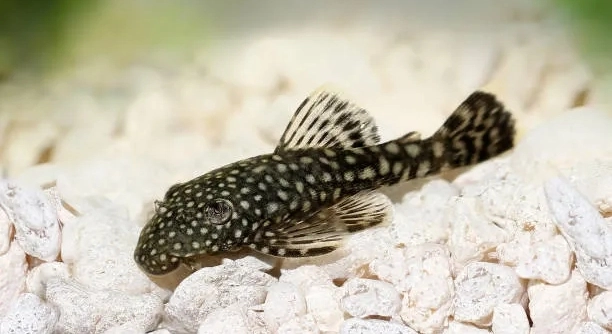
Are your plecos struggling in a tank that never seems clean? Maintaining water quality can feel overwhelming, especially when your fish’s health depends on more than just regular water changes. Proper setups make all the difference.
Optimizing pleco tank setups involves careful selection of filtration, substrate, decorations, and plant life. Effective combinations reduce waste accumulation, stabilize water parameters, and enhance biological filtration, creating a healthier environment that supports plecos’ natural behavior and long-term wellbeing.
Implementing these tank setups will help you maintain clearer water and a thriving aquatic habitat for your plecos over time.
Choosing the Right Filtration System
A strong filtration system is essential for maintaining clear and healthy water in a pleco tank. Filters remove waste, uneaten food, and toxins that can harm fish. Canister filters are often preferred for larger tanks because they provide thorough mechanical and biological filtration. Sponge filters are gentler, ideal for smaller tanks or tanks with delicate fish. Regular maintenance, such as rinsing filter media and replacing worn parts, ensures the system runs efficiently. Positioning is also important; filters should promote consistent water flow without disturbing plecos’ resting areas. Using multiple types of filtration together can improve overall water quality and reduce maintenance frequency. In addition, choosing a filter rated for a slightly larger tank than you have can handle sudden spikes in waste. Proper filtration not only keeps water clean but also supports a stable environment where plecos can grow and remain active.
Filtration impacts water clarity, toxin levels, and the overall health of plecos, making it a crucial aspect of tank setup.
Investing in the right filtration system will save time and prevent stress for your plecos. It ensures toxins are minimized, and water parameters remain stable, allowing the fish to thrive naturally. Consistent flow encourages swimming and feeding, while avoiding dead zones where waste can accumulate. A well-chosen filter reduces the risk of algae overgrowth and keeps your tank looking clean. Pairing mechanical and biological filtration optimizes efficiency, supporting both short-term water clarity and long-term water quality. Over time, plecos show healthier coloration, more active behavior, and less susceptibility to disease. Proper filter maintenance is simple and prevents larger problems later, making your tank easier to manage. This setup provides a balanced habitat where plecos can display natural behaviors, like grazing on surfaces, without stress from poor water conditions. With filtration prioritized, the tank environment remains stable, safe, and visually appealing for both fish and aquarist.
Substrate Selection for Water Quality
Choosing the right substrate can improve water quality and benefit plecos’ health. Fine gravel or sand reduces trapped debris and mimics their natural environment.
A proper substrate supports beneficial bacteria growth, aids in nutrient cycling, and prevents excess waste accumulation. Some substrates can alter pH slightly, which may help certain pleco species thrive. Regular cleaning with a gentle siphon prevents buildup without disturbing the tank.
Substrate choice impacts both filtration efficiency and fish comfort. Smooth surfaces prevent injury, and deeper layers allow for natural burrowing. Using inert substrates avoids chemical fluctuations that could stress plecos. Layering with nutrient-rich areas for live plants further stabilizes water quality. Matching substrate type to the species’ needs ensures plecos remain active and healthy. Cleaning frequency depends on tank size, stocking levels, and feeding habits. Overall, substrate is a silent contributor to water clarity and biological balance, complementing other tank setup elements to maintain a thriving aquatic habitat.
Incorporating Live Plants
Live plants help maintain water quality by absorbing excess nutrients and providing oxygen. Fast-growing species like hornwort or water sprite are especially effective at reducing nitrates and keeping the tank balanced.
Plants also create natural hiding spots for plecos, reducing stress and encouraging natural behavior. They contribute to a stable environment by supporting beneficial bacteria that break down waste. The combination of plant roots and leaves slows debris accumulation and keeps water clearer for longer periods. Plants with broad leaves allow plecos to graze safely, while floating plants provide shaded areas that mimic their natural habitat. Choosing hardy plants ensures they survive plecos’ grazing and occasional digging, supporting both fish health and water quality. Regular trimming prevents overgrowth, and occasional replanting ensures continuous nutrient uptake.
Maintaining a planted tank requires attention to lighting and substrate compatibility. Light levels should suit the plant species without promoting excessive algae growth. Fertilizers must be chosen carefully, avoiding chemicals that could harm fish. Monitoring growth and removing decaying material ensures water clarity remains high. Live plants reduce reliance on frequent water changes by naturally filtering waste and promoting balanced conditions. Over time, plecos benefit from improved water parameters and a more engaging environment that encourages exploration and grazing behavior, supporting both their health and longevity.
Proper Decorations and Hiding Spots
Plecos need hiding spots to feel secure, and decorations can influence water circulation. Driftwood, caves, and smooth rocks provide shelter while supporting water quality.
Decorations like driftwood slowly release tannins, which can slightly lower pH and benefit certain pleco species. They also provide surfaces for biofilm growth, a natural food source for the fish. Arranging decorations strategically promotes water movement, preventing stagnant areas where waste could accumulate. Using smooth materials prevents injuries during grazing or resting. Avoid overcrowding the tank, as it can reduce filtration efficiency and create areas with poor water flow. Combining functional and aesthetic decorations supports both pleco comfort and tank health.
Decorations must be chosen with care to ensure they are non-toxic and easy to clean. Driftwood should be boiled or soaked to remove contaminants before placement. Caves and rocks should be positioned to allow easy water flow, preventing trapped debris. Avoid sharp edges to reduce the risk of injury during plecos’ nocturnal activities. By providing multiple hiding spots, plecos feel less stressed, which indirectly improves their immune response and water quality. Proper decoration placement supports a healthy ecosystem by allowing circulation, biofilm growth, and balanced nutrient distribution.
Maintaining Consistent Water Parameters
Stable water parameters are essential for plecos’ health and tank clarity. Regular testing of pH, ammonia, nitrite, and nitrate levels helps prevent sudden fluctuations that can stress fish. Consistency reduces the risk of algae growth and keeps biological filtration effective.
Frequent monitoring allows early detection of potential problems. Small adjustments, like partial water changes or gentle aeration, can correct imbalances before they affect plecos. Keeping temperature steady also supports metabolism and activity levels.
Feeding Practices That Support Water Quality
Overfeeding can quickly degrade water quality. Plecos should receive measured portions of sinking pellets, vegetables, or algae wafers. Removing uneaten food prevents buildup of waste and ammonia spikes, keeping water cleaner and safer for long-term tank stability.
Regular Water Changes
Scheduled water changes remove dissolved waste and replenish essential minerals. Changing 20–30% of the water weekly helps maintain optimal conditions, supporting both plecos’ health and biological filtration efficiency.
Avoiding Overstocking
Keeping the tank population within recommended limits ensures filtration can handle waste. Overstocking stresses plecos and reduces water quality, increasing the likelihood of illness and algae growth.
FAQ
How often should I change my pleco tank water?
Water changes are crucial for maintaining water quality. Replacing 20–30% of the tank water weekly helps remove accumulated waste, reduce nitrates, and replenish essential minerals. Consistent changes prevent sudden spikes in toxins that can stress plecos and affect overall tank stability.
Can I keep plecos with other fish?
Plecos are generally peaceful, but tankmates should be chosen carefully. Avoid aggressive species that might harass them. Compatible fish include tetras, guppies, and peaceful cichlids. Providing hiding spots and proper space helps reduce stress and maintains water quality.
What is the best substrate for plecos?
Sand or fine gravel works well for plecos. These substrates prevent trapped debris and allow natural grazing and burrowing behaviors. Inert substrates do not affect pH, supporting a stable aquatic environment and promoting healthy bacterial growth.
Do plecos need live plants?
While not strictly necessary, live plants improve water quality by absorbing nitrates and producing oxygen. Plants also provide shelter and grazing surfaces, supporting natural behaviors. Fast-growing species like hornwort or anacharis are particularly effective for maintaining balanced water conditions.
How much should I feed my pleco?
Feed plecos small portions once or twice daily. Remove uneaten food to prevent water contamination. A mix of sinking pellets, algae wafers, and vegetables like zucchini or cucumber provides balanced nutrition and reduces waste buildup.
Is driftwood necessary in a pleco tank?
Driftwood is beneficial, especially for herbivorous plecos. It releases tannins that slightly lower pH and provides a surface for grazing. Pre-treat driftwood by soaking or boiling to remove contaminants before placing it in the tank.
How do I prevent algae overgrowth?
Algae can be managed with regular water changes, moderate lighting, and live plants. Avoid overfeeding and remove excess food promptly. Plecos themselves help control algae, but balancing nutrients and light is key to keeping it under control.
Can plecos live in small tanks?
Plecos grow large, so tank size matters. Small tanks may cause stress, poor water quality, and stunted growth. A minimum of 30 gallons is recommended for smaller species, with larger tanks for bigger varieties to ensure healthy living conditions.
How do I maintain proper filtration?
Filters should be cleaned regularly, but avoid washing media with tap water to preserve beneficial bacteria. Using a combination of mechanical and biological filtration ensures debris removal and toxin breakdown, keeping water stable and safe for plecos.
What signs indicate poor water quality?
Cloudy water, strong odors, algae blooms, and lethargic or discolored plecos indicate declining water quality. Regular testing and maintenance help prevent these issues and ensure a stable environment. Prompt action is necessary to maintain fish health and tank balance.
Can I use chemicals to adjust water quality?
Water conditioners can neutralize chlorine and chloramines, making tap water safe. Avoid frequent chemical adjustments for pH or hardness unless necessary, as drastic changes can stress plecos. Gradual, natural methods like driftwood or substrate choice are safer for long-term stability.
How do I handle plecos during water changes?
Plecos can remain in the tank during partial water changes. Remove only a portion of water, clean debris from the substrate, and replace with treated water at the same temperature. Gentle handling prevents stress and ensures water quality is maintained consistently.
What is the ideal temperature for plecos?
Most plecos thrive in temperatures between 72–82°F (22–28°C). Keeping temperature stable supports metabolism, digestion, and immune function. Avoid sudden fluctuations, which can stress fish and negatively affect water quality.
How do I encourage natural grazing behavior?
Provide driftwood, algae wafers, and vegetables for plecos to graze on. Natural grazing reduces leftover food and supports digestion, while also helping maintain surfaces free of excess algae and debris. This contributes to a cleaner tank overall.
Can I keep multiple plecos together?
Yes, if the tank is large enough. Overcrowding increases waste and stresses fish, impacting water quality. Provide multiple hiding spots and sufficient swimming space to reduce territorial behavior and maintain a stable environment.
How do I monitor water parameters effectively?
Use reliable test kits to track ammonia, nitrite, nitrate, and pH levels. Regular monitoring allows early detection of imbalances and helps guide water changes, feeding, and maintenance routines to keep water optimal for plecos.
How often should I clean decorations and substrate?
Clean decorations and substrate gently during water changes. Avoid over-cleaning, which can disturb beneficial bacteria. Use siphons to remove trapped debris without harming the ecosystem, maintaining clear water and stable conditions.
What is the best lighting setup for a pleco tank?
Moderate lighting supports plant growth without encouraging excessive algae. Use timers to maintain consistent day-night cycles, which helps plecos remain active and supports water quality through balanced plant and algae growth.
How do I deal with cloudy water?
Cloudiness often results from excess waste, overfeeding, or bacterial blooms. Partial water changes, improved filtration, and reduced feeding usually resolve the issue. Ensuring substrate and decorations are clean also helps maintain clarity.
Can plecos survive in tap water?
Tap water must be treated to remove chlorine and chloramines before adding to the tank. Using conditioners ensures water is safe while supporting beneficial bacteria growth and overall tank stability for plecos.
How do I prevent disease in a pleco tank?
Maintain water quality, avoid overfeeding, provide hiding spots, and monitor fish for stress or injury. Healthy, stable environments reduce the likelihood of disease and support immune function naturally.
What is the role of beneficial bacteria?
Beneficial bacteria break down ammonia into nitrites and then nitrates, reducing toxicity. Proper filtration, substrate, and minimal chemical interference allow bacteria to thrive, maintaining a stable environment and high water quality for plecos.
Are there specific pleco species that are easier to care for?
Smaller species like bristlenose plecos are easier to manage in moderate-sized tanks. Larger species require more space and filtration, but all benefit from stable water, hiding spots, and proper feeding routines.
How long can plecos live in a well-maintained tank?
With proper care, plecos can live 10–15 years or longer. Maintaining stable water conditions, appropriate feeding, and a balanced environment ensures their longevity and keeps the tank healthy.
How do I prevent overfeeding?
Feed small portions according to the species’ size and remove uneaten food promptly. Overfeeding leads to waste accumulation, poor water quality, and increased risk of algae growth, which can stress plecos and harm the tank ecosystem.
Can I mix different substrates in one tank?
Yes, mixing sand and gravel can provide areas for natural behavior while supporting plant roots. Ensure substrates are compatible and easy to clean, maintaining clear water and stable bacterial colonies.
What maintenance schedule should I follow?
Weekly partial water changes, bi-weekly filter checks, and regular substrate cleaning create a balanced routine. Monitoring water parameters and removing uneaten food daily supports long-term water quality and pleco health.
How do I acclimate plecos to a new tank?
Introduce plecos slowly by floating the bag in the tank to match temperature. Gradually mix tank water with the bag water over 30–60 minutes before release, reducing stress and ensuring water compatibility.
Can plecos eat algae alone?
Algae alone does not meet all nutritional needs. Supplement with vegetables and sinking pellets to support growth, health, and digestion, while still allowing natural grazing that benefits tank cleanliness.
How do I know if a pleco is stressed?
Signs include hiding excessively, reduced appetite, discoloration, and irregular swimming. Stress often results from poor water quality, overcrowding, or incompatible tankmates. Correcting these factors improves health and water conditions.
Are there quick fixes for poor water quality?
Immediate partial water changes and removing uneaten food help temporarily, but long-term stability requires proper filtration, feeding, substrate, and plant management. Consistency is key for lasting results.
Can plecos survive without hiding spots?
They may survive, but stress levels increase without shelter. Providing caves, driftwood, or plants improves comfort, encourages natural behaviors, and indirectly supports water quality by reducing stress-related health issues.
How do I prevent nitrate buildup?
Regular water changes, live plants, and proper filtration prevent nitrate accumulation. Avoid overstocking and overfeeding to maintain a balanced environment that keeps water parameters stable for plecos.
Can I use chemical cleaners in the tank?
Avoid harsh chemicals. Only use fish-safe water conditioners or treatments when necessary. Chemicals can disrupt beneficial bacteria and stress plecos, negatively affecting water quality and long-term tank health.
What is the best way to introduce multiple plecos?
Introduce new plecos slowly, providing multiple hiding spots to reduce territorial disputes. Monitor interactions and water parameters closely, adjusting feeding and tank layout to maintain a healthy, stable environment for all fish.
How often should I test water parameters?
Weekly testing is recommended, with more frequent checks during tank cycling, new additions, or if water appears cloudy. Regular monitoring helps maintain optimal conditions and supports pleco health and growth.
Are plecos sensitive to pH changes?
Yes, most plecos prefer slightly acidic to neutral water. Sudden pH shifts can stress them and impact water quality. Gradual adjustments using natural methods are safer than chemical interventions.
How do I handle leftover food in the tank?
Remove uneaten food promptly to prevent waste buildup and ammonia spikes. This simple step keeps water clear, reduces algae growth, and supports a healthier environment for plecos and other tank inhabitants.
Can plecos live in unheated tanks?
Smaller, hardy species may survive cooler water, but most plecos thrive in stable temperatures around 72–82°F. Maintaining warmth supports digestion, immunity, and overall activity levels.
What type of water conditioner should I use?
Use conditioners that neutralize chlorine and chloramines. Some also bind heavy metals. Avoid products with unnecessary additives that could stress plecos or disrupt beneficial bacteria colonies.
How important is aeration for plecos?
Aeration ensures oxygen reaches all parts of the tank, supporting fish respiration and beneficial bacteria. Proper circulation prevents dead spots where debris and waste can accumulate, maintaining clear, healthy water.
Can plecos survive in soft water?
Many species tolerate soft water, but extreme softness may require buffering to maintain stability. Monitoring parameters ensures a suitable environment, supporting biological filtration and overall fish health.
How do I reduce ammonia spikes?
Limit feeding, maintain proper filtration, and perform regular water changes. Beneficial bacteria convert ammonia to nitrites and nitrates, reducing toxicity. Over time, stable conditions prevent sudden spikes and keep plecos healthy.
Are plecos compatible with shrimp or snails?
Yes, most plecos coexist with snails and larger shrimp species. Small shrimp may be at risk, so monitor interactions. These tankmates can help with algae control without impacting pleco health.
What is the best way to remove debris from the tank?
Use a siphon or net to remove uneaten food, waste, and detritus. Avoid disturbing substrate excessively to preserve beneficial bacteria while keeping water clear and safe for plecos.
Can plecos live without filtration?
Small, heavily planted tanks might survive without filtration, but stability is difficult to maintain. Filtration ensures toxins are removed efficiently and water parameters remain safe, supporting long-term pleco health.
How do I encourage breeding in a pleco tank?
Stable water conditions, suitable hiding spots, and proper nutrition are essential. Breeding is species-dependent, but healthy environments improve chances and support overall water quality while reducing stress.
How do I prevent floating debris from accumulating?
Skimming the surface during water changes and ensuring proper filtration removes floating waste. Live plants can also trap debris, contributing to cleaner, clearer water and healthier conditions for plecos.
What is the best way to handle sick plecos?
Isolate affected fish in a quarantine tank with proper water conditions. Treat with fish-safe medications as needed. Maintaining clean, stable water during illness supports recovery and prevents further stress or contamination.
How do I maintain water clarity long-term?
Combine regular water changes, proper filtration, live plants, and careful feeding practices. Monitoring water parameters consistently ensures long-term clarity, stable conditions, and a thriving environment for plecos.
Are there quick ways to cycle a new pleco tank?
Introduce hardy fish or ammonia sources gradually, maintain filtration, and monitor parameters. Beneficial bacteria establish faster with consistent conditions, reducing toxic spikes and preparing the tank for plecos safely.
How do I prevent my pleco from uprooting plants?
Choose hardy plants and secure them in the substrate. Providing driftwood and decorations gives alternative surfaces for grazing, reducing digging behavior while supporting water quality and plant health.
What type of water test kit is most reliable?
Liquid test kits for ammonia, nitrites, nitrates, and pH are accurate and easy to use. Regular testing ensures timely interventions and helps maintain a stable, healthy tank for plecos.
Can plecos survive in brackish water?
Most plecos prefer freshwater, though some species tolerate slight salinity. Gradual adjustments and careful monitoring are required. Freshwater setups remain the safest for long-term health and water quality.
How do I prevent plecos from injuring themselves?
Use smooth decorations, avoid sharp edges, and provide adequate hiding spots. Gentle substrate and careful tank layout minimize risk, supporting natural behavior and reducing stress-related injuries.
How do I control sudden algae blooms?
Reduce feeding, trim plants, adjust lighting, and perform partial water changes. Balanced nutrients and proper filtration help prevent blooms, keeping water clear and healthy for plecos.
Can plecos live with aggressive fish?
Aggressive species increase stress and risk of injury. Avoid mixing incompatible fish to maintain stable water conditions and prevent behavioral issues that affect pleco health.
How do I acclimate plecos after water changes?
Partial water changes rarely require acclimation. Ensure new water matches temperature and parameters. Slow adjustments help prevent stress and maintain consistent conditions in the tank.
What is the best way to introduce plecos to a new tankmate?
Provide multiple hiding spots and monitor interactions closely. Gradual introduction reduces territorial disputes and stress, supporting a stable, healthy environment for all fish.
How do I know if my tank is overstocked?
Signs include poor water quality, aggressive behavior, and stressed fish. Following species-specific stocking guidelines and monitoring parameters ensures a balanced, healthy environment.
Can plecos survive long-term without driftwood?
They can survive, but driftwood supports digestion, grazing, and comfort. Including it improves natural behavior and water stability, enhancing long-term health.
How do I prevent fungal or bacterial infections?
Maintain clean water, avoid overfeeding, and provide hiding spots. Stress reduction and stable water parameters are key to preventing infections and supporting pleco immunity.
Are plecos compatible with bettas?
Yes, in larger tanks with ample hiding spots. Bettas are territorial, so proper spacing prevents stress, ensuring stable water quality and safe cohabitation.
What is the best way to clean a pleco tank without stressing fish?
Partial water changes, gentle siphoning, and careful decoration cleaning reduce disturbance. Maintain stable temperature and parameters to minimize stress and preserve tank stability.
Can plecos survive in low-light tanks?
They can survive, but moderate lighting supports plant growth and natural behavior. Low-light setups may require supplemental grazing surfaces to maintain water quality.
How do I maintain a balanced ecosystem for plecos?
Combine stable water parameters, proper filtration, live plants, suitable substrates, and appropriate tankmates. Regular monitoring, feeding control, and cleaning practices create a sustainable environment that keeps water clear and plecos healthy.
How do I prevent plecos from being territorial?
Provide sufficient hiding spots, multiple decorations, and ample space. Avoid overcrowding, monitor interactions, and adjust tank layout if aggression occurs, maintaining a peaceful environment and stable water quality.
How do I ensure proper oxygen levels for plecos?
Aeration, proper filtration, and live plants maintain dissolved oxygen. Avoid stagnant zones and monitor water movement, supporting both fish health and beneficial bacteria activity.
What is the best way to handle plecos during cleaning?
Minimize handling. Move decorations carefully, perform partial water changes, and avoid sudden disturbances. Stable conditions and gentle methods reduce stress while maintaining water quality.
Can plecos survive in tanks without hiding spots?
They may survive but will be stressed. Providing caves, driftwood, or plants supports natural behavior and indirectly helps maintain stable water quality.
How do I prevent overfeeding in a multi-species tank?
Feed small portions and remove leftovers promptly. Adjust quantities based on fish size and species to reduce waste accumulation, protect water quality, and support healthy plecos.
How do I reduce stress for plecos in a new tank?
Provide hiding spots, stable water parameters, proper lighting, and compatible tankmates. Gradual acclimation and careful monitoring minimize stress, promoting health and supporting water quality.
What is the role of biofilm in a pleco tank?
Biofilm provides a natural food source and supports beneficial bacteria growth. Plecos graze on it, reducing algae and contributing to a balanced, healthy ecosystem.
How do I prevent ammonia spikes after feeding?
Feed small amounts and remove uneaten food. Maintain filtration and perform partial water changes if necessary. Consistency prevents toxic buildup and supports stable water parameters.
Can plecos survive in tanks with fluctuating temperatures?
Frequent temperature swings stress plecos and affect metabolism. Stable conditions are essential for health, digestion, and overall water quality maintenance.
How do I clean filters without harming beneficial bacteria?
Rinse filter media gently in tank water or dechlorinated water. Avoid harsh tap water, which can kill bacteria and disrupt biological filtration, reducing water quality and stability.
Are plecos compatible with goldfish?
Yes, but ensure space and compatible water parameters. Goldfish produce more waste, so strong filtration and regular maintenance are needed to maintain water quality for both species.
How do I maintain long-term tank stability?
Combine regular water changes, monitoring, proper feeding, adequate filtration, live plants, and suitable tankmates. Consistent maintenance ensures water clarity, stable parameters, and healthy plecos over time.
Can plecos survive in tanks with high nitrate levels?
High nitrates stress plecos and can cause illness. Regular water changes, plant filtration, and proper feeding reduce nitrates, supporting a healthy environment.
How do I prevent waste buildup in a pleco tank?
Feed carefully, maintain filtration, clean substrate, and remove uneaten food. Combining these practices reduces debris, supports water clarity, and promotes a balanced ecosystem.
How do I acclimate plecos to different water parameters?
Gradually mix tank water with
Maintaining a healthy pleco tank requires consistent care and attention to several key factors. Choosing the right filtration system, substrate, and decorations directly impacts water quality and the overall health of your fish. Filtration removes toxins, uneaten food, and other debris, while substrates like sand or fine gravel reduce waste accumulation and allow plecos to display natural behaviors. Adding decorations such as driftwood, caves, or smooth rocks not only provides hiding spots but also supports biofilm growth, which plecos graze on, contributing to a cleaner environment. Including live plants further helps by absorbing excess nutrients and producing oxygen, which stabilizes water parameters and encourages a thriving ecosystem. Each of these elements works together to create a balanced and sustainable habitat, making maintenance easier and promoting the wellbeing of your plecos over time.
Feeding practices and regular maintenance are equally important for sustaining water quality. Overfeeding can quickly lead to waste buildup, increased ammonia, and algae growth, which stresses plecos and reduces the efficiency of filtration. Providing a measured diet of sinking pellets, algae wafers, and fresh vegetables supports healthy digestion while minimizing excess food. Partial water changes of 20–30% weekly help remove dissolved waste, replenish essential minerals, and maintain stable water parameters. Monitoring temperature, pH, ammonia, nitrites, and nitrates regularly ensures early detection of any potential issues. Keeping the tank population within recommended limits prevents overcrowding and reduces stress on both the fish and filtration system. By combining thoughtful feeding routines with consistent cleaning and water testing, it becomes much easier to maintain a stable and healthy tank environment.
Ultimately, improving water quality for plecos involves understanding their natural behaviors and needs, then designing the tank to support those requirements. Providing adequate space, hiding spots, and gentle water flow allows plecos to thrive while minimizing stress. Integrating plants, decorations, and proper substrates not only benefits water clarity but also encourages natural grazing and activity, supporting overall health. Consistent monitoring and maintenance, including partial water changes, filter cleaning, and careful feeding, prevent imbalances and long-term problems. By focusing on these fundamentals, you can create a tank that promotes stable water conditions, reduces the risk of disease, and allows your plecos to live a full and healthy life. With careful attention to these details, maintaining a clean and balanced pleco tank becomes a manageable and rewarding process.

Hello,
If you enjoy the content that we create, please consider saying a "Thank You!" by leaving a tip.
Every little bit helps us continue crafting quality advice that supports the health, happiness, and well-being of pets around the world, for pets of all shapes, sizes, and species.
We really appreciate the kindness and support that you show us!