
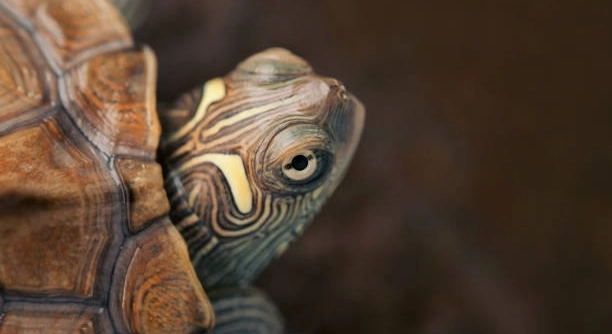
Map turtle hatchlings face many challenges as they start their journey. Ensuring their survival and healthy growth requires thoughtful care and attention to detail. By understanding their needs, you can play a role in their success.
To help map turtle hatchlings thrive, focus on providing a suitable environment, ensuring proper diet, preventing predators, managing humidity and temperature, and promoting safe migration. Proper care in these areas will improve their chances of survival and long-term well-being.
By following these simple yet crucial tips, you can offer hatchlings the best chance at growing into healthy turtles. It’s important to act quickly to establish the right environment and habits.
Create the Right Environment
Map turtle hatchlings need a safe and comfortable place to grow. Start by setting up a small, well-ventilated enclosure with plenty of space to move around. This will keep them from feeling stressed, which can affect their development. A shallow water area is essential, as they enjoy spending time swimming and soaking. Ensure the water is clean, warm, and easy for them to climb out of. In addition to water, a basking area should be included, with a heat source to keep them warm. It’s crucial to have enough hiding spots and safe places for them to rest without feeling exposed.
The temperature of the enclosure should stay between 75-80°F. Keep humidity at moderate levels to prevent dehydration. The right lighting can also make a difference in their growth, as UVB lighting helps with shell and bone development.
Paying attention to these small details can make a big difference in their well-being. Map turtles are sensitive to their environment, and providing these basics will allow them to thrive, both physically and mentally.
Provide a Proper Diet
Proper nutrition is a key factor in the growth of map turtle hatchlings.
A balanced diet with both plant-based and animal-based foods is ideal. Hatchlings need protein from small aquatic creatures like worms, insects, and shrimp. At the same time, leafy greens and vegetables such as kale, collard greens, and dandelion leaves will offer essential vitamins and minerals.
Avoid feeding hatchlings too many high-fat foods, as this can lead to obesity and shell deformities. You can also supplement their diet with calcium and vitamin D to support bone growth. Offering a variety of food ensures they get the necessary nutrients to grow strong. Be sure to remove any uneaten food to prevent water contamination.
Prevent Predators
Map turtle hatchlings are vulnerable to many predators, so it’s important to create a secure environment for them. Predators can range from birds to larger animals, or even other turtles. Keeping hatchlings in a well-secured enclosure with a secure lid or netting can protect them from these threats.
Ensure the habitat is free from any animals that might pose a risk. If you have other pets, such as dogs or cats, they should not have access to the turtle’s space. Creating a sturdy barrier around the area is essential to keep the hatchlings safe. If possible, avoid letting them roam freely outdoors until they are large enough to defend themselves.
Monitoring the hatchlings regularly and providing a safe place to hide is key to keeping them safe from predators. Once they grow, they’ll be better equipped to protect themselves. However, until then, constant care is required to avoid unexpected dangers.
Manage Humidity and Temperature
Humidity and temperature control are essential for map turtle hatchlings to thrive.
A temperature range between 75-80°F during the day is ideal for growth and comfort. The basking area should be warmer, around 85°F, to ensure proper digestion. At night, you can lower the temperature slightly but avoid drastic drops.
Humidity levels should be kept at 50-70% to avoid dehydration, which can cause serious health issues. To manage humidity, you can use a water bowl, a misting system, or a humidity meter. Avoid letting the enclosure become too dry, especially in colder climates where humidity can drop quickly.
Being mindful of the environment’s temperature and humidity will help prevent stress and keep the hatchlings healthy. Stable conditions create an ideal space for them to thrive and grow at the right pace.
Encourage Safe Migration
When hatchlings are ready to leave their enclosure and explore, it’s important to ensure they have a safe space. Provide a secure area for them to explore without the risk of running into predators. This can be a small, enclosed outdoor space or a carefully monitored open area.
If the environment outside is unsafe or not suitable, keep the hatchlings indoors until they’re large enough. Gradual exposure to natural elements helps them develop important survival skills. Be sure to monitor them closely during this phase and make adjustments to their environment as needed.
Ensure Proper Shell Development
Map turtle hatchlings require proper nutrition and conditions for healthy shell growth. Calcium, along with UVB lighting, is vital for strengthening their shells. The right balance of nutrients will help them avoid deformities and soft shells that can make them more vulnerable to injury.
Providing calcium supplements can support shell development. Dusting their food with calcium powder or offering cuttlebone can help provide this essential nutrient.
FAQ
How often should I feed my map turtle hatchlings?
Map turtle hatchlings should be fed every day when they are young. At this stage, they need a consistent source of nutrition for growth. As they age, you can reduce the feeding frequency to every other day. It’s important to provide a variety of foods to ensure they get all the nutrients they need. Offer small portions to prevent overfeeding, as leftover food can contaminate the water.
Can map turtle hatchlings live together?
Yes, map turtle hatchlings can live together, but it’s important to ensure there’s enough space in the enclosure to avoid territorial behavior. Provide hiding spots for each hatchling to give them a sense of security. If you notice aggressive behavior, it’s best to separate them. Ensure they each have access to food and water without competition.
What temperature should I keep the water for map turtle hatchlings?
The water temperature should be between 75-80°F to keep the hatchlings comfortable. If the water gets too cold, it can slow their metabolism and growth. Use a reliable aquarium heater to maintain the correct temperature and avoid large fluctuations. Ensure the water is not too hot, as temperatures above 85°F can stress them.
How long do map turtle hatchlings stay in the water?
Map turtle hatchlings typically stay in the water for several hours each day. They love to swim and soak in the water, but they also need access to a basking area to dry off and regulate their body temperature. Provide both a water area and a basking area in their enclosure.
Should I provide UVB lighting for map turtle hatchlings?
Yes, UVB lighting is essential for map turtle hatchlings. It helps them produce vitamin D3, which is necessary for calcium absorption and bone health. Ensure the lighting is strong enough to reach the basking area. Replace the UVB bulb every six months, even if it still lights up, as its UVB output diminishes over time.
What type of food should I feed map turtle hatchlings?
Map turtle hatchlings are omnivorous. They enjoy a combination of protein from aquatic insects, worms, and small fish, along with plant matter like leafy greens, dandelion leaves, and aquatic plants. Avoid feeding them too much protein, as it can cause growth issues. A balanced diet with variety will ensure they grow strong and healthy.
How big should the tank be for map turtle hatchlings?
The tank for map turtle hatchlings should be at least 20 gallons in size for one hatchling. As they grow, you will need to upgrade the tank size. A 40-gallon tank is recommended for adult map turtles. Ensure there is enough space for swimming, basking, and hiding areas.
Can map turtle hatchlings live in a pond?
Map turtle hatchlings can live in a pond, but it must be properly maintained. Ensure the pond is clean, free from predators, and has areas for basking and hiding. Water quality is critical for their health, so monitor temperature, pH, and filtration. A pond with strong currents or predators may not be suitable.
Do map turtle hatchlings need a filter in their tank?
Yes, map turtle hatchlings need a filter to keep the water clean. Turtles produce waste, and without filtration, the water will quickly become contaminated, which can lead to health issues. Choose a filter that is rated for a larger tank than you have, as it will help keep the water clear and reduce the frequency of water changes.
How can I tell if my map turtle hatchling is healthy?
A healthy map turtle hatchling should have clear eyes, a smooth, hard shell, and an active, alert behavior. The hatchling should be eating regularly and swimming confidently. If the shell appears soft or deformed, or if the turtle is lethargic, it could indicate health issues that require attention. Regular check-ups from a veterinarian are recommended to ensure they are thriving.
How do I handle map turtle hatchlings?
Handle map turtle hatchlings gently and infrequently. Excessive handling can cause stress, which can affect their growth. If you need to move them, make sure your hands are clean and damp to prevent damaging their skin and shell. Keep their environment as calm as possible, minimizing stressors.
Can map turtle hatchlings drown?
Map turtle hatchlings can drown if they become trapped or can’t find a way out of the water. Ensure that the water depth is shallow enough for them to easily climb out if needed. Provide ramps or basking platforms so they can rest above water and avoid exhaustion.
What should I do if my map turtle hatchling isn’t eating?
If your map turtle hatchling is not eating, check the water temperature, lighting, and humidity levels. Stress from poor conditions can lead to a loss of appetite. Offer a variety of food, as hatchlings can be picky eaters. If the problem persists, consult a vet to rule out any underlying health issues.
How fast do map turtle hatchlings grow?
Map turtle hatchlings grow relatively slowly. They can grow up to 1-2 inches per year, depending on their diet and environment. Proper care, including a balanced diet and optimal environmental conditions, can help speed up their growth. However, don’t expect rapid growth as it is a gradual process.
Caring for map turtle hatchlings requires attention to detail, patience, and dedication. These small creatures need a safe, clean environment with the right temperature, humidity, and lighting to grow properly. By setting up the proper habitat and keeping it consistent, you help ensure that the hatchlings have the best chance at survival. It’s important to remember that the care they receive in their early stages of life directly impacts their overall health and development. Providing a balanced diet, preventing predators, and ensuring they have the opportunity to bask and swim all contribute to their well-being.
Although map turtle hatchlings are relatively easy to care for once you have the basics in place, they are still vulnerable in the early stages. The key to keeping them healthy is to pay attention to their needs and make adjustments when necessary. Keep a close eye on their behavior and growth, as changes in appetite, energy levels, or shell condition can indicate potential problems. Regularly monitoring the conditions of their habitat and making sure they have access to clean water and food can prevent many common issues.
In the end, raising map turtle hatchlings is a rewarding experience that requires a commitment to creating the right environment and providing the care they need. Whether you’re an experienced turtle keeper or a beginner, these steps will help you nurture healthy, thriving hatchlings. With patience and the right approach, map turtles can grow into strong, happy adults. Providing a safe and enriching environment for them not only ensures their survival but also gives you the satisfaction of seeing them grow and thrive.

Hello,
If you enjoy the content that we create, please consider saying a "Thank You!" by leaving a tip.
Every little bit helps us continue crafting quality advice that supports the health, happiness, and well-being of pets around the world, for pets of all shapes, sizes, and species.
We really appreciate the kindness and support that you show us!