
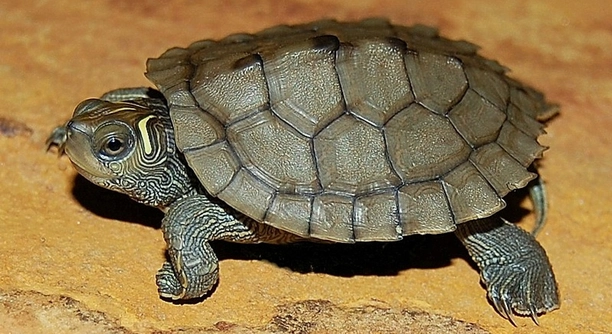
Algae growth in your map turtle tank can be frustrating. It affects the aesthetics and health of your turtle’s environment. But don’t worry, simple fixes can help restore balance and keep things in check.
Algae problems in map turtle tanks can often be resolved by improving water quality, increasing filtration, and adjusting light exposure. Regular tank cleaning and limiting food waste also play key roles in preventing algae buildup and maintaining a healthy habitat.
By implementing these straightforward strategies, you can effectively combat algae issues and maintain a cleaner, healthier environment for your map turtle.
Improve Water Quality
A major factor contributing to algae growth is poor water quality. Algae thrive in stagnant or contaminated water, which is why regular water changes are essential. Aim for a 25-30% water change every one to two weeks. This simple step reduces excess nutrients that algae feed on, helping maintain a cleaner environment for your map turtle. It’s important to use a water conditioner to neutralize chlorine and chloramines that can harm your turtle.
Regularly check the water’s pH, ammonia, nitrite, and nitrate levels to ensure they stay within safe ranges. High nitrates and ammonia levels often indicate the water isn’t as clean as it should be. Maintaining a consistent water testing routine can prevent algae growth and other water-related issues. This attention to detail will ensure a healthier habitat for your turtle.
Consistent water changes not only address algae issues but also create a more stable environment. Healthy water quality encourages better digestion and overall well-being for your turtle.
Increase Filtration
A high-quality filter plays a significant role in maintaining water clarity. It removes debris and excess nutrients that algae need to thrive. A filter with mechanical, biological, and chemical filtration is ideal for breaking down waste and controlling algae-promoting substances.
When selecting a filter for your map turtle tank, it’s essential to choose one with adequate capacity for your tank size. Turtles produce a lot of waste, so your filter should be able to handle the higher bio-load. Additionally, keep in mind that filters need regular maintenance to remain effective. Clean the filter media every few weeks to prevent clogging, and replace cartridges as needed.
Investing in the right filtration system can significantly reduce algae buildup. A filter that functions well will help keep the water clear, promoting better visibility and a cleaner tank overall. Over time, you’ll notice fewer algae problems and a more balanced environment for your map turtle.
Adjust Light Exposure
Excessive light exposure can lead to algae growth in your map turtle tank. Algae thrive under bright, constant light, which accelerates their growth. To prevent this, reduce the amount of time the tank light is on each day. Aim for around 8 to 10 hours of light per day, mimicking natural conditions.
Additionally, ensure the tank light is not too bright or too close to the water surface. Turtles need light for proper growth, but algae can flourish if the light conditions are not balanced. Consider using a timer for the light to regulate exposure consistently, making it easier to maintain the right conditions.
Controlling light exposure is an easy yet effective way to limit algae. By adjusting the amount of light your tank receives, you help reduce one of the key factors that allow algae to thrive.
Regular Tank Cleaning
Keeping your tank clean is essential in preventing algae buildup. Algae can latch onto surfaces like rocks, decorations, and tank walls, which means regular cleaning is necessary. Use an aquarium-safe scrubber or sponge to gently clean the surfaces of the tank without damaging the décor or harming your turtle.
In addition to cleaning the tank walls, make sure to clean the substrate, or the bottom of the tank. Vacuuming the gravel or sand helps remove any uneaten food and waste that may contribute to algae growth. Doing this regularly will help maintain a balanced environment and reduce the chances of algae taking over.
Regular tank cleaning not only removes algae but also ensures your map turtle’s living space is free from waste, improving both water quality and overall tank health.
Limit Food Waste
Excess food in the tank contributes to algae growth by providing extra nutrients. Be mindful of how much you feed your map turtle. If uneaten food is left in the tank, it breaks down and fuels algae. Remove any leftover food promptly.
Consider feeding your turtle smaller portions to avoid waste. Overfeeding is a common mistake and can lead to poor water quality. By offering the right amount of food, you reduce the chances of excess nutrients in the tank, helping prevent algae from thriving. This simple step makes a noticeable difference in maintaining tank health.
Use Algae-Eating Inhabitants
Introducing algae-eating inhabitants can help control algae growth. Certain species, such as snails or fish like the Siamese algae eater, are known for grazing on algae. These creatures can naturally reduce algae without much effort on your part, creating a more balanced ecosystem.
Be sure to research which species will be compatible with your map turtle. Adding these helpful tank mates can offer a natural solution to your algae problem. They will help keep algae levels in check and contribute to overall tank health. Always monitor these additions to ensure they don’t cause other issues.
Reduce Tank Light Placement
Where your tank light is positioned also affects algae growth. If your tank is placed near windows or direct sunlight, it’s more likely to get too much light, which encourages algae. Try moving the tank to a location with less sunlight exposure.
If changing the tank’s location isn’t an option, consider using a light filter. You can also adjust the tank’s light intensity or use a lower-wattage bulb to control the light exposure. This will help keep algae under control while still providing the necessary lighting for your map turtle’s health.
FAQ
How do I prevent algae from growing in my map turtle tank?
To prevent algae, start by maintaining good water quality with regular water changes and a reliable filtration system. Reducing light exposure and avoiding overfeeding will also help. Consider introducing algae-eating tank mates like snails or fish to naturally control the growth. Regular cleaning of the tank surfaces and substrate can also help eliminate algae before it has a chance to spread.
What can I do if the algae keeps growing despite cleaning?
If algae keeps growing despite cleaning, it may be due to an imbalance in water conditions or excessive light. Check the water’s pH, ammonia, nitrite, and nitrate levels regularly. Adjust the light exposure to avoid prolonged periods of brightness. Reducing excess nutrients in the water by removing uneaten food or organic matter can help control algae.
How often should I change the water in my turtle tank?
It’s recommended to change 25-30% of the water every one to two weeks. If your turtle is especially messy or the tank is smaller, you may need to change the water more frequently. Regular water changes will help maintain water quality and prevent algae growth by reducing the amount of waste and nutrients in the tank.
Can algae harm my map turtle?
While algae itself doesn’t usually harm map turtles, overgrowth can reduce water quality, leading to potential health issues. Poor water quality can affect your turtle’s skin, eyes, and overall immune system. In extreme cases, algae can block out necessary light or oxygen in the water, negatively impacting your turtle’s environment.
Are algae-eating fish safe for my map turtle?
Some algae-eating fish are safe for map turtles, but others might not be. Species like the Siamese algae eater and certain snails can help manage algae without causing harm. However, always research specific species to ensure they won’t compete with your turtle for food or become prey. Avoid adding any fish that could be stressed or eaten by your turtle.
What is the best lighting for a map turtle tank?
The best lighting for a map turtle tank includes both UVB and UVA lights. UVB is necessary for the turtle’s health, allowing it to produce vitamin D3 for calcium absorption. UVA helps simulate natural sunlight and keeps your turtle active. However, limit light exposure to 8-10 hours daily to prevent excessive algae growth.
How do I know if my tank has too much light?
If your tank receives too much light, you’ll notice a quick buildup of algae on the surfaces. The water may look cloudy, and the overall tank may appear unclean. You can test this by checking if your tank is exposed to direct sunlight for prolonged periods during the day or if the light is left on too long.
What kind of filter should I use for a map turtle tank?
A strong filter is essential for a map turtle tank. Look for one that is rated for a tank size larger than your tank’s actual size to ensure it can handle the turtle’s waste. A filter with mechanical, biological, and chemical filtration will keep the water clean, remove waste, and reduce harmful toxins that contribute to algae growth.
Can I use chemicals to kill algae in my map turtle tank?
While chemical treatments can kill algae, it’s best to use them sparingly, as some chemicals may harm your turtle or disrupt the tank’s ecosystem. Opt for more natural methods like adjusting light exposure, improving filtration, and removing algae manually. If chemicals are necessary, choose ones labeled as safe for aquatic turtles.
How can I clean algae off the decorations and substrate?
To clean algae off decorations and substrate, gently scrub the surfaces using an aquarium-safe brush or sponge. For rocks and hard-to-reach places, a toothbrush can help remove stubborn algae. Vacuum the substrate regularly to prevent waste and algae buildup. Make sure not to use any harsh chemicals that could harm your turtle.
Is it normal for a map turtle to eat algae?
Map turtles do occasionally nibble on algae in their tank, but they are primarily carnivores. They may eat algae if it’s available, especially if they are hungry or if the algae is in an easy-to-reach spot. However, their diet should mainly consist of animal-based foods like insects, fish, and plants like aquatic grasses.
Final Thoughts
Algae growth in a map turtle tank can be frustrating, but it’s manageable with the right care and attention. It’s important to maintain a balance in your tank, which includes regular cleaning, proper lighting, and good filtration. By focusing on these key areas, you can create a healthier environment for your turtle while preventing excessive algae. Adjusting water parameters, limiting light exposure, and removing uneaten food can all contribute to reducing algae growth.
Incorporating algae-eating tank mates, such as snails or specific fish, can also help control algae naturally. However, always ensure that any additional species are compatible with your turtle. Some fish or snails may be eaten or stressed by your turtle, so research is essential before adding them. Be sure to keep a close eye on the interactions between your turtle and its tank mates to avoid unnecessary issues.
Overall, managing algae in your map turtle tank is about maintaining a balanced, clean, and well-maintained environment. By regularly checking water quality, adjusting light exposure, and cleaning the tank, you can minimize algae growth. Taking these simple steps will not only improve the aesthetic of the tank but also promote a healthier living space for your map turtle.

Hello,
If you enjoy the content that we create, please consider saying a "Thank You!" by leaving a tip.
Every little bit helps us continue crafting quality advice that supports the health, happiness, and well-being of pets around the world, for pets of all shapes, sizes, and species.
We really appreciate the kindness and support that you show us!