
Mississippi map turtles are small, yet fascinating creatures. These turtles are native to the Mississippi River and have some truly interesting traits that set them apart from other species. Let’s explore some fun facts about them.
Mississippi map turtles are named for the unique patterns on their shells that resemble a map. These turtles can be found in the Mississippi River and surrounding areas, where they thrive in freshwater habitats. They are semi-aquatic, spending much of their time basking in the sun.
Their ability to adapt to both water and land is just one of the many things that make them unique. These turtles are not only a visual wonder but also play an important role in their ecosystem.
What Makes Mississippi Map Turtles So Unique?
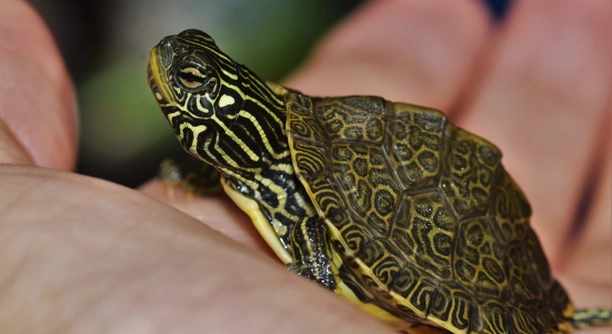
Mississippi map turtles are known for their distinctive shell patterns, which resemble a map. These patterns can vary in color, often displaying yellow and dark brown lines that give the appearance of topographic features. The turtle’s carapace, or top shell, is slightly flattened, allowing them to move efficiently through water. One of the most interesting things about these turtles is their ability to bask on logs and rocks, often in groups, where they soak up the sun to regulate their body temperature. This behavior is not only enjoyable to observe but also essential for their health, as it helps them maintain proper digestion and energy levels.
The Mississippi map turtle’s shell pattern is truly a natural work of art. Each turtle has a unique design, just like human fingerprints. These patterns help camouflage them in their natural habitat, blending with the riverbed and surrounding environment.
These turtles also play an important ecological role in the areas where they live. By feeding on various aquatic plants, insects, and small invertebrates, they help maintain a balanced ecosystem, ensuring healthy aquatic environments.
Habitat and Behavior of Mississippi Map Turtles
Mississippi map turtles prefer freshwater rivers, streams, and lakes, with a preference for slow-moving waters. They are often found in areas with a mix of open water and basking spots like rocks, logs, or fallen trees. This makes the Mississippi River and its tributaries the perfect home for them. They are excellent swimmers and can stay submerged for long periods, but they always return to land to bask in the sun. The sun exposure helps them regulate their temperature and also supports the production of vitamin D, crucial for their bone health.
What makes these turtles especially interesting is their ability to adapt to different environments. While they prefer certain types of habitats, they can also live in urbanized areas with the right conditions. Urban rivers or ponds that have ample basking areas and food sources can also sustain these turtles. However, when these habitats are disturbed by pollution or development, it can affect the turtles’ health and ability to thrive. Because of their dependence on clean water, Mississippi map turtles can act as indicators of the health of freshwater ecosystems. When populations begin to decline in a particular area, it signals that the environment may need attention. Protecting their habitat is not just about conserving the turtles, but also ensuring the overall health of the water systems they inhabit.
Diet and Feeding Habits of Mississippi Map Turtles
Mississippi map turtles are omnivores, feeding on both plant matter and small animals. They will eat a variety of foods, including aquatic plants, insects, snails, and small fish. Their diet helps maintain a balanced ecosystem by controlling insect populations and supporting plant growth.
Their feeding habits also depend on their environment. In areas where insects are plentiful, they may focus more on eating them, while in other places, they will rely more on plants. Mississippi map turtles use their sharp jaws to catch prey, efficiently grabbing small creatures and swallowing them whole.
When in captivity, these turtles benefit from a varied diet that mimics what they would consume in the wild. Feeding them a mix of leafy greens, aquatic plants, and small protein sources ensures they get the nutrients they need. Inadequate diets can lead to malnutrition, so it’s essential to offer food that closely matches their natural intake.
Reproduction and Nesting of Mississippi Map Turtles
Mississippi map turtles breed during the warmer months of the year. Females typically lay their eggs on sandy or muddy shores, away from the water. They will dig a nest and deposit anywhere from 6 to 20 eggs. These eggs are left to incubate on their own, without any parental care.
Once the eggs hatch, the tiny turtles make their way toward the water, often facing predators along the way. The hatchlings are fully independent from birth and must quickly adapt to their environment for survival. The process of nesting and hatching is essential for maintaining the turtle population, and it occurs during specific times of the year when conditions are just right for egg development. The eggs rely on the warmth of the sand for successful incubation, and temperature can influence the sex ratio of the offspring, with warmer sands producing more females. The survival of these young turtles is crucial to the continued existence of the species.
Lifespan of Mississippi Map Turtles
Mississippi map turtles have a relatively long lifespan for their size. In the wild, they can live up to 30 years or more, with proper care and a suitable habitat. Their longevity is due to their adaptability and ability to thrive in stable environments.
In captivity, these turtles may live longer, especially if provided with consistent care, proper nutrition, and regular veterinary checkups. This makes them a long-term commitment for those who choose to care for them as pets. They are known to be hardy and can withstand various environmental conditions when well-maintained.
Threats to Mississippi Map Turtles
Like many wildlife species, Mississippi map turtles face numerous threats. Habitat destruction due to human activity is a significant concern, as their freshwater environments are being polluted and altered. This reduces available resources for feeding and nesting.
Additionally, these turtles are sometimes harvested from the wild for the pet trade, further diminishing their populations. They can also be affected by invasive species that compete for food and nesting sites. Conservation efforts focus on habitat preservation and minimizing human impact to help secure their future.
Care Requirements for Mississippi Map Turtles
Mississippi map turtles need an appropriate balance of water and land in their enclosures. A large aquarium or outdoor pond works best, allowing them to bask and swim. It is important to maintain clean water and provide access to UVB lighting for proper shell and bone health.
Regular feeding with a mix of vegetables, small fish, and insects is necessary to maintain their health. These turtles also require occasional vet checkups to monitor for common issues like shell rot or respiratory infections. The care of Mississippi map turtles, while not overly difficult, does require attention to detail to ensure their well-being.
FAQ
How big do Mississippi map turtles get?
Mississippi map turtles are relatively small, with adults typically reaching lengths of 7 to 10 inches. Males are generally smaller than females, with females growing larger over time. It’s important to provide them with enough space to move around comfortably as they mature.
While they may start smaller, their size can increase over the years. As they grow, ensuring the tank or habitat has enough room for swimming and basking is essential. Larger enclosures will also help promote natural behaviors and prevent stress.
How often should I feed my Mississippi map turtle?
Feeding your Mississippi map turtle two to three times a week is usually sufficient. Their diet consists of a mix of leafy greens, aquatic plants, small fish, and insects. You can adjust feeding frequency based on their age, size, and activity levels.
Overfeeding should be avoided, as it can lead to obesity or other health issues. Keep in mind that hatchlings or younger turtles may require more frequent feedings compared to adults. Monitoring their weight and overall health will help you determine the best feeding schedule.
Can Mississippi map turtles live with other turtles?
Mississippi map turtles can live with other turtles, but there are some factors to consider. It’s best to house them with other turtles of similar size and temperament. Aggressive or dominant turtles may bully others, leading to stress or injury.
When keeping multiple turtles, ensure that the habitat is large enough for each one to have its own basking and swimming areas. This will reduce territorial disputes. Also, ensure that all turtles in the habitat have access to clean water and appropriate food to maintain a healthy environment.
What type of tank or habitat do Mississippi map turtles need?
Mississippi map turtles need an aquarium or pond with both water and land areas. They should have plenty of space to swim, dive, and bask. A large tank with a minimum of 40 gallons is recommended for one adult turtle, and bigger tanks are necessary if housing multiple turtles.
Ensure the water is clean and filtered, and add a basking platform or rock where they can dry off and soak up the sun. Additionally, provide UVB lighting to support their health and help them produce the necessary vitamins for shell and bone development. Regular maintenance is crucial to avoid water quality issues.
Do Mississippi map turtles need UVB light?
Yes, UVB light is essential for Mississippi map turtles, as it helps them produce vitamin D3, which is necessary for calcium absorption and shell health. Without proper UVB lighting, turtles can develop metabolic bone disease, leading to weak bones and deformed shells.
Ensure that the UVB light is positioned close enough to the basking area for the turtle to absorb it effectively. The light should be replaced every 6 to 12 months, as its intensity decreases over time, even if the bulb still appears to work.
How long do Mississippi map turtles live?
Mississippi map turtles can live for up to 30 years or more in the wild, depending on their environment and how well they adapt to the conditions around them. In captivity, with the right care, they may live even longer.
Their lifespan is influenced by factors such as diet, habitat quality, and protection from predators. Providing them with proper care, including a clean and well-maintained habitat, a varied diet, and regular health checkups, can help them live a long, healthy life.
Are Mississippi map turtles good pets?
Mississippi map turtles can make great pets for people who are willing to invest the time and care needed. They are relatively easy to care for compared to some other turtle species but still require a proper setup to thrive.
These turtles are not particularly interactive, but they can become accustomed to their owners and can be quite enjoyable to observe. Their unique shell patterns and basking behaviors can add a charming touch to any home.
What temperature should the water be for Mississippi map turtles?
The water temperature for Mississippi map turtles should be kept between 70 and 80°F (21 to 27°C). It’s important to monitor the water temperature regularly to ensure it stays within this range. Using a submersible heater can help maintain the right temperature in an aquarium.
Additionally, the basking area should be kept slightly warmer, around 85 to 90°F (29 to 32°C), to provide the necessary heat for them to regulate their body temperature. Maintaining the correct temperatures helps promote healthy digestion, growth, and overall well-being.
How can I tell if my Mississippi map turtle is healthy?
A healthy Mississippi map turtle should have clear, bright eyes, a clean and smooth shell, and be active and alert. Its shell should be free of cracks, lesions, or signs of illness. Healthy turtles also swim and bask regularly.
If a turtle is lethargic, refuses to eat, or has swollen eyes or a soft, deformed shell, these may be signs of an underlying health issue. In such cases, it’s essential to seek advice from a veterinarian who specializes in reptiles for a proper diagnosis and treatment.
Final Thoughts
Mississippi map turtles are fascinating creatures with their unique shell patterns and intriguing behaviors. They are a great species to observe, especially because they play an important role in their ecosystems. From their feeding habits to their nesting practices, every aspect of their life offers something interesting to learn. Their adaptability to different environments makes them even more remarkable, as they thrive in both the wild and in captivity with the right care.
Taking care of a Mississippi map turtle requires attention to detail. They need a clean, spacious habitat with both water and land areas, along with the right temperature and UVB light to stay healthy. Regular feedings of a balanced diet, along with occasional checkups from a veterinarian, will ensure they live long and happy lives. Keeping them as pets can be rewarding, but it’s important to be prepared for the commitment of caring for them. They may live for decades, so they are a long-term responsibility.
Overall, Mississippi map turtles make wonderful pets for those who are prepared to provide the proper care. Their ability to adapt and their natural beauty make them a rewarding species to observe and care for. Whether they are in the wild or in a home aquarium, these turtles bring a unique charm to any environment. For those interested in caring for one, the key is creating the right environment and offering consistent care. With the right setup, a Mississippi map turtle can be a long-lasting companion.

Hello,
If you enjoy the content that we create, please consider saying a "Thank You!" by leaving a tip.
Every little bit helps us continue crafting quality advice that supports the health, happiness, and well-being of pets around the world, for pets of all shapes, sizes, and species.
We really appreciate the kindness and support that you show us!