
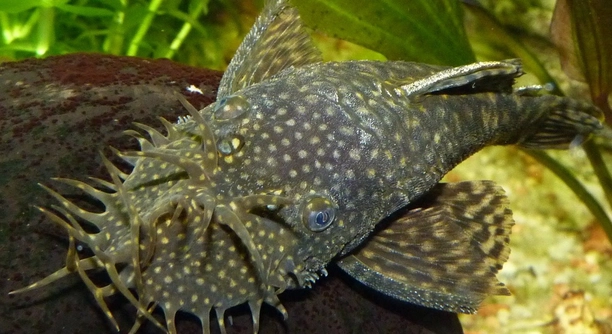
Keeping a pleco happy and healthy in your aquarium takes attention and care. Many fish owners enjoy their tank but often wonder how to make the environment calm and stress-free for their pleco.
Creating a peaceful pleco environment requires providing proper hiding spots, maintaining clean water with stable parameters, offering a balanced diet, and avoiding aggressive tank mates. Each factor directly contributes to the fish’s comfort, stress reduction, and overall well-being.
Proper care goes beyond feeding. Small changes in their habitat can make a big difference in their behavior and happiness over time.
Choosing the Right Tank Size
A pleco needs space to thrive. Keeping them in a tank that is too small can cause stress, poor growth, and health issues. Most common pleco species require at least a 30-gallon tank, but larger species may need 75 gallons or more. Adequate space allows for swimming, hiding, and exploring without feeling crowded. Providing a larger tank also helps maintain water quality because waste is less concentrated, reducing ammonia spikes. Plecos enjoy territories and need room for decorations, driftwood, and plants. A well-sized tank allows multiple hiding spots and areas for rest. Crowding can lead to aggression between fish and increase stress, which may result in illness. Tank size also influences how easy it is to maintain water parameters. Regular monitoring of temperature, pH, and ammonia is more effective in a tank with sufficient volume. Planning for the adult size of your pleco ensures long-term health and a peaceful environment.
Proper space helps prevent stress and promotes natural behavior, keeping your pleco calmer and healthier in the aquarium.
Making sure the tank is large enough is one of the simplest ways to support your pleco. When the fish can swim freely and find hiding places, it shows less aggression and spends more time exploring. A tank with sufficient room allows you to arrange driftwood, caves, and plants in a way that mimics a natural habitat. This not only keeps the fish active but also improves water quality by distributing waste more evenly. Overcrowding can lead to fights with other fish and increase susceptibility to disease. Large tanks also make regular maintenance easier, giving you more control over water parameters. Planning for the future size of your pleco ensures it will remain comfortable and stress-free for years. Investing in a spacious aquarium pays off in a healthier, more peaceful pleco.
Providing Proper Hiding Spots
Plecos are shy and nocturnal, so hiding spots are essential. Without them, they may feel threatened and hide constantly, stressing the fish.
Adding driftwood, caves, and plants gives plecos a sense of security. These spots allow them to rest during the day and reduce overall stress.
Hiding places should be varied in size and shape to fit different species and life stages. Driftwood not only offers shelter but also supports their diet by allowing biofilm and algae growth. Caves and ornaments create personal territories, which is important if you keep multiple plecos in one tank. Plants, whether real or artificial, add cover and contribute to a natural-feeling environment, making the fish feel safer. Position these items to leave open swimming areas while still providing retreat spaces. Watching your pleco gradually explore and choose its favorite spots can be rewarding and shows that the tank setup meets its needs. A well-structured tank encourages healthy, confident behavior and a calmer fish overall.
Maintaining Clean Water
Regular water changes are essential to keep a pleco healthy. Dirty water can stress them, leading to disease and poor behavior.
Cleaning the tank at least once a week helps remove uneaten food, waste, and harmful chemicals. Using a siphon to vacuum the substrate and changing 25–30% of the water keeps ammonia, nitrite, and nitrate levels safe. Testing the water frequently ensures stability in pH and hardness, which plecos prefer to be steady. Filters should be cleaned without removing beneficial bacteria. A consistent routine in water maintenance prevents sudden spikes in toxins and reduces stress. Plecos rely on clean water to breathe properly and to support their immune system, so investing time in regular maintenance is key to a peaceful environment.
A stable water environment also encourages natural behavior. Plecos will be more active, explore the tank, and spend less time hiding when water parameters are steady. Proper filtration, frequent testing, and partial water changes are simple yet effective steps to ensure long-term health.
Proper water care reduces the risk of fungal and bacterial infections. It helps the tank maintain a balanced ecosystem, which benefits other fish as well. Plecos are sensitive to sudden changes, so gradual adjustments in water temperature or chemistry are better than abrupt ones. Observing your fish daily can show early signs of stress or discomfort, allowing you to act before problems worsen. Clean water promotes better feeding, natural coloration, and overall vitality, creating a calmer and healthier tank environment that your pleco can thrive in.
Offering a Balanced Diet
A pleco needs more than just algae wafers to stay healthy. A varied diet supports growth, digestion, and immune health.
Include fresh vegetables like zucchini, cucumber, and spinach, alongside sinking pellets or wafers. Occasionally supplement with protein sources such as bloodworms or shrimp for omnivorous species. Rotating food prevents nutritional deficiencies and keeps the fish interested in feeding. Removing uneaten food promptly reduces waste buildup, helping maintain water quality.
Feeding should match the species’ size and activity level. Overfeeding can harm the tank environment and stress the fish. Plecos also benefit from driftwood in the tank, as some species consume it for fiber and digestion. Observing your pleco’s eating habits helps adjust portions, ensuring it gets enough nutrition without overloading the tank with leftover food. A consistent, balanced diet improves coloration, energy, and overall calmness.
Avoiding Aggressive Tank Mates
Plecos do best with peaceful fish. Aggressive or nippy species can stress them, causing hiding, poor appetite, or injury.
Choose tank mates that swim at different levels. Avoid territorial cichlids or fin-nipping tetras. Calm, community fish create a stable environment and let your pleco feel safe.
Regulating Lighting
Plecos are nocturnal and prefer dim lighting. Bright or constant light can stress them and disrupt natural behavior. Using subdued lights or hiding spots helps them feel secure and active during feeding times. Adjusting the light cycle supports natural rhythms and reduces stress in the aquarium.
Monitoring Temperature
Plecos thrive in stable, warm water. Sudden temperature swings can weaken their immune system and trigger illness. Keeping the tank within the recommended range for the species ensures comfort, encourages activity, and supports overall health. Regular checks and a reliable heater prevent harmful fluctuations.
FAQ
How often should I clean my pleco’s tank?
Cleaning should be done weekly with partial water changes of 25–30%. Use a siphon to remove debris from the substrate, and rinse filter media in tank water to avoid killing beneficial bacteria. Frequent water testing ensures stable pH, ammonia, and nitrate levels.
What is the best diet for a pleco?
Plecos need a varied diet. Include algae wafers, fresh vegetables like zucchini or spinach, and occasional protein treats such as bloodworms or shrimp. Some species benefit from driftwood, which helps with digestion. Avoid overfeeding to prevent water quality issues.
How many hiding spots does a pleco need?
A few well-placed caves, driftwood, and plants are sufficient. Plecos like to have options for daytime hiding. Providing variety helps them feel secure and reduces stress, especially if multiple plecos are in one tank.
Can plecos live with other fish?
Yes, with peaceful species. Avoid aggressive or fin-nipping fish. Community fish that occupy different levels of the tank are ideal. Monitoring behavior helps ensure compatibility and keeps your pleco safe and calm.
How much light should a pleco have?
Plecos are nocturnal and prefer dim lighting. Bright light or constant exposure can stress them. Use subdued lighting or provide shaded areas, allowing them to rest during the day and become active at night.
What is the ideal temperature for a pleco?
Most plecos thrive in water between 72–82°F (22–28°C), depending on the species. Sudden temperature changes can weaken their immune system. A stable heater and regular monitoring are essential to prevent illness.
How big should the tank be?
Tank size depends on the pleco species. Small plecos may be comfortable in 30 gallons, while larger species require 75 gallons or more. Adequate space allows swimming, hiding, and exploring, which reduces stress and promotes natural behavior.
How do I know if my pleco is stressed?
Signs of stress include hiding constantly, refusing food, fading coloration, and unusual swimming patterns. Monitoring water quality, tank mates, and diet helps prevent stress. Adjustments in hiding spots, lighting, or feeding can improve well-being.
Do plecos need driftwood?
Some species, especially herbivorous ones, benefit from driftwood. It aids digestion, provides natural grazing surfaces, and offers hiding areas. Including driftwood in the tank supports both diet and comfort.
Can I keep multiple plecos together?
Yes, if the tank is large and has enough hiding spots. Territorial behavior can occur if space is limited, so provide caves and driftwood for each fish to reduce conflicts.
How often should I feed my pleco?
Feed small portions once or twice daily. Remove uneaten food after a few hours to prevent water pollution. Observing your pleco’s appetite helps adjust feeding amounts appropriately.
Are plecos compatible with plants?
Yes, but some species may nibble on soft-leaved plants. Choose hardy plants or position them in areas less accessible. Plants provide cover and help mimic a natural environment, reducing stress and encouraging natural behaviors.
How can I improve pleco activity in the tank?
Provide dim lighting, hiding spots, and a varied diet. Plecos are more active at night, so feeding in the evening encourages movement. A stable and clean environment helps them feel secure enough to explore.
What should I do if my pleco becomes sick?
Quarantine the fish if possible. Check water quality, diet, and tank mates. Identify symptoms, then consult a veterinarian or trusted aquarium source for treatment. Prompt action reduces stress and prevents illness from spreading.
How long do plecos live?
With proper care, plecos can live 10–15 years or longer, depending on species. Maintaining clean water, a balanced diet, appropriate tank size, and peaceful conditions supports longevity and a calm environment.
Can plecos survive in small tanks temporarily?
While they can survive for short periods, small tanks increase stress, limit movement, and degrade water quality. Long-term health requires sufficient space tailored to adult size. Planning ahead prevents chronic stress and supports overall well-being.
Is it necessary to test the water regularly?
Yes, testing ensures ammonia, nitrite, nitrate, and pH levels remain safe. Plecos are sensitive to sudden changes, so monitoring water allows early adjustments and prevents stress-related health issues. Regular testing is an essential part of tank maintenance.
What decorations are best for plecos?
Driftwood, caves, and plants are ideal. They provide hiding spots, grazing surfaces, and territory boundaries. Avoid sharp or rough decorations that could injure the fish. A simple, natural setup encourages natural behavior and reduces stress.
How do I encourage plecos to eat vegetables?
Blanch vegetables like zucchini, cucumber, or spinach to soften them. Pin them to a clip or sinking feeder so they stay in place. Rotate vegetables with algae wafers or protein treats to maintain interest and proper nutrition.
How can I reduce pleco aggression?
Provide sufficient hiding spots and space. Avoid overcrowding and keep compatible tank mates. Plecos are territorial if space is limited, so adding caves, driftwood, and plants can prevent conflicts and create a peaceful environment.
Can plecos survive in cold water?
Most plecos are tropical and do not tolerate cold water. Temperatures below 70°F (21°C) can weaken their immune system. Using a heater and monitoring daily ensures the tank remains within a safe range.
Is it normal for plecos to hide most of the day?
Yes, plecos are nocturnal and naturally shy. Hiding during daylight hours is normal behavior. Ensuring they have secure hiding spots and dim lighting helps them feel comfortable and encourages healthy nighttime activity.
Do plecos need supplements or vitamins?
A varied diet with vegetables, algae wafers, and occasional protein treats usually provides sufficient nutrients. Some keepers add mineral supplements or driftwood for fiber, but most plecos thrive with a balanced, natural diet.
How often should I check filter function?
Daily observation ensures water is flowing correctly and debris is not clogging the system. Clean or rinse filter components in tank water as needed to maintain efficiency and avoid disrupting beneficial bacteria.
Can plecos coexist with shrimp or snails?
Many plecos do coexist with shrimp and snails, but large plecos may eat smaller species. Providing plenty of hiding spots for invertebrates reduces risk and maintains a peaceful tank environment.
What is the best substrate for plecos?
Sand or smooth gravel works well. Rough or sharp substrate can injure the pleco’s mouth or fins. A soft substrate also makes cleaning easier and supports natural digging behavior.
How do I handle pleco stress during tank changes?
Introduce changes gradually. Avoid sudden water parameter shifts and add new decorations slowly. Monitoring behavior and providing hiding spots helps plecos adjust without prolonged stress.
Can plecos eat regular fish food?
They can eat sinking pellets or flakes, but a varied diet is better. Vegetables, algae wafers, and occasional protein sources provide essential nutrients missing in standard fish food. Overreliance on flakes can lead to deficiencies.
How long can plecos go without food?
Healthy adult plecos can survive several days without food, but frequent feeding is recommended. Extended fasting can stress the fish and impact growth, especially in younger plecos.
Are plecos territorial?
Some species can be territorial, especially larger ones. Providing multiple hiding spots, adequate space, and careful selection of tank mates reduces aggression and promotes a calm environment.
Do plecos need a specific pH range?
Yes, most plecos prefer a pH between 6.5 and 7.5. Sudden fluctuations can stress them. Regular testing and slow adjustments keep the water stable and support health.
Can plecos live alone?
Yes, plecos can thrive alone if the tank meets size and environmental needs. While they can coexist with other fish, solitary living is possible and often reduces territorial conflicts.
How do I introduce a new pleco to my tank?
Quarantine the new fish first. Introduce it gradually to prevent stress and territorial disputes. Provide plenty of hiding spots and monitor interactions carefully during the first days to ensure harmony.
What is the best water hardness for plecos?
Most plecos prefer moderately soft to slightly hard water. Extreme hardness or softness can cause stress. Testing and adjusting water helps maintain suitable conditions.
How often should I observe my pleco?
Daily observation allows early detection of illness, stress, or environmental issues. Noticing changes in behavior, coloration, or appetite helps prevent long-term problems and ensures the fish remains healthy.
Do plecos need aeration?
Good water circulation and oxygenation are important. Filters usually provide adequate aeration, but additional air stones may help in densely stocked tanks or during warmer months.
How do I prevent algae overgrowth?
Control feeding, maintain water quality, and limit direct sunlight. While plecos eat algae, too much can indicate imbalance. Regular maintenance keeps growth manageable and the tank healthy.
What signs indicate pleco illness?
Loss of appetite, faded color, lethargy, unusual swimming, or spots on the body can indicate illness. Early detection through observation and water checks improves treatment outcomes.
Can plecos recognize their owner?
Plecos may respond to movement near the tank, especially during feeding. While not social in the traditional sense, they learn routines and show familiarity with their environment.
Is it necessary to cover the tank?
A lid prevents plecos from jumping and helps maintain temperature and humidity. It also keeps other pets or debris from entering the tank.
How do I acclimate a pleco to a new tank?
Float the bag in the tank to equalize temperature. Gradually mix tank water into the bag over 30–60 minutes. Then gently release the pleco to reduce stress and support adjustment.
Do plecos need a quarantine period for illness?
Yes, isolating sick fish prevents disease spread. Quarantine allows treatment without affecting the main tank and reduces stress for other fish.
How do I encourage algae growth for feeding?
Provide indirect light and a few surfaces for algae to grow, like rocks or driftwood. A small, balanced amount ensures food availability without overwhelming the tank.
Can plecos tolerate brackish water?
Some species tolerate slightly brackish conditions, but most are freshwater. Research your species before altering water parameters to avoid stress and health issues.
How do I prevent plecos from damaging decorations?
Use smooth or sturdy decorations. Avoid sharp or fragile items. Some plecos may nibble on driftwood, which is natural, but other decorations should be chosen carefully.
Are plecos active during the day?
Most are nocturnal and hide during daylight. Dim lighting and shaded areas allow them to rest, emerging mostly in the evening for feeding and exploration.
Can plecos survive without algae in the tank?
Yes, if their diet is supplemented with vegetables and algae wafers. They naturally graze on biofilm and algae, but a proper diet can fully replace it.
How long do plecos need to adjust to a new tank?
Adjustment can take several days to a few weeks. Providing hiding spots, stable water conditions, and minimal disturbances helps them settle comfortably.
Do plecos need special lighting for plant growth?
Not specifically for plecos, but live plants may need moderate lighting. Plecos prefer dim areas, so balancing plant needs with hiding spots ensures both thrive.
Can plecos reproduce in home aquariums?
Some species can, but conditions must closely mimic natural habitats. Providing caves, stable water parameters, and proper diet supports breeding behavior.
What is the most common stress factor for plecos?
Overcrowding, aggressive tank mates, sudden water changes, and lack of hiding spots are the main stress factors. Addressing these creates a peaceful environment.
How do I remove uneaten food safely?
Use a siphon or net to remove leftovers promptly. This prevents decay, maintains water quality, and reduces stress for the pleco.
Do plecos need live plants or artificial plants?
Both work, but live plants offer natural cover and water quality benefits. Artificial plants are low maintenance and still provide hiding spots.
Can plecos live in a tank with goldfish?
Goldfish and plecos have different temperature needs. Goldfish prefer cooler water, while plecos need warmer, tropical conditions. Long-term compatibility is challenging.
How do I encourage natural grazing behavior?
Provide driftwood, algae-covered surfaces, and occasional vegetables. Plecos naturally scrape surfaces for food, which supports digestion and activity.
Are plecos nocturnal?
Yes, they are mostly active at night. Hiding during the day is normal and helps them feel secure. Feeding in the evening aligns with their natural rhythm.
Do plecos need routine check-ups?
Regular observation and water testing act as informal check-ups. Catching issues early prevents serious health problems and maintains a peaceful tank environment.
Can plecos live in a planted tank?
Yes, they enjoy plants for hiding and grazing. Choosing hardy plants prevents damage from nibbling and keeps the tank balanced.
How do I prevent plecos from fighting?
Provide multiple hiding spots, sufficient space, and calm tank mates. Avoid overcrowding and monitor behavior, separating fish if conflicts persist.
What type of filter is best for plecos?
Strong filters that maintain clean water without creating excessive current work best. Canister or hang-on-back filters are common choices for large tanks.
Do plecos need aeration at night?
Adequate oxygen is important 24/7. While filters usually provide enough, additional air stones can help in densely stocked tanks or during warmer months.
How do I encourage plecos to explore the tank?
Offer varied decorations, hide food in different areas, and keep the tank clean. A stable, safe environment encourages natural movement.
What’s the best way to introduce new decorations?
Add items gradually to prevent stress. Rearrange hiding spots slowly and ensure no sharp edges that could injure the pleco.
How can I tell if my pleco is happy?
Active feeding, normal coloration, natural grazing, and relaxed swimming are good signs. Consistent behavior and exploring the tank indicate comfort.
Do plecos need supplemental calcium?
Some species benefit from driftwood or calcium-rich foods. It supports growth, health, and proper bone development without overcomplicating their diet.
Can plecos tolerate tap water?
Treated tap water is usually fine if chlorine and chloramine are removed. Testing for hardness, pH, and nitrates ensures safe conditions.
How do I maintain tank stability during power outages?
Use a backup battery or aeration system if possible. Keep the lid on to retain heat, and avoid unnecessary disturbances to reduce stress.
Is pleco behavior different in community tanks?
Yes, they may hide more or compete for hiding spots. Providing sufficient space and hiding areas allows them to coexist peacefully.
Do plecos need a special tank lid?
A secure lid prevents jumping and helps maintain temperature. Plecos are strong but can escape if the tank is uncovered.
How often should I observe feeding behavior?
Daily observation ensures the pleco is eating well and identifies any changes in appetite that could indicate stress or illness.
What are the most common mistakes new pleco owners make?
Small tanks, insufficient hiding spots, poor diet, aggressive tank mates, and inconsistent water maintenance are frequent errors. Avoiding these keeps plecos healthy and calm.
How do I acclimate a pleco to new water conditions?
Gradually mix tank water with the transport water over 30–60 minutes. Slowly releasing the fish prevents shock and reduces stress.
Do plecos enjoy drifting water?
They tolerate gentle flow well, which simulates natural habitats. Strong currents may cause stress, so moderate water movement is ideal.
Can plecos live without a filter?
Technically possible in very small, well-maintained setups, but filters are strongly recommended. They help maintain clean water and reduce stress.
How do I tell the difference between species?
Check size, body shape, color patterns, fin shape, and behavior. Researching species-specific care ensures proper tank setup and diet.
Can plecos be stressed by noise or vibrations?
Yes, excessive noise, tapping, or vibrations can frighten them. A stable, calm environment helps them feel secure and reduces hiding behavior.
What is the recommended tank setup for multiple plecos?
Provide a large tank with multiple hiding spots, driftwood, caves, and plenty of swimming space. Space and shelter reduce territorial aggression and stress.
How do I encourage plecos to reproduce?
Offer caves, stable water parameters, and high-quality diet. Providing conditions similar to natural habitats stimulates breeding behavior.
Do plecos need UV sterilizers?
Not required but can help control free-floating algae and pathogens. Proper maintenance and water quality are usually sufficient for healthy plecos.
Can plecos tolerate low light conditions?
Yes, they prefer dim lighting. Low light reduces stress and encourages natural nocturnal activity.
How do I reduce algae in a pleco tank?
Control feeding, maintain water quality, and avoid excess light. Plecos will consume some algae, but balance is necessary to prevent overgrowth.
What is the best way to transport a pleco?
Use a secure, water-filled container with aeration if possible. Minimize movement, and maintain temperature stability during transit to reduce stress.
Do plecos need gravel or sand substrate?
Sand or smooth gravel is preferred. Avoid rough substrate that can injure the fish. Soft substrate also supports natural digging and grazing behavior.
How long should plecos be quarantined?
Two to four weeks is common. Quarantine prevents disease spread and allows observation before introducing them to the main tank.
Can plecos coexist with bettas?
Generally yes, if space is sufficient and hiding spots are provided. Monitor interactions, as some bettas may be territorial.
Do plecos require special lighting for activity?
No, they prefer dim lighting. Natural behavior occurs mostly at night, so bright lights should be limited or shaded areas provided.
How do I maintain proper pH for plecos?
Test regularly and use water conditioners or buffering agents as needed. Stable pH is critical for health and reduces stress.
Are plecos sensitive to chemicals in tap water?
Yes, chlorine and chloramine are harmful. Use proper water treatment before adding water to the tank to ensure safety.
How do I manage pleco waste?
Regular siphoning of substrate, proper filtration, and monitoring feeding reduces excess waste buildup. Clean water supports health and peaceful behavior.
Can plecos live with other bottom dwellers?
Yes, if there is enough space
Final Thoughts
Caring for a pleco requires attention to its environment, diet, and daily habits. A peaceful and healthy tank starts with proper planning. Choosing the right tank size is the foundation for success. Too small a tank can cause stress, limit swimming space, and make water maintenance harder. Larger tanks give plecos room to explore, establish territories, and reduce conflicts with other fish. Providing enough space also allows for proper filtration and water circulation, which are essential for keeping the water clean and safe. Regular monitoring of temperature, pH, and other parameters ensures the fish remain comfortable.
Hiding spots and decorations are equally important. Plecos are naturally shy and nocturnal, so they need places to rest during the day. Driftwood, caves, and plants provide both shelter and natural grazing surfaces. Arranging these items thoughtfully helps reduce stress and encourages natural behavior. At the same time, providing varied decorations gives multiple options for the fish to claim as their own territory, especially if you have more than one pleco. Balanced lighting also plays a role in creating a calm environment. Subdued or shaded areas make plecos feel secure, while dim lighting encourages them to be active during feeding times.
Diet, water quality, and tank companions all work together to support a peaceful environment. Plecos need a varied diet of vegetables, algae wafers, and occasional protein treats to remain healthy. Overfeeding should be avoided to prevent waste buildup, which can affect water quality and cause stress. Regular water changes, cleaning the substrate, and proper filtration are essential to maintain safe water conditions. Choosing calm, compatible tank mates prevents bullying and allows your pleco to feel secure. By paying attention to these factors, you can ensure your pleco stays healthy, comfortable, and active. Creating a well-maintained, balanced, and thoughtful environment is the key to enjoying the presence of a happy pleco in your aquarium for years to come.

Hello,
If you enjoy the content that we create, please consider saying a "Thank You!" by leaving a tip.
Every little bit helps us continue crafting quality advice that supports the health, happiness, and well-being of pets around the world, for pets of all shapes, sizes, and species.
We really appreciate the kindness and support that you show us!