
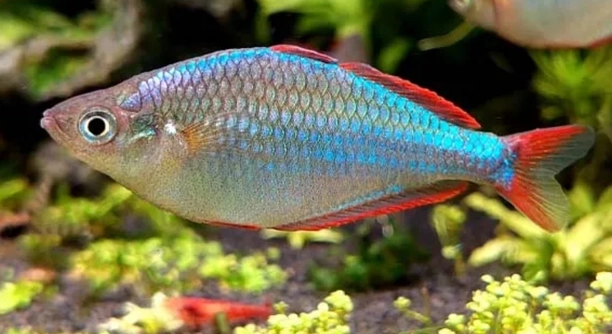
Rainbow fish are known for their vibrant colors and active nature. Their beauty often captivates fish enthusiasts, leading many to wonder about their social behaviors, particularly whether they engage in any display behaviors for one another.
Rainbow fish do display certain behaviors that may seem like “showing off” to other fish. These include flashing their vibrant colors, swimming in intricate patterns, and engaging in territorial displays, all of which help them attract mates or assert dominance.
Understanding their behavior can provide valuable insights into their social dynamics. These actions play a key role in maintaining the balance within their aquatic communities.
Why Rainbow Fish Show Off Their Colors
Rainbow fish are known for their bright and captivating colors. These hues are not just for looks; they play a significant role in attracting mates and establishing dominance. The vibrant colors often intensify during breeding seasons, signaling readiness to reproduce. The fish use their colors to communicate with one another, and these displays are especially important in competitive environments where resources like food or space are limited.
While these colors are often associated with mating, rainbow fish also use their flashy displays to assert their presence in the area. This act of “showing off” helps maintain territory and reduce aggression from other fish. By showcasing their colors, the fish can demonstrate their strength and vitality without engaging in actual physical conflict. It’s a way for them to avoid dangerous confrontations while still making sure their place in the community is clear.
The way rainbow fish use color shows their adaptability to their surroundings. This form of communication is not just about beauty; it’s a key part of survival. By understanding this behavior, we gain insight into how their social structure works.
How These Displays Impact Their Relationships
When rainbow fish display their colors, it’s more than just a show. These actions can affect their social structure and hierarchy within the group. Fish that manage to display their colors more brightly or frequently often gain an advantage over others.
The intensity of their display also indicates health and genetic strength, making it a crucial aspect of their social interactions. Fish with more vibrant colors are often seen as more desirable mates and stronger competitors.
The Role of Social Hierarchy
Rainbow fish rely heavily on their social hierarchy to maintain order within their group. This hierarchy is shaped by their displays of color and behavior, with dominant fish often exhibiting brighter colors to assert their status. The stronger fish claim the best territories, ensuring access to food and breeding partners.
As fish display their colors, they are constantly assessing one another’s strength and positioning within the group. Fish that consistently show off their colors tend to establish their dominance, while others may adapt by altering their displays or retreating to less competitive areas. This ongoing interaction helps maintain balance and structure.
Interestingly, these social structures help prevent conflicts by providing a clear understanding of each fish’s role. Instead of constant physical altercations, the fish rely on their color displays to establish dominance or retreat gracefully. This behavior keeps the group peaceful and ensures the survival of the fittest without unnecessary violence.
Mating Rituals and Color Displays
Mating season brings out the most intense color displays in rainbow fish. During this time, the males’ vibrant colors intensify as they attempt to attract females. The females, in turn, are drawn to the brightest and most striking males, often indicating that they are in optimal health.
The display is not only about colors but also involves swimming patterns and body movements that signal readiness to mate. The male’s ability to stand out among the others is key to winning the female’s attention. This interaction is crucial for the fish’s reproductive success and continuation of their species.
The Influence of Environment
The environment plays a significant role in how rainbow fish display their colors. When in darker or murkier waters, their colors may be less vivid. Clear, well-lit environments allow them to show off their full range of colors, which helps in attracting mates and asserting dominance.
The lighting and clarity of the water directly affect the fish’s ability to display their colors. In an aquarium setting, keeping the water clean and ensuring proper lighting can enhance the vibrancy of their displays. It’s a good idea to recreate a natural habitat to get the best visual results from these fish.
Providing a natural environment with plenty of hiding spots also helps the fish feel secure. This balance allows them to express their full range of behaviors without stress, leading to healthier fish that can thrive in both social and mating situations.
Interactions with Other Species
Rainbow fish may also interact with other species in the same habitat. Their displays of color can serve as a way to communicate not just with each other, but with other fish species. By showing off, they may establish territory or avoid competition for resources.
In some cases, other species may be drawn to the vibrant colors, leading to peaceful coexistence or even cooperative behavior. However, in competitive environments, these displays can act as warnings to potential rivals, signaling the rainbow fish’s dominance in the area.
FAQ
Do rainbow fish only show off during mating season?
Rainbow fish do display their colors more intensively during mating season, but they also use these colors outside of breeding time. Bright colors serve to establish dominance and communicate with other fish in the area, whether for territorial reasons or social interactions. Even when not mating, rainbow fish rely on their colors to signal their status.
How can I tell if my rainbow fish are stressed?
Stressed rainbow fish often show duller colors. Their behavior may also change, such as hiding more frequently, staying in one spot for long periods, or not interacting as actively with other fish. Stress can be caused by various factors, including poor water quality, inappropriate tank mates, or overcrowding. Keeping the water clean and ensuring a proper balance of fish in the tank can help reduce stress.
Do rainbow fish need a lot of space to display their colors?
Yes, rainbow fish benefit from having enough space to express their full range of behaviors. In a small, overcrowded tank, their displays may be limited as they can feel threatened or confined. Providing ample swimming space encourages the fish to show off their colors and engage in their natural behaviors. Larger tanks also allow them to establish territories, reducing competition among fish.
Can rainbow fish live with other species in the same tank?
Rainbow fish can coexist with many other species, as long as the tank mates are peaceful. It’s important to avoid aggressive species that might intimidate or outcompete the rainbow fish for food and space. Popular tank mates include tetras, corydoras, and other peaceful community fish. However, ensuring that all species share similar water temperature and pH preferences is essential for a healthy tank environment.
Why do my rainbow fish swim in circles?
Swimming in circles can be a sign of excitement or courtship behavior, especially when they are displaying for a mate. However, if the behavior becomes excessive or constant, it may indicate stress or discomfort. It’s important to observe whether the fish are engaging in this behavior as part of normal social interaction or if there are other signs of distress, such as reduced appetite or color fading.
Can rainbow fish be kept in smaller aquariums?
Rainbow fish are best suited for larger tanks, especially when kept in groups. A minimum of 30 gallons is recommended for a small group, as this allows them to swim freely and display their natural behaviors. Smaller tanks can cause stress due to overcrowding, which can impact their health and coloration.
How often should I feed my rainbow fish to keep their colors bright?
Feeding rainbow fish a varied diet can help maintain their health and vibrant colors. Offer them a combination of high-quality flake food, live or frozen food such as brine shrimp or daphnia, and vegetable matter like spirulina. Feeding them two to three times a day in small portions ensures they get the nutrients they need without overfeeding, which could lead to water quality issues.
Are rainbow fish easy to care for?
Rainbow fish are relatively easy to care for compared to other species, making them a good choice for both beginner and experienced aquarists. They are hardy and adaptable, but they do require clean water, a balanced diet, and a peaceful environment. Ensuring that they have enough space and proper tank conditions will help them thrive.
Why do rainbow fish sometimes change color?
Rainbow fish are known to change the intensity of their colors based on their mood, health, and environmental conditions. For example, they may appear brighter during mating displays or when feeling particularly healthy. Conversely, their colors may dull in response to stress, illness, or poor water quality. This adaptability is part of their natural behavior to communicate and survive in various environments.
Can rainbow fish breed in a community tank?
Yes, rainbow fish can breed in a community tank if the conditions are right. For successful breeding, you need to provide the right environment with stable water conditions, proper tank mates, and a varied diet. While breeding in a community tank is possible, you may want to separate the fish into a breeding tank to protect the eggs from being eaten by other species.
Final Thoughts
Rainbow fish are fascinating creatures, not just because of their vibrant colors, but also because of the behaviors tied to these colors. The way they use their bright hues for communication, mating, and establishing dominance highlights their adaptability and the importance of their social structures. Their colorful displays serve as a key part of their survival strategy, ensuring they attract mates, avoid unnecessary conflicts, and maintain their place within the group. Understanding this aspect of rainbow fish behavior gives us a better appreciation for the complexity of their social interactions and their environment.
When it comes to keeping rainbow fish in an aquarium, providing the right conditions is crucial. A well-maintained tank, with clean water, appropriate tank mates, and plenty of space, helps the fish feel secure enough to express their full range of colors. Stress-free environments encourage rainbow fish to display their natural behaviors, leading to healthier fish and more vibrant displays. Ensuring the proper care not only promotes the fish’s health but also enhances the beauty of your aquarium, making them a captivating addition to any tank.
Overall, rainbow fish are relatively easy to care for but require attention to their needs for space, water quality, and diet. With the right setup, these fish can thrive and provide years of enjoyment. Their social behavior and impressive displays are just some of the reasons why they make such interesting pets. Their ability to adapt to different environments and communicate through their colors shows how much there is to learn from observing their interactions.

Hello,
If you enjoy the content that we create, please consider saying a "Thank You!" by leaving a tip.
Every little bit helps us continue crafting quality advice that supports the health, happiness, and well-being of pets around the world, for pets of all shapes, sizes, and species.
We really appreciate the kindness and support that you show us!