
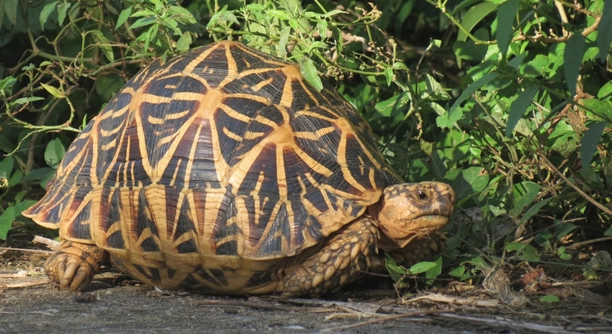
Indian Star Tortoises are popular pets due to their unique appearance and gentle nature. If you’re considering keeping one, it’s important to know how long these fascinating creatures live in captivity.
In captivity, the average lifespan of an Indian Star Tortoise ranges from 30 to 50 years, with proper care potentially extending their life beyond 50 years. Ensuring a healthy diet, appropriate habitat, and veterinary care are key factors.
Taking proper care of your Indian Star Tortoise can greatly influence its life expectancy. Knowing the factors that contribute to their long-term health is essential for providing them with the best environment.
Factors That Impact the Lifespan of an Indian Star Tortoise
The lifespan of an Indian Star Tortoise in captivity depends on several factors. One of the most important is their diet. A proper diet, rich in fiber and low in protein, is essential for their health. They thrive on a mix of grasses, leafy greens, and some fruits. Overfeeding or offering improper food can lead to obesity and health problems. In addition, the size of the enclosure is a significant factor. A tortoise needs space to roam and exercise, which helps maintain a healthy weight and strengthens its bones. Proper lighting and temperature also play a role. Indian Star Tortoises need access to UVB light to help with calcium absorption, and they require a basking area where they can warm themselves. Keeping these factors in balance will ensure your tortoise lives a long and healthy life.
Their lifespan can also be influenced by the environment. Keeping your tortoise in a clean, safe, and stress-free environment is vital. Regular monitoring of their habitat and behaviors can help catch any potential problems early.
Providing regular health check-ups can prevent diseases and help your tortoise stay in good condition. It’s also crucial to keep a routine for cleaning and disinfecting their living space.
Common Health Concerns for Indian Star Tortoises
In captivity, Indian Star Tortoises can face health issues such as respiratory infections and shell problems. Respiratory infections are often caused by an improper temperature or humidity level in the enclosure. Signs include nasal discharge and labored breathing. Keeping their environment clean and ensuring proper ventilation can prevent these infections. Shell problems, such as shell rot, may occur if they are exposed to too much moisture or a dirty habitat. Regular inspection of their shell is important to catch these issues early.
Keeping their habitat conditions stable and offering a proper diet can go a long way in preventing these health concerns. When issues arise, swift attention from a veterinarian is key to ensuring recovery.
The Role of Temperature and Lighting
Temperature and lighting are key to the health and lifespan of an Indian Star Tortoise. They need a basking area to regulate their body temperature. Too cold, and they can become lethargic and prone to illness; too hot, and they can become stressed. Ensuring proper lighting, including UVB light, is vital for their calcium metabolism.
Maintaining a temperature range between 85°F and 95°F during the day is ideal for these tortoises. At night, the temperature can drop to around 70°F. A basking lamp should be used to create a warm spot, where the tortoise can regulate its body temperature. UVB light is also necessary to help them process calcium, which keeps their shell strong and prevents bone diseases. Without it, they may develop serious health problems like metabolic bone disease.
It’s important to monitor the temperature regularly. Using a thermometer ensures that the heat is consistent and within the proper range. Keep an eye on humidity levels as well. Too much moisture can lead to respiratory issues, while low humidity can cause dehydration.
Providing the Right Diet
Indian Star Tortoises need a balanced diet to live long and healthy lives. Their diet should consist of a variety of leafy greens, grasses, and some fruits. Overfeeding on high-protein foods like animal products can lead to kidney issues.
A varied diet, rich in fiber, is essential to avoid digestive problems. Leafy greens such as dandelion greens, collard greens, and kale provide important nutrients. Additionally, offering grasses and plants like clover or timothy hay helps with digestion. Fruits like papaya or melon can be given in moderation as treats. Avoid feeding them high-protein foods like meats, as this can cause kidney strain over time.
In addition to a proper diet, it’s important to provide access to clean, fresh water at all times. This helps with digestion and overall hydration. Adding calcium supplements can help maintain their shell and bone health.
Importance of Space for Exercise
Providing ample space for exercise is crucial for an Indian Star Tortoise’s health. A cramped enclosure can lead to physical issues such as obesity and poor shell development. Ensuring they have enough room to roam will help them stay active and fit.
The more space they have, the more opportunities they have for natural behaviors. A larger enclosure encourages walking and exploration, which helps keep them physically healthy. A spacious habitat also supports their mental well-being, reducing stress and increasing their overall happiness. It’s important to give them enough space to move freely and engage in natural movements.
Monitoring for Signs of Stress
Stress is harmful to Indian Star Tortoises, and it can shorten their lifespan. Common signs of stress include hiding, loss of appetite, and aggressive behavior. Keeping their environment calm and comfortable can help them thrive.
Stress can be caused by several factors like loud noises, overcrowding, or sudden temperature changes. If you notice signs of stress, it’s essential to address the issue quickly to prevent long-term health problems. Creating a peaceful and stable environment is key to reducing stress and ensuring their well-being.
Regular Vet Check-ups
Regular check-ups with a reptile vet can help identify health issues early on. Indian Star Tortoises should be examined at least once a year to monitor their overall health. A vet will check their shell, skin, and eyes, ensuring they are free from parasites or infections.
Veterinary visits are also crucial for monitoring any potential dietary or environmental deficiencies. Early intervention can prevent minor issues from becoming major health concerns. Additionally, a vet can provide advice on diet, habitat, and general care to keep your tortoise in the best possible health.
FAQ
How long do Indian Star Tortoises live in captivity?
Indian Star Tortoises can live for 30 to 50 years in captivity, with proper care. Some individuals may even live longer, reaching 60 years or more. A healthy diet, proper habitat, and regular veterinary care all play important roles in extending their lifespan.
What kind of habitat do Indian Star Tortoises need?
Indian Star Tortoises need a spacious enclosure with both a basking area and a cooler area. The basking spot should be around 90°F to 95°F, while the cooler side should be about 70°F to 75°F. Their enclosure should have plenty of hiding spots, a shallow water dish, and easy access to fresh food. It’s also important to ensure the habitat has proper ventilation to avoid excess humidity and mold buildup.
Can I keep more than one Indian Star Tortoise together?
It is possible to house multiple Indian Star Tortoises together, but it’s important to monitor their interactions. These tortoises can be territorial, and if overcrowded, they may become aggressive. It’s recommended to keep males and females together, as males may fight with each other. If you choose to house more than one, make sure the enclosure is large enough to provide enough space for each tortoise to have its own territory.
What should I feed my Indian Star Tortoise?
An Indian Star Tortoise’s diet should consist of a variety of leafy greens, grasses, and some fruits. Foods like dandelion greens, collard greens, clover, and timothy hay are good choices. Occasionally, you can offer small amounts of fruit like papaya or melon as treats. Avoid high-protein foods, especially animal products, as these can lead to kidney problems.
How often should I feed my Indian Star Tortoise?
You should feed your Indian Star Tortoise daily, but the amount can vary depending on their age and size. Younger tortoises need more food and can be fed more often. As they age, the feeding frequency can be reduced to every other day or as needed, ensuring they are maintaining a healthy weight.
Do Indian Star Tortoises need supplements?
Yes, Indian Star Tortoises require calcium supplements, particularly for their shells and bones. A calcium supplement with added vitamin D3 should be sprinkled on their food a few times a week. Providing UVB light also helps with calcium absorption, so it’s crucial to ensure that they are getting adequate exposure.
How can I tell if my tortoise is stressed?
Signs of stress in an Indian Star Tortoise include loss of appetite, hiding for long periods, rapid breathing, and aggression. If you notice any of these signs, consider adjusting their environment. Stress can be caused by improper temperature, humidity, or overcrowding. Ensure that your tortoise’s habitat is calm, clean, and appropriately sized.
Can I let my Indian Star Tortoise roam outside?
Yes, Indian Star Tortoises can enjoy outdoor time, but it’s important to ensure their safety. The environment should be secure, free of predators, and have a safe temperature range. Make sure the area is free from toxic plants or chemicals. You should supervise them while outside and never leave them unattended.
How do I prevent shell rot in my Indian Star Tortoise?
Shell rot can be prevented by maintaining a clean and dry habitat. Ensure that your tortoise’s enclosure is not overly humid and that their shell stays dry. Regularly clean the enclosure, remove waste, and disinfect the area. If your tortoise gets wet, make sure they are dried off properly.
What are common health problems in Indian Star Tortoises?
Common health problems in Indian Star Tortoises include respiratory infections, shell rot, and metabolic bone disease. Respiratory infections are often caused by improper temperature or humidity. Shell rot occurs when the tortoise is exposed to excessive moisture. Metabolic bone disease is linked to a lack of UVB light and calcium. Regular veterinary check-ups and proper care can help prevent these issues.
How do I handle my Indian Star Tortoise?
Indian Star Tortoises don’t need constant handling and can become stressed if picked up too often. When you do handle them, make sure to support their body and avoid holding them by their shell. Always handle them gently and for short periods, ensuring they feel secure.
Do Indian Star Tortoises need UVB light?
Yes, UVB light is essential for an Indian Star Tortoise’s health. It helps them metabolize calcium and prevents diseases like metabolic bone disease. Ensure that they have access to UVB light for 10 to 12 hours a day. If you keep them indoors, you will need to provide artificial UVB light.
How can I tell if my Indian Star Tortoise is healthy?
A healthy Indian Star Tortoise should have clear, bright eyes, a clean shell, and active movement. They should have a good appetite and a consistent eating pattern. Their shell should be smooth without any soft spots, and they should not show any signs of illness like nasal discharge or labored breathing.
Are Indian Star Tortoises good pets for beginners?
Indian Star Tortoises can be good pets for beginners, as long as you are willing to commit to their long-term care. They require proper habitat, a balanced diet, and regular attention. If you’re ready to provide these needs, an Indian Star Tortoise can be a rewarding pet that will live for many years.
Final Thoughts
Caring for an Indian Star Tortoise can be a rewarding experience, but it comes with responsibilities. These tortoises can live for decades, making them a long-term commitment. The key to ensuring they live a long, healthy life is providing the right environment, diet, and care. Regular monitoring of their habitat, temperature, and health is essential for preventing common issues like respiratory infections or shell rot. With the right conditions, an Indian Star Tortoise can thrive and even outlive its owner.
While they may seem low-maintenance at first glance, Indian Star Tortoises do need space, proper lighting, and consistent care. Their diet plays a crucial role in their health. Offering a variety of leafy greens, grasses, and limited fruits will keep them well-nourished. Avoiding overfeeding or feeding them high-protein foods will prevent many health problems. Additionally, calcium supplements and UVB light help maintain their bone and shell health. It’s important to stay consistent with their care routine and adjust it as they grow.
As with any pet, it’s crucial to stay informed about the needs of your Indian Star Tortoise. Veterinary visits, especially during the first few years, will ensure that they are growing well and staying healthy. Stress, caused by improper habitat conditions or overcrowding, can also shorten their lifespan, so it’s important to keep their environment as stress-free as possible. By staying proactive in providing the right care, your Indian Star Tortoise can live a fulfilling life.

Hello,
If you enjoy the content that we create, please consider saying a "Thank You!" by leaving a tip.
Every little bit helps us continue crafting quality advice that supports the health, happiness, and well-being of pets around the world, for pets of all shapes, sizes, and species.
We really appreciate the kindness and support that you show us!