
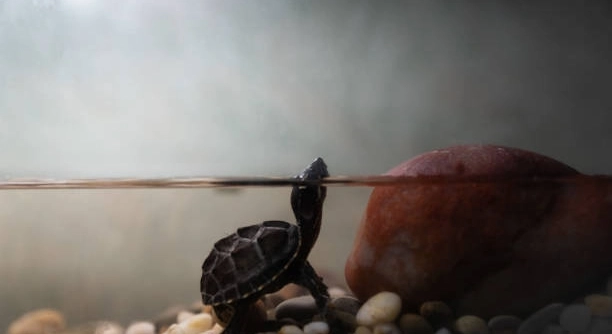
Musk turtles are fascinating creatures, and breeding them successfully can be both rewarding and challenging. If you’re interested in starting a breeding project, it’s important to understand their needs and the conditions that will promote healthy reproduction.
To breed musk turtles successfully, create a suitable environment with proper water temperature, lighting, and nesting sites. Make sure the turtles’ diet is well-balanced, and provide them with ample space to prevent stress and encourage natural behaviors.
Following these guidelines will help ensure your turtles thrive, making the breeding process smoother and more efficient.
Creating the Right Environment for Musk Turtle Breeding
Setting up the right environment is crucial for successful musk turtle breeding. The water should be clean, with a temperature range between 75-80°F. You also need to include basking spots where the turtles can dry off and get some warmth. Adding a filter helps maintain water quality, reducing stress on the turtles. For nesting, provide a soft, sandy substrate in a quiet area where they feel safe. If the turtles are stressed, it could affect their ability to breed properly. Make sure the habitat mimics their natural conditions as closely as possible to encourage mating behavior.
A good setup includes both shallow and deep water sections, allowing the turtles to choose where they feel most comfortable. Make sure the tank is large enough for them to move around without feeling cramped.
Temperature and humidity are important for egg incubation. It is also important to keep the habitat quiet and undisturbed. Avoid too much interaction, as excessive handling can cause stress.
Choosing Healthy Turtles for Breeding
Healthy turtles are essential for a successful breeding project. Look for active and well-fed turtles that show no signs of illness or injury. Check for clear eyes, healthy shells, and alert behavior. If they are underweight or lethargic, they may not be in the right condition to breed.
Before beginning breeding, make sure both the male and female are in optimal health. A good diet, plenty of exercise, and proper living conditions will help keep them in top shape. Healthy turtles are more likely to breed and produce strong offspring. Proper care ensures that your turtles have the best chance for success when it’s time to mate. Healthy adults also handle the stress of breeding much better, reducing the likelihood of problems.
Proper Diet for Musk Turtles
A balanced diet is key to breeding success. Ensure your musk turtles are getting a variety of protein sources, such as worms, insects, and small fish, along with leafy greens and vegetables. This helps maintain their energy levels and overall health.
Regular feeding helps keep your turtles in good condition for breeding. Offer food multiple times a week, depending on their age and size. Avoid overfeeding, as this can lead to health issues. Supplementing with calcium is essential for shell health and to support egg production. Pay attention to how much they eat and adjust their diet accordingly.
Providing fresh, clean water for drinking and soaking is just as important as feeding them properly. Keep their water clean to prevent bacteria build-up, which can negatively impact their health and breeding ability. Regular maintenance of their tank helps avoid water-related issues that could affect their overall well-being.
Monitoring Water Quality
Maintaining water quality is critical for musk turtles. Regularly check the water’s temperature and ensure it stays within the ideal range of 75-80°F. Keep the pH levels balanced and monitor ammonia, nitrite, and nitrate levels to avoid harmful spikes.
Filtration is an essential tool for keeping the water clean. Use a high-quality filter that can handle the waste produced by your turtles. Change a portion of the water weekly to remove toxins and replenish it with fresh water. Proper filtration helps prevent bacterial growth and keeps the tank environment stable.
Additionally, avoid overcrowding the tank, as this can lead to poor water quality and stress for the turtles. A spacious habitat allows proper filtration and ensures a healthy living environment. Keeping an eye on these factors helps prevent the spread of diseases and promotes healthy breeding conditions for your turtles.
Proper Lighting for Musk Turtles
Musk turtles require both UVB and UVA lighting. UVB is essential for synthesizing vitamin D3, which helps them absorb calcium. Without proper lighting, they may suffer from shell deformities or health issues. Place the light source 6-12 inches above the basking area for optimal exposure.
Providing adequate lighting also helps regulate their sleep-wake cycle, which is important for overall health. Ensure that the lighting mimics their natural habitat, with a 12-hour light and 12-hour dark cycle. This will encourage natural behaviors, reduce stress, and help with breeding.
Breeding Season
Musk turtles typically breed in the spring. During this time, males become more active, chasing females and displaying courtship behavior. It is important to separate the males and females before this period if you don’t want them to mate prematurely. Keep a close eye on their behavior to ensure that they’re ready for mating.
Female musk turtles will need a secure nesting area to lay eggs. It’s important to have a soft substrate for them to dig into. Keep an eye on the females during this period to ensure they have the space and quiet environment needed to lay eggs.
Nesting Sites for Musk Turtles
Musk turtles need a safe, quiet space to lay their eggs. Provide a sandy or loamy substrate for the females to dig into. Make sure the nesting site is dark and undisturbed, as this will help keep them calm during egg-laying. Ensure there’s enough space for them to dig properly.
FAQ
How long does it take for musk turtle eggs to hatch?
Musk turtle eggs typically take 60 to 90 days to hatch, depending on environmental conditions like temperature and humidity. Warmer temperatures generally speed up the incubation process, while cooler temperatures may slow it down. The humidity levels around the eggs must be kept stable to ensure successful hatching. Too much or too little moisture can cause the eggs to dry out or mold, leading to unsuccessful hatches.
How can I tell if my musk turtle is ready to breed?
When musk turtles are ready to breed, the males become more active and will chase the females. You may notice males showing more aggressive behavior, such as nipping at the female’s neck or trying to mount her. Females, on the other hand, will begin to search for nesting sites. If you notice these behaviors, it’s likely that they are preparing to breed. However, they should be in good health, and the environmental conditions must be right for successful mating.
What temperature should I keep the water for musk turtle breeding?
The ideal water temperature for breeding musk turtles should be between 75°F and 80°F. Maintaining this range helps keep the turtles healthy and encourages breeding behavior. If the temperature is too low, the turtles may become lethargic or less active, making it difficult for mating to occur. If the water temperature is too high, it can stress the turtles and make them more susceptible to illness. Use a reliable aquarium heater and thermometer to regulate the water temperature.
Can I breed musk turtles in a small tank?
Breeding musk turtles in a small tank is not recommended. They require space to move freely, especially during the breeding season. A cramped environment can cause stress, which may disrupt their breeding cycle. For a healthy and successful breeding process, provide a tank large enough to accommodate the turtles comfortably. A 40-gallon tank is generally a good size for a pair of musk turtles. In addition to the space, ensure proper water filtration, basking areas, and nesting sites.
What should I do if the female turtle isn’t laying eggs?
If the female musk turtle isn’t laying eggs, it could be due to a few different factors. Stress is a common reason why turtles may hold onto their eggs. Ensure that her environment is calm, quiet, and undisturbed. Provide a soft substrate for nesting, and ensure the tank conditions (temperature, humidity, and lighting) are optimal. Sometimes, it takes time for the female to feel comfortable enough to lay. If you’re still having issues, consider consulting a veterinarian to rule out any health problems.
How do I care for musk turtle eggs during incubation?
Once the female lays her eggs, carefully transfer them to an incubator with controlled temperature and humidity. The ideal temperature for incubating musk turtle eggs is around 80°F. Maintain a humidity level of about 70-80%. The eggs should be placed in a substrate like vermiculite or sphagnum moss, which holds moisture without making the eggs too wet. Be sure to check the eggs periodically for signs of mold or cracking. Avoid turning the eggs, as this can disrupt the developing embryos.
Can musk turtles breed in captivity?
Yes, musk turtles can successfully breed in captivity, as long as their environment and care are managed properly. In fact, many breeders raise musk turtles specifically for breeding purposes. The key is creating a comfortable, stress-free environment that mimics their natural habitat. Pay attention to water quality, diet, lighting, and temperature. Also, ensure the turtles are of appropriate age and health for breeding. With the right conditions, captive breeding can be just as successful as in the wild.
How do I prevent musk turtles from becoming stressed during breeding?
To reduce stress in musk turtles during breeding, ensure that their environment is calm and quiet. Avoid handling the turtles too much, as this can cause anxiety. Keep the water clean, maintain the proper temperature, and provide plenty of space for the turtles to move around. Ensure that the nesting area is quiet and private, so the female feels comfortable laying her eggs. A stress-free environment promotes healthier breeding behaviors and increases the chances of successful mating and egg laying.
What is the best time of year to breed musk turtles?
The best time of year to breed musk turtles is typically in the spring. As the temperature rises and daylight hours increase, musk turtles begin to show signs of breeding behavior. Males become more active, and females start looking for nesting sites. During this time, they are more likely to mate successfully. If you’re breeding in captivity, you may need to simulate seasonal changes, such as adjusting the lighting and temperature, to trigger breeding behaviors.
How do I know if my musk turtle is healthy enough to breed?
Before attempting to breed your musk turtles, it’s important to make sure they are in good health. Check that they are active, have clear eyes, and show no signs of illness or injury. A healthy turtle will have a smooth, hard shell with no cracks or soft spots. Ensure that both the male and female are eating well and have a balanced diet. If either turtle shows signs of illness, it’s best to wait until they are fully recovered before attempting to breed. Regular veterinary check-ups can also help ensure they are healthy and ready for breeding.
Final Thoughts
Breeding musk turtles can be a rewarding experience, but it requires careful attention to their needs. From maintaining the proper water temperature to ensuring adequate lighting, every aspect of their environment plays a critical role in their health and breeding success. Keeping these factors in mind can make the process smoother for both you and your turtles. It’s essential to offer a space that allows them to exhibit natural behaviors, such as basking and nesting, while avoiding any unnecessary stress.
Patience is key when it comes to breeding musk turtles. They may take time to adjust to their environment and may not breed immediately. Understanding their behavior, knowing when they are ready to breed, and offering them the right conditions will improve your chances of success. It’s also important to remember that breeding isn’t guaranteed, even if all conditions are met. Sometimes, turtles may simply not be interested in mating or may take time to adapt to the process.
Lastly, always prioritize the health and well-being of your musk turtles throughout the breeding process. Regular health checks, proper diet, and suitable tank conditions will ensure that your turtles remain in good shape. If you face any challenges, don’t hesitate to seek advice from professionals or experienced breeders. By taking the necessary steps and providing a safe, comfortable environment, you’ll be on your way to successful musk turtle breeding.

Hello,
If you enjoy the content that we create, please consider saying a "Thank You!" by leaving a tip.
Every little bit helps us continue crafting quality advice that supports the health, happiness, and well-being of pets around the world, for pets of all shapes, sizes, and species.
We really appreciate the kindness and support that you show us!