
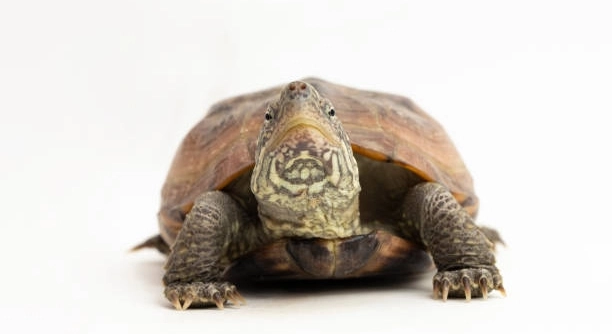
Musk turtles are fascinating pets, but feeding them the right diet is crucial for their health. Some owners wonder if pellets alone can meet their nutritional needs, especially when considering their long-term well-being.
Musk turtles can survive on pellets exclusively, but this is not ideal. A varied diet including live foods, vegetables, and occasional treats is essential to ensure optimal health, natural behavior, and balanced nutrition for your turtle.
By exploring the feeding habits of musk turtles, you can better understand how to provide a healthy, enriching diet. Let’s look at practical tips to keep your pet thriving!
Can Musk Turtles Eat Pellets Exclusively?
Pellets can serve as a convenient base for a musk turtle’s diet, but relying on them exclusively is not recommended. These turtles thrive on a varied diet that includes live foods such as insects, small fish, and worms. Incorporating occasional leafy greens and aquatic vegetation adds essential nutrients that pellets alone might lack. Providing this variety not only ensures better health but also encourages natural foraging behavior, which is important for their well-being. Maintaining a balanced approach to feeding helps prevent nutritional deficiencies and keeps your turtle active and healthy.
Feeding musk turtles exclusively with pellets may lead to monotony and nutritional gaps over time. A well-rounded diet mirrors their natural eating habits, supporting their overall health.
Understanding their dietary needs allows you to create a feeding plan that keeps them healthy. A varied diet is key to ensuring their long-term happiness and vitality.
Seven Feeding Tips for Musk Turtles
Musk turtles require a thoughtful feeding plan to meet their nutritional needs and avoid health complications. The following tips will help you maintain their diet and ensure they receive proper care and attention.
- Incorporate live foods regularly. Add insects, small fish, and worms to their meals. These provide protein and mimic their natural diet.
- Introduce variety. Rotate between different foods to prevent boredom and ensure balanced nutrition.
- Choose high-quality pellets. Opt for pellets specifically designed for turtles, ensuring they contain all essential vitamins and minerals.
- Limit treats. Avoid overfeeding fatty or sugary treats to prevent obesity.
- Provide fresh vegetables. Offer leafy greens and aquatic plants to supplement their diet.
- Ensure clean water. Always provide fresh, dechlorinated water for drinking and feeding.
- Monitor feeding habits. Observe their preferences and adjust accordingly for a healthy balance.
By following these tips, you can create a well-rounded feeding routine that keeps your musk turtle healthy and satisfied. With proper care, they will thrive in their habitat and enjoy a vibrant, active life.
Benefits of a Varied Diet for Musk Turtles
Feeding musk turtles a diverse diet improves their overall health by providing a wide range of nutrients. A varied diet reduces the risk of deficiencies and supports natural behaviors, keeping them active and engaged in their environment.
Protein-rich foods like insects and worms are crucial for muscle development and overall energy. Including aquatic plants and leafy greens helps provide vitamins and fiber, which support digestion and prevent constipation. This balance mirrors their natural diet, promoting long-term health and vitality. Ensuring variety also minimizes the risks associated with overreliance on any single food source, such as pellets.
Offering different foods engages their natural instincts, making mealtime more enriching. It allows them to display foraging behaviors, which contribute to mental stimulation and emotional well-being. A varied diet is essential for the health and happiness of your musk turtle.
Signs of a Healthy Feeding Routine
Musk turtles on a balanced diet show clear signs of health, such as active behavior, bright eyes, and a strong shell. Their stools are firm and regular, indicating good digestion. Monitoring these signs ensures they are thriving.
If your musk turtle appears lethargic or has a soft shell, it may indicate a lack of nutrients. Adjusting their diet to include live foods, greens, and high-quality pellets can often resolve these issues. Regular feeding schedules also help in maintaining consistent energy levels and overall well-being.
By observing their behavior and physical condition, you can easily gauge the effectiveness of your feeding routine. Making necessary adjustments ensures your turtle remains active and healthy for years to come.
Foods to Avoid for Musk Turtles
Avoid feeding musk turtles processed human foods, such as bread, as these lack nutritional value and can cause digestive problems. High-fat or sugary foods should also be avoided, as they can lead to obesity and health complications.
Turtles should not consume toxic plants, like avocado or rhubarb, as these can harm their system. Always research new foods before introducing them into their diet to ensure they are safe and suitable for musk turtles.
Importance of Proper Feeding Schedules
Establishing a consistent feeding schedule helps musk turtles maintain healthy digestion and energy levels. Feed adult turtles every two to three days, while juveniles require daily feeding. Consistency prevents overfeeding and allows them to develop a routine, promoting better health and behavior.
Monitoring Water Quality
Always ensure the water in the feeding area remains clean and free of leftover food. Poor water quality can lead to bacterial growth, which may cause infections or health issues for your turtle.
FAQ
Can I feed my musk turtle just pellets?
While pellets can form a basic part of a musk turtle’s diet, they should not be the only food. Pellets lack some of the natural nutrients found in live foods and vegetables. A balanced diet, including insects, fish, and leafy greens, is essential to provide all the necessary vitamins and minerals for healthy growth and development. Pellets should be supplemented with these other food sources to avoid nutritional deficiencies.
How often should I feed my musk turtle?
Adult musk turtles should be fed every two to three days, while younger turtles (juveniles) need to be fed daily to support their growth. It’s important to establish a regular feeding schedule to maintain a healthy routine. Overfeeding can lead to obesity, so it’s essential to only provide an appropriate amount of food during each feeding.
What live foods can I feed my musk turtle?
Musk turtles benefit from a variety of live foods such as small fish, worms, crickets, and insects. You can also offer snails or other aquatic creatures that are small enough for them to catch and consume. These foods help provide protein and other nutrients that pellets alone may lack. Be sure to avoid feeding any live prey that might be too large or pose a danger to the turtle.
Can I feed my musk turtle fruits?
Fruits should be offered in moderation. While fruits like strawberries, blueberries, and grapes can be a treat, they are high in sugar and should not be the primary food source. Excessive fruit consumption can lead to obesity and other health problems. Always ensure fruits are cut into small, manageable pieces to avoid choking.
Do musk turtles need a calcium supplement?
Yes, calcium is vital for musk turtles, especially for proper shell growth and strength. If you are not providing enough calcium-rich foods like cuttlebone, calcium supplements may be necessary. You can dust their food with a calcium powder or provide a separate calcium source in their habitat. Proper lighting is also crucial, as UVB light helps turtles process calcium effectively.
Can I feed my musk turtle vegetables?
Yes, vegetables are an important part of a musk turtle’s diet. Leafy greens such as kale, collard greens, and dandelion greens are excellent choices. Vegetables provide essential vitamins, minerals, and fiber that pellets and live foods alone cannot offer. Be sure to offer a variety of greens and avoid starchy vegetables like potatoes or corn, which may not be as beneficial for your turtle.
What are the signs that my musk turtle is overfed?
Overfeeding can lead to obesity and lethargy. If your turtle becomes less active, appears bloated, or has difficulty moving around, it could be a sign that they are being overfed. Monitor their weight and adjust portion sizes accordingly. If you’re unsure, consult a veterinarian for advice on your turtle’s specific dietary needs.
Can I feed my musk turtle fish?
Yes, musk turtles can eat fish, and they enjoy it. Small fish like minnows, goldfish, and guppies are suitable options. Fish provides protein and essential fatty acids. However, be mindful of the size of the fish; they should be small enough for the turtle to eat without difficulty. Avoid feeding them fish that are too large or potentially harmful, such as feeder fish that may carry parasites.
How do I know if my musk turtle is getting enough nutrition?
A healthy musk turtle will be active, alert, and have a strong, intact shell. They should not show signs of weakness, lethargy, or deformities. Regular checkups and observing their behavior and appearance can give you a good indication of whether they are receiving adequate nutrition. If you notice any changes, such as soft shells, difficulty moving, or weight loss, it may be time to adjust their diet.
Can I feed my musk turtle shrimp?
Shrimp can be a good addition to your musk turtle’s diet. Both fresh and frozen shrimp provide protein and essential nutrients. However, it is important to feed shrimp in moderation and not as the main food source. Ensure the shrimp are fully thawed if frozen and cut into smaller pieces to avoid choking.
What should I do if my musk turtle refuses to eat?
If your musk turtle refuses to eat, it could be due to various factors, including temperature changes, stress, or illness. Ensure their habitat is at the correct temperature and humidity. You can try offering a variety of foods, including live prey or different vegetables, to encourage feeding. If the refusal to eat continues, consult a veterinarian to rule out any health issues.
Final Thoughts
Feeding your musk turtle a well-balanced diet is crucial for its overall health and longevity. While pellets can serve as a reliable base for their meals, they should not be the sole food source. A variety of live foods, vegetables, and occasional fruits are essential to provide the necessary nutrients. This diversity in their diet mimics their natural feeding habits and ensures they receive the proper vitamins, minerals, and proteins for growth and vitality. A varied diet not only promotes physical health but also helps keep your turtle mentally stimulated and engaged.
Establishing a proper feeding schedule is another key factor in maintaining your musk turtle’s health. Younger turtles require more frequent feedings, while adults need fewer meals. Consistency is important, as it helps regulate their digestion and energy levels. Overfeeding should be avoided, as it can lead to obesity and related health problems. Pay attention to portion sizes, ensuring they receive enough food without excessive waste. Additionally, it’s essential to monitor the water quality in their habitat, as leftover food can affect water conditions and the turtle’s health.
By observing your turtle’s behavior and health, you can gauge whether they are thriving on their current diet. If your turtle shows signs of lethargy, poor shell condition, or difficulty moving, these may be indicators that adjustments are needed. Regular checkups with a veterinarian can provide further guidance on your turtle’s nutritional needs and overall well-being. With the right care and attention to their diet and environment, musk turtles can live long, healthy lives and continue to bring joy to their owners.

Hello,
If you enjoy the content that we create, please consider saying a "Thank You!" by leaving a tip.
Every little bit helps us continue crafting quality advice that supports the health, happiness, and well-being of pets around the world, for pets of all shapes, sizes, and species.
We really appreciate the kindness and support that you show us!