
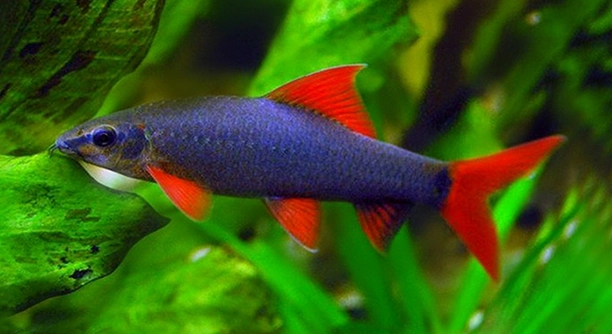
Rainbow sharks are popular aquarium fish known for their vibrant colors and active nature. They require proper care to stay healthy and avoid injuries. Understanding their needs can help keep these fish safe in your tank.
Preventing rainbow shark injury involves maintaining clean water, providing enough space, avoiding sharp decorations, and offering a balanced diet. Regular monitoring and gentle handling reduce stress and minimize the risk of harm to these sensitive fish.
Following these tips can help create a safer environment for your rainbow sharks and improve their overall well-being. Careful attention to their habitat makes all the difference.
Keep the Aquarium Clean and Stable
Maintaining a clean and stable aquarium is key to preventing injuries in rainbow sharks. Dirty water can cause stress, weaken their immune system, and lead to infections that make them more vulnerable. Regular water changes help remove waste, uneaten food, and harmful chemicals. Testing the water for ammonia, nitrites, and nitrates ensures that conditions remain safe. Temperature fluctuations should be avoided, as sudden changes can shock the fish and make them prone to illness or injury. Using a good filtration system keeps the water clear and healthy. Cleaning decorations and substrate regularly also helps reduce bacteria buildup. All these actions create an environment where your rainbow sharks can thrive without unnecessary risks.
Good water quality is essential for the overall health and injury prevention of rainbow sharks. It reduces stress and supports their natural defenses.
Keeping the aquarium environment balanced requires consistent effort. A stable, clean tank lowers the chances of injury by reducing stress factors and illness. These fish are active swimmers, so a clean tank lets them move freely without irritation or obstacles. Regular maintenance and monitoring create a safe home where rainbow sharks are less likely to hurt themselves or each other.
Provide Adequate Space and Proper Tank Setup
Rainbow sharks need enough room to swim and explore to prevent injuries caused by crowding or aggressive behavior. Overcrowding increases stress and the risk of fights, leading to physical damage. A tank size of at least 30 gallons is recommended for one rainbow shark. Adding plenty of hiding spots and smooth decorations reduces sharp edges that could cause cuts or bruises. Avoid sharp rocks or objects with rough surfaces. Soft plants and smooth gravel make the environment safer for these active fish.
A well-planned tank setup supports their natural behavior and keeps them safe from harm.
Spacing out tank mates and creating hiding places reduces competition and injury risks. Proper tank design ensures your rainbow sharks have the space and comfort they need to stay healthy and avoid accidents.
Monitor Tank Mates Carefully
Choosing compatible tank mates reduces stress and injury risks for rainbow sharks. Avoid aggressive or overly active fish that may harass them. Peaceful community fish usually work best.
Aggressive fish can cause wounds by chasing or biting rainbow sharks. When rainbow sharks feel threatened, they may hide excessively or become stressed, which weakens their health. Keeping tank mates calm helps maintain a peaceful environment. It also prevents injuries caused by fights or territorial disputes. Researching fish behavior before adding them ensures better compatibility.
Regular observation is important to catch early signs of aggression or stress. Adjusting the tank setup or separating fish when needed keeps the community safe. Tank harmony plays a big role in preventing injury and promoting well-being for rainbow sharks.
Maintain a Balanced Diet
Rainbow sharks need a varied diet to stay strong and healthy. Feeding them high-quality flakes, pellets, and occasional live or frozen food supports growth and immune function. Proper nutrition reduces vulnerability to injury.
A poor diet weakens the fish’s ability to heal and fight infections. Providing foods rich in protein and vitamins helps maintain their vibrant colors and energy levels. Overfeeding should be avoided, as it leads to poor water quality and health problems. Feeding small portions twice a day is ideal.
Supplements like algae wafers or vegetables can add variety and improve digestion. Watching how your rainbow sharks respond to different foods helps you adjust their diet for optimal health. A balanced diet plays a major role in injury prevention and overall vitality.
Handle with Care
Handling rainbow sharks too often can cause stress and injury. Limit handling to necessary situations like tank cleaning or medical care.
Use a soft net and gentle movements when catching them. Rough handling can damage their fins or scales, leading to infections.
Avoid Sharp Decorations
Sharp or rough decorations in the tank can cause cuts and wounds. Choose smooth rocks, plants, and ornaments to prevent injuries.
Inspect decorations regularly to ensure no broken or sharp edges appear over time.
Regular Health Checks
Check your rainbow sharks regularly for signs of injury or illness. Early detection helps prevent worsening conditions.
Look for torn fins, discoloration, or unusual behavior. Address problems quickly by isolating injured fish and treating them appropriately.
Maintain Proper Lighting
Proper lighting supports fish health and reduces stress. Avoid overly bright or flickering lights that can upset rainbow sharks.
Use a timer to create a consistent day-night cycle, mimicking their natural environment for better well-being.
FAQ
How can I tell if my rainbow shark is injured?
Injuries often show as torn fins, missing scales, or open wounds. You might also notice unusual behavior like hiding more than usual, reduced swimming, or lack of appetite. Keep a close eye during feeding times and when the fish are active to catch any signs early.
What should I do if my rainbow shark gets injured?
First, isolate the injured fish in a separate tank to prevent further harm or infection. Clean the wound gently with aquarium salt or a mild antiseptic safe for fish. Make sure water quality in both tanks is excellent. If the injury looks serious, consult a vet or aquatic specialist.
Can injuries be caused by water conditions?
Yes, poor water quality is a major cause of stress and injury. High levels of ammonia, nitrites, or nitrates weaken fish and make them more prone to infections and wounds. Regular testing and water changes are necessary to keep your tank safe.
Is tank size really important for preventing injuries?
Absolutely. Rainbow sharks need enough space to swim freely without feeling crowded. Overcrowding causes stress and can lead to aggressive behavior, resulting in injuries. A minimum of 30 gallons per fish is recommended to maintain a healthy environment.
Are certain tank mates better than others for rainbow sharks?
Yes, calm and peaceful fish make the best tank mates. Avoid aggressive or territorial species that might attack or stress rainbow sharks. Good companions include small schooling fish like tetras or rasboras, which keep peace in the tank.
How often should I clean the tank to prevent injury?
Perform partial water changes of 20-25% weekly or biweekly, depending on tank size and stocking levels. Cleaning the substrate and decorations helps remove harmful bacteria. A clean tank reduces stress and the chance of wounds or infections.
Can diet affect the likelihood of injury?
Yes, a balanced diet strengthens your rainbow shark’s immune system. Poor nutrition makes healing slower and fish weaker. Feed high-quality flakes, pellets, and occasional live or frozen foods for best results. Avoid overfeeding, which harms water quality and fish health.
What decorations are safe to include in a rainbow shark tank?
Choose smooth rocks, driftwood, and soft plastic or live plants. Avoid sharp or rough surfaces that can cause cuts or scrapes. Regularly inspect all items for damage that might become dangerous over time.
Is stress a big factor in injury risk?
Stress weakens fish and makes injuries more likely. Causes include overcrowding, poor water quality, aggressive tank mates, or sudden changes in environment. Reducing stress through good care helps your rainbow shark stay healthy and avoid harm.
How important is lighting for injury prevention?
Proper lighting helps maintain natural behavior and reduces stress. Avoid overly bright or flickering lights that may disturb your fish. Using a timer to keep a consistent day-night cycle supports overall health and well-being.
Can rainbow sharks heal from injuries on their own?
Minor wounds can heal if the environment is clean and stress-free. However, serious injuries need treatment to prevent infection. Always monitor injured fish closely and act quickly to help them recover fully.
Should I use medication to prevent infections?
Only use medication when necessary and follow instructions carefully. Overuse can harm beneficial bacteria and water quality. If unsure, seek advice from an aquatic veterinarian before treating your fish.
What signs indicate the need for a vet visit?
Severe wounds, persistent lethargy, loss of appetite, or visible parasites call for professional help. Early intervention improves chances of recovery and prevents the spread of disease in the tank.
How can I reduce fighting between rainbow sharks and other fish?
Provide plenty of hiding spots and enough space for all fish. Avoid overcrowding and choose peaceful tank mates. Regular observation helps catch and address aggression early before injuries occur.
Can sudden changes in water parameters cause injuries?
Yes, rapid shifts in temperature, pH, or hardness stress fish and can lead to weakened immunity or shock. Make changes slowly and monitor water parameters regularly to keep your rainbow sharks safe.
Final Thoughts
Taking care of rainbow sharks requires attention to many details to keep them safe from injury. Clean water, enough space, and a proper diet all play important roles in their health. Injuries often happen when fish are stressed or live in poor conditions. By maintaining a good environment and watching your fish closely, you can prevent many common problems before they start. Simple steps like regular water changes, choosing smooth decorations, and picking peaceful tank mates help reduce risks. These efforts create a safe space where rainbow sharks can swim freely and stay healthy.
It is also important to be patient and gentle when handling your fish. Rainbow sharks are sensitive and do not do well with rough treatment or frequent catching. When you need to move or clean around them, use soft nets and slow movements to avoid causing stress or injury. Keeping an eye on their behavior can give early clues about health issues. If you notice signs like torn fins, hiding, or changes in appetite, act quickly to address the problem. Early treatment and isolation of injured fish can prevent infections and help them heal faster. A little care and attention go a long way in keeping your rainbow sharks safe.
Finally, remember that each fish is unique, and what works well for one may need adjustment for another. Learning about your rainbow sharks’ habits and needs will improve their quality of life. Creating a stable, calm environment reduces the chance of injury and supports their natural behaviors. Regular maintenance, careful feeding, and thoughtful tank design are the best ways to protect your fish. By following these guidelines, you can enjoy healthy, active rainbow sharks in your aquarium for a long time. Consistent care ensures they thrive and remain injury-free.

Hello,
If you enjoy the content that we create, please consider saying a "Thank You!" by leaving a tip.
Every little bit helps us continue crafting quality advice that supports the health, happiness, and well-being of pets around the world, for pets of all shapes, sizes, and species.
We really appreciate the kindness and support that you show us!