
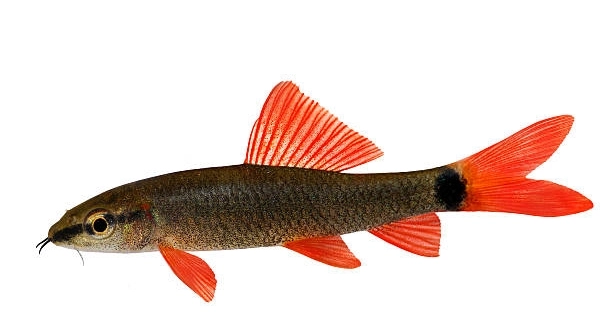
Are your rainbow sharks getting aggressive or chasing their tankmates around more than you expected? These bold, colorful fish can be fun to watch, but they sometimes create problems in community tanks if not cared for properly. Creating a peaceful environment takes a bit of planning and the right tank setup.
The best way to keep your rainbow shark tankmate-friendly is by choosing compatible species, providing plenty of space, and adding hiding spots. These steps help reduce territorial behavior and allow each fish to establish its own area peacefully.
Small changes in how you manage your tank can make a big difference. These tips will help you build a calmer, more stable home for your rainbow shark and their aquatic neighbors.
Choose the Right Tankmates
Rainbow sharks can get territorial, especially in smaller tanks or when they feel threatened. Picking the right tankmates is one of the most important steps to keep things calm. Look for peaceful, fast-swimming fish that stay in the upper or middle levels of the tank. Avoid slow-moving or long-finned fish, as rainbow sharks may see them as targets. Fish like barbs, danios, and rainbowfish are often a good fit. Keep in mind that other bottom dwellers, especially those with a similar shape or behavior, may trigger aggressive responses. Make sure everyone in the tank has space to move and places to hide. This setup gives each fish a sense of territory, which helps reduce stress and conflict. A balanced tank starts with compatible species. Take your time when making selections. It’s easier to prevent issues than to fix them later once things go wrong.
Some fish look peaceful but may not mix well with rainbow sharks. Always research before adding new tankmates.
Creating a balanced tank helps reduce tension. Rainbow sharks tend to get aggressive when they feel like they have to protect their space. The right tankmates help lower that risk by keeping interactions to a minimum. Always watch new additions carefully for the first few days, and have a backup plan in case things don’t work out. Sometimes, a fish that seems compatible on paper just doesn’t settle in well. Try to avoid other territorial species, especially those that hang out in the same tank area. It’s also helpful to add fish in groups rather than one at a time. This can spread out attention and reduce bullying. A peaceful tank often comes down to careful planning and a bit of patience.
Give Them Plenty of Space
Rainbow sharks need room to feel secure. A crowded tank often leads to fighting, especially if hiding spots are limited. A 55-gallon tank is usually the minimum for one adult.
When rainbow sharks don’t have enough space, they become more aggressive. A bigger tank gives them the room they need to establish their own territory and avoid constant contact with other fish. When choosing a tank, think about both the number of fish and the type. Long tanks work better than tall ones because they give more horizontal swimming room. Avoid overcrowding at all costs, and don’t rely on tank decorations alone to solve aggression. The goal is to create an open environment where the rainbow shark doesn’t feel trapped. Proper filtration and water flow also help by keeping water quality stable, which can improve overall fish behavior. Keep tank stocking balanced, and avoid the temptation to add “just one more” fish.
Add Hiding Spots and Decorations
Hiding spots are important because they give fish a place to retreat and feel safe. This lowers stress and can help prevent fighting. Caves, driftwood, and plants all work well and don’t take up much space.
Use decorations to create visual barriers so your rainbow shark can’t always see other fish. This helps reduce aggression by breaking up lines of sight and giving each fish its own space. Try stacking rocks, using tall plants, or placing ornaments to divide the tank into different zones. These areas act as territory markers, which helps avoid conflict. Avoid sharp decorations that could harm your fish during a chase. If possible, spread out the hiding spots across the tank to keep one area from becoming overcrowded. The more natural the setup looks, the more comfortable your fish will feel. A well-decorated tank doesn’t just look nice—it plays a big role in fish behavior.
Adding plants can make a big difference, especially if they’re tall or bushy. Live plants like java fern, anubias, and hornwort are easy to care for and give the tank a soft look. They also help with water quality and oxygen. If you prefer artificial plants, choose ones with smooth edges. Try to use a mix of short and tall plants so fish at different levels feel safe. A good layout makes it easier for shy fish to find cover while also calming down more active ones. Keep checking the tank over time—plants grow, and fish behavior changes. You may need to rearrange or add new hiding spots now and then to keep things working well. A peaceful tank is rarely about just one fix. It’s often the result of layering different things that work together.
Feed Properly and Consistently
Uneven feeding habits can lead to more tension. If food isn’t reaching all parts of the tank, some fish may start chasing others or become territorial. Spread food out and offer it in small portions.
Use high-quality food that matches the needs of your rainbow shark and its tankmates. Rainbow sharks eat sinking pellets, but many community fish prefer floating flakes or slow-sinking options. Feeding a mix can help reduce food competition and stress. Try feeding at the same times every day so fish get into a routine. A routine helps lower anxiety, especially in more active or aggressive species. Remove any uneaten food after feeding to prevent water quality issues. You can also consider target feeding with tongs or spot-feeding in different tank areas to make sure everyone gets what they need. Overfeeding causes problems too, so watch portions carefully and adjust based on fish activity and waste.
Avoid Keeping Multiple Rainbow Sharks
Keeping more than one rainbow shark in the same tank usually leads to fighting. They are naturally territorial and often won’t tolerate others of their kind. Even in large tanks, aggression tends to increase over time.
If you want more variety, consider other colorful species instead. Many peaceful fish offer bright colors without the stress that comes from mixing similar aggressive types. It’s safer and more stable to keep only one rainbow shark per tank.
Maintain Water Quality Consistently
Poor water quality leads to stress, and stressed fish are more likely to show aggression. Test your water regularly for ammonia, nitrite, nitrate, and pH levels. Keep a stable temperature, ideally between 75°F and 81°F. Perform weekly water changes—usually 25%—to prevent buildup of waste. Use a reliable filter and clean it as needed, but avoid over-cleaning, as this can harm beneficial bacteria. Overfeeding also affects water conditions, so be mindful of how much food is going into the tank. Try not to change too many things at once; sudden shifts in conditions can upset the tank’s balance and stress all the fish inside.
Add Only When Necessary
Avoid adding new fish just to fill space. Every new addition changes the tank’s balance and can cause stress. Always quarantine new fish before introducing them to the main tank.
FAQ
How big should my tank be for a rainbow shark?
A minimum of 55 gallons is recommended for one adult rainbow shark. These fish need plenty of space to swim and establish their territory. Larger tanks reduce aggression and provide room for tankmates. Long tanks work better than tall ones since rainbow sharks prefer horizontal swimming space.
Can rainbow sharks live with other bottom dwellers?
It’s best to avoid other bottom-dwelling fish with similar size or behavior, like loaches or plecos. Rainbow sharks can see these fish as competitors and become aggressive. If you want to keep bottom dwellers, choose species that occupy different areas or have different habits to reduce conflict.
What are good tankmates for rainbow sharks?
Fast, peaceful fish that stay in the middle or upper levels of the tank work well. Barbs, danios, rainbowfish, and some tetras are good options. Avoid slow, long-finned, or shy fish, as they may become targets. Always research specific species for compatibility.
Why is my rainbow shark chasing other fish?
Chasing is a sign of territorial behavior or stress. It happens when the tank is too small, overcrowded, or lacks hiding spots. Poor water quality or irregular feeding can also cause aggression. Providing more space, decorations, and regular maintenance usually helps reduce chasing.
How often should I feed my rainbow shark?
Feed once or twice a day with sinking pellets or wafers designed for omnivores. Supplement with vegetables and occasional protein treats like bloodworms or brine shrimp. Avoid overfeeding, which harms water quality and fish health.
Can I keep more than one rainbow shark together?
Generally, no. Rainbow sharks are territorial and aggressive toward their own kind. Even in large tanks, conflicts are common. If you want multiple sharks, keep them in separate tanks or large divided tanks.
Do rainbow sharks need live plants?
Live plants are helpful but not required. They create hiding spots and improve water quality. Choose hardy plants like java fern or anubias that tolerate the shark’s activity. Artificial plants with smooth edges are an alternative.
How do I reduce aggression in my tank?
Provide enough space, compatible tankmates, and plenty of hiding spots. Maintain good water quality and feed consistently. Avoid overcrowding and don’t keep multiple rainbow sharks together. Rearranging decorations occasionally can help break established territories.
What water parameters are best for rainbow sharks?
Keep the temperature between 75°F and 81°F, pH around 6.5 to 7.5, and low ammonia and nitrite levels. Regular testing and water changes keep conditions stable and reduce stress, which lowers aggression.
Why do rainbow sharks hide so much?
Hiding can mean stress, illness, or just natural behavior. If hiding increases suddenly, check water quality and tank conditions. Providing plenty of cover and avoiding sudden changes can help your shark feel more comfortable.
Taking care of a rainbow shark in a community tank requires attention to their natural behavior and needs. These fish are beautiful and active, but they can become territorial if their environment isn’t set up properly. Providing enough space, choosing compatible tankmates, and adding plenty of hiding spots all help reduce stress and aggression. When these conditions are met, your rainbow shark will be calmer and coexist better with other fish. Consistency is important, too. Keeping a stable routine with feeding and water maintenance supports a healthy tank environment where fish can thrive peacefully.
Water quality is another key factor that should never be overlooked. Rainbow sharks are sensitive to changes in water parameters, and poor water conditions can quickly lead to stress. Stress then often causes aggressive behavior. Regular water testing, proper filtration, and routine partial water changes keep the tank clean and balanced. Avoid overcrowding the tank, which can worsen water quality and increase competition for space and food. Overfeeding should also be avoided because leftover food can pollute the water. By maintaining good water quality, you are creating a safer and more comfortable space for your rainbow shark and its tankmates.
Finally, patience is a big part of success with rainbow sharks. These fish can take time to adjust to new surroundings and tankmates. It’s important to watch how your fish behave and make changes if needed. Sometimes rearranging decorations or adjusting the number and type of tankmates is necessary to reduce tension. Avoid rushing to add multiple rainbow sharks, as they usually do better alone. Small adjustments over time will help create a peaceful, happy community tank. With care and attention, your rainbow shark can live a long, healthy life alongside other fish.

Hello,
If you enjoy the content that we create, please consider saying a "Thank You!" by leaving a tip.
Every little bit helps us continue crafting quality advice that supports the health, happiness, and well-being of pets around the world, for pets of all shapes, sizes, and species.
We really appreciate the kindness and support that you show us!