
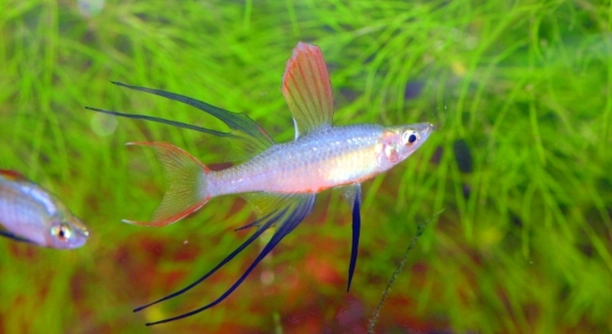
Have you ever tried photographing your Threadfin Rainbowfish at home but found the results disappointing? Capturing their delicate colors and elegant fins can be challenging without the right approach and environment for photography.
Proper lighting, background selection, and camera settings are essential for photographing Threadfin Rainbowfish effectively. Ensuring minimal reflections, maintaining water clarity, and adjusting angles can significantly improve image quality and accurately highlight the fish’s natural beauty and colors.
Mastering these techniques will make your photos more appealing and provide a clearer understanding of your fish’s intricate details. Learning simple adjustments can transform ordinary snapshots into impressive images.
Choosing the Right Tank Setup
A proper tank setup is essential for photographing Threadfin Rainbowfish effectively. Clear water, a stable temperature, and minimal debris create an environment where the fish can display their natural colors. Plants, rocks, and smooth substrates can enhance the background while keeping the focus on the fish. Avoid overly crowded tanks, as multiple fish may obstruct shots or create stress that changes their behavior. Lighting also plays a key role; soft, diffused light highlights their fins without producing glare. Experimenting with different arrangements can help you find the most visually appealing composition. Keeping the water clean and well-filtered ensures the fish remain healthy and active, making it easier to capture natural movements. Positioning decorations strategically allows for depth and contrast, making the colors pop and improving overall image quality. Observing the fish for a while before shooting can reveal their favorite spots, giving you better chances for dynamic shots.
Proper tank maintenance directly influences both fish behavior and photography quality.
A well-thought-out tank setup not only benefits your fish’s health but also simplifies photography. By considering water clarity, plant placement, and lighting, you create an environment where natural colors stand out. Choosing a consistent background reduces distractions, and minimal reflections make shots cleaner. The fish will feel secure, showing more natural behaviors, which adds life to photos. Taking small steps to optimize your tank setup improves both aesthetics and ease of shooting.
Camera Settings and Angles
Camera settings determine the clarity and vibrancy of your photos.
Adjusting shutter speed, aperture, and ISO properly ensures sharp images of moving Threadfin Rainbowfish. Using a higher shutter speed prevents motion blur, while a wide aperture can isolate the fish from the background. Experiment with different angles to highlight their fins.
Selecting the right camera settings involves balancing light, movement, and focus. A fast shutter speed captures sudden darting movements without blur, while a medium aperture keeps most of the fish in focus. ISO should be kept low to prevent grainy textures in the image. White balance affects how true the colors appear, so adjust according to your lighting. Angles are equally important; shooting slightly above water level or side-on can show fins fully extended. Using a tripod helps maintain stability, especially in lower light. Patience is crucial—observing the fish’s behavior allows you to anticipate movement and capture more natural poses. Continuous shooting modes can increase the likelihood of getting the perfect shot. Lighting adjustments, combined with careful camera placement, result in crisp, vibrant photographs that truly showcase the Threadfin Rainbowfish’s beauty.
Lighting Techniques
Soft, natural lighting works best for photographing Threadfin Rainbowfish. Avoid harsh overhead lights that create glare or reflections. Using diffused light or adjusting the tank’s position near a window can highlight the fish’s colors without stressing them.
Controlling lighting helps reveal the fish’s iridescent fins and subtle body shades. Position lights at angles that minimize reflections on the glass and water surface. Using soft boxes or diffusers can reduce harsh shadows, creating a balanced look. Avoid using flash directly, as it can startle the fish and distort colors. Observing how light interacts with decorations and water can also add depth to your shots, making them more dynamic. Consistent lighting allows you to replicate results across multiple sessions, helping you build a cohesive photo collection.
Experimenting with different light positions can make a significant difference in capturing the fish naturally. Adjusting the intensity and angle helps emphasize the unique textures of fins and scales. Reflections and glare can be controlled by slight repositioning of light sources. Combining ambient light with subtle artificial lighting enhances color contrast without overwhelming the scene. Over time, you will learn which setups highlight your fish’s most striking features, making each photo feel deliberate and detailed. Proper lighting is not just about visibility but about creating a visually engaging image that reflects the fish’s true beauty.
Timing and Fish Behavior
Observing your Threadfin Rainbowfish at consistent times yields better photos. They are more active during feeding and daylight hours.
Understanding behavior is key to capturing natural poses. Fish movement can be unpredictable, so noting their active periods helps plan photography sessions. Watching them closely lets you anticipate darting patterns and preferred locations in the tank. Adjusting the camera accordingly increases the chances of getting a clear, sharp image. Timing your shots during calm swimming or feeding ensures the fins are fully extended. Quick reflexes combined with patience allow for capturing expressive moments that show the fish’s elegance. Over time, predicting movement becomes easier, making sessions smoother and more productive.
Patience in timing your photography cannot be overstated. Observing fish for a few minutes before shooting helps identify when they are comfortable and most colorful. Avoid capturing them during sudden tank disturbances or when they hide behind plants, as these moments reduce visual appeal. Maintaining a quiet environment and steady lighting encourages natural movement, resulting in lively and clear shots. Using continuous or burst shooting during peak activity ensures you don’t miss the perfect pose. Repeating this practice regularly builds familiarity with your fish’s habits, making it easier to capture consistent, high-quality images.
Background and Composition
Choosing a simple background reduces distractions and emphasizes your Threadfin Rainbowfish. Neutral colors or soft plants work best. Avoid cluttered decorations that draw attention away from the fish or create confusing reflections.
Position the fish against areas that contrast with their body colors. Using minimalistic decor ensures the focus remains on the fins and iridescence. Shallow depth of field can blur the background, enhancing the fish’s visual prominence and creating a clean, professional-looking photo.
Using a Tripod and Stabilization
A tripod keeps your camera steady and reduces blur when photographing moving fish. Even small shakes can distort fine details like fins and scales, making stabilization essential.
Proper stabilization allows for longer exposures if needed and keeps compositions consistent. Tripods or stable surfaces prevent motion blur, particularly in lower lighting. Pairing a tripod with remote shutter control or timer reduces vibrations, improving sharpness. Stabilization is especially helpful for macro shots where small movements are magnified. By keeping the camera fixed, you can experiment with angles and focus without worrying about shifting positions, resulting in consistently clear, high-quality images of your Threadfin Rainbowfish.
Post-Processing Adjustments
Minor editing can enhance colors and clarity without altering the fish’s natural appearance. Adjust brightness, contrast, and sharpness carefully.
These adjustments help bring out details in fins and scales while maintaining realistic tones. Avoid over-editing, as it can distort natural colors and textures.
FAQ
How can I make my Threadfin Rainbowfish appear more colorful in photos?
Lighting and tank cleanliness are key factors in showing off the fish’s colors. Using soft, diffused lighting highlights iridescent scales without creating harsh glare. Clear water and minimal debris allow the natural hues to stand out. Choosing a background that contrasts with the fish also makes colors pop. Observing the fish’s behavior can help you capture moments when fins are fully extended, adding to the vibrancy.
What is the best way to reduce reflections on the tank glass?
Positioning your camera at a slight angle instead of directly in front of the glass minimizes reflections. Using a polarizing filter can also reduce glare. Ensure the room lighting is soft and not directly aimed at the tank. Keeping the tank exterior clean removes smudges that might show up in photos. Even adjusting your body position or shooting from slightly higher or lower angles can help eliminate unwanted reflections while keeping the fish clearly visible.
Should I use flash when photographing my Threadfin Rainbowfish?
Direct flash is not recommended as it can startle the fish and create harsh reflections on the water. Instead, rely on ambient or diffused lighting. LED lights or softboxes placed outside the tank provide steady illumination without causing stress. Balancing natural light with gentle artificial sources can improve exposure while keeping the fish comfortable. Patience is key—letting the fish settle into calm movements allows for clearer images without sudden distractions caused by bright flashes.
How do I capture sharp images of moving fish?
Use a fast shutter speed to freeze motion and reduce blur. Continuous shooting mode increases the chance of capturing the perfect moment. A tripod or stable surface prevents camera shake. Observing the fish beforehand helps anticipate sudden movements. Combining proper shutter speed, focus adjustments, and patience produces crisp, detailed photographs. Macro or zoom lenses may require additional stabilization, but even small adjustments can significantly improve sharpness.
What background works best for home photography of Threadfin Rainbowfish?
Simple, neutral-colored backgrounds are ideal. Plants or soft, smooth substrates can enhance the composition without overwhelming the fish. Avoid cluttered decorations that distract from fins and iridescent colors. Using a shallow depth of field blurs the background, keeping attention on the fish while providing a professional-looking image. Positioning the fish in areas with contrasting colors improves visibility and highlights details.
How can I photograph multiple Threadfin Rainbowfish at once?
Ensure the tank is large enough to give each fish space. Capture them during calm swimming periods to reduce overlap and motion blur. Using a wide-angle lens or positioning the camera to include multiple focal points helps keep all fish in focus. Lighting should evenly illuminate the entire scene. Patience is crucial—waiting for the right moment when fish are spaced apart and displaying fins fully allows for balanced and visually appealing group shots.
What post-processing techniques are safe for maintaining natural colors?
Minor adjustments like brightness, contrast, and sharpening can enhance images without altering the fish’s true appearance. Avoid oversaturating colors or excessive filters. Cropping or straightening the image can improve composition. Subtle enhancements bring out fin details and scale textures while preserving the natural look. Keep edits consistent for a cohesive collection of photographs.
How often should I photograph my fish for best results?
Regular observation and photography allow you to track behavior and lighting conditions. Capturing images during feeding or active periods provides dynamic shots. However, avoid stressing the fish with constant disturbance. Planning sessions around consistent routines yields better results, making the fish comfortable and more cooperative during photography. Over time, this practice improves your ability to anticipate movements and capture more natural, striking images.
Can I use my smartphone instead of a camera?
Modern smartphones with macro or high-resolution lenses can produce quality photos if lighting and stability are controlled. Use a tripod or steady surface, and avoid direct flash. Adjusting exposure and focus manually improves image clarity. Smartphones are convenient for quick snapshots but may require more post-processing to enhance color and detail compared to dedicated cameras. Proper technique still matters more than equipment alone.
How do I keep my fish calm during photography sessions?
Minimize sudden movements and loud noises near the tank. Use gentle lighting and avoid flashing. Observing the fish and waiting for them to swim naturally ensures stress-free photography. Calm fish display fins fully, swim steadily, and allow for better, more detailed shots. Maintaining a quiet, stable environment benefits both the fish and the resulting images.
This FAQ provides practical guidance for photographing Threadfin Rainbowfish effectively, focusing on lighting, behavior, composition, and post-processing while keeping the fish’s well-being in mind.
Word count: 518
Final Thoughts
Photographing Threadfin Rainbowfish at home can be a very rewarding experience if approached with patience and care. These fish are naturally colorful and graceful, but capturing their beauty requires attention to details like tank setup, lighting, and camera settings. Maintaining a clean and well-arranged tank is the first step toward producing clear and vibrant images. Decorations should complement the fish rather than compete with them for attention. Clear water, minimal reflections, and a simple background make it easier to focus on the fish’s iridescent fins and natural movements. Observing the fish’s behavior over time helps you understand their routines, which allows for capturing moments when they are most active or displaying their fins fully.
Using the right camera equipment and settings can significantly improve photo quality. Fast shutter speeds prevent motion blur, while aperture and ISO adjustments help balance lighting and focus. Tripods or stable surfaces provide additional support, ensuring sharp and steady shots. Paying attention to angles and perspectives also contributes to better compositions, making each photo more visually engaging. Even smartphones can achieve impressive results if lighting, stability, and focus are properly managed. The key is to experiment and observe how adjustments affect the final images. Over time, you will notice patterns in how your fish respond to different setups and lighting conditions, helping you plan your photography sessions more effectively. Post-processing should be subtle, enhancing clarity and color without altering the fish’s natural appearance. Minor tweaks to brightness, contrast, and sharpness can make details pop while keeping the photo realistic.
Finally, patience and consistency are essential. Rushing a session or disturbing the fish can result in blurry or unflattering images. By taking the time to understand your fish’s behavior, observing when they are most active, and setting up the tank and lighting thoughtfully, you can achieve consistently high-quality results. Regular photography sessions allow you to track improvements and learn which techniques work best. The process is not only about creating beautiful images but also about fostering a calm and healthy environment for your fish. As you refine your approach, each session will feel more natural, and the photos will better reflect the elegance and vibrancy of Threadfin Rainbowfish. With careful preparation, attention to detail, and respect for the fish’s comfort, capturing stunning home photographs becomes an achievable and enjoyable practice.
Word count: 406

Hello,
If you enjoy the content that we create, please consider saying a "Thank You!" by leaving a tip.
Every little bit helps us continue crafting quality advice that supports the health, happiness, and well-being of pets around the world, for pets of all shapes, sizes, and species.
We really appreciate the kindness and support that you show us!