
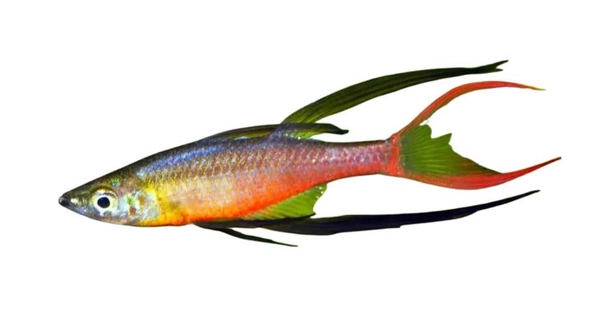
Have you ever spent hours caring for your Threadfin Rainbowfish and wondered if handling them is always safe? These small, colorful fish are delicate creatures that require gentle attention and specific care routines to thrive in home aquariums.
There are several situations where handling Threadfin Rainbowfish should be avoided. Excessive handling can stress the fish, damage their scales or fins, and increase susceptibility to diseases. Recognizing these times ensures their health, well-being, and longevity within your aquarium environment.
Knowing when to leave your fish undisturbed is essential for their safety. Understanding these key moments can help maintain a healthy, vibrant aquarium over time.
When They Are Sick or Weak
Threadfin Rainbowfish are delicate, and any illness or physical weakness makes handling risky. At this time, their immune system is compromised, and even light stress can worsen their condition. Avoid trying to move them or adjust their environment manually while they are sick. They may show signs such as clamped fins, pale colors, or sluggish movement. Gentle observation from a distance is the safest approach. Stress during illness can slow recovery or trigger secondary infections. Even minor handling can tear fins or remove protective slime, leaving them vulnerable. Maintaining water quality and offering proper nutrition helps support recovery without direct interference. It is better to use tools like nets only when absolutely necessary. Handling fish during treatment can sometimes undo the progress made with medications or dietary supplements. Patience during this stage is essential for restoring their vitality.
Monitoring their condition closely and avoiding unnecessary contact ensures they regain strength more quickly without added stress or injury.
Keeping sick or weak fish undisturbed allows natural recovery. Even minimal stress can affect healing and immune response.
During Breeding Season
Threadfin Rainbowfish exhibit sensitive behavior during breeding periods. Handling them can disrupt mating patterns or damage eggs and fry. They may hide or become aggressive, making physical contact stressful. Observing from outside the tank is safer.
Handling during breeding can interfere with reproductive behaviors and reduce survival rates of offspring. During this period, males often display brighter colors to attract females, and any disturbance can make them retreat or stop displaying entirely. Stress from handling can cause eggs to be abandoned, fry to be eaten, or both parents to hide excessively, reducing feeding and growth opportunities. Breeding season is a time of delicate balance where minimal interference is key. Using tools for feeding or cleaning should be done carefully to avoid startling the fish. Proper tank setup with hiding spaces, gentle lighting, and stable water parameters supports natural breeding while reducing the temptation to intervene. Observing their behavior without touching ensures successful reproduction.
During this critical period, patience and careful observation are far more beneficial than physical handling. Maintaining an environment that respects their instincts supports healthier fish and stronger fry survival rates.
When Water Parameters Are Unstable
Sudden changes in temperature, pH, or ammonia levels make Threadfin Rainbowfish highly sensitive. Handling them during this time can increase stress and worsen their reaction to the unstable environment.
Fish rely on stable water conditions for overall health. Even minor fluctuations can cause stress, which weakens their immune system and makes them more prone to disease. Handling during unstable water conditions adds physical stress on top of environmental stress, which can lead to injury or illness. It is better to focus on stabilizing water parameters first. Regular testing, gradual adjustments, and patience ensure the tank becomes safe before any physical contact is attempted.
Using nets or moving fish while water parameters are unstable may shock them. Avoid handling and give time for the environment to settle naturally to protect their health and minimize risk.
Immediately After Transport
Threadfin Rainbowfish need time to adjust after being moved between tanks or purchased from stores. Handling them too soon can trigger stress responses and physical harm.
Transport is stressful for these fish due to sudden movement, changes in water, and lack of familiar surroundings. Their bodies work hard to adjust to temperature, pH, and oxygen differences. Handling them immediately after transport can cause scale damage, fin tears, or shock. Letting them rest in their new environment reduces stress, allowing their immune system to recover. Adding acclimation techniques such as floating the bag, gradual water mixing, and monitoring behavior supports safer integration into the aquarium.
After transport, fish may hide, breathe rapidly, or avoid food. Minimizing interference, observing quietly, and keeping the tank environment stable ensures their health and helps them settle faster, reducing the chance of long-term stress.
During Molting or Shedding
Threadfin Rainbowfish can shed slime coats or scales when stressed or adjusting to new conditions. Handling them during this process can damage their protective layer.
The slime coat protects against infections and parasites. Any interference while it is fragile can lead to disease, fin damage, or slowed healing.
When Aggressive Behavior Surfaces
Aggression in Threadfin Rainbowfish can occur during territorial disputes or dominance displays. Handling them during these moments can escalate stress or provoke injury.
Fish displaying aggression may nip fins, chase each other, or become highly defensive. Physical contact during this time can worsen conflicts, injure the handler, or lead to lasting trauma for the fish. Maintaining separate spaces and observing without interference helps reduce these risks. Providing hiding spots and avoiding sudden movements keeps the aquarium environment safer. Understanding their social dynamics allows you to intervene safely with tools rather than direct handling, ensuring harmony and minimizing harm.
When Water Is Being Cleaned
Handling Threadfin Rainbowfish during tank maintenance or water changes can overwhelm them with stress. Avoid moving them unnecessarily to prevent injury and preserve their well-being.
FAQ
How often can I safely handle Threadfin Rainbowfish?
Threadfin Rainbowfish are sensitive, and frequent handling should be avoided. Handling should be limited to essential tasks like transferring tanks or medical care. Regular interaction is not necessary and can increase stress, damage fins or scales, and make them more vulnerable to disease. Observing them without touching is usually sufficient for monitoring health and behavior.
What signs show my fish is stressed from handling?
Signs of stress include rapid gill movement, clamped fins, loss of color, hiding, or erratic swimming. Stressed fish may also refuse food or show unusual lethargy. Noticing these behaviors early can help you adjust your approach, reduce handling, and create a calmer environment.
Is it safe to net them for cleaning?
Nets can injure delicate Threadfin Rainbowfish if used improperly. Only use a soft, fine-mesh net when necessary, such as for medical treatment. Move slowly and gently, minimizing contact. Avoid scooping directly from the substrate, as this can tear fins or scales.
Can handling cause disease?
Yes. Every time a fish is handled, the protective slime coat is at risk. Damage to this layer allows bacteria, parasites, or fungi to infect the fish. Always ensure hands, nets, and tools are clean before any necessary contact.
Should I isolate them after transport?
Isolation after transport is recommended. A quarantine tank reduces stress from new surroundings and allows monitoring for illness before introducing them to the main tank. This period ensures the fish acclimate safely without exposure to other potentially stressed or sick fish.
What’s the best way to acclimate them to a new tank without handling?
Float the sealed bag in the tank to equalize temperature. Slowly mix tank water into the bag over 20–30 minutes to adjust pH and other parameters. Only after gradual acclimation should the fish be gently released. Avoid netting unless absolutely necessary.
Can handling interfere with breeding?
Yes, even brief handling during breeding can disrupt mating behavior, egg-laying, or fry survival. Males may stop displaying colors, females may hide eggs, or stress may cause aggression. Observation from outside the tank is safer and allows successful reproduction.
How do I reduce stress during essential handling?
Minimize the number of times fish are touched, use soft nets, and avoid sudden movements. Prepare everything before interacting with the fish, and ensure the tank environment is stable and quiet. Calm handling helps reduce physical and psychological stress.
Are younger fish more sensitive than adults?
Juveniles have thinner scales and weaker slime coats, making them more prone to injury and disease from handling. Extra caution is needed when moving or observing young Threadfin Rainbowfish. Avoid contact unless necessary for health checks or tank transfers.
Is there a safe way to clean their tank without handling them?
Yes. Use siphons, nets, or water changers to clean substrate and water without removing fish. Avoid removing the fish from the tank unless required for medical care. Keeping maintenance minimal helps prevent stress and protects their health.
Can handling help build trust?
Threadfin Rainbowfish are not generally fish that bond through handling. Trust and comfort come from a stable, quiet environment, regular feeding routines, and careful observation, rather than physical interaction. Stress from handling outweighs any potential benefits.
How long should I wait after illness before handling?
Wait until fins are fully healed, slime coat is restored, and behavior appears normal. Even minor handling too soon can cause setbacks. Gradual reintroduction to minimal handling ensures recovery without additional stress or infection risk.
Does water temperature affect handling safety?
Yes. Sudden temperature differences between tanks or hands and water can shock fish. Always ensure water is stable and similar to the current environment before handling, especially during transfers, to prevent stress-related complications.
Can I train them to accept handling?
Threadfin Rainbowfish do not respond well to training for handling. Focus instead on observation, maintaining stable conditions, and minimal necessary contact. Forcing interaction may increase stress and risk injury rather than improving behavior.
What tools are safest for handling?
Soft, fine-mesh nets, small containers for temporary transfers, and sanitized hands if necessary are safest. Avoid rough nets, sudden scooping, or touching with sharp or abrasive objects. Proper tools minimize injury and stress.
How can I tell if handling caused permanent damage?
Persistent fin tears, unusual swimming patterns, loss of color, or recurring infections may indicate lasting effects. Early intervention with water quality management, medication, or isolation can help recovery, but prevention through careful handling is always preferable.
Are there times I should never handle them?
Never handle fish during illness, molting, breeding, aggressive disputes, or immediately after transport. Avoid unnecessary contact in unstable water conditions. Observing quietly during these periods protects their health, reduces stress, and prevents long-term issues.
What role does feeding play in reducing stress from handling?
Consistent feeding routines provide comfort and reduce anxiety. Healthy, well-fed fish are better able to cope with minimal handling during essential tasks. Avoid using feeding as an excuse to handle fish directly, instead allow them to feed naturally in the tank.
How do I clean tools to prevent spreading disease?
Always rinse nets, containers, and hands with dechlorinated water. Avoid sharing tools between tanks without proper cleaning. This prevents transferring bacteria, parasites, or fungi, reducing the risk of infection when handling is unavoidable.
Can handling affect their lifespan?
Excessive or careless handling can shorten a Threadfin Rainbowfish’s life by increasing stress, causing injury, or promoting disease. Careful observation, limited contact, and stable tank conditions support longevity and overall well-being.
Is handling stress cumulative over time?
Yes, repeated stress builds up, weakening the immune system and increasing susceptibility to illness. Minimizing handling events and allowing recovery between necessary interactions is critical for maintaining healthy, vibrant fish.
Final Thoughts
Threadfin Rainbowfish are beautiful and delicate fish that require careful attention. Handling them too often or at the wrong times can cause stress, injuries, and health problems. Their bodies are covered in a protective slime coat that keeps them safe from infections and parasites. When this layer is damaged through rough or unnecessary handling, it can leave the fish vulnerable. Even small interactions, like touching or netting, can lead to torn fins, scratched scales, or increased susceptibility to disease. By understanding the times when handling should be avoided, you can help your fish stay healthy and vibrant. Observing them from outside the tank is often the safest way to monitor their behavior and condition.
It is also important to recognize that stress from handling can affect a fish’s behavior and overall well-being. Threadfin Rainbowfish are sensitive to environmental changes, and sudden movement, noise, or temperature shifts can trigger fear responses. During periods of illness, breeding, or after transport, they are especially vulnerable. Stress can reduce their appetite, slow healing, and weaken their immune system, which may result in long-term health issues. Providing a calm and stable environment allows the fish to recover naturally and reduces the need for physical intervention. Simple steps, like using soft nets, preparing tools ahead of time, and maintaining proper water conditions, can make a significant difference in their comfort and safety.
Caring for Threadfin Rainbowfish requires patience and attention to detail. Limiting direct contact helps protect them while still allowing you to enjoy their colors and behavior. Focusing on maintaining a stable, clean, and properly set-up aquarium is far more effective than frequent handling. By respecting the natural needs of these fish, you can create a safe and supportive environment that encourages healthy growth, breeding, and long life. Careful observation, minimal interference, and understanding their sensitive moments are key to responsible ownership. Your attention to these details ensures your fish remain happy, healthy, and thriving, making the aquarium a more enjoyable and sustainable space for both you and your Threadfin Rainbowfish.

Hello,
If you enjoy the content that we create, please consider saying a "Thank You!" by leaving a tip.
Every little bit helps us continue crafting quality advice that supports the health, happiness, and well-being of pets around the world, for pets of all shapes, sizes, and species.
We really appreciate the kindness and support that you show us!