
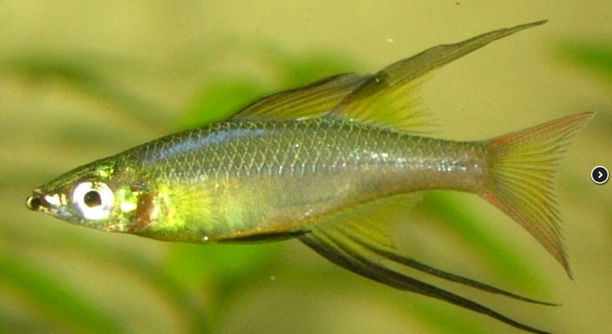
Do you ever notice how your threadfin rainbowfish swim eagerly when you approach the tank? These small, shimmering fish are active and alert, often moving in patterns that seem tied to routine feeding times.
Threadfin rainbowfish are capable of recognizing feeding schedules. They respond to environmental cues such as light, movement near the tank, and previous meal times, which helps them anticipate food and exhibit consistent behaviors around feeding periods.
Understanding these patterns can improve feeding practices and strengthen the bond between you and your fish over time.
How Threadfin Rainbowfish Recognize Feeding Time
Threadfin rainbowfish often use visual and environmental cues to know when it is time to eat. They notice changes in light, movement around the tank, and even the sound of water stirring when you approach. Over time, these fish develop a routine, remembering when they were fed previously and anticipating the next meal. They may gather near the surface, swim faster, or hover near feeding spots, showing clear signs of recognition. This behavior is not random; it reflects their ability to learn patterns and associate certain signals with food. Consistency in feeding times reinforces their recognition, making the fish more responsive. Observing these behaviors can also help you gauge their health. If a fish stops responding, it could indicate stress, illness, or environmental changes. Paying attention to these patterns allows better care and ensures that your fish maintain regular eating habits, which supports growth, activity, and overall well-being in their aquarium environment.
Consistent feeding schedules strengthen the fish’s anticipation. Their behavior becomes predictable and easier to observe.
Tracking these signals also helps you provide timely and appropriate portions. Recognizing their routine ensures you maintain a balanced diet, prevent overfeeding, and reduce tank waste. Fish respond positively to repeated, structured feeding patterns, which enhances their activity levels and reduces stress. By noting the times and reactions, you can adjust feeding amounts and schedules, improving overall tank health and harmony among fish. Small changes, like offering food slightly earlier or later, can reveal how flexible their routine is. Observing these cues fosters a better understanding of each fish’s habits, and careful attention can prevent overeating, aggression, or anxiety. Ultimately, creating a stable feeding environment allows threadfin rainbowfish to thrive, showing natural behaviors that indicate comfort and wellness. Routine feeding becomes a subtle interaction that benefits both the fish and the aquarium’s overall ecosystem.
Tips for Encouraging Feeding Recognition
Provide cues such as gentle tapping or light movement to help them associate signals with food.
Over time, threadfin rainbowfish learn to connect specific actions or environmental changes with mealtime. Repetition is key: consistent signals allow them to recognize feeding opportunities reliably. Using predictable routines, like feeding at the same time each day and approaching the tank in a similar manner, strengthens this association. Observing their responses can help fine-tune the signals. Gradually, even small gestures or subtle changes, such as shifting lights or stirring water, become indicators of food. Careful attention to their behavior ensures they respond appropriately and do not become stressed. This method is beneficial for keeping the fish active, alert, and healthy. It also allows for smoother feeding sessions, reducing competition and encouraging natural behaviors. Establishing clear, repeatable cues is an effective strategy to maintain structure in their daily life. Consistent practice will make mealtime predictable, improving the overall environment of your aquarium.
Signs Your Fish Are Ready to Eat
Threadfin rainbowfish show clear signs when anticipating food. They gather near the surface, swim quickly, and follow movements around the tank. These behaviors indicate alertness and recognition of feeding routines. Watching these patterns helps you respond appropriately and maintain consistent feeding.
Their activity increases as mealtime approaches. Fish often become more visible, swimming in tighter groups and exploring areas where food is usually offered. They may hover near tank decorations or the feeding area, clearly waiting. These behaviors are consistent if feeding schedules are regular. Paying attention allows you to observe each fish’s habits and adjust the timing or portion size. Recognizing early signs of hunger ensures the fish receive proper nutrition and prevents stress caused by sudden feeding changes. Over time, these responses strengthen, showing their capacity for routine learning.
Not all fish respond the same way. Some may be shy or slow to react but eventually catch on with repeated, consistent cues. Monitoring these differences ensures every fish receives attention and food without conflict. Changes in behavior might indicate illness or discomfort. By noting patterns, you can provide better care and maintain a healthy, balanced aquarium environment where all fish thrive. Regular observation creates a predictable environment that encourages natural behaviors and reduces stress.
Adjusting Feeding Times for Better Response
Shifting feeding schedules slightly can enhance responsiveness. Fish adapt to changes if introduced gradually and consistently.
If your fish seem sluggish or miss meals, small adjustments in timing may help. Feeding 10 to 15 minutes earlier or later than usual can improve alertness, especially if you notice lagging responses. Gradual changes prevent stress and maintain routine learning. It is important to maintain other environmental factors, like lighting and movement, to reinforce the association with feeding. Tracking behavior during these adjustments helps determine the optimal schedule for your fish.
Consistency is still crucial during changes. Introduce new feeding times incrementally while maintaining other cues, such as tapping the tank or stirring the water, to indicate food is coming. Fish will gradually adapt, showing increased activity and anticipation at the new time. Observing individual differences ensures that shy or slow-responding fish still receive proper portions. Adjustments should be paired with careful monitoring to avoid overfeeding or competition, keeping the tank environment balanced. Over weeks, this approach strengthens their recognition of mealtime while accommodating natural variations in responsiveness. Proper timing encourages healthy activity, reduces stress, and promotes overall well-being in your threadfin rainbowfish.
Feeding Environment Tips
A calm and predictable environment helps threadfin rainbowfish recognize feeding times. Avoid sudden movements or loud noises near the tank, as these can startle them and interrupt their routine. Consistency in surroundings supports their learning.
Position food in the same spot each time. This allows fish to associate specific areas with feeding, reducing stress and encouraging natural behaviors. A stable setup helps them anticipate meals without confusion.
The Role of Light in Feeding
Light changes significantly influence feeding recognition. Threadfin rainbowfish respond to the brightness and timing of aquarium lights, often associating specific light patterns with mealtime. Consistent lighting schedules reinforce their internal clock.
Portion Control
Overfeeding can reduce responsiveness. Providing measured amounts ensures fish remain active and alert during feeding times.
FAQ
How often should I feed my threadfin rainbowfish?
Threadfin rainbowfish do best with two small feedings per day. This keeps their metabolism steady and prevents overeating. Avoid leaving large amounts of food in the tank, as uneaten portions can pollute the water and affect overall fish health.
Can threadfin rainbowfish recognize me?
Yes, these fish can learn to recognize their caretaker over time. They may swim closer or become more active when you approach the tank. Consistent interaction, gentle movements, and feeding routines help reinforce this recognition and strengthen their responses.
What signs indicate my fish are hungry?
Active swimming near the surface, gathering in feeding spots, and following your movements are clear signs of anticipation. Some may hover near decorations or the filter intake, showing alertness. Recognizing these behaviors ensures you feed on time and maintain proper nutrition.
What should I do if my fish are not responding to feeding cues?
First, check the environment for stressors like sudden noise, water quality issues, or improper lighting. Adjust the feeding schedule slightly, and provide consistent cues such as gentle tapping or water stirring. Patience is key; gradual changes help fish adapt without stress.
Can overfeeding affect recognition of feeding times?
Yes, overfed fish may become less responsive and lose interest in mealtime routines. Stick to measured portions and remove any uneaten food to maintain anticipation and natural behavior patterns. Consistency in portion sizes reinforces their learning and helps maintain tank health.
Do lighting schedules really matter for feeding?
Lighting schedules play a significant role in feeding recognition. Fish associate specific light patterns with mealtime, which helps regulate their internal clock. Keeping lights on a consistent schedule encourages predictable behavior and reduces stress, improving overall responsiveness.
Is it normal for some fish to react slower than others?
Yes, individual differences are common. Some threadfin rainbowfish may take longer to respond to cues. Ensure these fish receive adequate portions, and continue consistent feeding routines. Observing their patterns allows you to adjust cues and timing for all fish.
How long does it take for them to learn feeding routines?
Fish typically show recognition within a few days of consistent feeding and cues. Strong responses develop over weeks. Regular schedules, consistent cues, and a stable environment accelerate learning and help fish anticipate meals reliably.
Can stress affect their feeding behavior?
Stress impacts recognition and appetite. Changes in water quality, temperature, or tank disturbances can cause fish to ignore feeding cues. Maintaining a calm, stable environment supports their natural behavior and ensures proper nutrition.
Should I feed at the same time every day?
Yes, feeding at consistent times reinforces anticipation. Fish rely on repeated patterns to learn when to expect food. Even slight adjustments can be made gradually, but keeping a general routine helps maintain their alertness and healthy activity levels.
Can environmental changes affect their recognition of feeding time?
Absolutely. Rearranging tank decorations, changing lighting, or adding new fish may temporarily disrupt recognition. Gradual adjustments and consistent cues help them re-establish routines without causing stress. Observing their behavior ensures all fish adapt properly.
What types of food encourage strong feeding responses?
High-quality flakes, small pellets, and occasional live or frozen foods work well. Offering variety keeps fish interested and active. Proper nutrition combined with predictable routines ensures they remain responsive and healthy.
How can I track feeding behavior effectively?
Note their movements, positions in the tank, and reactions to cues. Journaling or quick observations before feeding helps identify patterns. Recognizing individual differences allows you to adjust timing and portions for each fish.
What should I do if my fish are not eating well?
Check water quality, temperature, and tank conditions first. Then try smaller portions or different food types. Consistent cues and a calm environment can encourage appetite. Persistent refusal may require veterinary advice to rule out illness.
How do I prevent competition during feeding?
Distribute food evenly and observe fish interactions. Slow feeders may need extra attention. Using multiple feeding spots or spreading portions reduces aggression and ensures all fish receive adequate nutrition.
Can feeding cues be used for training?
Yes, repeated cues like tapping or gentle stirring help fish anticipate food and can even be used to guide movement within the tank. This improves engagement and makes feeding sessions smoother and more predictable.
How important is water quality for feeding behavior?
Water quality directly impacts appetite and responsiveness. Poor water conditions can cause stress, reducing interest in food and altering natural behaviors. Regular testing, cleaning, and maintenance are essential to keep fish healthy and attentive during feeding.
Do younger fish recognize feeding time faster than older ones?
Younger fish often learn quickly due to higher activity levels and curiosity. Older fish may take longer but still respond with consistent cues. Observing each fish individually ensures proper attention and timely feeding.
Can seasonal changes affect feeding recognition?
Yes, fluctuations in room temperature or natural light can alter feeding patterns. Maintaining consistent artificial lighting and tank temperature helps minimize seasonal effects on behavior. Regular monitoring ensures fish remain responsive throughout the year.
Is it okay to occasionally skip a feeding to reinforce recognition?
Occasionally adjusting timing can increase anticipation, but skipping meals frequently is harmful. Consistent nutrition is critical, so any changes should be minor and carefully monitored to avoid stress or hunger-related issues.
How do I know if feeding routines are effective?
Indicators include increased alertness, active swimming near feeding areas, and uniform response from most fish. Consistency and observation allow adjustments to timing, portions, or cues to maintain effectiveness. Regular monitoring ensures all fish remain healthy and responsive.
Can I teach multiple fish to respond to a single cue?
Yes, repeated use of the same cue for all fish fosters group recognition. Some may respond faster than others, so patience and observation ensure all members of the tank learn and maintain routine behavior patterns.
How long can fish go without feeding if I miss a session?
Threadfin rainbowfish can tolerate a single missed feeding without harm, but repeated skips can affect health. Maintaining a consistent schedule is important for both recognition and overall nutrition. Observing behavior afterward helps ensure recovery and continued responsiveness.
Are there signs that feeding cues are too stressful?
Yes, frantic swimming, hiding, or avoiding the feeding area indicates stress. Slow down cues, reduce noise, and maintain calm movements. Consistent, gentle routines help fish feel secure while still learning to anticipate meals.
What is the best way to reintroduce feeding cues after absence?
Reintroduce gradually using familiar actions like gentle tapping or water stirring. Stick to consistent timing and portions. Fish will respond more quickly if their environment is stable and previous routines are respected. Observing their reactions ensures they re-adapt comfortably.
How do I balance feeding recognition with proper nutrition?
Provide the right portions at predictable times using high-quality foods. Combine cues with careful observation to maintain both learning and dietary needs. Regular assessment of behavior and health ensures fish stay active, healthy, and responsive during feeding sessions.
Can feeding cues improve overall aquarium management?
Yes, predictable routines make feeding more efficient, reduce stress, and support water quality. Recognized cues allow smoother interactions with the tank, helping maintain harmony and monitor health. Consistent practices improve both fish behavior and tank maintenance.
Is it normal for fish to ignore cues sometimes?
Yes, occasional lack of response may occur due to stress, illness, or environmental changes. Observing patterns over time helps determine if adjustments are needed or if the behavior is temporary. Maintaining consistency supports long-term recognition and responsiveness.
How long should I observe before making changes to feeding routines?
Observe for at least a week to identify consistent patterns. Sudden changes may confuse fish. Gradual adjustments combined with careful monitoring ensure the feeding routine remains effective and beneficial for all individuals.
Can feeding recognition help detect illness early?
Yes, sudden disinterest or altered responses can signal health issues. Tracking normal patterns helps spot deviations, allowing prompt attention. Consistent cues and observation make it easier to identify early warning signs and maintain overall fish health.
Do all fish respond equally to the same type of food?
No, some may prefer flakes, pellets, or frozen options. Observing preferences ensures all fish receive adequate nutrition. Varying food types can maintain interest while keeping feeding routines consistent and predictable.
How do I prevent overfeeding while maintaining recognition cues?
Use measured portions and consistent cues. Remove uneaten food promptly and monitor fish activity. Structured routines encourage anticipation without excess feeding, supporting health, water quality, and natural behavior patterns in the aquarium.
Can feeding recognition reduce aggressive behavior?
Yes, predictable routines and multiple feeding points reduce competition. Fish are calmer and more focused on meals rather than chasing others. Consistency in cues and portions helps maintain harmony among all tank inhabitants.
What is the role of observation in effective feeding?
Observation is critical. Noting behavior, responsiveness, and individual differences allows adjustments to timing, portions, and cues. Careful monitoring ensures all fish remain healthy, alert, and consistently responsive to feeding routines, enhancing both care and aquarium management.
Final Thoughts
Threadfin rainbowfish are intelligent and observant creatures that can develop a strong sense of routine around feeding. Over time, they learn to recognize environmental cues, such as changes in light, movement near the tank, and consistent feeding times. These cues help them anticipate when food is coming, making their behavior predictable and easier to manage. Understanding these patterns allows caretakers to provide a stable and healthy environment for their fish. Regular observation of their behavior can also serve as an early indicator of health, alerting you to potential issues if a fish suddenly stops responding or behaves unusually. By paying attention to how they react before meals, you can adjust feeding schedules, portions, or tank conditions to better meet their needs.
Maintaining consistency in feeding routines is one of the most effective ways to help threadfin rainbowfish recognize mealtime. Small actions, like providing food at the same time each day or using gentle cues, reinforce their learning. Lighting schedules, tank arrangements, and careful portion control also play a role in supporting their recognition. Overfeeding can reduce responsiveness, while irregular feeding or abrupt changes in the environment can increase stress and confusion. It is important to balance routine with flexibility, making gradual adjustments when necessary so that fish can adapt comfortably. Observation is key—monitoring how each individual responds allows you to cater to shy or slower-reacting fish while ensuring everyone receives adequate nutrition. Over time, consistent care and predictable cues strengthen their behavior, helping them remain active, alert, and healthy.
Feeding recognition is not just about providing food; it reflects the overall well-being of your aquarium. A stable, calm environment encourages natural behaviors and reduces stress, which contributes to the fish’s health. By understanding and supporting their ability to anticipate meals, you can create a more engaging and manageable feeding routine. Recognizing individual differences, adjusting schedules when needed, and maintaining water quality all contribute to a thriving aquarium ecosystem. Paying close attention to these details ensures that your threadfin rainbowfish not only respond reliably during feeding but also live a healthier, more comfortable life. The effort invested in observing and supporting their routines ultimately results in fish that are more active, healthier, and easier to care for, creating a positive experience for both you and the aquarium.

Hello,
If you enjoy the content that we create, please consider saying a "Thank You!" by leaving a tip.
Every little bit helps us continue crafting quality advice that supports the health, happiness, and well-being of pets around the world, for pets of all shapes, sizes, and species.
We really appreciate the kindness and support that you show us!