
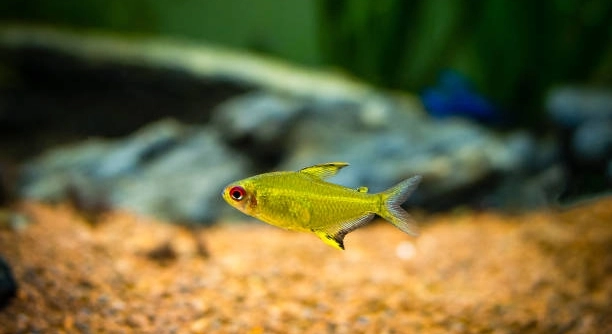
Lemon tetras are small, lively fish that brighten up any aquarium with their yellow hues and graceful swimming. They are usually peaceful, but certain situations can make them act aggressively toward tank mates unexpectedly.
Lemon tetra aggression is primarily triggered by overcrowding, lack of hiding spaces, competition for food, and dominance disputes within the school. Environmental stressors such as poor water quality or sudden changes in tank conditions can also increase aggressive behavior.
Understanding these triggers will help you maintain a calm, harmonious aquarium environment for your lemon tetras and keep all fish healthy and stress-free.
Overcrowding and Space Issues
Lemon tetras are naturally social fish, thriving in small schools of six or more. When there are too many fish in a tank, they become stressed and territorial. Limited swimming space increases competition for resources like food and hiding spots. In cramped conditions, minor irritations can escalate into chasing, nipping, or other aggressive behaviors. Proper tank size is crucial; a 20-gallon tank is usually the minimum for a small school. Adding plants, rocks, or decorations creates hiding spaces and visual barriers that reduce tension. Observing your tetras’ interactions helps you notice signs of stress early, like rapid darting or fin clamping. Ensuring they have enough space not only minimizes aggression but also promotes healthier swimming patterns and stronger social bonds. Avoid sudden additions of new fish, as this can temporarily increase stress and trigger disputes over territory. Regularly evaluating tank layout and population keeps the environment balanced and safe.
Aggression often spikes when lemon tetras feel confined or lack proper hiding spots in the tank.
Maintaining adequate space for each fish prevents stress-related fights and ensures everyone can swim freely. Well-planned decoration placement helps establish safe zones, allowing weaker or new fish to retreat when needed. Overstocked tanks often lead to continual stress, which can affect feeding, growth, and overall health. Lemon tetras rely on visual and physical cues to establish hierarchy, so a spacious tank allows them to interact without constant conflict. Rotating or rearranging decorations occasionally helps reduce learned territorial behaviors. Consistent monitoring is essential; even with proper space, aggressive patterns can emerge if other stressors are present. Observing body language, like flared fins or chasing, lets you intervene before conflicts become harmful. Adjusting population, adding plants, or creating partitions can restore calm. Balanced schooling, proper nutrition, and maintaining water quality all contribute to minimizing aggression and promoting a stable environment for the fish to thrive.
Water Quality and Environmental Stress
Poor water quality can trigger aggression among lemon tetras. Dirty tanks or sudden changes in temperature, pH, or hardness can make them stressed and irritable.
Stable water conditions reduce stress, making tetras more peaceful and cooperative.
Water changes, proper filtration, and consistent monitoring of parameters are key. Stress from toxins or temperature swings often leads to chasing or nipping as a defensive reaction. Tetras are sensitive to ammonia, nitrites, and nitrates, so frequent testing ensures safe levels. Maintaining a consistent temperature range around 72-78°F helps avoid sudden behavioral changes. Overfeeding can also reduce water quality, increasing stress levels and aggression. A well-planted tank with moderate light and hiding spots allows tetras to escape conflict and feel secure. Sudden loud noises or vibrations can also contribute, so placement of the aquarium in a quiet, stable area helps keep the fish calm. By addressing environmental stressors, aggression can be significantly reduced, allowing lemon tetras to swim freely, interact naturally, and maintain their bright, healthy colors.
Dominance and Social Hierarchy
Lemon tetras establish a social hierarchy within their school. Dominant fish may chase or nip weaker members to maintain rank. This behavior is natural but can appear aggressive if the tank setup does not allow retreat or hiding spaces.
Hierarchy struggles often increase in smaller tanks or overcrowded conditions. Dominant fish patrol their preferred swimming areas, occasionally chasing others to reinforce their position. Subordinate tetras may hide or stay near plants to avoid conflict. Over time, these behaviors stabilize as the school establishes clear roles. Providing a spacious tank with plenty of hiding spots reduces constant tension and prevents injuries, while allowing all fish to express natural social behaviors. Observing which fish dominate can help in adjusting tank conditions, adding plants, or even separating overly aggressive individuals if needed. A balanced environment minimizes stress and allows the group to coexist peacefully.
Even in a calm tank, subtle dominance displays like fin flicking or brief chases can occur. Recognizing these signals helps prevent escalation.
Lemon tetras respond strongly to changes in their environment. Sudden additions of new fish or rearranging decorations can temporarily disrupt social order. Aggression peaks during these adjustments as dominant fish reassert control. Gradual introductions and careful observation allow weaker tetras to adapt without severe stress. Tank decorations, plants, and floating barriers provide escape routes, reducing injury risk during dominance interactions. Water quality, temperature, and feeding routines also influence hierarchy stability. A stable environment and consistent care help minimize unnecessary fights and ensure a more peaceful community.
Competition for Food
Feeding time can trigger aggressive behavior in lemon tetras. Fish may nip or chase each other to secure access to food, especially if it is limited.
Uneven food distribution worsens aggression. Feeding in multiple spots or using sinking pellets ensures all tetras can eat without constant chasing.
Some lemon tetras are faster or more assertive, taking the majority of food and leaving others stressed or undernourished. Overfeeding is not the solution, as it can harm water quality and overall health. Offering a mix of flakes, pellets, and occasional live or frozen foods helps satisfy nutritional needs while reducing competition. Observing feeding behavior allows adjustments in timing, portion size, and placement to minimize fights. Rotating feeding locations and maintaining a calm environment encourages fair access. Proper feeding practices not only reduce aggression but also support growth, color vibrancy, and long-term health of all tetras in the tank.
Sudden Environmental Changes
Lemon tetras are sensitive to abrupt changes in their environment. Sudden shifts in water temperature, pH, or lighting can make them stressed and irritable.
Even minor adjustments, like moving decorations or changing tank location, can trigger chasing or fin-nipping. Maintaining gradual changes keeps stress low.
Incompatible Tank Mates
Introducing aggressive or territorial species increases lemon tetra aggression. Larger, faster, or dominant fish can provoke defensive behavior, leading to constant chasing and stress.
Choosing peaceful, similarly sized fish ensures harmony. Proper research before adding new tank mates prevents ongoing disputes and injuries.
Lack of Hiding Spots
Insufficient plants, rocks, or decorations can make lemon tetras feel exposed. Without safe areas, subordinate fish cannot escape, and dominant fish chase more often.
Adding hiding spaces allows tetras to retreat, reducing stress, and encouraging calmer interactions within the school.
What are the most common reasons lemon tetras become aggressive?
The most frequent reasons lemon tetras show aggression include overcrowding, poor water quality, lack of hiding spots, and competition for food. Stress from sudden environmental changes or incompatible tank mates can also trigger chasing and nipping. Observing your tank carefully can help identify which factor is causing tension.
How can I reduce aggression caused by overcrowding?
Overcrowding is a major stressor for lemon tetras. Ensuring the tank is large enough for the number of fish is crucial. A 20-gallon tank is the minimum for a small school. Adding plants, rocks, or decorations creates visual barriers and hiding spaces. If the tank is already crowded, consider moving some fish to another tank to restore balance. Proper spacing reduces chasing, fin-nipping, and stress while allowing natural social behavior to occur.
Why does water quality affect aggression?
Lemon tetras are sensitive to ammonia, nitrites, nitrates, and sudden changes in pH or temperature. Poor water conditions make fish stressed and more likely to fight. Maintaining clean water, using a proper filtration system, and performing regular water changes can stabilize behavior. Keeping water conditions steady helps reduce aggression and promotes overall health.
Can tank layout influence aggressive behavior?
Yes, tank layout plays a significant role. A bare tank leaves no escape routes, making dominant fish chase others constantly. Adding plants, rocks, and decorations provides hiding spots and visual barriers. Floating plants or driftwood create areas where weaker fish can retreat. A thoughtful layout allows tetras to interact naturally while reducing stress-related aggression.
Do certain tank mates make aggression worse?
Incompatible tank mates can provoke defensive or territorial behavior. Fast, large, or aggressive fish may stress lemon tetras, leading to chasing and fin damage. Choosing peaceful, similarly sized species helps maintain calm. Observing interactions when introducing new fish ensures harmony and prevents ongoing disputes.
How does feeding affect aggression?
Competition for food often triggers chasing and nipping. Aggressive or fast eaters can dominate feeding spots, leaving slower fish stressed or underfed. Feeding in multiple locations or using sinking pellets ensures all tetras have access. Providing a balanced diet of flakes, pellets, and occasional live or frozen foods reduces competition and stress.
Will rearranging the tank help reduce fights?
Occasional rearrangement can help reset territorial disputes. Moving decorations, adding new plants, or creating partitions gives fish a chance to establish new spaces. However, sudden drastic changes can also increase stress temporarily. Gradual adjustments are safer and help reduce ongoing conflicts.
Is it normal for lemon tetras to show minor aggression?
Minor aggression like short chases, flicking fins, or occasional nips is normal as part of social hierarchy. Problems arise when aggressive behavior becomes constant, injures other fish, or prevents feeding. Monitoring and adjusting tank conditions can minimize excessive aggression.
Can water temperature impact behavior?
Yes, lemon tetras prefer stable temperatures around 72-78°F. Sudden drops or rises can stress fish, making them more prone to aggressive interactions. Using a reliable heater and thermometer ensures consistency and reduces tension.
How do I know when aggression is serious?
Aggression becomes serious if fin damage, persistent chasing, or injuries occur. Subordinate fish hiding constantly or showing signs of stress need intervention. Adding plants, rearranging the tank, adjusting population, or separating aggressive individuals may be necessary to restore a calm environment.
What long-term steps can prevent aggression?
Maintaining proper tank size, water quality, hiding spots, compatible tank mates, and balanced feeding routines reduces aggression over time. Regular observation allows you to intervene early if conflicts arise. Consistency in care and environment promotes harmony and keeps lemon tetras healthy and peaceful.
Lemon tetras are generally peaceful fish, but like all animals, they have natural instincts that can sometimes lead to aggression. Small, occasional chases or flicks of the fins are part of how they interact and establish social order within their school. Understanding the reasons behind this behavior helps you create a calm, balanced environment. Overcrowding, lack of hiding spots, poor water quality, and competition for food are the most common triggers. Observing your fish regularly lets you notice early signs of tension before conflicts escalate into serious injuries. A well-planned tank with enough space, decorations, and plants helps reduce stress and provides areas for weaker fish to retreat. This simple approach ensures that all fish can move freely, feed properly, and display natural behavior without constant fear or stress.
Water quality plays a major role in maintaining peace among lemon tetras. Stress from ammonia, nitrites, nitrates, sudden changes in pH, or inconsistent temperatures can increase aggressive behavior. Regular water testing, proper filtration, and routine water changes keep these levels stable. Gradual adjustments are always better than sudden changes to avoid shocking the fish. Maintaining a steady environment helps tetras feel secure and reduces chasing or nipping. Feeding is another area that influences aggression. Unequal access to food can trigger fights, so feeding in multiple spots or providing a mix of flakes, pellets, and occasional live or frozen foods allows all fish to eat without stress. Watching feeding behavior and making small adjustments ensures each tetra receives proper nutrition while minimizing competition.
Finally, tank mates and layout have a strong influence on aggression. Lemon tetras do best with peaceful, similarly sized fish. Aggressive or territorial species can provoke defensive behavior, making the tetras chase or nip more often. Decorating the tank with plants, rocks, and hiding spots creates natural barriers and escape routes for subordinate fish. Rearranging the tank occasionally can also help reset territorial patterns, but changes should be gradual to avoid causing additional stress. Regular observation and consistent care are key. By maintaining clean water, proper spacing, hiding areas, and a stable environment, aggression can be managed effectively. This approach keeps lemon tetras healthy, happy, and able to swim freely in a calm, balanced aquarium.

Hello,
If you enjoy the content that we create, please consider saying a "Thank You!" by leaving a tip.
Every little bit helps us continue crafting quality advice that supports the health, happiness, and well-being of pets around the world, for pets of all shapes, sizes, and species.
We really appreciate the kindness and support that you show us!