
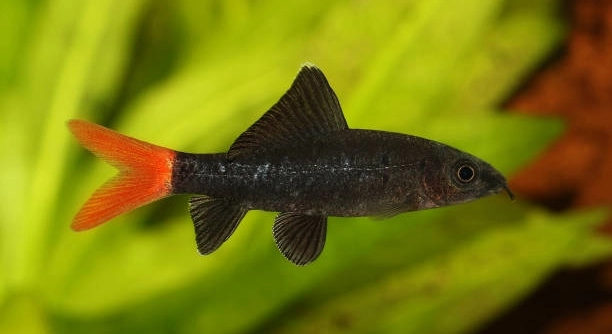
Are your rainbow shark’s tankmates showing signs of stress or aggression, leaving you unsure how to keep them safe and healthy?
The best way to keep your rainbow shark’s tankmates safe is to manage tank size, provide hiding spots, and choose peaceful species. Proper tank setup, compatible companions, and routine monitoring reduce aggression and promote a balanced environment.
Learning how to maintain harmony in your aquarium will help your rainbow shark and its companions live together with less stress.
Choose Compatible Tankmates
Rainbow sharks can be territorial, especially in smaller tanks. To reduce aggression, select peaceful and fast-swimming species that can tolerate a semi-aggressive environment. Avoid slow or long-finned fish, as they may be targeted. Good tankmates include barbs, danios, and rainbowfish. These fish are active and can coexist without drawing too much attention from your rainbow shark. It’s best to avoid bottom dwellers like loaches or catfish, as they may compete for space and cause tension. Introducing tankmates while the rainbow shark is young and not yet dominant can also improve the chances of a peaceful setup.
Some fish are simply too calm or slow for a tank with a rainbow shark. Pairing them together can lead to stress or injury.
Keeping a careful eye on compatibility ensures everyone in the tank has space and peace. This will help your rainbow shark feel secure while letting the other fish thrive naturally alongside it.
Provide Enough Space
Rainbow sharks need space to feel secure and calm. A small tank can make them territorial and aggressive, especially toward fish that enter their area. A tank size of at least 55 gallons is recommended to give all fish enough room to swim freely. A longer tank is better than a tall one, as it provides more horizontal space, which reduces competition for territory. The more swimming area available, the less likely the rainbow shark will feel the need to defend it. Having open space also allows tankmates to stay out of sight and avoid unwanted conflict.
In larger tanks, rainbow sharks tend to be more tolerant and less defensive. This helps prevent nipping and chasing. If your tank is too small, no amount of hiding spots or peaceful tankmates will prevent aggressive behavior. Providing the right size tank is one of the most important decisions you’ll make. It directly affects the safety and comfort of all your fish.
Add Plenty of Hiding Spots
Hiding spots help reduce tension in a rainbow shark tank. When fish have places to retreat, they feel safer and are less likely to be chased or attacked by the rainbow shark.
Use rocks, driftwood, and aquarium decorations to create separate zones within the tank. Plants—both real and artificial—also work well for dividing space. These hiding areas give tankmates a place to escape if the rainbow shark becomes aggressive. Try placing shelters at different levels of the tank to support all swimming zones. Rainbow sharks claim territory near the bottom, so bottom-level hiding spots are especially helpful. Keep some areas open to allow free swimming and reduce crowding. A well-decorated tank can keep the peace by breaking up sightlines and minimizing direct encounters between the fish. Be sure each fish has its own space to retreat.
Having a balanced layout with hiding areas will make a big difference. When fish feel safe, they behave more calmly. Rainbow sharks will also be less aggressive when they feel secure in their own space. This setup mimics their natural habitat and encourages healthy behavior. You’ll see less chasing and more relaxed movement in the tank. Peaceful cohabitation starts with thoughtful tank design and enough shelter for every fish.
Maintain Stable Water Conditions
Stable water conditions lower stress for all fish in your tank. Sudden changes in temperature or pH can cause aggression and illness, especially in rainbow sharks and sensitive tankmates.
Check water parameters weekly, including ammonia, nitrite, nitrate, pH, and temperature. Keep the temperature between 75–81°F and maintain a pH of 6.5–7.5. Use a heater to avoid sudden temperature drops and a reliable filter to keep the water clean. Avoid overfeeding, which can lead to waste buildup and fluctuating water quality. Perform partial water changes every week, around 25–30%, to maintain consistency. When introducing new water, match the temperature and pH to the tank’s current conditions. Stable water helps fish stay healthy and calm, reducing aggressive behavior and boosting immune response. When conditions are predictable, rainbow sharks and their tankmates are more likely to thrive. Keep testing kits on hand to monitor regularly and respond to small changes before they cause problems.
Feed on a Regular Schedule
Feeding your fish at the same time each day creates a calm routine in the tank. It lowers food-related stress and prevents aggressive competition, especially from dominant fish like rainbow sharks.
Spread food evenly across the tank to keep the rainbow shark from chasing others away. This helps reduce tension.
Monitor for Aggression
Watch how your rainbow shark behaves around other fish, especially after adding new tankmates or decorations. Chasing, fin-nipping, or blocking access to certain areas are early signs of stress or territorial behavior. If these patterns appear often, it may be time to adjust the tank setup. Rearranging decorations or adding more hiding spots can break territorial habits. If aggression continues, consider using a tank divider or moving the most vulnerable fish to another aquarium. Never ignore aggressive signs—stress builds quickly in small spaces, and physical injuries can follow. Early action helps protect all your fish and keeps the tank peaceful.
Quarantine New Additions
Always quarantine new fish before adding them to your main tank. This protects your rainbow shark and other fish from illness and reduces sudden behavioral changes caused by unfamiliar tankmates.
How can I tell if my rainbow shark is being too aggressive?
Aggression in rainbow sharks usually shows as chasing, nipping, or guarding territory aggressively. If you notice your rainbow shark constantly chasing tankmates or biting their fins, it means the shark feels threatened or territorial. Frequent hiding, torn fins, or stressed behavior from other fish are signs the aggression is affecting the whole tank. Early signs include sudden darting movements or blocking access to feeding areas. Watching your fish during feeding and at different times can help identify if aggression is occasional or persistent. Persistent aggressive behavior may require changing tankmates, increasing hiding spots, or expanding tank size to reduce conflict.
What tank size is best to keep rainbow sharks calm?
A tank of at least 55 gallons is recommended for one rainbow shark with companions. Larger tanks provide more space for territories and reduce stress by giving fish room to escape each other. A long, wide tank is better than a tall one, as rainbow sharks prefer horizontal swimming space. Overcrowding in smaller tanks often leads to increased aggression and stress. If you plan to keep multiple rainbow sharks or other semi-aggressive fish, a tank of 75 gallons or more is ideal. Providing enough space allows natural behavior and decreases chances of fights or injury.
Can rainbow sharks live with other bottom dwellers?
Rainbow sharks tend to be territorial near the bottom of the tank, where many bottom dwellers like loaches or catfish also live. This overlap often causes competition for space and increases aggression. It is best to avoid pairing rainbow sharks with slow-moving or shy bottom dwellers, as they can become targets. If you want bottom dwellers, choose robust, fast species that can handle occasional chasing, or provide plenty of hiding places to reduce conflicts. Maintaining good tank size and decorations also helps keep the peace by creating separate zones.
What is the best diet to keep rainbow sharks healthy and less aggressive?
Feeding a balanced diet helps keep your rainbow shark healthy and calm. Offer high-quality sinking pellets or wafers as a staple, supplemented by fresh vegetables like zucchini, peas, or spinach. Occasional protein treats such as bloodworms or brine shrimp support growth and coloration. Overfeeding can cause water quality issues, leading to stress and aggression, so feed only what they consume in a few minutes twice daily. A well-fed rainbow shark is less likely to act aggressively out of hunger or competition.
How often should I clean the tank to keep rainbow sharks safe?
Regular cleaning is crucial for maintaining water quality and fish health. Perform a partial water change of about 25–30% weekly to remove toxins and maintain stable conditions. Clean the substrate with a gravel vacuum and rinse filter media monthly without using tap water to preserve beneficial bacteria. Avoid complete water changes or over-cleaning, which disrupt the tank’s balance. Healthy, stable water reduces stress and aggression. Monitor water parameters regularly and adjust your cleaning routine based on tank size and fish load.
What should I do if my rainbow shark injures a tankmate?
If an injury occurs, isolate the injured fish in a separate hospital tank to prevent further harm and allow recovery. Treat wounds with appropriate aquarium medications if needed, and maintain clean, stable water conditions. Observe the rainbow shark for ongoing aggression, and consider modifying the tank environment with more hiding spots or rearranged decorations. If aggression persists, relocating either the rainbow shark or the victim may be necessary to ensure safety. Preventing injuries through good tank management is the best approach.
Can I keep more than one rainbow shark in the same tank?
Keeping multiple rainbow sharks together is possible but challenging. They become more territorial as they mature, especially in smaller tanks. To reduce aggression, provide a large tank (75 gallons or more) with plenty of hiding spaces and visual barriers. Introducing them at the same time when young can improve acceptance. Monitor behavior closely, and be prepared to separate them if fighting becomes severe. In crowded or poorly arranged tanks, multiple rainbow sharks often lead to constant conflict and injury.
Are there signs of stress I should watch for in tankmates?
Signs of stress include hiding excessively, loss of appetite, faded colors, rapid breathing, and torn fins. Stress often results from bullying, poor water quality, or overcrowding. If you notice these symptoms, check tank conditions and observe interactions with the rainbow shark. Early intervention by adjusting tank setup or separating aggressive fish helps protect vulnerable species. Stress weakens fish immune systems, increasing disease risk. Maintaining stable conditions and peaceful tankmates improves overall tank health.
Keeping your rainbow shark and its tankmates safe requires attention and care. Understanding their natural behavior and needs helps prevent aggression and stress. Rainbow sharks are semi-aggressive and territorial, so creating the right environment is essential. This means having a large enough tank, selecting compatible fish, and providing plenty of hiding spots. A well-planned tank reduces conflicts and promotes harmony. It also helps your fish live healthier, less stressful lives. Keeping the water stable and clean plays a big role in their well-being. Regular water changes and monitoring parameters ensure the fish stay comfortable. When the environment suits them, rainbow sharks are less likely to act aggressively toward their tankmates.
Feeding your rainbow shark properly is also important for safety. A balanced diet given on a regular schedule prevents competition over food. Uneaten food can pollute the tank and cause stress, so feeding only what the fish will eat quickly is best. Watching your fish for signs of aggression or injury helps you act early if problems arise. If you notice chasing or fin-nipping, adding more hiding places or rearranging decorations may help. In some cases, tankmates may need to be separated to avoid harm. Quarantining new fish before adding them to the tank protects everyone from disease and sudden stress.
Taking these steps creates a better life for your rainbow shark and other fish. While they require effort and attention, the reward is a peaceful and thriving aquarium. Your rainbow shark will display its beautiful colors and natural behavior when it feels secure. Meanwhile, other fish will coexist without fear. A safe tank benefits all your fish, allowing them to grow and enjoy their environment. Keeping a close eye on tank conditions and fish interactions makes all the difference. With proper care, your aquarium will be a calm and balanced space where your rainbow shark and tankmates can live safely together.

Hello,
If you enjoy the content that we create, please consider saying a "Thank You!" by leaving a tip.
Every little bit helps us continue crafting quality advice that supports the health, happiness, and well-being of pets around the world, for pets of all shapes, sizes, and species.
We really appreciate the kindness and support that you show us!